What Changing Emissions Test Rules Mean for Drivers in North Carolina, Texas and Beyond


For decades the annual emissions test has been a routine cost of car ownership in much of the country, a yearly trip to a station to prove your tailpipe is clean enough to renew your registration. That routine is changing, and not in one direction. Some states are scrapping the test and saving drivers money, others are adding new counties to the requirement, and a quieter shift toward roadside sensors could one day check your emissions without you ever booking an appointment. Whether your next renewal gets cheaper or more complicated now depends heavily on which county you live in. Here is what is actually changing and how to stay on the right side of the rules.
North Carolina Moves to Drop the Test in 19 Counties
The biggest rollback is happening in North Carolina. The U.S. Environmental Protection Agency proposed on May 8, 2026, to approve the state’s request to remove its vehicle inspection and maintenance program, the formal name for emissions testing, from its federal clean-air plan for the remaining 19 counties that still require it.
Those counties include some of the state’s most populated areas: Alamance, Buncombe, Cabarrus, Cumberland, Davidson, Durham, Forsyth, Franklin, Gaston, Guilford, Iredell, Johnston, Lincoln, Mecklenburg, New Hanover, Randolph, Rowan, Union, and Wake. There is one important exception. A separate state law will still require emissions testing in Mecklenburg County, home to Charlotte, even if the EPA finalizes its proposal. So drivers in Charlotte should not assume the requirement disappears for them.
The savings are real and easy to quantify. The change would save North Carolina drivers close to $20 million a year. A standard safety inspection in the state costs $13.60, while the combined safety and emissions inspection currently runs $30, so dropping the emissions portion removes a recurring charge for millions of vehicles. Safety inspections would still be required statewide. The EPA opened a 30-day public comment window before making a final decision, so the rollback is proposed rather than finalized, and drivers should keep testing until their county confirms the change has taken effect.
It is worth noting North Carolina already exempts the newest vehicles. Cars in their first three years or under 70,000 miles have not needed an annual emissions inspection, so the proposed change mainly affects owners of older vehicles who have been paying for the test year after year.
Texas Is Going the Other Way in San Antonio
While North Carolina trims its program, Texas is expanding emissions testing into a new metro area. Texas eliminated the requirement for passenger vehicle safety inspections under a law that took effect January 1, 2025, but emissions testing is a separate matter and still applies in 17 of the state’s 254 counties, covering the metropolitan areas of Houston, Dallas, Austin, and El Paso.
The change for 2026 is that Bexar County, the heart of the San Antonio metro area, will begin requiring emissions tests starting November 1, 2026. Drivers there who have never had to test their vehicles will need to start, adding a step and a cost to their registration renewal. The reason is the same logic that lets North Carolina drop its program in reverse: counties are added or removed based on whether the local air quality meets federal standards under the Clean Air Act. When a region’s air slips out of compliance, an emissions program is one of the tools used to bring it back.
The contrast between the two states captures the national picture. There is no single federal emissions test for passenger cars. Instead, states and counties run their own programs to meet air-quality targets, which is why the rules can tighten in one place and loosen in another in the same year.
The Quiet Shift to Roadside Sensors
Beyond the county-by-county changes, a different kind of emissions check is spreading: roadside sensors that scan the exhaust of passing vehicles in real time. Rather than requiring you to drive to a station, these devices read your tailpipe as you go by on the road. If your vehicle fails to meet federal standards, you can receive a notice in the mail.
The consequences are not trivial. Under programs that use this technology, a driver flagged by a sensor typically must complete repairs and verify the fix within 30 days. Miss that window and you can face daily penalties, and ultimately the suspension of your registration. The appeal for regulators is efficiency, since the sensors target the small share of high-polluting vehicles without making everyone queue at a test center. For drivers, the tradeoff is that a poorly maintained car can be caught without ever showing up for a scheduled test.
What Drivers Should Do
Because the rules are now genuinely local, the most important thing you can do is confirm what applies where you live and where you register your vehicle. Practical steps:
- Check your state or county motor vehicle agency website for the current emissions requirement before your registration renewal, rather than assuming this year matches last year.
- If you live in a North Carolina county on the list, keep testing until the state confirms the requirement has officially ended, since the EPA proposal is not yet final and Mecklenburg County is staying under a separate law.
- If you are in or near Bexar County, Texas, plan for an emissions test as part of your registration from November 1, 2026 onward.
- Know your exemptions. Many programs waive testing for the newest vehicles, electric cars, and sometimes classic or antique vehicles, so you may not owe a test even in a covered county.
- Keep your car maintained. A failed check usually traces back to issues like a faulty oxygen sensor, a worn catalytic converter, or an illuminated check-engine light, and addressing those early avoids a failed test or a roadside-sensor notice.
- If you move, re-check the rules for your new county before you register, because a short drive across a county line can change whether a test is required at all.
The broader takeaway is that emissions testing is no longer a fixed, predictable cost you can set and forget. The trend in fast-growing regions is a patchwork that shifts year to year as air-quality data changes and as technology offers new ways to enforce the standards. Drivers who pay attention to their own county’s rules, keep their vehicles in good shape, and verify the requirement before each renewal will avoid both unnecessary fees and unexpected penalties. The era of assuming the emissions test is the same everywhere, every year, is ending.
Sources:
- https://www.epa.gov/newsreleases/epa-proposes-approving-north-carolinas-plan-remove-vehicle-emissions-testing
- https://www.wral.com/news/state/nc-emissions-testing-may-2026/
- https://abc11.com/post/emissions-tests-nc-drivers-epa-approval-could-save-car-owners-millions-inspections-north-carolina/19089069/
- https://www.dps.texas.gov/news/vehicle-safety-inspection-program-changes-now-effect
- https://www.kbb.com/car-advice/vehicle-inspections-by-state/

Leave a Comment
More in News
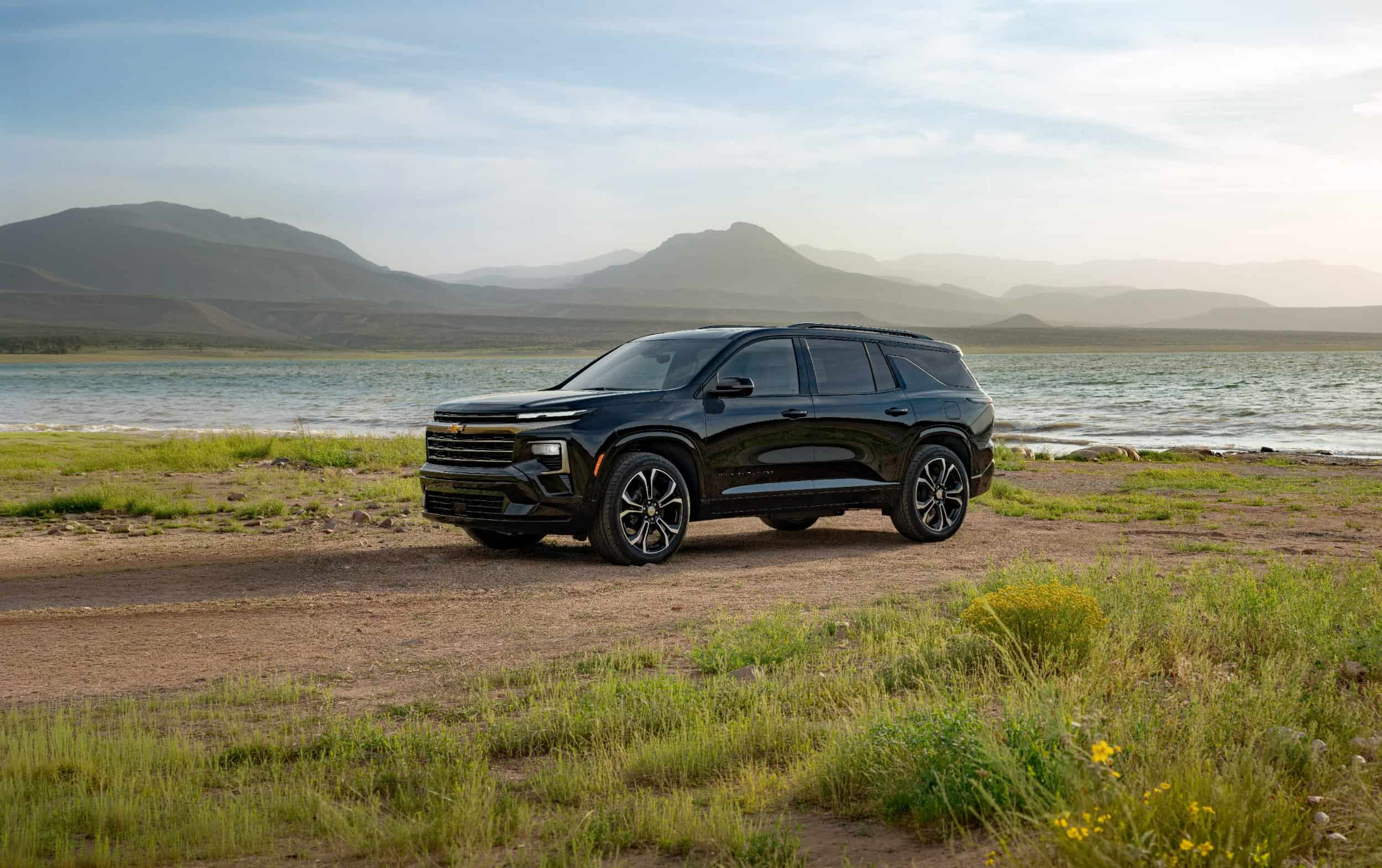
2027 Chevrolet Traverse High Country Adds Standard Interior Camera

How Driving Instructor Test Fees Rose a Third in Five Years While DVSA’s Own Checks Collapsed 94 Percent
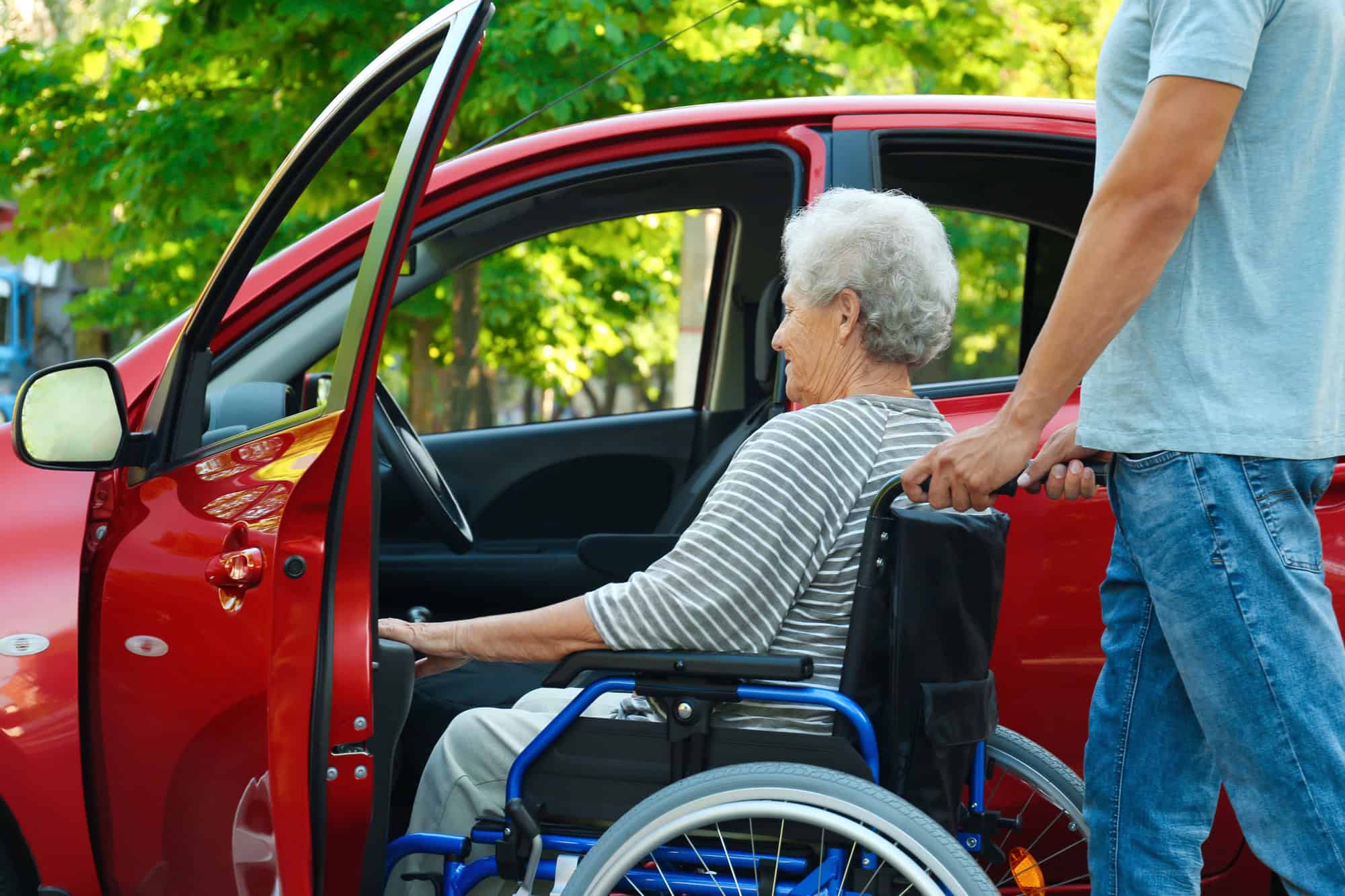
Disabled Drivers Now Pay Up to £400 More to Join the Motability Scheme

A Third of Drivers Missed a Motoring Deadline That Risks a £1,000 Fine
One in Seven Drivers Could Have Invalid Insurance Without Knowing It
Trending on Motoring Chronicle
GEM Warns UK Drivers Over Five Heatwave Hazards as Hot Weather Hits Britain
How Much More It Will Cost to Get Your Car Back If Police Seize It

Preventive Measures To Avoid Rust On Your Car

History-makers and record-breakers: uniting Bugatti’s quartet of world record cars for the first time [Photo Gallery]