New EU Border Checks Are Now Live for Every Driver Crossing the Channel This Summer
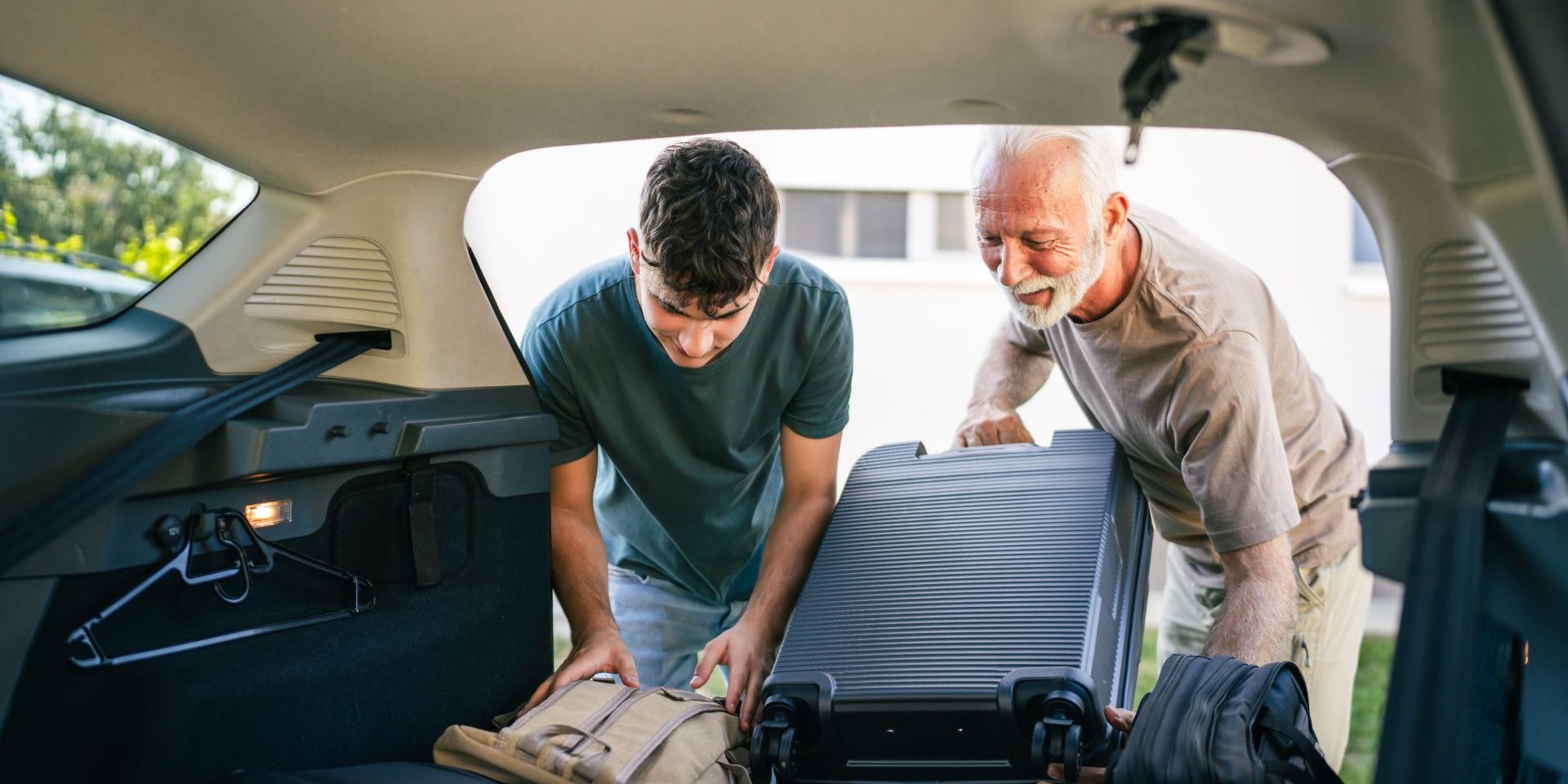
If you are planning to drive to France, Spain or anywhere in the Schengen area this summer, the trip now starts with a new step at the border that did not exist last year. The European Union’s Entry/Exit System, known as the EES, is now operational, and it changes what happens the moment you reach the front of the queue at Dover, the Eurotunnel terminal in Folkestone or a Channel ferry port. Instead of an officer stamping your passport, you and every passenger in the car will have fingerprints and a facial photograph registered the first time you cross. A second scheme, a pre travel permit called ETIAS, is due to follow later in 2026. Getting your head around both before you set off could be the difference between a smooth getaway and hours stuck in a holiday queue.
Here is what the new border systems are, when each one applies, and exactly what drivers need to do to avoid being caught out.
What the EES is and when it applies
The Entry/Exit System is an automated database that records non EU visitors each time they enter or leave the Schengen area. It began rolling out on 12 October 2025 and was phased in over six months, becoming fully operational from 10 April 2026. For British travellers, who became third country nationals after Brexit, it replaces the old routine of having a passport stamped by hand.
The first time you cross an external Schengen border under the EES, the system captures four fingerprints and a facial image, along with your passport details and the date and place of entry. That biometric record is then held and reused for three years, so subsequent trips within that period should be quicker because the data is already on file. Children under 12 have their photo taken but are not required to give fingerprints.
The system also keeps an automatic tally of how long you have been in the bloc. The 90 in 180 rule has not changed, so British visitors can still spend up to 90 days in any rolling 180 day period without a visa, but the EES now counts those days for you, which makes overstaying far easier to detect.
It helps to be clear about where the EES applies. It covers the external borders of the Schengen area, which includes popular driving destinations such as France, Spain, Italy, Germany, the Netherlands, Belgium and Portugal. Ireland is not in Schengen and has a separate arrangement with the UK, so a trip there is unaffected. Once you are inside the area there are no routine internal border checks, so a drive from France into Spain or Italy does not trigger a fresh registration. The biometric step happens when you first enter the zone and again when you finally leave it.
Why drivers face the biggest delays
The crossings that matter most to drivers, the Port of Dover, the Eurotunnel terminal and the Channel ferries, use what are called juxtaposed controls. That means French border officers carry out their checks on British soil before you board, so your EES registration happens in Kent or Folkestone rather than on arrival in France. It is convenient in principle, but it concentrates the new biometric process into car lanes that already back up at peak times.
The concern is simple arithmetic. A car carrying a family of four means four sets of fingerprints and four photographs on a first crossing, and every vehicle in front of you is doing the same. To ease the pressure, terminals have installed kiosks and tablets so that registration can begin while you wait in the car, and the EU has developed an app that lets travellers pre load some of their details in advance. Even so, the first summer of full operation is expected to be the bumpiest, particularly on busy getaway weekends and bank holidays.
The practical advice from ferry and tunnel operators is to allow far more time than you would have done before, arrive within your booked window rather than early, and have every passenger’s passport ready and to hand so the process is not held up by hunting through bags.
It is worth remembering that the first crossing is the slow one. Once your biometrics are on file, later trips within the three year window should move more quickly because the system already holds your fingerprints and photo, and in time more of the process is expected to be automated through self service gates. The early weeks of any new border system tend to be the most disrupted as staff and travellers get used to it, so patience on a first post EES trip is sensible. The system is designed to speed up over time, not to add a permanent delay to every journey.
ETIAS is coming, but not yet
The second part of the change is ETIAS, the European Travel Information and Authorisation System. This is a pre travel permit rather than a border check, and it works in a similar way to the ESTA that Britons already need for the United States. You apply online before you travel, the application is screened, and an approved authorisation is then linked electronically to your passport.
ETIAS is expected to launch towards the end of 2026, although the EU has not confirmed a firm date, and there is usually a grace period after launch before it becomes mandatory. When it does arrive, it is set to be valid for three years or until your passport expires, whichever comes first, and to cover multiple trips. The fee has been proposed at around 20 euros, with applicants under 18 and over 70 exempt from the charge. Importantly, ETIAS is not in force yet, so for trips this summer the only new requirement at the border is the EES.
A word of warning that applies to both schemes. Whenever a new travel rule launches, copycat websites appear offering to handle the paperwork for a fee. ETIAS applications, when they open, will be made through the official EU system, and the EES requires no application at all because it happens automatically at the border. Anyone asking you to pay in advance to register for the EES is running a scam.
What to do before you drive to Europe
First, check that every passenger’s passport is valid under the post Brexit rules, which require it to have been issued within the last ten years on the date of entry and to be valid for at least three months after the day you plan to leave. An out of date passport will stop the whole car at the border regardless of the EES.
Second, build in extra time at the port or terminal, especially for a first crossing when biometrics must be captured, and look out for the official pre registration app or kiosks that let you start the process early. Third, keep the documents you already need for driving abroad together and accessible, including your licence, insurance certificate, V5C logbook and the UK sticker for the car. Finally, ignore any site offering paid EES sign up, and wait for official confirmation of the ETIAS start date rather than acting on rumours.
It is also sensible to think about the practical side of a long wait. If you are travelling with children, elderly relatives or a pet, pack water, snacks and anything you might need within easy reach in the cabin rather than buried in the boot, because once you are in the queue you may not be able to get out of the car for some time. Check the operator’s website or app on the morning of travel for live waiting times, and if you have any flexibility, avoid the busiest departure slots in the middle of summer weekends. Travel insurance with cover for missed departures is worth having, since the new checks add a layer of uncertainty to journey times that did not exist before. None of this is a reason to cancel a European road trip, but a little planning turns the new border routine from a holiday headache into a manageable formality.
For more on getting your car ready for the continent, see our guide to what every UK driver taking their car to Europe needs to carry and our look at European breakdown cover before summer.
Sources:
- https://commonslibrary.parliament.uk/the-eu-entry-exit-system-and-eu-travel-authorisation-system/
- https://travel-europe.europa.eu/ees_en
- https://www.abta.com/tips-and-advice/planning-and-booking-a-holiday/upcoming-changes-travel-europe
- https://www.gov.uk/foreign-travel-advice

Leave a Comment
More in News

E-Scooter Deaths Rose 67 Percent Last Year Even Though Riding One Remains Illegal

Insurers Are Writing Off Thousands of Repairable Electric Cars

Renters Can Now Demand an EV Charger, but the Grant Just Got Harder to Claim

Why Cars and Watches Have Shared the Same Design Language for Decades

NHTSA Gives Tesla Until August 12 to Hand Over a Document Called Radar Saves Us
Trending on Motoring Chronicle

The BMW Concept Speedtop [Photo Gallery]
What the Federal Push to Put Impaired Driving Detection in Every New Car Means for You

Lamborghini few-offs: when a rarity turns into a passion

Why Hazard Lights Now Trigger Move Over Rules in More States