Why Seaside Towns Are Banning Motorhomes and Campervans Ahead of Summer
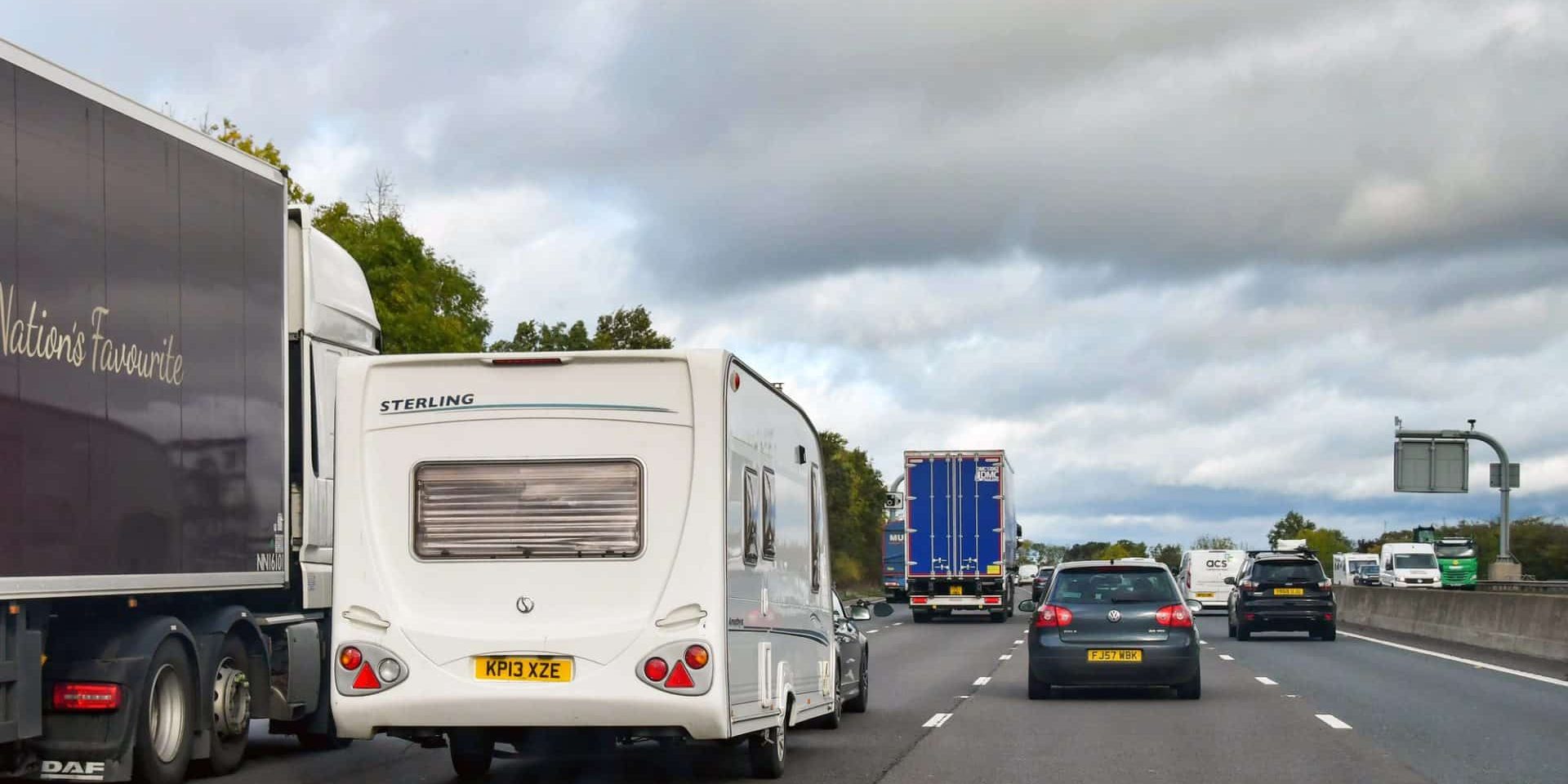
A growing number of UK seaside and rural destinations are introducing bans on motorhome and campervan overnight parking, as local councils look to manage a surge in staycation demand. Research by One Sure Insurance found that searches for UK staycation holidays have risen by 133 per cent, putting coastal and national park communities under mounting pressure to regulate where large leisure vehicles can stop.
From the mountains of Snowdonia to the beaches of Suffolk, authorities are implementing Traffic Regulation Orders and overnight parking restrictions that can catch drivers off guard. Those who fall foul of the new rules face Penalty Charge Notices, and in some areas the immediate removal of their vehicle. Here is what every motorhome and campervan owner needs to know before heading for the coast or countryside this summer.
Which Areas Have Introduced Restrictions?
The shift is happening across England and Wales, with both rural national parks and coastal resort towns tightening controls. In Wales, Eryri National Park (formerly Snowdonia) has implemented overnight bans across 11 car parks since April 2026. The authority cited increased vehicle sizes, damage to grass verges, and waste management challenges as key reasons for the move. The park covers some of the most popular walking and climbing terrain in the UK, and its car parks had become widely used as informal overnight stops by travellers in self-contained vehicles.
On the North Yorkshire coast, what began as an 18-month trial of overnight parking bans has now been made permanent following a public consultation. Around 60 per cent of local residents backed the restrictions, pointing to issues including blocked access roads, noise in residential areas, and pressure on public toilet and waste disposal facilities. The ban covers key coastal access points that draw large visitor numbers each summer.
Further south, Southend-on-Sea in Essex has introduced a blanket overnight ban on the seafront, while Felixstowe in Suffolk has imposed limits on how long motorhomes can occupy seafront parking bays. St Annes-on-Sea in Lancashire and Saltburn-by-the-Sea in North Yorkshire have both introduced Traffic Regulation Orders targeting large leisure vehicles specifically, meaning motorhomes and campervans are prohibited even where other cars are permitted to park.
The pattern reflects a wider national shift. As the number of registered motorhomes in the UK has grown substantially over the past decade, with DVSA data pointing to more than 300,000 on the road, communities that attract seasonal visitors are increasingly choosing to regulate their use of public spaces rather than absorb the associated costs and disruption.
What the Highway Code and the Law Say
Rule 242 of the Highway Code states that drivers must not leave their vehicle or trailer in a dangerous position or where it causes any unnecessary obstruction of the road. Motorhomes parked on narrow coastal roads or residential streets near tourist attractions can fall foul of this rule even before any council-specific restrictions come into force. Obstruction of the road is an offence under the Road Traffic Act 1988, and police have the power to issue fixed penalty notices or even seize vehicles in serious cases.
It is also important to understand that there is no general right to overnight parking or wild camping on public roads in England and Wales. While no single law specifically prohibits sleeping in a vehicle on a public highway, a Traffic Regulation Order overrides any assumption that a public parking space is available at all hours. When a TRO is in force, it applies equally to motorhomes, campervans, cars, and any other vehicle, regardless of whether the occupants are inside or asleep.
Councils have the power to issue Penalty Charge Notices for vehicles contravening parking restrictions, and fines typically start at £50, rising to £100 in London and certain other areas. A 50 per cent discount is usually available for prompt payment within 14 days. Where a vehicle is causing an obstruction, authorities can arrange for it to be towed to a compound, and release fees can add substantially to the cost of the original fine.
Why Are More Councils Introducing Bans This Year?
The motorhome and campervan sector saw explosive growth during and after the pandemic, as international travel restrictions and border closures prompted millions of UK residents to explore domestic options. Demand for both new and used motorhomes remained significantly elevated even after restrictions lifted, and the UK market has continued to expand. The result has been a visible increase in the number of large leisure vehicles on the roads and in the car parks of popular destinations.
The 133 per cent increase in staycation searches identified by One Sure Insurance underlines the scale of ongoing interest in UK-based travel. Coastal towns that were already under seasonal pressure are now dealing with a year-round baseline of visitor traffic that is meaningfully higher than it was five years ago. For communities where permanent residents live alongside tourist facilities, the presence of self-contained vehicles parked for extended periods without contributing to the local economy through accommodation bookings has become a point of genuine friction.
Concerns raised by residents in affected areas include littering, the blocking of sea views from public areas, noise from generators and ventilation systems, and the disposal of waste. In national parks and areas of outstanding natural beauty, there are additional concerns about the environmental impact of concentrated visitor pressure, including soil compaction, damage to vegetation, and the disturbance of wildlife.
Several councils have also pointed to the financial dimension. A motorhome driver who parks overnight in a free public car park and drives away the next morning generates very little in the way of local economic activity compared with a visitor who books a guesthouse or campsite, eats in local restaurants, and uses local shops. As budgets are stretched, councils have become less willing to absorb the cost of maintaining public facilities that are being used heavily without any corresponding income.
How to Stay on the Right Side of the Rules
The most reliable way to avoid a fine or a confrontation is to book a certified pitch at a recognised campsite or Caravan and Motorhome Club site. These sites provide proper facilities including fresh water, waste disposal, and often electrical hookups, and securing a booking in advance is particularly advisable during peak summer weeks when popular sites fill quickly.
Before travelling to any specific destination, it is worth checking the local council website for any TROs or parking restrictions that may apply. The Caravan and Motorhome Club and the Camping and Caravanning Club both maintain databases of sites and areas with known restrictions accessible through their apps and websites. Local Facebook groups and motorhome forums can also be a useful real-time source of information about which locations are currently enforcing bans.
Where you plan to stop somewhere that is not a designated pitch, check carefully for signage indicating restrictions, and note how long you have been parked. Some councils operate on the basis that a vehicle may not remain in one location for more than 23 hours consecutively, while others have specific overnight hours during which restrictions apply. Never assume that because a car park was unrestricted last year it remains so today, given the pace at which new TROs are being introduced.
Landowner permission is required to park on private land overnight, but many farmers and rural businesses now offer small numbers of informal pitches through the Camping and Caravanning Club’s Certificated Locations scheme. These pitches are legal, often very affordable, and can be a genuinely flexible option away from the busiest tourist hotspots. The scheme currently lists several thousand locations across the UK.
What This Means for Your Summer Plans
The crackdown on informal overnight parking does not signal the end of motorhome and campervan travel in the UK, but it does underline the importance of planning ahead. Rules vary considerably from one local authority to the next, and what is permitted in one coastal town may be prohibited a few miles down the road. Staying informed, booking pitches in advance, and treating local communities with consideration remains the best approach for any traveller in a self-contained vehicle.
As more councils consider their own restrictions ahead of the summer season, the situation is likely to continue evolving. Keeping a close eye on updates from local authorities and from the major motorhome clubs before departing is sensible preparation. The Caravan and Motorhome Club helpline can also provide up-to-date guidance on specific areas if you are unsure whether restrictions apply to your planned route.
For those who adapt their approach, book ahead, and engage positively with local communities, the UK still offers an enormous variety of destinations accessible by motorhome. The changes underway are a reminder that the privilege of travelling in a self-contained vehicle comes with a responsibility to the places you visit, and that responsible ownership remains the best long-term safeguard for the freedom motorhome travel provides.
Sources
GB News: Motorhome and campervan parking bans at UK seaside towns (May 26, 2026)

Leave a Comment
More in News
HMRC Fuel Duty Rises Will Add £2.75 to Every Tank of Petrol by March

Is a Pickup Truck a Car?
Tool Theft Now Costs UK Tradespeople an Average £2,646, Simply Business Reveals

How to Appeal a Parking Fine (and Actually Win Your Case)

Birmingham’s Clean Air Zone Has Now Raised £57 Million From Non-Compliant Drivers
Trending on Motoring Chronicle
How Oxford’s New Traffic Filters Work and the £70 Fine Drivers Must Avoid

The Škoda Fabia Motorsport Edition Is The Fastest Fabia Ever

2027 Nissan Frontier Priced from $32,490 with New Sport Edition Package
New A46 Speed Cameras Go Live in Warwickshire With £100 Fines for Drivers