
Why Drivers With a Pre-1997 Licence May Have Lost the Right to Drive Their Motorhome
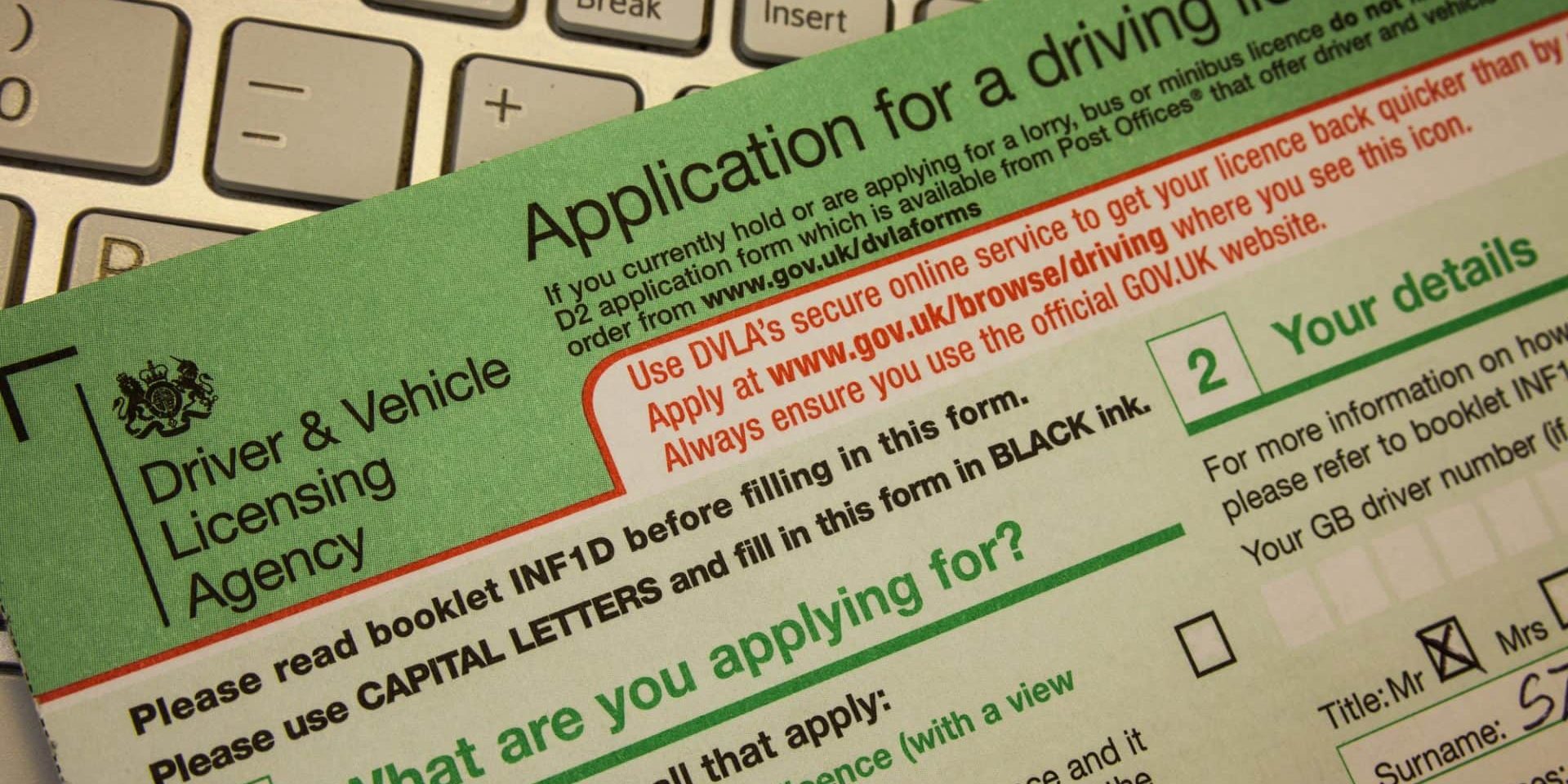
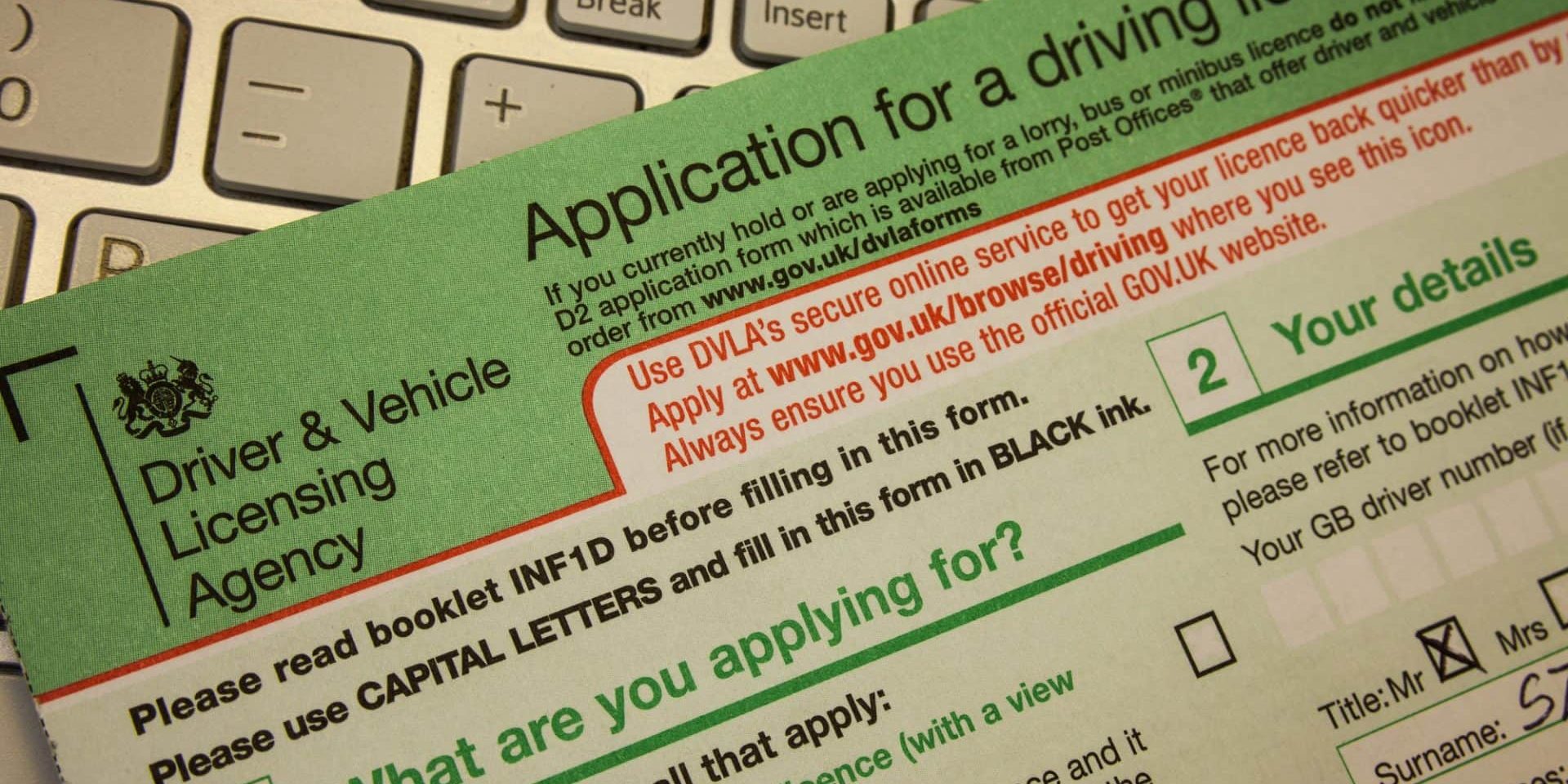
Millions of UK drivers who passed their car test before 1 January 1997 hold licences that automatically included the right to drive heavier vehicles: a category C1 entitlement covering anything between 3,500kg and 7,500kg, and a category D1 entitlement covering minibuses with between 9 and 16 passenger seats. These rights, sometimes called grandfather entitlements, were granted as standard to everyone who held a full car licence at the time. For decades they sat quietly on the back of the pink driving licence, largely forgotten.
From March 2026, however, those entitlements are no longer automatic once the driver reaches 70 or renews their photocard. If you renewed your licence online in the last few months without explicitly applying to retain C1 or D1, and you regularly drive a larger motorhome, a charity minibus, or a vehicle over 3.5 tonnes, there is a real chance you are now doing so illegally without knowing it.
What C1 and D1 Actually Cover in Practice
Category C1 covers vehicles with a Maximum Authorised Mass (MAM) between 3,501kg and 7,500kg, which can tow a trailer of up to 750kg. In practical terms, this is the entitlement that lets older drivers operate larger coach-built motorhomes and A-class motorhomes, most of which weigh between 3.5 tonnes and 6 tonnes. The standard Category B licence that every car driver holds only covers vehicles up to 3,500kg. Any motorhome heavier than that requires at least C1.
According to data from the National Caravan Council, the UK motorhome fleet contains approximately 260,000 vehicles over 3.5 tonnes. A significant proportion of those are driven by owners aged 70 or over who passed their test before 1997 and assumed their C1 entitlement was still valid. For those drivers, the 2026 changes have introduced a potentially serious compliance gap.
Category D1 covers minibuses with 9 to 16 passenger seats and a MAM not exceeding 8 tonnes, not used for hire or reward. Community transport operators, church groups, sports clubs, and voluntary organisations commonly rely on D1 entitlement to allow volunteer drivers to operate minibuses. Without it, a volunteer driving a 14-seat minibus is committing a criminal offence under the Road Traffic Act 1988, regardless of how long they have been doing so.
What Changed in March 2026 and Why
The March 2026 changes formalised a process that had been operating inconsistently for years. Previously, when a driver with C1 or D1 entitlement renewed their photocard licence online at age 70, the DVLA’s system would default to issuing a Category B-only licence if the driver did not specifically request retention of the additional categories. Many drivers completed this renewal without realising they needed to do anything different, and found their C1 or D1 had quietly disappeared.
The March 2026 update introduced a clearer “Fitness to Retain” requirement, mandating that drivers who wish to hold C1 or D1 entitlement beyond age 70 must undergo a triennial DVLA medical assessment and apply by post, not online. The assessment requires completion of the DVLA D2 application form and a D4 medical examination report signed by a registered doctor confirming that Group 2 medical standards (which are stricter than the standard car driving standard) are met.
The Group 2 medical standard includes requirements relating to eyesight, heart conditions, blood pressure, neurological conditions, and sleep disorders such as obstructive sleep apnoea. Drivers who meet the standard for an ordinary car licence may not necessarily meet the Group 2 standard required to retain C1 or D1. The D4 examination typically costs between £100 and £150 at a GP surgery, though some surgeries have higher fees.
How to Check Whether Your Entitlement Is Still Valid
The most direct way to check is to look at the back of your driving licence photocard. The reverse of the card lists your entitlement codes and the dates they run to. C1 will appear as a separate line, typically with a start date matching when you passed your test before 1997 and an end date showing when it expires. If C1 does not appear on the reverse of your card, the entitlement is not currently valid.
Alternatively, drivers can check their entitlements through the DVLA’s View Driving Licence service at gov.uk/view-driving-licence, which requires a Government Gateway account. The digital view shows all current entitlements, their categories, and their expiry dates.
If C1 or D1 is missing from your current licence and you believe you should still hold it, you can apply to have it reinstated. Contact the DVLA’s medical group by post requesting the D2 and D4 forms. There is no shortcut through the online renewal system: these categories must be applied for separately and require medical confirmation regardless of your current health.
Insurance and Legal Implications of Driving Without the Right Category
Driving a vehicle in a category for which you are not licenced is a criminal offence under Section 87 of the Road Traffic Act 1988. The standard punishment on first conviction is a fine of up to £1,000 and three to six penalty points. Depending on the circumstances and the court, disqualification is also possible.
The insurance implications are equally serious. Standard car insurance policies typically cover the vehicle described in the policy and the categories for which the named driver holds a valid licence. If the driver does not hold the required licence category, the insurance company can treat the policy as void from the outset on the grounds of material non-disclosure. In the event of a claim, particularly one involving injury to a third party, the insurer can refuse to pay out and seek recovery of any costs incurred from the driver personally.
Motorhome-specific insurance policies, which are sold by specialist brokers such as Caravan Guard, Shield Total Insurance, and others, typically include provisions relating to the driver’s licence categories. Policyholders should check the terms of their specific policy and confirm with their insurer that their licence category is correctly recorded and currently valid.
What Pre-1997 Drivers Who Are Under 70 Need to Know
Drivers who passed their test before 1997 and are currently under 70 generally still hold valid C1 and D1 entitlements on their existing licence. The age-70 trigger is the main point at which the entitlement requires active renewal.
However, there is one exception: if you renewed your photocard licence online at any age and C1 or D1 was not carried over correctly, the entitlement may have been lost even before age 70. This is a known issue that the DVLA has acknowledged in correspondence with affected drivers, and the resolution in these cases is the same: a paper D2 application with D4 medical evidence. The DVLA’s medical enquiries team can be reached by post at DVLA, Swansea, SA99 1TU or via the medical queries helpline at 0300 790 6806.
Sources:

Leave a Comment
More in News

Private Parking Firms Hit a Record 16.9 Million Tickets as Watchdog Steps In

Every Part-Worn Tyre Checked in a Police Sting Broke the Law
Croydon Made £7.2 Million From LTNs a Judge Ruled Existed Just to Raise Money

AXA Fixes 82 Percent of Breakdowns at the Roadside, Allianz Just 42 Percent
530,000 Flood-Damaged Cars Are Already on US Roads, NICB Warns
Trending on Motoring Chronicle
The £10 Fix Most Drivers Have Never Heard Of That Could Transform Your Car’s Air Quality This Spring

When to Use Your Hazard Lights (And When They’re Making Things Worse)

Fogged windows: why it happens and fixes

All-new 2027 INFINITI QX65 blends sporty fastback design, luxurious interior and spirited, rewarding performance
