How Britain Went From 14 Electric Car Models to 167 in Just Ten Years


The Society of Motor Manufacturers and Traders has published a snapshot of the UK electric car market that puts a hard number on a shift many drivers have felt without quantifying. Ten years ago, the British BEV market consisted of 14 models from 12 brands. Today it stands at 167 models from 51 brands, and electric cars account for 40.9 per cent of every model available in UK showrooms.
The data lands at SMMT Test Day 2026 at UTAC Millbrook in Bedfordshire, where more than half of all vehicles on the test programme are fully electric. For an event that, a decade ago, would have wheeled out a handful of curiosities, that is a useful marker of how far the industry has moved. Britain’s decarbonisation decade, as SMMT is calling it, has taken EVs from niche to normal.
What 167 models actually means for UK drivers
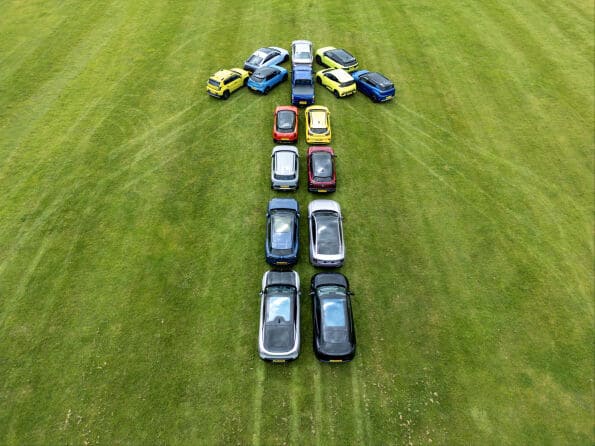
The headline jump from 14 to 167 battery electric models is a twelve-fold increase in choice, but the more useful number is what that choice now covers. In 2016, an EV buyer was largely picking between small hatchbacks and a handful of premium saloons. In 2026, every vehicle segment has electric options, from city runarounds and family SUVs to luxury saloons and the British supercar names that have moved into hybrid first and full EV later.
Range has caught up with reality at the same time. The average BEV on sale in the UK now travels more than 300 miles on a charge, against a weekly UK mileage figure of around 127 miles. For the majority of drivers, range anxiety has shifted from a daily worry to a question that comes up only on longer trips, and even then is increasingly answered by the public charging network.
If you broaden the lens past pure EVs, the change is starker. Plug-in hybrids and full hybrids made up 16.2 per cent of available models in 2016 and now represent 42.3 per cent. Add BEVs into the mix and electrified powertrains are available in 83.6 per cent of UK models today, against just 19.8 per cent in 2016. Most buyers walking into a showroom now will have an electrified version of the car they are looking at, whether or not that was the car they came in for.
From 0.4 per cent of the market to almost a quarter
The supply side of the story is one thing. The demand side is where the SMMT figures get most interesting. Zero emission car registrations have risen from 10,264 in 2016 to 473,346 in 2025, taking BEV market share from 0.4 per cent to 23.4 per cent. The trend has held up into 2026, with 176,698 BEV registrations in the first four months of the year, up 22.1 per cent year on year, and a 23.1 per cent share.
That is still below the 33 per cent share the government’s ZEV mandate is targeting for the year, which is the gap SMMT and the wider industry are using to argue for a fresh look at consumer support. Manufacturers have already put more than £10 billion of discounts into the market since 2024 to keep momentum going, and an Electric Car Grant currently covers almost a third of available BEV models. SMMT’s argument is that without continued fiscal incentives, lower electricity prices, more affordable public charging and faster infrastructure rollout, the gap between the ambition and the natural demand curve risks widening rather than closing.
“Ten years ago, electric vehicles were a curiosity for many drivers. Today, they are a core part of the UK new car market, with unprecedented choice, longer battery range and growing consumer appetite. Massive manufacturer investment has delivered this progress, but continued government action to accelerate demand and support manufacturer investment is essential to keep the transition on track.”
Mike Hawes, SMMT Chief Executive
The CO2 number behind the policy debate
For drivers who want the environmental case stripped to a single figure, SMMT has it. The shift in vehicle mix has delivered 36.6 million tonnes of CO2 savings since 2016, equivalent to the annual carbon footprint of more than nine million UK homes. That is the tangible output of a decade of manufacturer investment, electrification of the fleet and growing EV uptake by ordinary households.
It is also the metric that makes the political conversation about ZEV mandates and grant funding harder to wave away. The savings are real, the trajectory is real, and the policy choices made now will determine whether the next ten years deliver the same scale of change or whether the curve flattens before the country gets to its 2030 targets.

It is not just cars
The transformation goes beyond passenger cars. Zero emission commercial vehicle choice has climbed nearly 15-fold over the decade, rising from five models in 2016 to more than 78 today. Electric van availability has multiplied roughly eight times. Electric buses have more than tripled, and the UK now holds the title of Europe’s largest zero emission bus market. Zero emission heavy goods vehicles, absent from the market ten years ago, have now arrived with more than 40 models available.
That spread is important for two reasons. It shows that decarbonisation has reached every part of the road transport mix, not just the small percentage of buyers driving new cars off forecourts. And it gives logistics operators, local authorities and fleet buyers the kind of supplier choice that lets cost pressure do the work that early subsidies once did.
Where the next decade has to go
The SMMT’s snapshot reads as both a celebration and a warning. The celebration is that an industry which looked sceptical of the EV transition in 2016 has rebuilt itself around it, with billions of pounds of investment, hundreds of new models and a charging network that has expanded faster than most early forecasts suggested. The warning is that the easy gains are behind us. Reaching the next milestone in market share will lean more on public policy, infrastructure and household economics than on the supply of EVs themselves.
For UK drivers, the practical takeaway is that the choice problem has been solved. Whatever segment, budget or use case you bring to a showroom in 2026, there is a credible electric option waiting for you. For more on the cost and ownership conversation that comes with that choice, see our look at the biggest shake-up of UK driving laws in years and the practical questions facing older drivers reconsidering their licence.

Leave a Comment
More in News
FCA Pushes £7.5 Billion Car Finance Payout Back to 2027 for Millions
What September’s Record Electric Car Sales Mean for the £3,750 Grant Running Out Early

How to Diagnose a Shaking Steering Wheel Before It Costs You a Repair Bill

Why Car Theft Risk Now Depends on Your Postcode, ONS Data Reveals

DVLA Collected £113 Million in Fines as Car Tax Income Rose 8 Percent
Trending on Motoring Chronicle
Every New Car Sold in Britain Now Has a Speed Limiter That Resets Itself Every Journey

What the UK’s First Graduated Driving Licence Means for Every Learner Driver From October

NHTSA Moves to Require Safer Door Handles After 15 Deaths in Teslas

MG IM5 review: Sleek fastback EV is more than a match for the Tesla Model 3