
Why The King’s Speech Left UK Drivers Sharing Roads With Britain’s Illegal E-Scooters
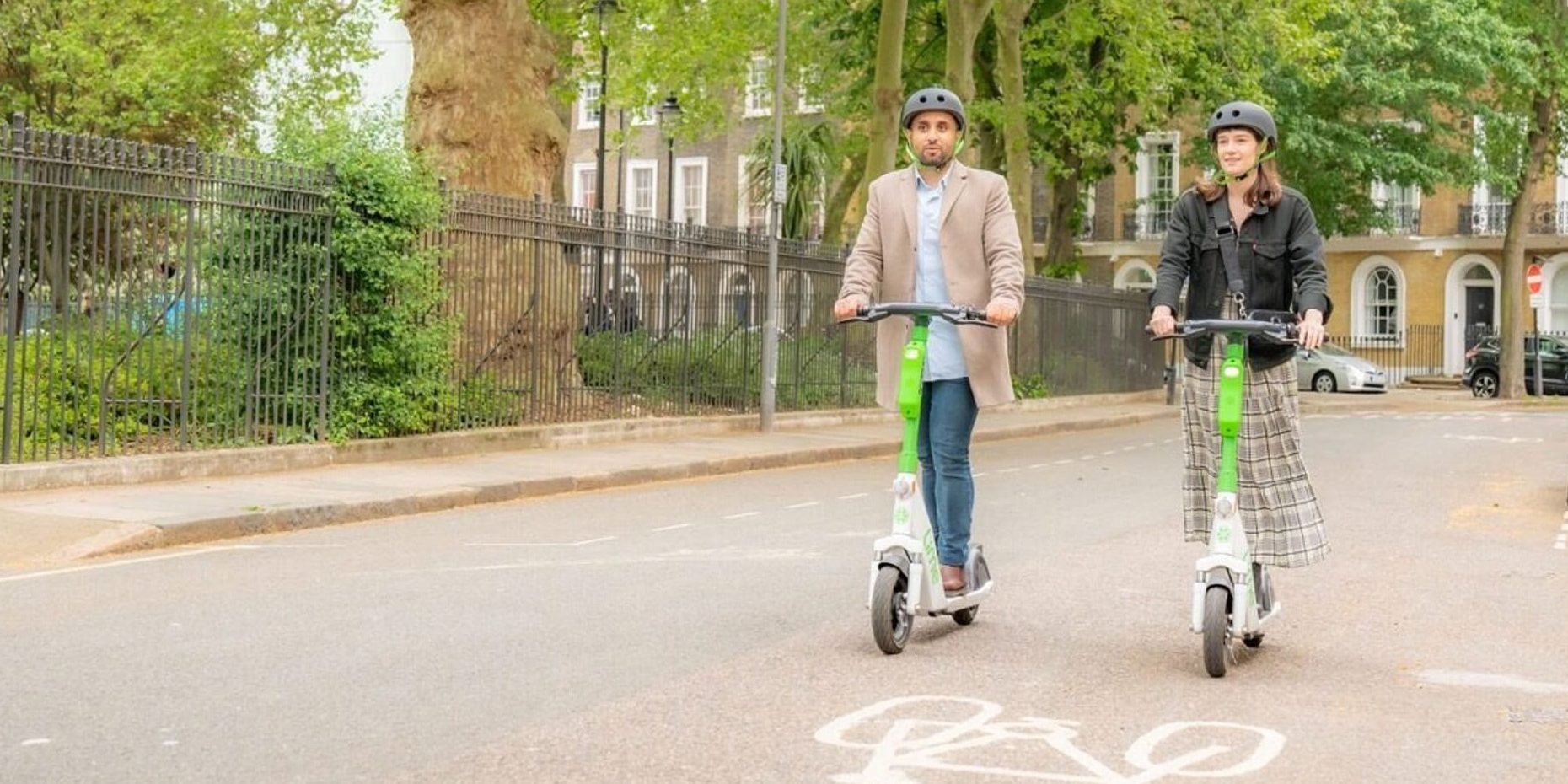

The King’s Speech delivered on 13 May 2026 set out 37 pieces of legislation the government plans to bring forward over the new parliamentary session, including a Railways and Passenger Benefits Bill, a Taxi and Private Hire Vehicle Bill, a Highways (Financing) Bill, and reforms to the road safety regime that include lower drink-drive limits and mandatory eyesight tests for older drivers. One thing the speech did not contain was any commitment to legislate on private e-scooters. For the sixth year running, the legal status of the most popular new form of personal transport in Britain has been left exactly where it was: in limbo.
For drivers, the practical consequence is straightforward. The UK now has the highest number of privately owned e-scooters in any country that still classes their use on a public road as a criminal offence. They are not registered. They are not insured. Their riders do not need a licence. They are illegal to use anywhere except private land. None of that has stopped them, and none of it is going to change before parliament next sits in 2027.
How Britain Ended Up Here
Private e-scooters fall foul of UK road law for an oddly technical reason. The Road Traffic Act 1988 defines a “motor vehicle” as a mechanically propelled vehicle intended or adapted for use on roads. The courts have ruled, repeatedly, that private e-scooters meet this definition. That brings them inside every requirement the Act imposes on motor vehicles: registration with the DVLA, vehicle excise duty, an MOT once a vehicle reaches a certain age, valid third-party insurance under the Road Traffic Act, and a driving licence appropriate to the vehicle category.
The catch is that none of those things can actually be done. There is no DVLA registration category for a private e-scooter. There is no insurance product, because the major underwriters will not write a policy for a vehicle that cannot be plated or identified. There is no driving licence category. The Road Vehicles Lighting Regulations 1989 do not contain a workable specification for e-scooter lighting. A rider who tries to comply with the law has nothing to comply with, and a rider who does not try is committing several criminal offences at once, with a penalty of up to six points and a fine of up to £1,000.
The current legal trial of rental e-scooters, run by the Department for Transport since July 2020, sidesteps this by exempting trial vehicles from the requirement to register or insure as a motor vehicle, on the basis that the trial operator carries fleet insurance and operates under a council contract. Those trial vehicles are limited to 15.5mph, geofenced to specific areas, and required to be ridden by users with a provisional licence. Voi, Lime, Tier-Dott, and a handful of smaller operators run schemes under this framework in around 30 UK cities.
That trial was originally due to end in 2021. It has now been extended five times. The latest extension runs to May 2028, by which point the trial will have run for eight years.
What the King’s Speech Left Out
The transport portfolio in the 13 May speech ran to several lines. Great British Railways gets its own bill. The Lower Thames Crossing, the £10.6 billion twin-tunnel project linking Essex and Kent under the M25’s eastern flank, will get the Highways (Financing) Bill to unlock private funding. The Taxi and Private Hire Vehicle Bill will harmonise rules across England and Wales and tighten safety requirements. The Road Safety Strategy commitments, including the new mandatory eyesight tests for drivers over 70 and the proposal to bring the English drink-drive limit down to Scotland’s 50mg per 100ml, are pencilled in for legislation later in the session.
E-scooters are not in there. The omission is not an oversight. The Department for Transport said in 2024 that it intended to bring forward legislation “when parliamentary time allows”, and that wording has now appeared three times across two governments. CoMoUK, the shared transport charity, called the absence “a significant blow that will prolong uncertainty and deter investment”. Lime, Voi, Bolt and several trade and environmental groups signed an open letter ahead of the speech warning that the continuing delay was having “a significant adverse impact on investment”. The UK remains the only country in Europe that has not legalised private e-scooters in some form.
Why Drivers Should Care
This is not someone else’s problem. The continuing legal grey zone has direct consequences for anyone who drives a car or a van.
If a driver is hit by an uninsured e-scooter rider, the Motor Insurers’ Bureau Untraced Drivers’ Agreement and Uninsured Drivers’ Agreement provide a backstop for personal injury claims, but the scheme has historically pushed back hard against vehicle damage claims under the £400 minimum excess and the requirement to identify the responsible rider. The Association of British Insurers estimated last year that uninsured e-scooter incidents had pushed up the average car insurance premium by around £15 per year for every honest driver, a sum that scales rapidly across 33 million UK driving licences.
For collisions involving an e-scooter rider who is hurt, the picture is worse for the rider. A car driver’s insurance will pay out for third-party injury, but the rider is technically committing an offence by being on a public road, which complicates contributory negligence claims and can void any element of cover that the rider thought they had through home insurance or a credit card travel policy.
There is also the question of road behaviour. Trial scooters are governed by terms of service that mirror road traffic law. Private scooters are not. Riders weave through traffic, jump red lights, use pavements, and operate at speeds higher than the 15.5mph trial limit because nothing in the way the law is currently framed gives them a reason not to. Police forces have powers to seize private scooters under section 165 of the Road Traffic Act, and forces including the Metropolitan Police and West Midlands Police have run high profile seizure operations, but the courts and the impound system are not designed to absorb a flow of low-value vehicles owned by people who have, in many cases, no insurance to be liable on.
What Drivers Can Do Now
Drivers who share roads with private e-scooters should know three things. First, your car insurance does cover you for third-party injury and damage if you collide with an e-scooter rider, in the same way it covers a collision with a cyclist, but the excess and policy terms apply normally. If you are involved in an incident, exchange details if you safely can and report it to the police on 101, or 999 if anyone is injured, within the time limits set by the Road Traffic Act.
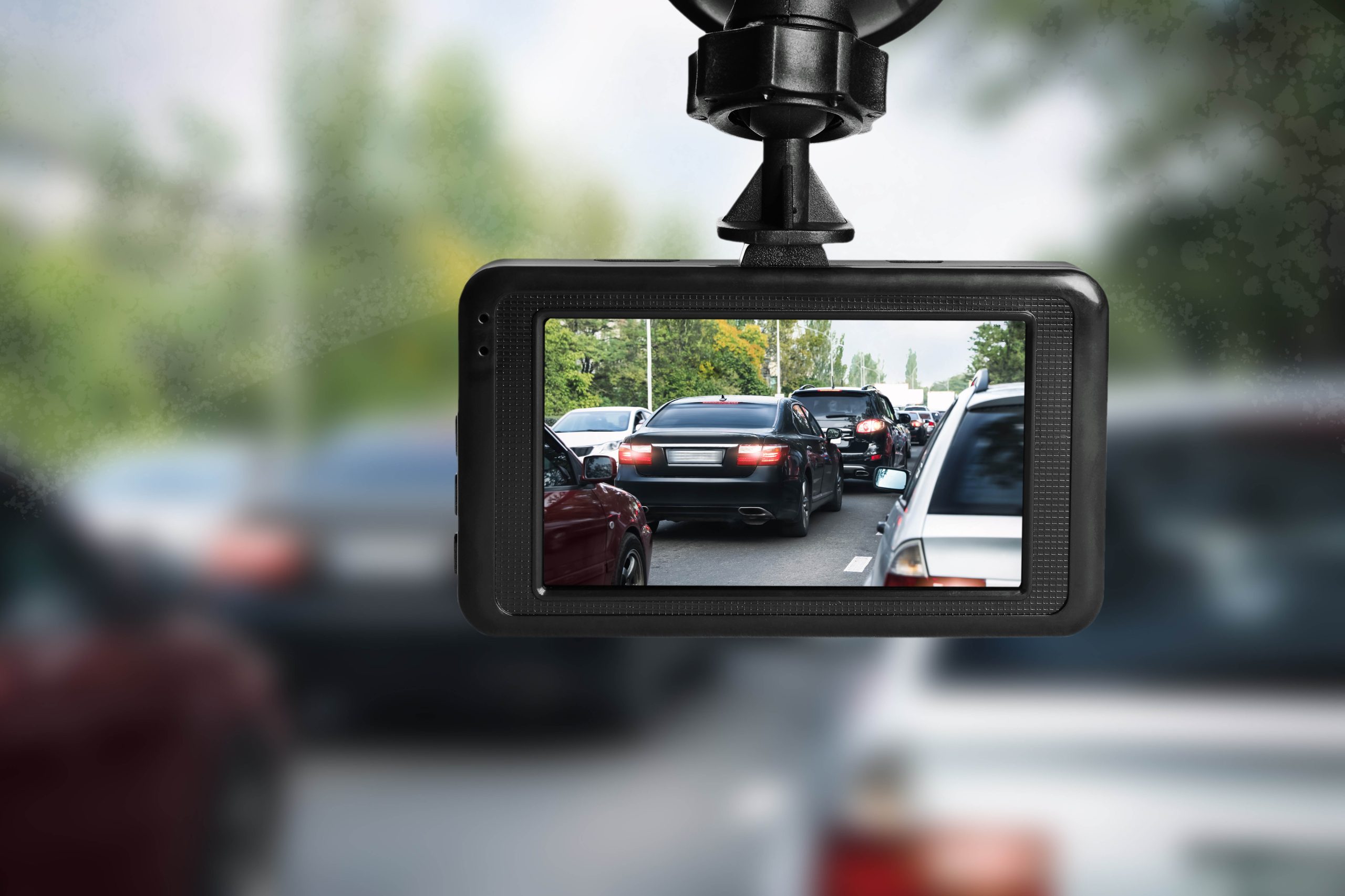
Second, dashcam footage matters. The MIB and your insurer will both rely on video evidence to establish fault. Any collision involving a vehicle whose rider may not be insured is more likely to require evidence beyond the rider’s own account.
Third, if a private e-scooter is being used dangerously near you, you can report it to the police directly. The Crime and Policing Act has expanded the seizure powers available to officers, and most forces now operate a non-emergency online reporting channel for road traffic concerns. The Metropolitan Police, Greater Manchester Police, and West Yorkshire Police all publish dedicated reporting routes for illegal e-scooter use.
The Industry Response
E-scooter operators have responded to the King’s Speech omission by stepping up their public advocacy. Lime, the largest rental operator in the UK, said in a statement that “another year of delay risks falling further behind every other major European economy”. Voi pointed to the safety record of regulated trial scooters and argued that legalising private use under similar speed and lighting standards would reduce the number of unregulated machines on the streets, rather than increase the total.
The Parliamentary Advisory Council for Transport Safety has taken a different view. It has urged ministers to wait until the trial data is fully analysed before legalising private use, on the basis that the existing evidence on collision rates and injury severity is patchy and that any rushed legislation would lock in standards that could prove dangerous. The British Medical Association, citing emergency department admissions data, has called for any future legalisation to be paired with mandatory helmets, a minimum age of 16, and a maximum design speed of 15.5mph.
What Happens Next
With no bill in the King’s Speech, the earliest realistic point at which e-scooter legislation could now appear in Westminster is autumn 2027, after the next King’s Speech opens a new session. That assumes the government chooses to act then; nothing in the current parliamentary timetable requires it to. The trial framework runs to May 2028 in any case, and ministers have the option to extend it again under the existing Road Traffic Act powers if they decide a sixth extension is needed.
For drivers, that means the status quo continues. Private e-scooters remain illegal to use on public roads. Many people will continue to use them anyway. Police will continue to seize them at modest rates. The insurance industry will continue to absorb the cost of incidents that cannot be recovered from an identifiable third party, and that cost will continue to land on premium-paying drivers. None of that was changed by the speech on 13 May, and none of it will change until parliament finds the time it has now spent six years failing to find.
Sources:

Leave a Comment
More in News

How Long Does It Take to Get Your Tires Changed?
Zapmap Data Shows EV Drivers Pay Almost 800 Percent More to Charge in Public

Electric Car Owners Pay £46 More a Year to Insure, MoneySuperMarket Reveals
Why Dashcam Footage Could Decide Your Insurance Claim (and How to Submit It)

HMRC Tax Change Costs Pickup Truck Drivers Up To £2,000 More a Year
Trending on Motoring Chronicle

California Expands Mobile Driver’s Licenses to 24 Million Residents Under New Law

Why GAP Insurance Paid Back As Little As 7 Percent of What Drivers Spent
Car Insurance Averages $142 a Month as Connecticut Tops $161

Ford Recalls 91,198 F-150 Trucks Over Running Lights That Refuse to Dim
