
What Really Happens When Your Electric Car Reaches 0%?
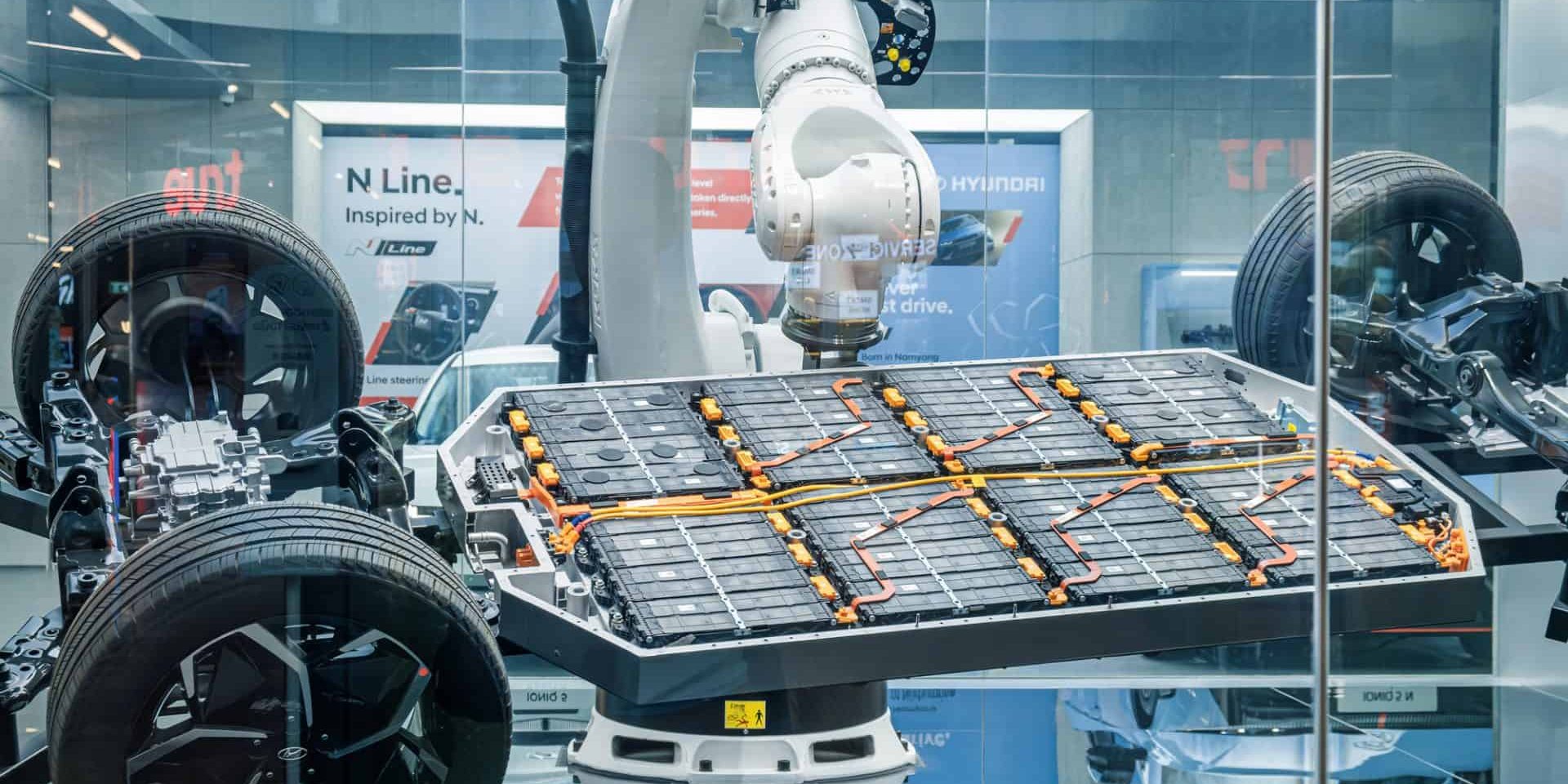
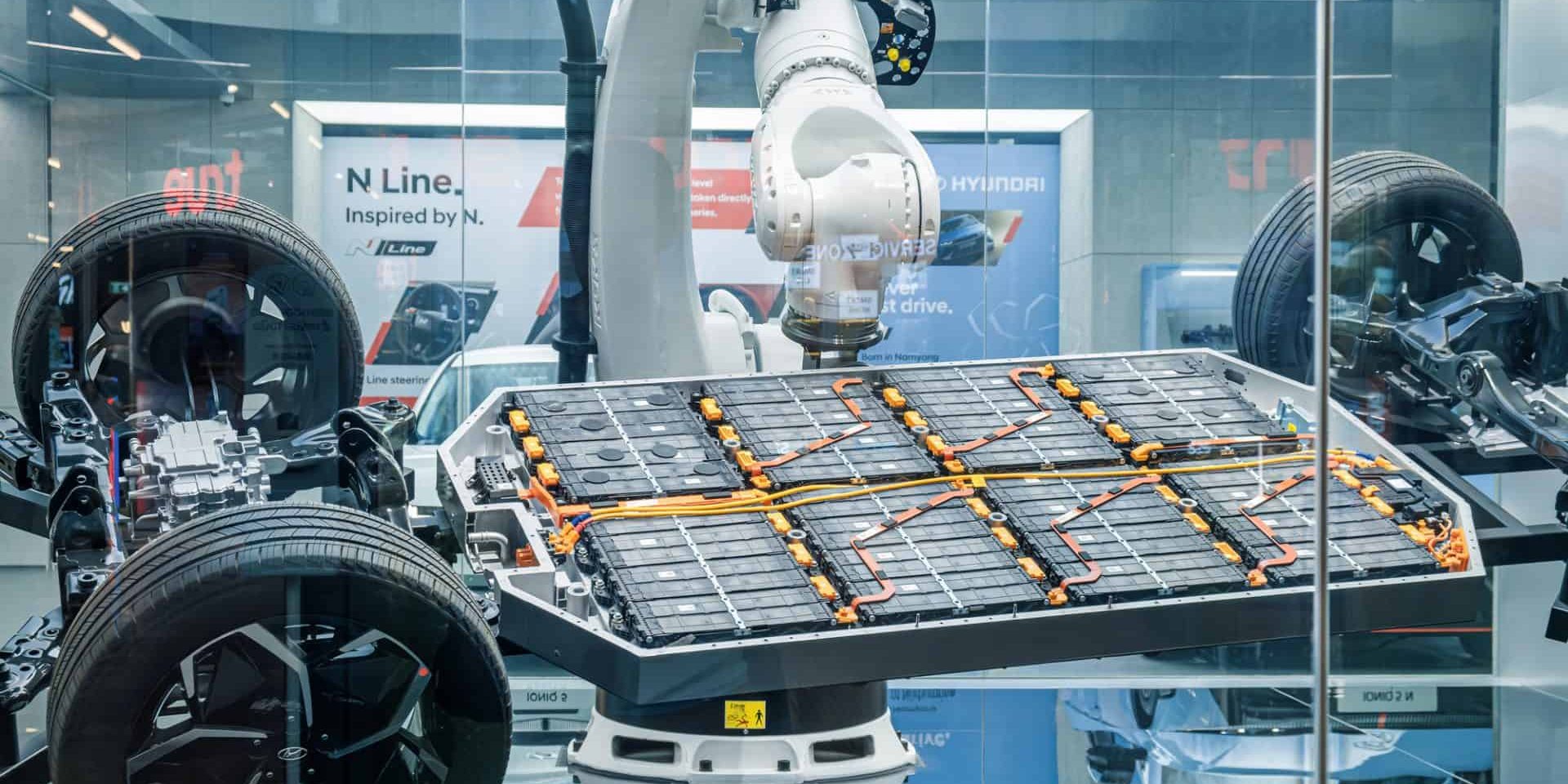
When an EV displays 0 percent, the battery still holds a hidden reserve of 5 to 10 percent capacity. The battery management system keeps this buffer to protect cells from deep discharge damage. Before reaching zero, the car enters turtle mode, limits speed, and shuts off non-essential systems. Most EVs can still travel 5 to 15 miles after the display reaches zero.
What Is the Sequence of Events as the Battery Drains?
The low battery warnings
Most EVs begin issuing range warnings when the battery drops below 15 to 20 percent. The dashboard displays a low-battery alert, and the navigation system typically offers to route you to the nearest available charger. At this stage, the car drives normally. All systems remain fully operational, and the full performance of the electric motor is still available.
As the battery drops below 10 percent, the warnings become more insistent. Some vehicles display a persistent pop-up on the infotainment screen. Others flash the battery icon or change the charge gauge colour from green to amber and then to red. Tesla displays a message stating that charging is needed and begins limiting regenerative braking strength to preserve the remaining energy. The navigation system recalculates to prioritise the closest charger regardless of the original destination.
At around 5 percent, several manufacturers begin reducing non-essential power consumption automatically. Climate control output is reduced or switched off entirely. Heated seats, heated steering wheel, and audio system power are curtailed. The car is prioritising every remaining watt of energy for propulsion, steering, and braking. The driver is being given every possible mile to find a charger before the car takes more drastic action.
Turtle mode activation
When the battery reaches a critically low level, typically between 0 and 3 percent displayed charge, the car enters what drivers call turtle mode. The name comes from the small turtle icon that appears on the dashboard of many EVs (Hyundai, Kia, and Chevrolet all use this symbol) to indicate that the vehicle is operating in a severely limited state. Tesla does not use the turtle icon but displays a message that the car is entering reduced power mode.
In turtle mode, maximum speed drops to between 5 and 15 mph depending on the vehicle. Acceleration is restricted to the bare minimum needed to keep the car moving. Climate control is fully disabled. The car can still be steered and braked normally, but it can no longer accelerate to highway speeds or maintain normal traffic flow. The purpose is to give the driver enough remaining range to pull off the road safely, reach a nearby charger, or get to a location where roadside assistance can reach them.
The distance available in turtle mode varies. Real-world tests across multiple vehicles show a range of 5 to 15 miles after the display reaches 0 percent, with the variation depending on speed, gradient, temperature, and the specific vehicle’s buffer calibration. Driving slowly on a flat road in mild weather gives the best results. Climbing a hill in cold weather with headlights on drains the buffer faster. This reserve is not designed to be used as a regular extension of range. It exists as a safety margin for the driver to reach help.
Complete shutdown
Once the buffer is exhausted, the battery management system disconnects the high-voltage pack from the drive motor to prevent the cells from reaching a dangerously low voltage. The car decelerates and comes to a stop. Power steering assist and brake boost remain available for the final moments of deceleration as stored energy in the vehicle’s systems is consumed, but once the car is stationary, these systems also go offline.
The 12-volt auxiliary battery continues to power hazard lights, door locks, and the vehicle’s electronic control modules for some time after the main battery shuts down. This 12-volt system is separate from the high-voltage drive battery and allows the driver to activate hazard lights, lock and unlock the doors, and operate the windows even after the car can no longer move. The 12-volt battery will eventually drain too if the car is left unpowered for an extended period, at which point the vehicle becomes completely inert.
At this point, the car needs either a mobile charger brought to its location or a flatbed truck to transport it to a charging station. The car cannot be towed conventionally (with the driven wheels on the ground) as this forces the electric motor to spin without lubrication from the active cooling system, risking permanent damage to the motor and reduction gears. All EVs must be transported on a flatbed or with the driven axle lifted clear of the road.
Does Running to Zero Damage the Battery?
The hidden buffer protects the cells
The displayed 0 percent is not the battery’s true empty state. The battery management system reserves 5 to 10 percent of the pack’s total capacity below the displayed range, hidden from the driver and inaccessible through normal driving. On a 75 kWh battery pack, this buffer represents approximately 4 to 7.5 kWh of stored energy, enough to keep the cells above the voltage threshold where chemical damage begins.
Lithium-ion cells suffer irreversible damage when their voltage drops below a critical minimum, typically around 2.5 volts per cell for NMC chemistry and 2.0 volts for LFP. Below this threshold, copper from the anode current collector dissolves into the electrolyte and deposits on the cathode, creating internal short circuits that permanently reduce the cell’s capacity and can create safety risks. The buffer ensures the cells never reach this voltage during a normal discharge-to-zero event.
A single rundown to the displayed 0 percent, followed by timely charging, causes no meaningful damage to a modern EV battery. The cells experience a deep discharge within their designed operating range, and the BMS has managed the process to keep them safe. EV battery longevity data from fleet studies shows no statistically significant capacity difference between vehicles that have experienced occasional deep discharges and those that have not.
The real risk is prolonged storage at zero
The danger comes not from reaching 0 percent but from leaving the car at 0 percent for days or weeks without charging. Lithium-ion cells self-discharge slowly over time, losing roughly 2 to 3 percent of their charge per month at room temperature. A car parked at the displayed 0 percent is actually sitting at 5 to 10 percent true state of charge. Over weeks, that hidden reserve drains through self-discharge, and the cells creep toward the damaging low-voltage territory that the buffer was designed to prevent.
If the car sits long enough at near-zero, the 12-volt auxiliary battery also drains as it powers the vehicle’s always-on electronic modules (security system, keyless entry receiver, cellular modem). Once the 12-volt battery dies, the car cannot wake up to communicate with a charger, and recovery becomes more complicated, requiring a jump-start of the 12-volt system before the high-voltage pack can accept a charge.
The practical advice is simple: if you run to 0 percent, charge the car as soon as possible. Do not leave it sitting dead for more than a day or two. If you are storing a vehicle for an extended period (weeks or months), leave it at 50 to 60 percent state of charge and arrange for periodic charging to maintain that level. Most EVs have a “storage mode” or scheduling feature that manages this automatically when plugged in.
What Should You Do If Your EV Runs Out of Charge?
Immediate steps
When turtle mode activates, your priority is to get off the road safely. Signal and move to the left lane (UK) or right shoulder (US) if on a motorway. Activate your hazard lights. If the car stops in a traffic lane, set hazard lights, place a warning triangle behind the vehicle if you have one, and move to a safe position away from traffic.
Call your manufacturer’s roadside assistance number (included with most EVs for the first few years of ownership) or your breakdown provider. Inform them that you have an electric vehicle that has run out of charge. This is important as it determines the type of recovery vehicle sent. A standard tow truck cannot safely recover most EVs. A flatbed or a truck equipped with a mobile charger is required.
Many breakdown providers, including the AA and RAC in the UK and AAA in the US, now carry mobile EV chargers capable of adding 10 to 15 miles of range at the roadside. This is often enough to reach the nearest fast charger. The mobile charge takes 15 to 30 minutes to deliver enough energy to get moving again. If no mobile charger is available, the vehicle is loaded onto a flatbed and transported to the nearest charging location.
Avoiding the situation
Running out of charge in a modern EV takes considerable effort to achieve. The car provides multiple warnings over the final 20 percent of range. The navigation system offers charger routing. Turtle mode gives a final margin of 5 to 15 miles. The most common cause of a genuine range-empty event is ignoring all these warnings on an unfamiliar route, misjudging range in cold weather, or arriving at a planned charging stop to find the charger out of service.
Keeping a charging app such as Zap-Map (UK), PlugShare, or A Better Route Planner installed gives real-time charger availability, so you can reroute to an alternative if your planned stop is offline. Charging to 100 percent before a long trip gives the maximum available range and the largest margin for unexpected detours. In cold weather, reduce your expected range by 20 to 30 percent from the displayed estimate and plan charger stops accordingly.
The 10-to-80 percent fast charging strategy works for planned long journeys, but if the infrastructure is sparse or unreliable, charging to 100 percent and departing with full range gives a safety buffer that makes the difference between reaching the next charger comfortably and entering turtle mode on a motorway hard shoulder.
EV Battery FAQs
What happens when an electric car battery reaches 0 percent?
The car first enters turtle mode, limiting speed to 5 to 15 mph and disabling non-essential systems. A hidden reserve of 5 to 10 percent of total capacity protects the cells from deep discharge damage. After the reserve is exhausted, the drive motor shuts down and the car decelerates to a stop. The 12-volt auxiliary battery keeps hazard lights and door locks operational.
Can you damage an EV battery by running it to zero?
A single discharge to the displayed 0 percent does not cause significant damage. The hidden buffer keeps the cells above their critical minimum voltage. Leaving the car at 0 percent for days or weeks risks damage as the cells continue to self-discharge below the safe threshold. Charge the car as soon as possible after a rundown event.
How far can you drive an EV after it shows 0 percent?
Most EVs can travel 5 to 15 miles after the display reaches 0 percent, depending on speed, terrain, and temperature. The car operates in turtle mode with severely limited speed and no climate control. This reserve exists for safety, not as regular driving range.
What should you do if your EV runs out of charge?
Pull over safely, activate hazard lights, and call roadside assistance. Specify that you have an electric vehicle. The car must be transported on a flatbed, not towed with driven wheels on the ground. Many breakdown services carry mobile chargers that can add enough range to reach the nearest charger.
Does running out of charge void the EV warranty?
No. The battery management system is designed to handle this scenario, and the hidden reserve protects cells from warranty-relevant damage. A single event will not affect coverage. Repeated deep discharges over many cycles could contribute to faster degradation but would not void the warranty.
Sources

Leave a Comment
More in News
What Colour Is the Positive Battery Cable?

Used Car Complaints to the Motor Ombudsman Jumped 14 Percent Last Year
Why the FCA Found GAP Insurance Pays Out Just 6 Percent in Claims

DVSA Roadside Checks Caught 28,837 Dangerous Cars as Enforcement Fell 9 Percent

How Long Does It Take to Get Your Tires Changed?
Trending on Motoring Chronicle

Kansas Turnpike Tolls Rise Today as Truckers Pay 4% More for a $500 Million Upgrade

Urban Automotive redefines the Mercedes-Benz G-Wagon W465 with next-generation Widetrack and Aero Kit styling programmes [Photo Gallery]

NHTSA Flags 168,149 Nissan Armada and Infiniti SUVs for Overload Risk

Bugatti Develops Bespoke Michelin Tires for the 1,800 PS Tourbillon Hypercar
