
Winter tyres vs all season tyres, what matters
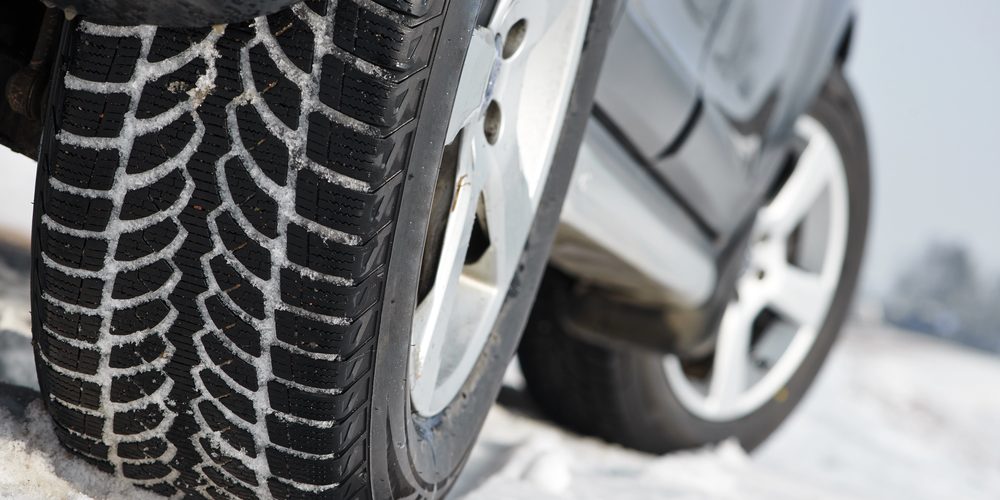
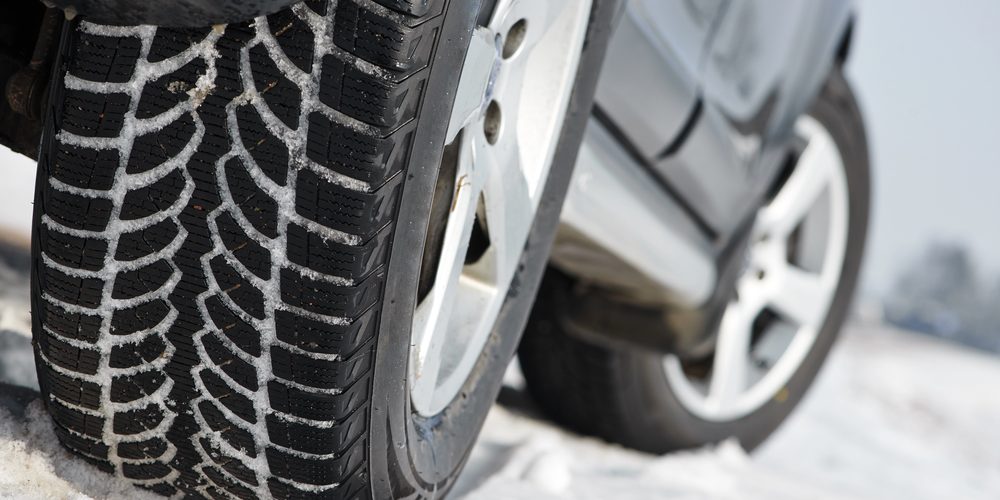
Winter tyres offer superior grip and safety in snow, ice, and cold (below 7°C) due to softer rubber and aggressive treads with sipes, but wear quickly and perform poorly in warm weather; all-season tyres are a convenient, year-round compromise for mild climates, providing decent performance in various conditions but lacking true winter capability, making them best for moderate climates or infrequent winter driving. What matters most is your local climate, driving frequency, and tolerance for risk versus cost and effort, with winter tyres essential for harsh winters and all-seasons best for mild ones.
Winter Tyres
- Best For: Harsh winter conditions (heavy snow, ice, freezing temps).
- Pros: Excellent traction and braking in cold, snow, and slush; softer rubber stays pliable.
- Cons: Wear out fast in warm weather, poor handling in heat, extra cost for seasonal changes and storage.
- Key Feature: High silica content, deep treads, many sipes (small cuts) for grip.
All-Season Tyres
- Best For: Moderate climates with mild winters, varied conditions.
- Pros: Convenient year-round, good grip in warm/wet/dry, durable, cost-effective.
- Cons: Compromised grip and handling in severe snow or extreme cold compared to winter tyres.
- Key Feature: Harder rubber compound for durability, general-purpose tread.
What to Consider
- Temperature: Switch to winter tyres when temps consistently drop below 7°C (46°F).
- Climate: If you see heavy snow and ice regularly, winter tyres are safer; if winters are mild, all-seasons are fine.
- Driving Habits: For frequent long journeys in snowy areas, winter tyres are recommended; for short trips in moderate areas, all-seasons suffice.
- Cost vs. Safety: Winter tyres are an investment in safety for harsh conditions, but require extra expense and effort.
What tyre grip really is
Tyre grip comes from two things working together.
Mechanical keying, where the tread edges and sipes bite into surface texture, snow, or slush.
Adhesion and hysteresis, where the rubber compound deforms into micro texture and generates friction through controlled flex.
Cold weather attacks the second mechanism. Rubber stiffens as temperature drops. Stiffer rubber deforms less, so it struggles to key into texture and it sheds grip earlier under braking and cornering. Winter tyres tackle that with a cold focused compound.
Compound is the first big divider
Winter tyre compound behaviour
Winter tyres use a compound engineered to stay soft and flexible at low temperatures. That pliability supports traction, steering response, and braking on cold asphalt, snow, and slush.
The trade is warm weather performance. A winter compound softens further once temperatures rise. That soft feel reduces precision, increases tread squirm, and accelerates wear on warm roads.
All season compound behaviour
All season tyres sit between summer and winter compounds. They run a harder compound than winter tyres, which helps durability and reduces wear. They also harden faster than a winter compound in very low temperatures, which limits braking and handling in extreme winter conditions.
Tread design is the second big divider
Why winter tread looks busy
Winter tyres use deeper grooves, higher void ratio, and heavy siping. Each sipe creates extra biting edges. Those edges grip snow and slush, then keep working on cold wet roads where surface water and micro ice reduce friction.
Snow traction also has a counterintuitive feature. Snow can grip snow. A winter tread that packs and releases snow in a controlled way can build traction that a smoother tread cannot match.
Why all season tread looks calmer
All season tyres use a more general tread pattern. They aim for stable handling in dry and wet conditions, plus acceptable traction on light snow. They do not carry the same winter specific tread focus, so deep snow and ice remain a weak point.
The 7 degrees C rule, what it really means
A common switching guideline uses 7 degrees C as a threshold. Once temperatures stay near that level, winter tyres start to show their value on cold roads, even without snow on the ground.
Treat this as a planning cue, not a magic line. Road temperature often runs lower than air temperature overnight and in shade. A cold morning commute can sit in winter tyre territory even if the afternoon warms up.
Braking is where the choice pays out
Cold wet braking
Cold wet roads reduce friction through water film plus reduced compound flexibility. Winter tyres keep compound compliance, which supports shorter stopping distances and better stability under threshold braking in winter conditions.
All season tyres remain competent in mild wet conditions, yet their braking and handling in severe winter conditions trails a winter tyre.
Snow and ice braking
Snow grip needs edges and compound flexibility. Ice grip needs micro edge engagement plus predictable breakaway. Winter tyres lean hard into both. All season tyres can manage light snow, yet heavy snow and ice expose the compromise quickly.
Handling, stability, and driver feedback
In cold weather, the best tyre is the one that stays consistent. A winter tyre tends to give a clearer steering response in cold conditions and a more predictable limit on slush and packed snow, linked to the compound and siping strategy.
In warm weather, winter tyres lose that crispness. The softer tread blocks move more under load. The car can feel less stable in quick lane changes and fast cornering. Wear climbs.
All season tyres hold shape better in warm conditions. That supports stable handling year round in mild climates, with the expected loss of winter performance at the harsh end.
Wear rate and the real cost picture
Winter tyres wear faster on warm roads. The compound is built for cold pliability, so warm tarmac accelerates tread wear.
All season tyres often last longer per kilometre in mixed use because the compound is harder than winter tyres. The overall cost equation still includes replacement rate, seasonal fitting costs, and storage space.
A practical way to think about cost is to separate it into fixed and variable parts.
Fixed effort
Storage space
Seasonal fitting time
Second set of wheels, if you want faster swaps
Variable wear
Winter tyre wear rate in warm spells
All season wear rate across the full year
Markings that matter
Three peak mountain snowflake symbol
This marking identifies tyres that meet a more stringent winter certification with objective snow performance testing under UNECE rules, recognised in many regions. It signals tested snow traction performance rather than marketing language.
M plus S marking
M plus S refers to a tread pattern and construction intended to perform better in snow than a regular tyre, yet it does not carry the same tested snow traction standard as the three peak mountain snowflake marking.
Laws vary by country and in some places the three peak mountain snowflake mark has become the defining requirement for winter use in certain periods. Check local rules before buying on price alone.
What matters most for your choice
Local climate and road temperature pattern
Winter tyres suit places with regular sub 7 degrees C conditions, frequent frost, repeated ice events, or consistent snow cover.
All season tyres suit milder climates where winter stays closer to wet and cool rather than snow and ice.
Your routes and how roads get treated
Urban routes with gritting and ploughing can reduce snow exposure. Rural routes, hills, and shaded lanes keep ice longer. A tyre choice that feels fine in a city can fail fast on untreated roads.
Driving frequency and trip length
Short trips in cold weather keep tyres cold, which amplifies compound differences. Long motorway runs generate heat, which narrows the gap in light winter conditions and widens the penalty of running winter tyres in warm spells.
Your tolerance for winter risk
If you drive early mornings, night shifts, school runs, or rural commutes, the cost of one low grip stop can outweigh the cost of a second set of tyres.
Fitting and setup rules that drivers miss
Fit winter tyres as a full set of four. Mixed grip front to rear can destabilise the car under braking and cornering.
Check pressures more often in winter. Air pressure drops as temperatures fall, and under inflation changes braking and handling.
Watch tread depth. Winter performance relies on tread volume and siping. A tyre with low tread depth loses snow and slush ability quickly, even if the legal limit still looks fine.
Simple decision guide
Choose winter tyres if most of these are true
Regular temperatures near or below 7 degrees C
Frequent frost, ice, slush, or snow
Rural roads, hills, shaded routes
Long winter mileage or early morning driving
Choose all season tyres if most of these are true
Mild winters with rare snow events
Mostly urban roads with winter treatment
Low winter mileage
Preference for one set year round
Winter Tyre FAQs
Are all season tyres safe in winter
All season tyres can work well in mild winter conditions and light snow. They do not match winter tyres in deep snow, ice, or sustained cold conditions.
When should I switch to winter tyres
A common guideline uses 7 degrees C as the point where winter tyres start to deliver clear benefits in cold conditions.
Why do winter tyres wear fast in warm weather
Winter tyre compounds stay soft in low temperatures. Warm tarmac increases tread movement and abrasion, which accelerates wear and reduces handling precision.
What marking should I look for on a winter tyre
Look for the three peak mountain snowflake symbol for tested snow performance under recognised standards.
Sources
Winter certification marking details and testing context reference the three peak mountain snowflake explanation and UNECE standardisation work.
Leave a Comment
More in News

The 35th Palm Beach Cavallino Classic concludes with record numbers
2026 Toyota C-HR Puts Sporty, Stylish Spin on the Compact Electric SUV
Nissan Murano named ‘Most Dependable’ Midsize SUV for second consecutive year

2026 Honda Civic Hybrid Wins Edmunds Top Rated 2026 Award

Bring a Trailer’s Online Auction Community Sees Record Growth in 2025
Trending on Motoring Chronicle

Porsche focuses on IMSA and Formula E

Heated Seats and Steering Wheels: What They Drain
Toyota’s All-Electric Lineup Gains Rugged, Powerful New bZ Woodland SUV

Cadillac reveals Elevated Velocity crossover concept [Photo Gallery]