
Why Some Electric Car Drivers Now Face a £640 Road Tax Bill From Year Two


For years the headline reason to buy an electric car was that it cost nothing to tax. That era is over. Since the rules changed, electric vehicles pay Vehicle Excise Duty (VED) like everything else, and a slice of EV owners now face a bill that can reach £640 a year once their car is past its first birthday. The reason is a charge originally designed for expensive petrol and diesel models that has now caught up with battery cars, and it catches out drivers who assumed going electric meant a free pass at the DVLA.
Here is exactly what electric car owners pay in 2026, who gets stung by the higher figure, and the steps that can keep your bill at the lower end.
What electric car drivers now pay
Electric cars lost their blanket VED exemption when the rules changed for vehicles registered from 1 April 2025, and 2026 is the first full year in which the effect is felt across the board. In the first year of registration an electric car pays the lowest first-year rate, currently £10, a token amount compared with the hundreds or thousands a high-emission petrol model pays in its opening year.
From the second year onwards, an electric car moves onto the standard flat rate that almost every car registered since April 2017 pays. That standard rate rose in line with inflation from £195 to £200 a year on 1 April 2026. So for the majority of EV drivers, road tax in 2026 means £10 in year one followed by £200 a year after that. That is the same figure a petrol or diesel owner pays, which is the whole point of the reform: the government wanted the tax system to stop treating electric cars as a special case as they became mainstream.
Drivers of electric cars first registered between 1 April 2017 and 31 March 2025 are also now paying the standard rate, having previously paid nothing. If you own an EV from that window and were not expecting a tax demand, this is why one arrived.
The Expensive Car Supplement explained
The £640 figure comes from a second charge stacked on top of the standard rate, known officially as the Expensive Car Supplement and informally as the luxury car tax. It applies to cars with a list price above a set threshold and is payable every year from the second year of registration for five years. For affected electric cars the supplement adds around £440 a year, which on top of the £200 standard rate produces a total annual bill of roughly £640 for years two to six.
The threshold is where electric car buyers caught a partial break. The supplement traditionally bit on any car with a list price over £40,000, a level that swept in a large share of EVs because battery cars tend to carry higher sticker prices than equivalent petrol models. Recognising that, the government raised the threshold to £50,000 for electric cars, lifting many popular family EVs out of the charge altogether. Cars priced above £50,000, however, still pay it in full.
One detail trips people up: the supplement is based on the list price when the car was new, including options, not the price you actually paid or the car’s value today. A nearly new EV bought second hand for £35,000 can still attract the supplement if its original list price was above the threshold. The figure that counts is the manufacturer’s published price at first registration.
Who is affected and by how much
The majority of electric car owners will not pay the supplement at all. A driver in a sub-£50,000 EV pays £10 in the first year and £200 a year thereafter, the same as a comparable petrol car. The drivers facing the £640 figure are those in larger or premium electric models with an original list price above £50,000, a group that includes many of the bigger electric SUVs and executive saloons on British roads.
To put it in cash terms over the period the supplement applies, an owner of a qualifying EV pays roughly £640 a year for five years, so around £3,200 in supplement-inflated VED across that stretch, before the bill drops back to the standard £200 once the five years are up. For a household budgeting the true cost of running an electric car, that is a meaningful sum that did not exist when EVs were tax free, and it is worth factoring in before signing for a higher-priced model.
How to keep your bill down
The most effective lever is the list price at purchase. If you are choosing between trims or adding options that would push an electric car’s published list price above £50,000, staying under that line avoids the supplement entirely and saves around £2,200 over five years. Checking the official list price, not the discounted or finance price, before you order is the single most valuable thing a buyer can do.
Beyond that, make sure you actually tax the car even though the first-year cost is only £10, because driving or keeping an untaxed vehicle on a public road risks penalties and clamping regardless of how small the duty is. You can check the exact rate for any specific vehicle and set up payment at gov.uk/vehicle-tax, and paying annually rather than by monthly direct debit avoids the small surcharge that the instalment option carries. If you run an electric car as a company vehicle, the separate Benefit-in-Kind tax rules still make EVs far cheaper than petrol equivalents, so the VED changes do not undo the workplace case for going electric.
The wider message for 2026 is that electric motoring is no longer a tax holiday, but for most owners the numbers remain modest at £200 a year. It is only the premium end of the market, above the £50,000 line, where road tax now climbs toward £640 and deserves a second look before you buy.
Sources:
- https://www.rac.co.uk/drive/electric-cars/running/electric-car-road-tax-guide-do-i-need-to-pay/
- https://www.rac.co.uk/drive/advice/buying-and-selling-guides/car-tax-bands-explained/
- https://www.gov.uk/vehicle-tax
- https://motoringchronicle.com/?p=44141
- https://motoringchronicle.com/?p=44108

Leave a Comment
More in News

Every Driver’s MOT Is Safer After DVSA Barred Rogue Testers In January

Is It Illegal to Have Lights On in Your Car?
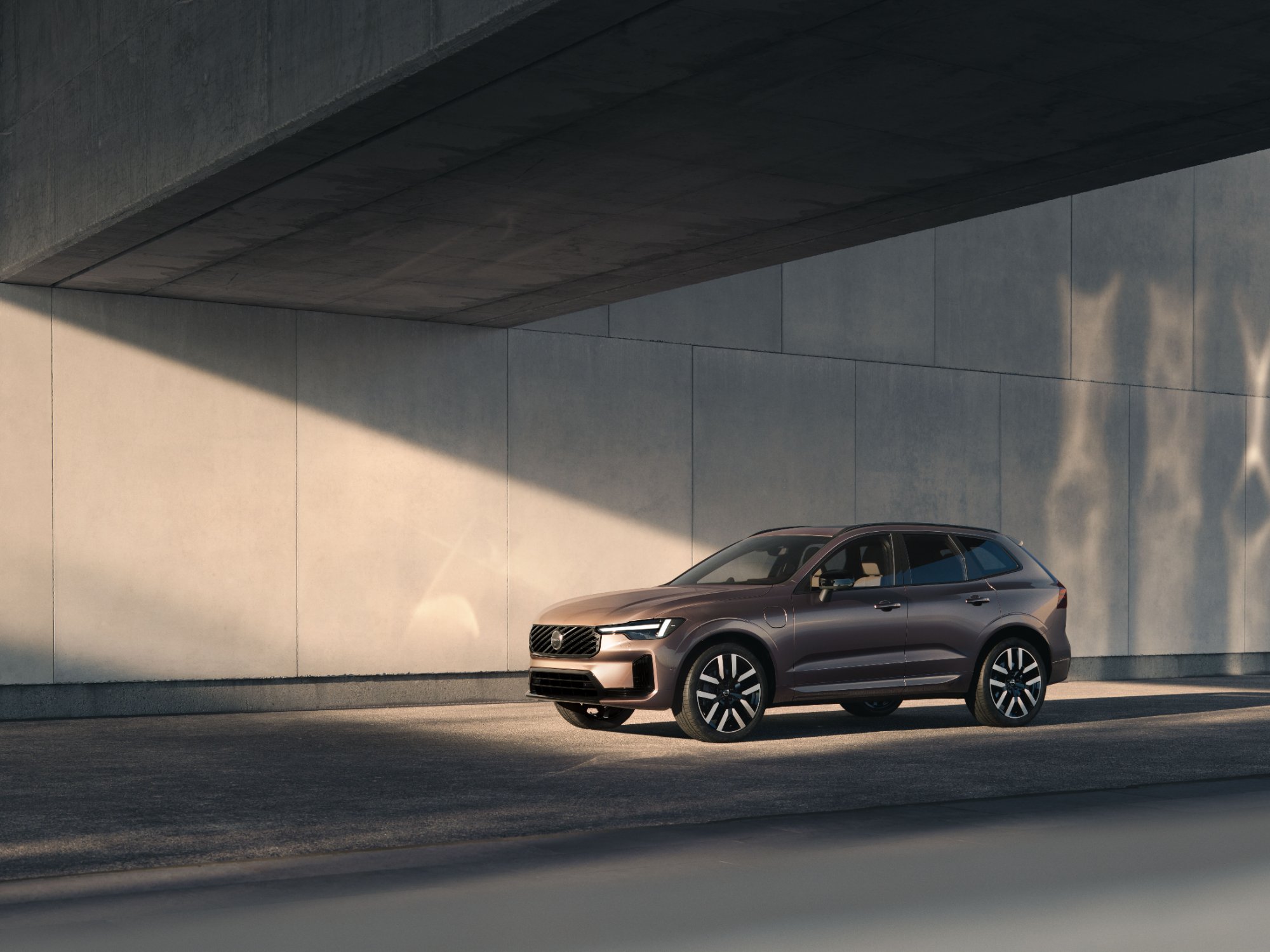
New Volvo XC60 and XC90 Plug-In Hybrids Offer Up to 78 Miles of EV Range

Electric Car Repairs Now Cost UK Drivers 19 Percent More Than Petrol Cars
What Actually Happens If You Skip a Car Service
Trending on Motoring Chronicle
Tax Trap: The Fake DVLA Refund That Just Tricked 1,100 Drivers In Two Weeks
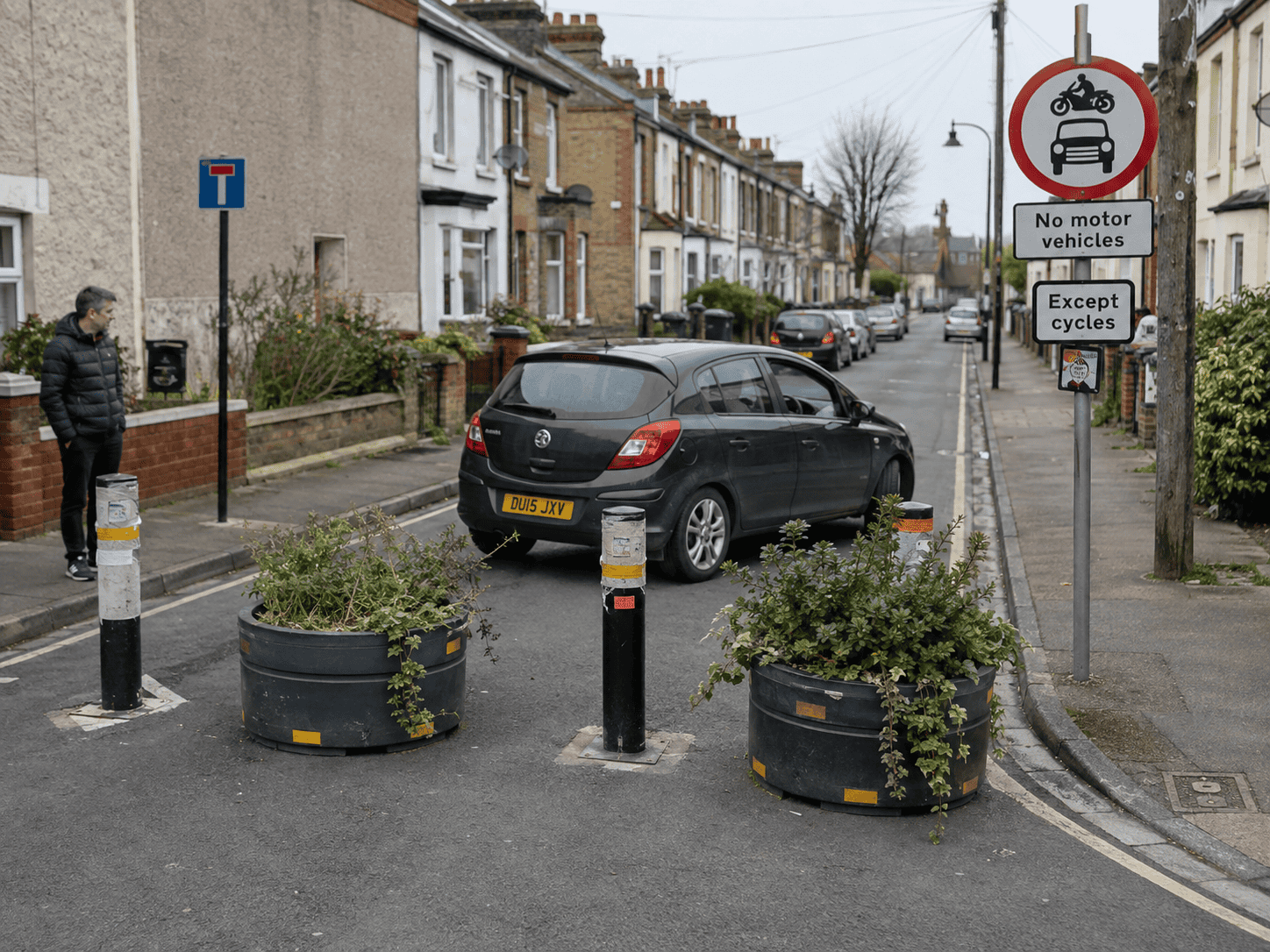
Croydon Made £7.2 Million From LTNs a Judge Ruled Existed Just to Raise Money

MG IM5 review: Sleek fastback EV is more than a match for the Tesla Model 3
Westminster Rejects Most Parking Appeals While Raising £68 Million a Year
