Toyota Maintains Top Automotive Spot in Annual U.S. Patent Ranking
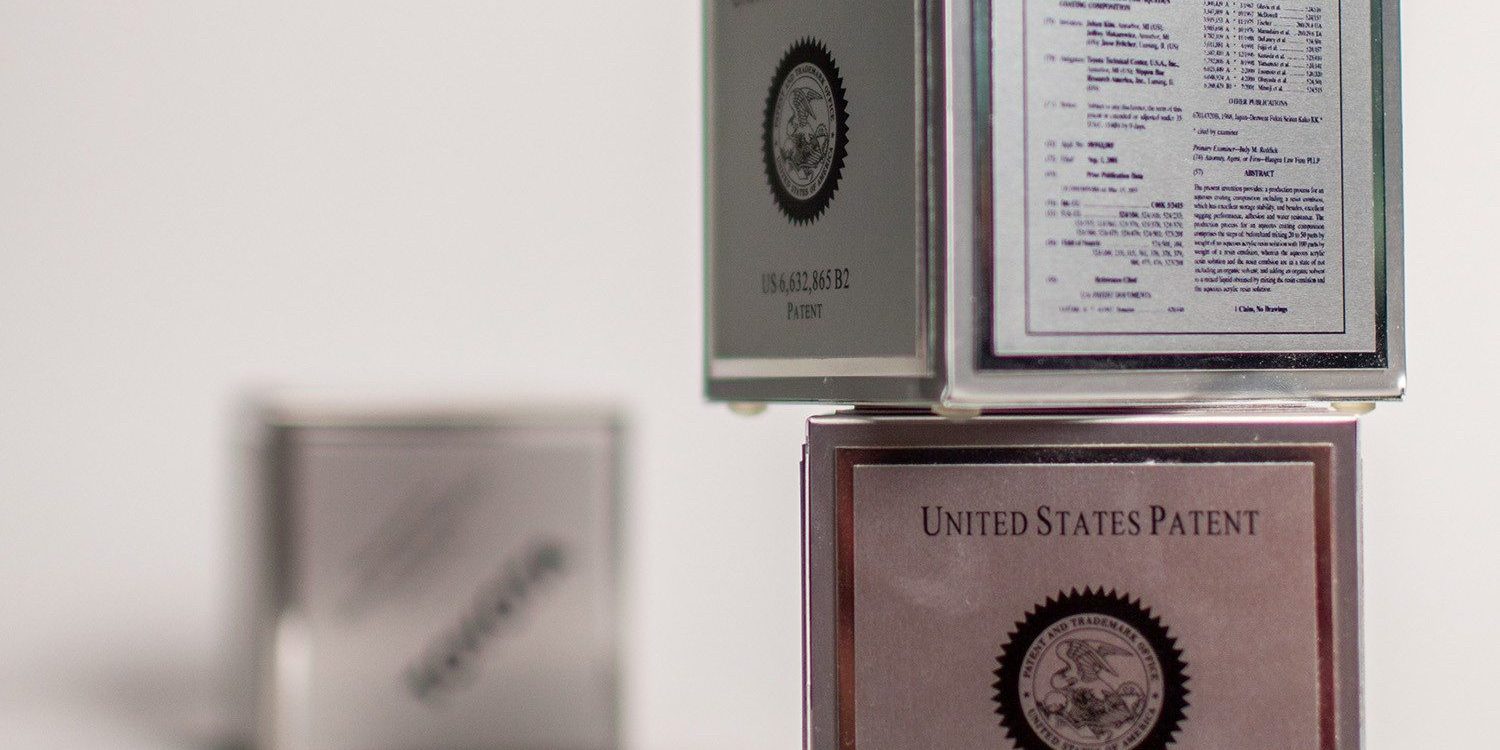
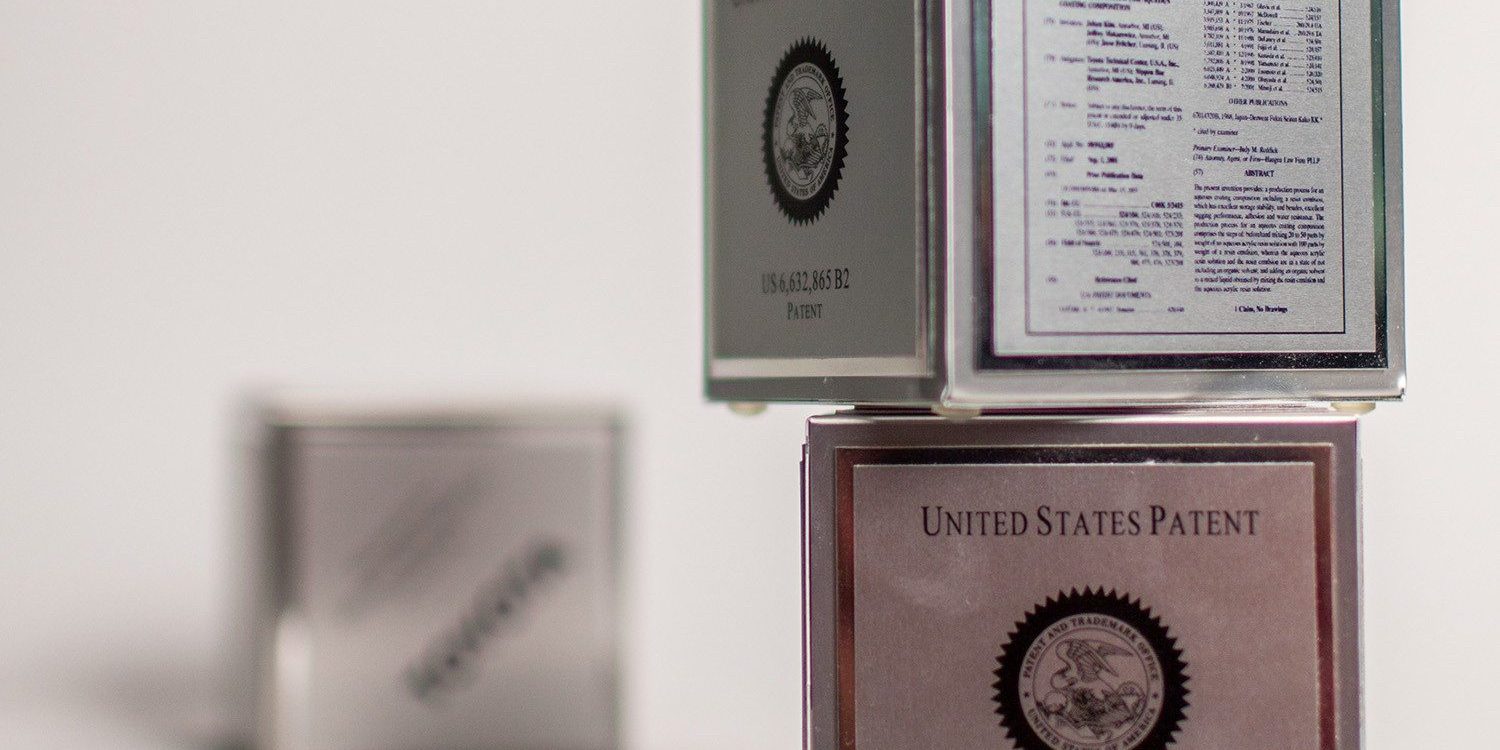
For the 11th consecutive year, Toyota has secured more patents from the United States Patent and Trademark Office (USPTO) than any other automotive company, according to the annual report by the Intellectual Property Owners Association (IPO). Toyota also remains in the top 10 among all patent recipients with 2,428 U.S. patents in 2024.
Toyota’s innovation led to patents in dozens of areas this past year including cybersecurity, driver assist technology, edge computing, electric and fuel cell vehicles, mobility as a service, manufacturing, materials, robotics, telematics and V2V/V2X connectivity.
“Toyota is evolving into a mobility company, and the breadth and depth of our patent acquisitions exemplify the wide range of invention that is taking place at our company,” said Sandra Phillips, senior vice president, Enterprise Integrity, chief sustainability officer and chief legal officer at Toyota Motor North America. “It’s a collective effort from every part of Toyota including contributions from North America R&D, Toyota Research Institute, Toyota Connected, Woven by Toyota and our manufacturing centers.”
“Toyota takes a strategic approach to patent filing, ensuring that we are building a portfolio of core technology and supporting future goals and objectives,” said Fred Mau, Intellectual Property (IP) counsel and director of Patent Licensing for Toyota IP Solutions. “We are securing a tremendous amount of new IP in growth areas of electrification, new materials and autonomous driving.”
Patents issued to Toyota in 2024 include:
- LiDAR Reflective Fabric – LiDAR-based obstacle detection and avoidance systems, most commonly used on autonomous vehicles, have historically not had effective visibility of black-colored items due to their lack of reflectivity. Toyota previously received a patent for a proprietary black pigment based on copper oxide nanocrystals that enable detection by LiDAR. Now, this pigment has been integrated into textiles that can be used in clothing, bags and apparel for improved LiDAR detection safety. INVENTORS: Michael P. Rowe, Songtao Wu, Debasish Banerjee, Charles R. Rutledge, Torin C. Peck and Michael Jones.
- Transport Energy Transfer using Real-time Cost Information – An electric vehicle (EV) with bi-direction power transfer capability is a useful source of distributed energy for the electric power grid. The power grid is not homogenous, and local supply-vs-demand imbalances are reflected in real-time electricity pricing at different locations at different times of the day. A bi-directional EV can charge and discharge power from/to the grid taking advantage of these local price differences. However, it becomes very difficult for the EV owner to track pricing and make decisions of when, where, and how much energy to charge or discharge. Toyota has developed a method to automate the tracking of this information and use it to optimize and recommend the time, location and amount of energy to charge and discharge for maximizing the energy value without impacting the mobility needs of the EV. This method is applicable to both commercial fleet vehicles as well as individual privately-owned vehicles. INVENTORS: Norman Lu and Maximilian Parness.
- Systems and Methods for Managing Cooperative Maneuvering Among Connected Vehicles – In order for automated vehicles to make future traffic more efficient, these vehicles will have to work together, or cooperate, by sharing their future plans through wireless communication. Depending on the traffic situation and the type of maneuver, an automated vehicle may ask different surrounding vehicles to cooperate. Toyota has created methods to select which vehicles are best to cooperate to produce more efficient and smoother flowing traffic. INVENTORS: Sergei S. Avedisov, Yashar Zeiynali Farid and Onur Altintas.
- Modular Fuel Cell System Architecture and A Control System for Distributing Power to The Modules – Hydrogen fuel cell systems represent an important technology for Toyota’s multi-pathway approach for reducing carbon emissions. Toyota is evolving this technology with a new architecture and control system that optimizes power distribution for maintaining efficiency, durability, drivability and/or safety of the system. This equalizes power draw on the battery and can extend battery life. INVENTORS: Christopher M. Bulpitt, Daniel Charles Folick, Jared Farnsworth, Andrew Sata, Arlo C. Eitzer, Laura E. Bower, Daniel K. Lim, Jonathan J. Sander, Luke A. Rippelmeyer, Scott A. Friedman and Takehito Yokoo.
Leave a Comment
More in News

Step by step guide: How to change a tire
A guide to charging your car battery

Boosting fuel efficiency, how to improve gas mileage in cars

Where Winter Becomes a Playground: Lamborghini Esperienza Neve Montebello 2026
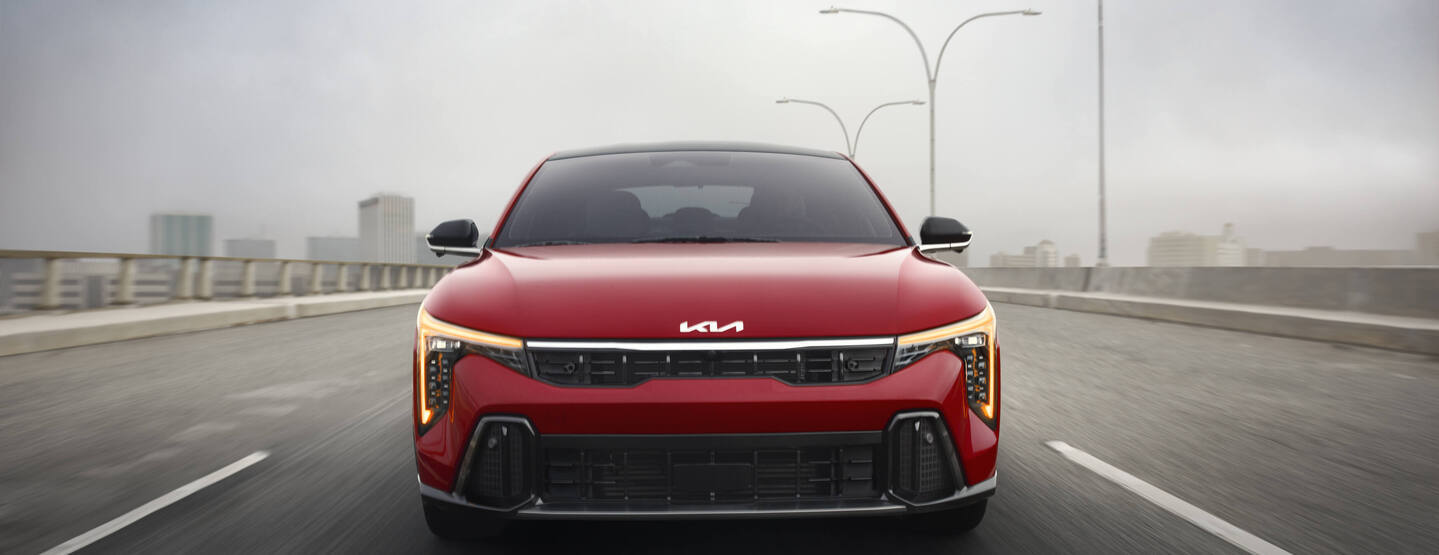
Kia K4 takes Motorweek’s 2026 Drivers’ Choice Award for Best Family Car
Trending on Motoring Chronicle
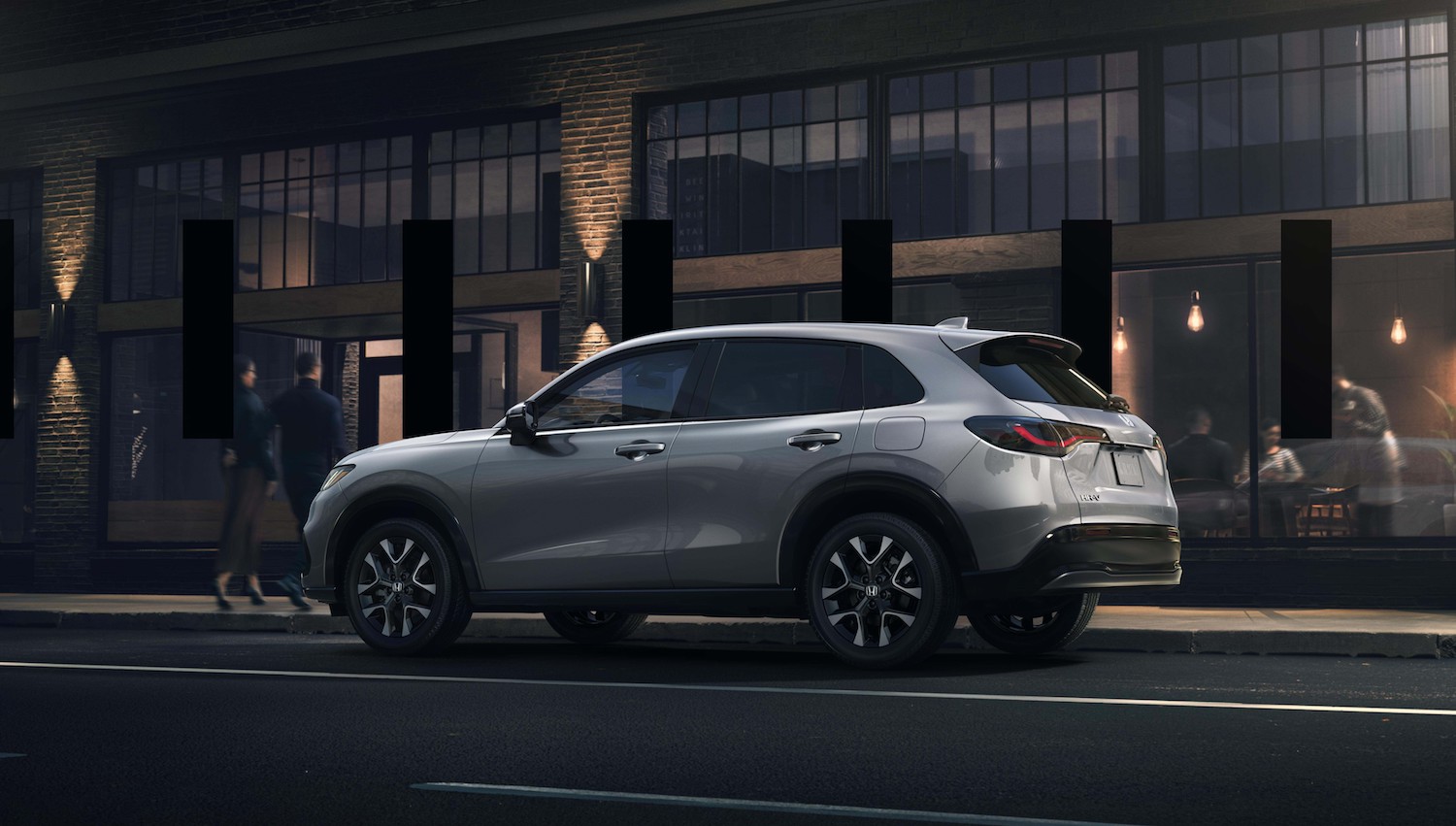
2026 Honda HR-V Debuts New Styling and Tech Upgrades to Grow Popularity with Young Buyers
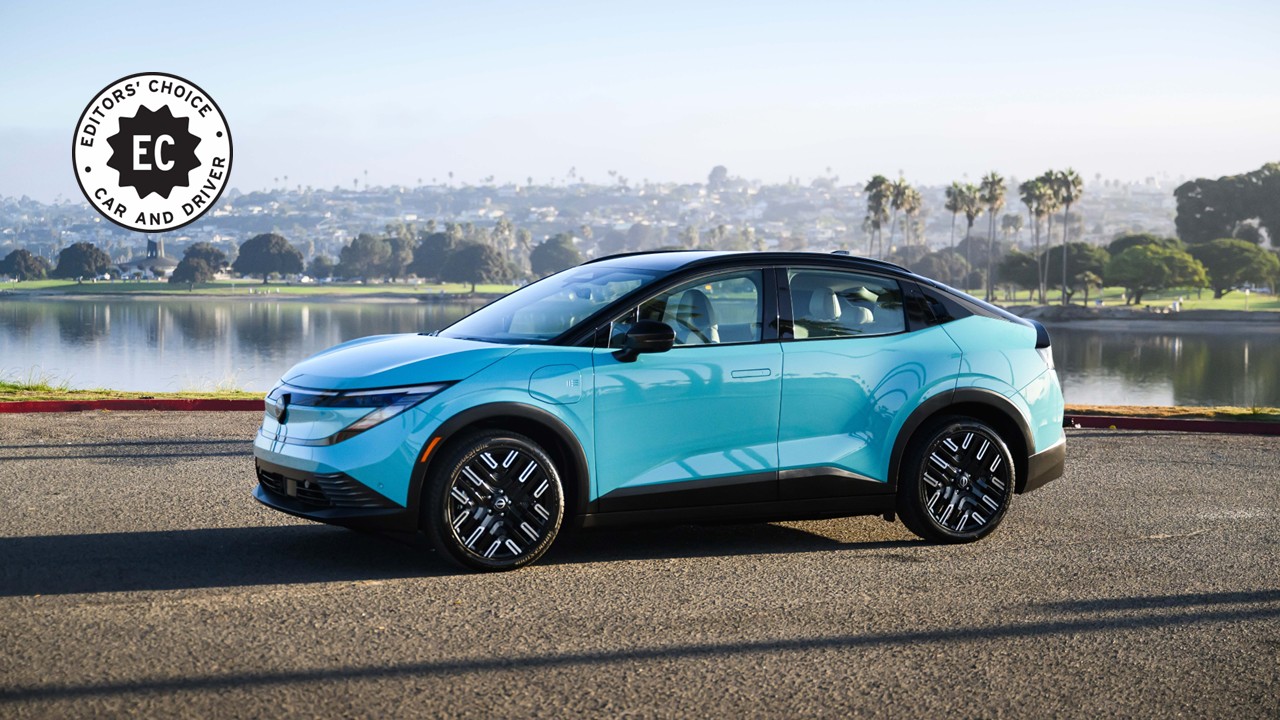
2026 Nissan LEAF named a 2026 Car and Driver Editors’ Choice winner
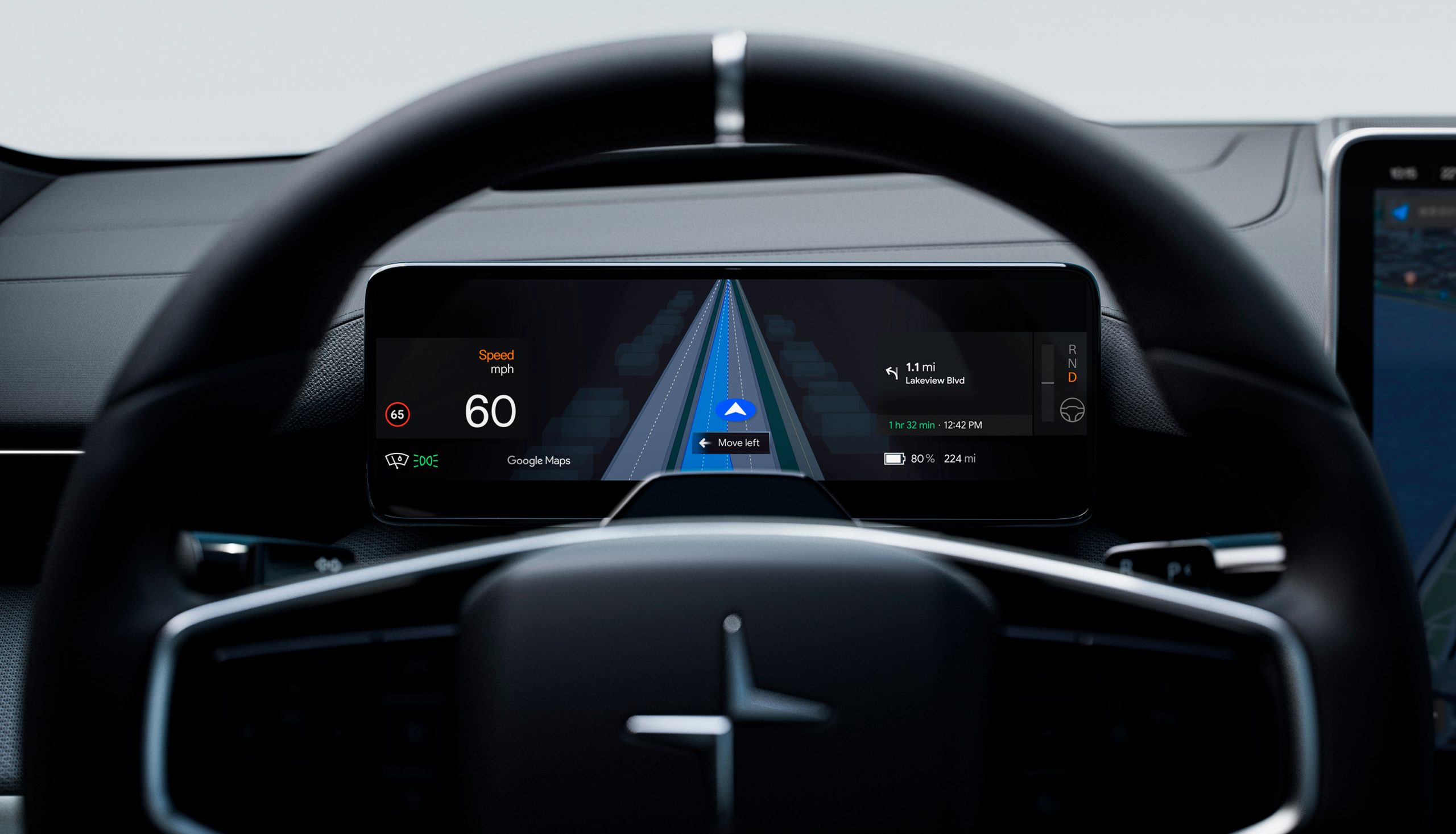
Polestar first to integrate Google Maps’ live lane guidance
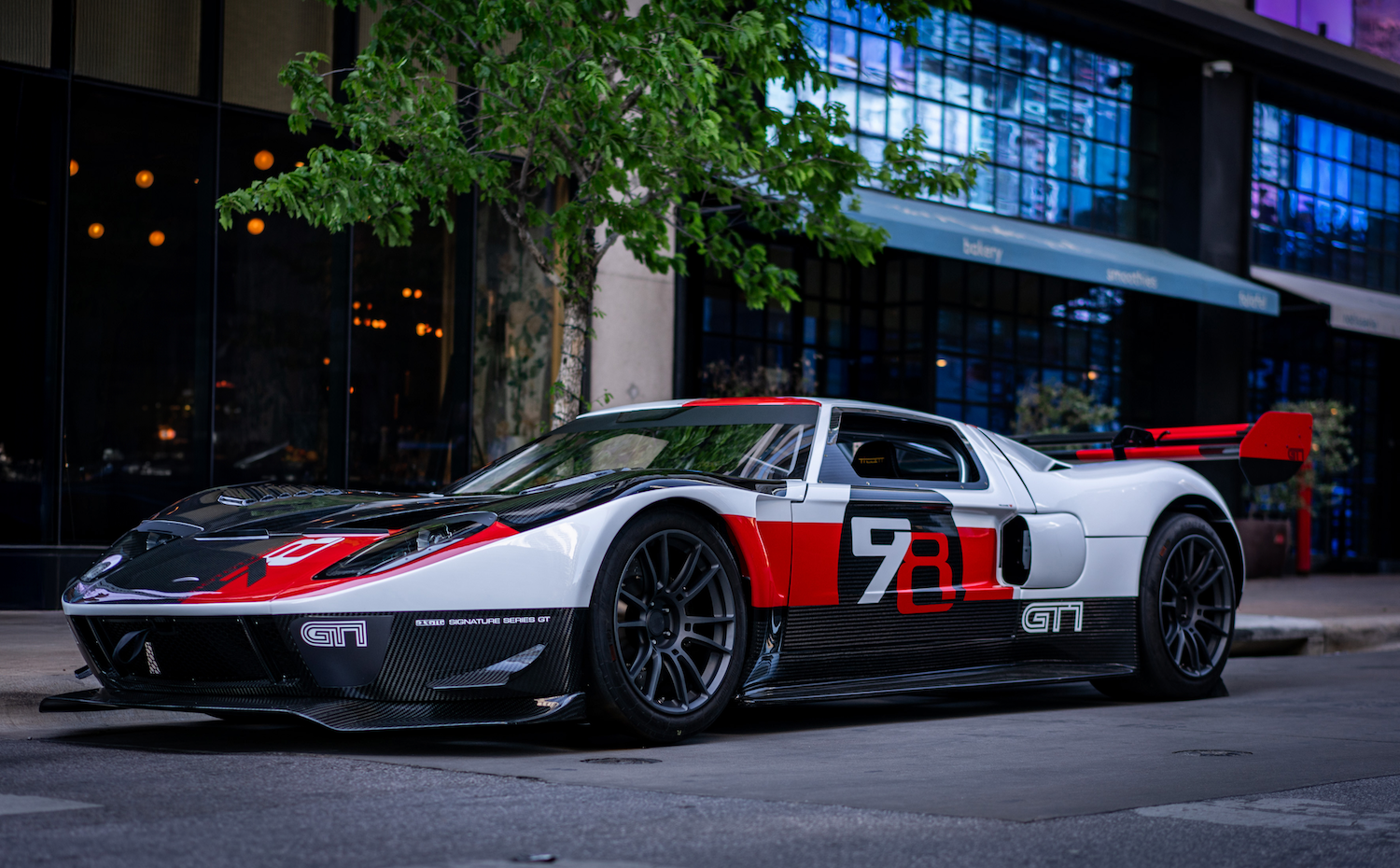
LYNX Motors and Graham Rahal Performance announce the LYNX GT1, a motorsport-inspired tribute built on a limited run of 28 OEM first-generation Ford GT chassis