Toyota C-HR+ review: Popular compact SUV is smiles better as an EV


We get behind the wheel of the all-electric Toyota C-HR+ mid-sized SUV
Appearances can be deceptive. Never more so than with the all-new C-HR+ – Toyota’s latest EV.
At first glance, it looks like the popular Toyota C-HR (Coupe-High Rider). On sale since 2017, and now in its second generation, up until now it’s only been available as a full or plug-in hybrid.
However, it may share its name and coupe-inspired lines with the C-HR, but the new C-HR+ is an individual model in its own right.
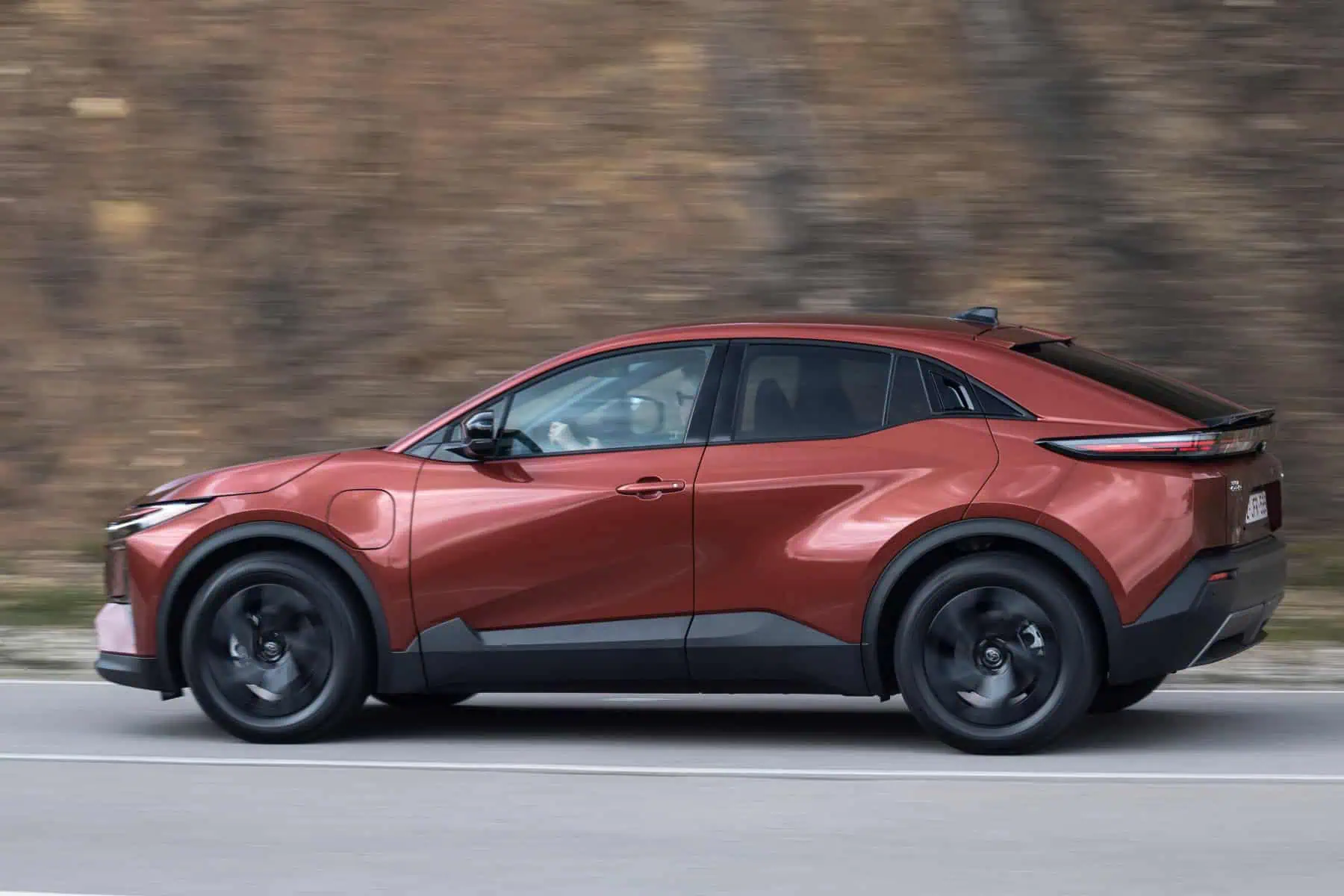
Using the same platform as the larger Toyota bZ4X, the C-HR+ offers value for money, peace of mind, plus cabin and load space more often found in vehicles in the class above.
The mid-sized SUV is available in three versions – Icon, Design and Excel – all with front-wheel drive.
The Icon model features a 57.7kWh battery and a driving range of up to 284 miles. Design and Excel get a 77kWh unit, enabling a range of up to 376 miles.
Slotting in alongside Toyota’s bZ4X and Urban Cruiser electric SUVs, it’s priced from £32,995 (including the government electric car grant of £1,500).
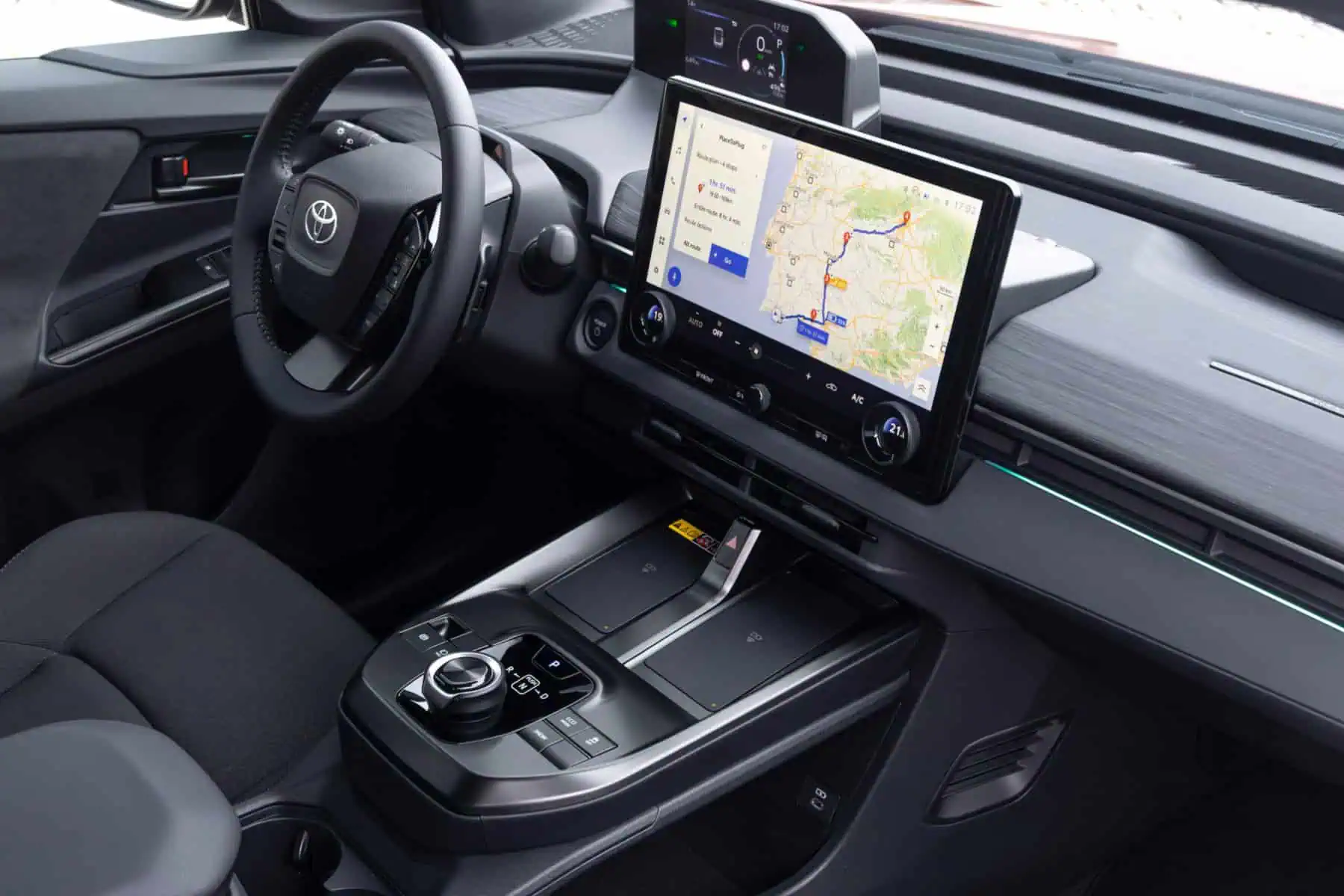
The Icon model is equipped as standard with a 14-inch infotainment screen, 7.0-inch driver’s display, combination fabric and synthetic leather upholstery, heated steering wheel, and 18-inch black metallic alloy wheels.
Design grade adds a power-operated tailgate and rear privacy glass, plus optional 20-inch alloys.
The top of the range Excel trim gets a larger 22kW onboard charger (11kW in the other models), power driver’s seat adjustment, synthetic suede and leather upholstery, headlight cleaners, and a Panoramic View Monitor to help with manoeuvring in tight spaces.
In addition to Toyota’s comprehensive suite of safety and driver assistance aids, fitted as standard, Excel adds Front Cross Traffic Alert and Lane Change Assist.
More importantly for buyers who plan to hold onto their cars for the long-term, or who simply want to maximise their car’s value, all C-HR+ models benefit from the new Total Toyota Confidence package where the battery guarantee has been extended from 650,000 miles to the magic one million – or 10 years (whichever comes first).
Toyota says that’s equivalent to more than 40 trips around the world or two return journeys to the moon.
Just like the rest of the Toyota range, the CH-R+ also qualifies for the brand’s 10-year overall manufacturer’s warranty, valid as long as you service your vehicle at a Toyota dealer every year.
I tested the Toyota C-HR+ in Design trim, which comes with the larger battery and is capable of up to 376 miles of range.
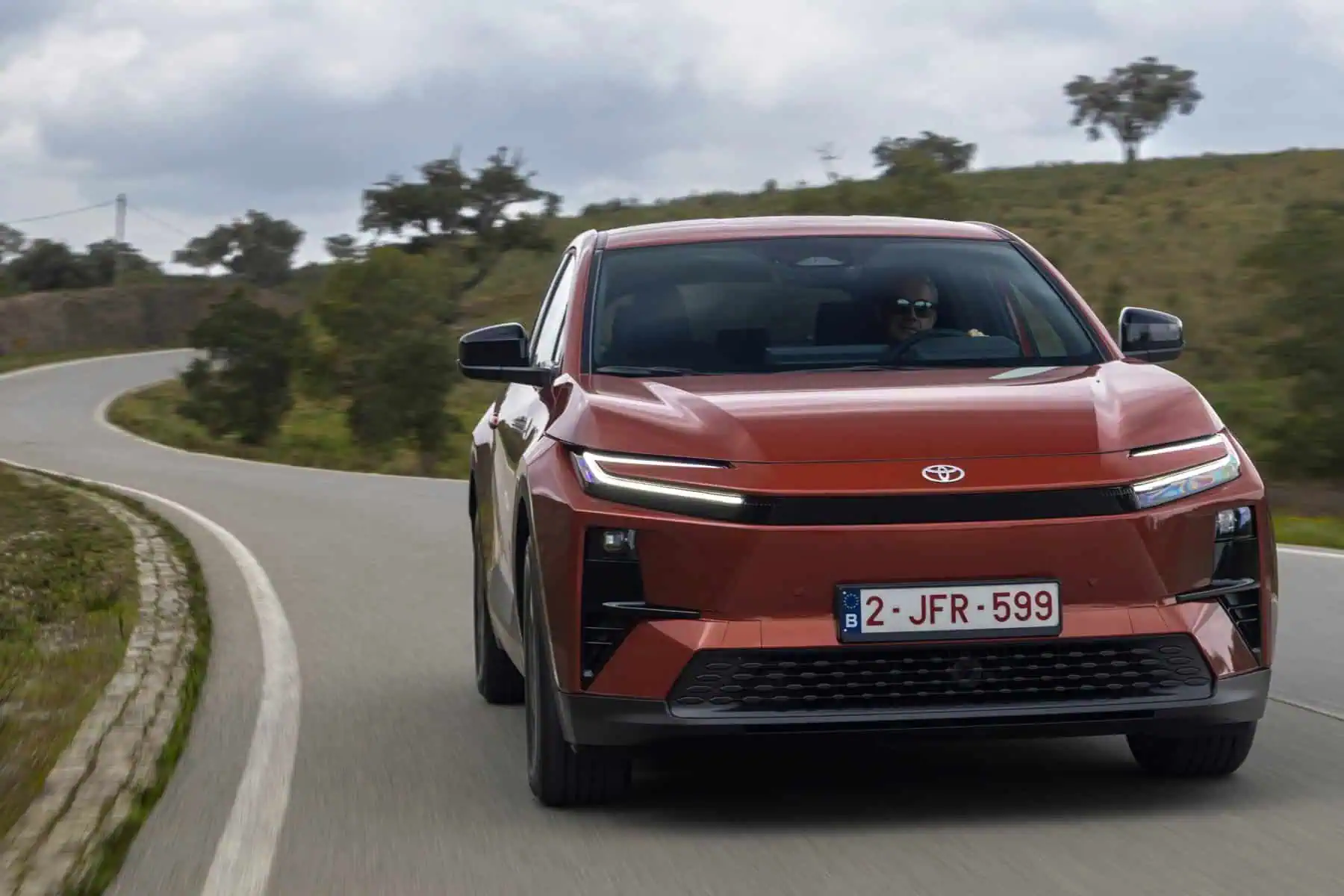
Longer, wider and taller than the C-HR hybrids, the C-HR+ has more of a grown-up look with a squared off rear and an assertive stance.
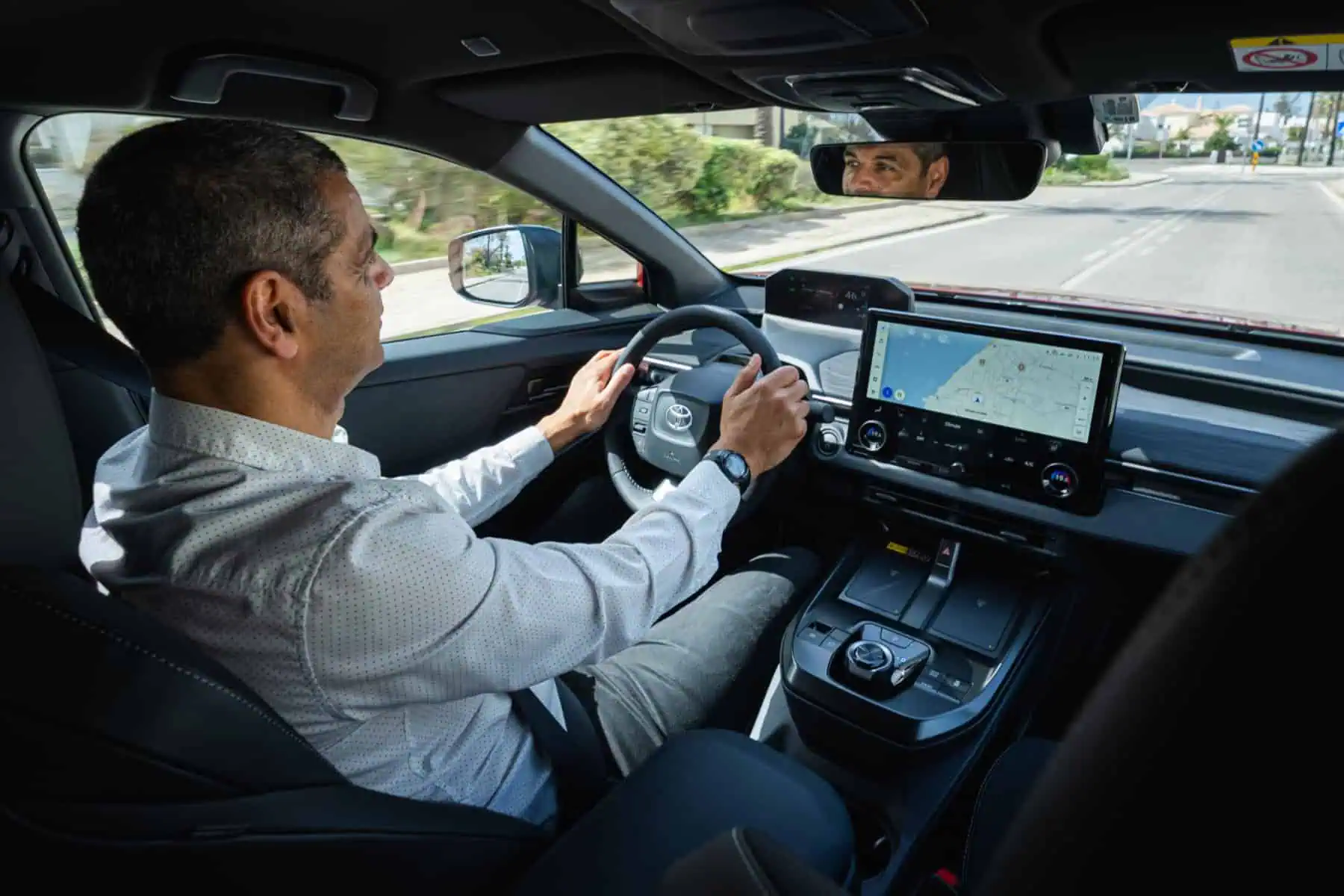
The driving position is just right, which is saying something because I’m really hard to please. With the seat at its lowest position, I was comfortable and visibility was good.
If I was being picky, I had to lower the steering wheel closer to my lap than I would like in order to have an unrestricted view of the driver’s digital display, but that’s not a deal-breaker.
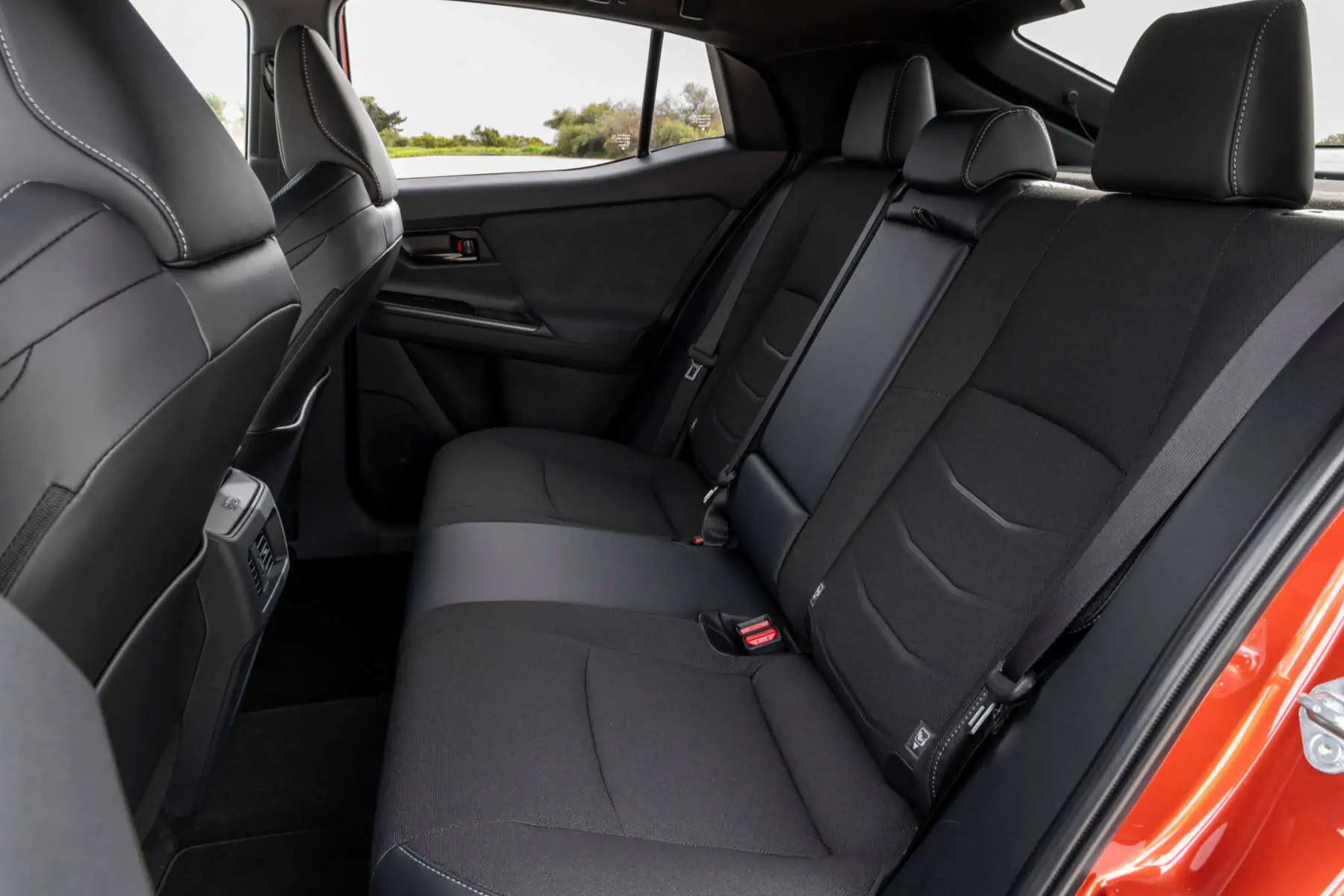
The longer wheelbase of the C-HR+ pays dividends when it comes to interior space. The front feels less cramped compared to the hybrid C-HRs, while the rear can seat two adults comfortably – three at a push.
It is worth noting that the optional panoramic sunroof takes up a litre extra headroom, so taller adults beware.
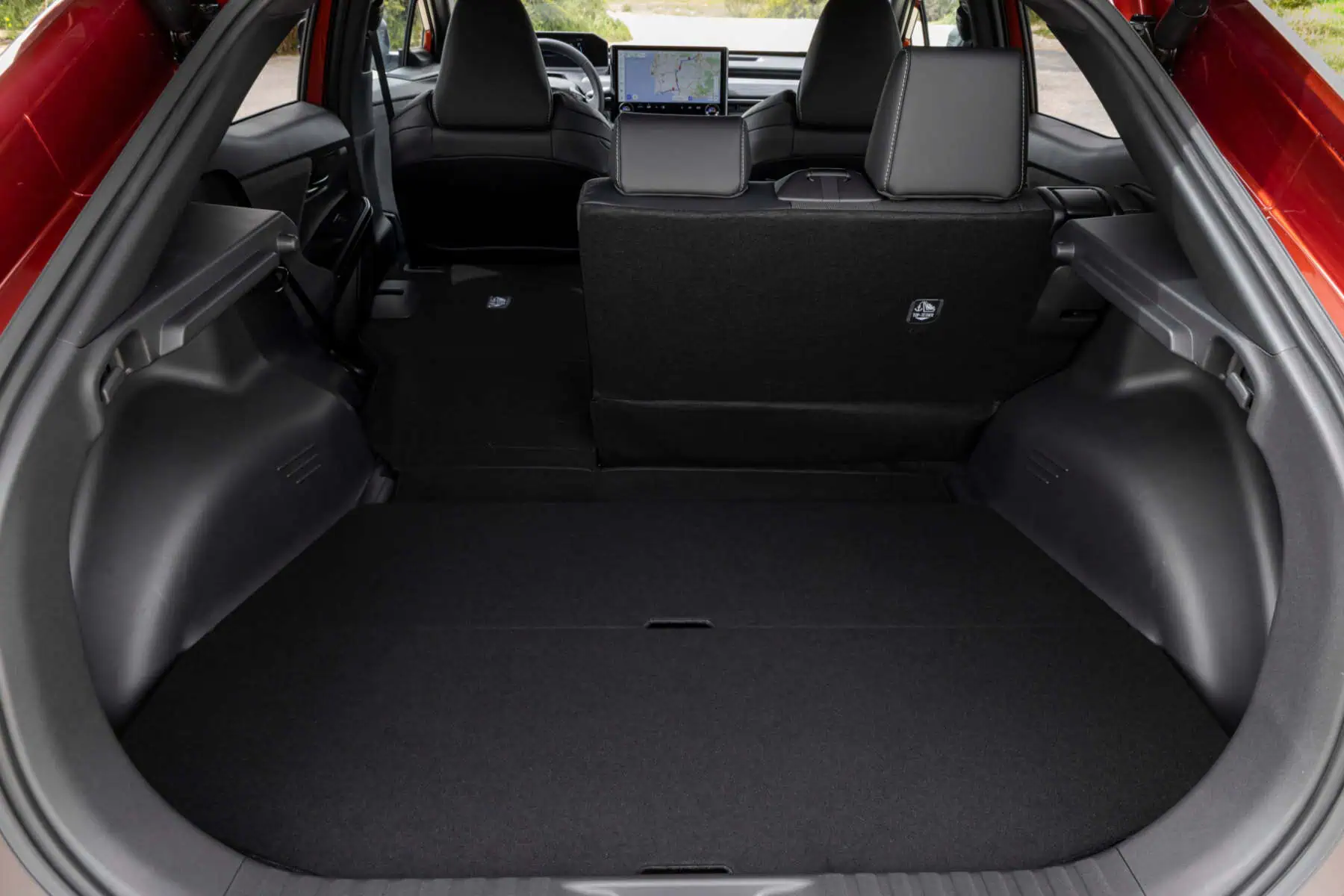
The boot has a healthy 416-litre capacity too, rising to 1,207 litres with the rear seats folded down, though there’s no ‘frunk’ under the bonnet to store charging cables.
There are a few hard surfaces inside, but on the whole, it has a quality feel and it’s well put together.
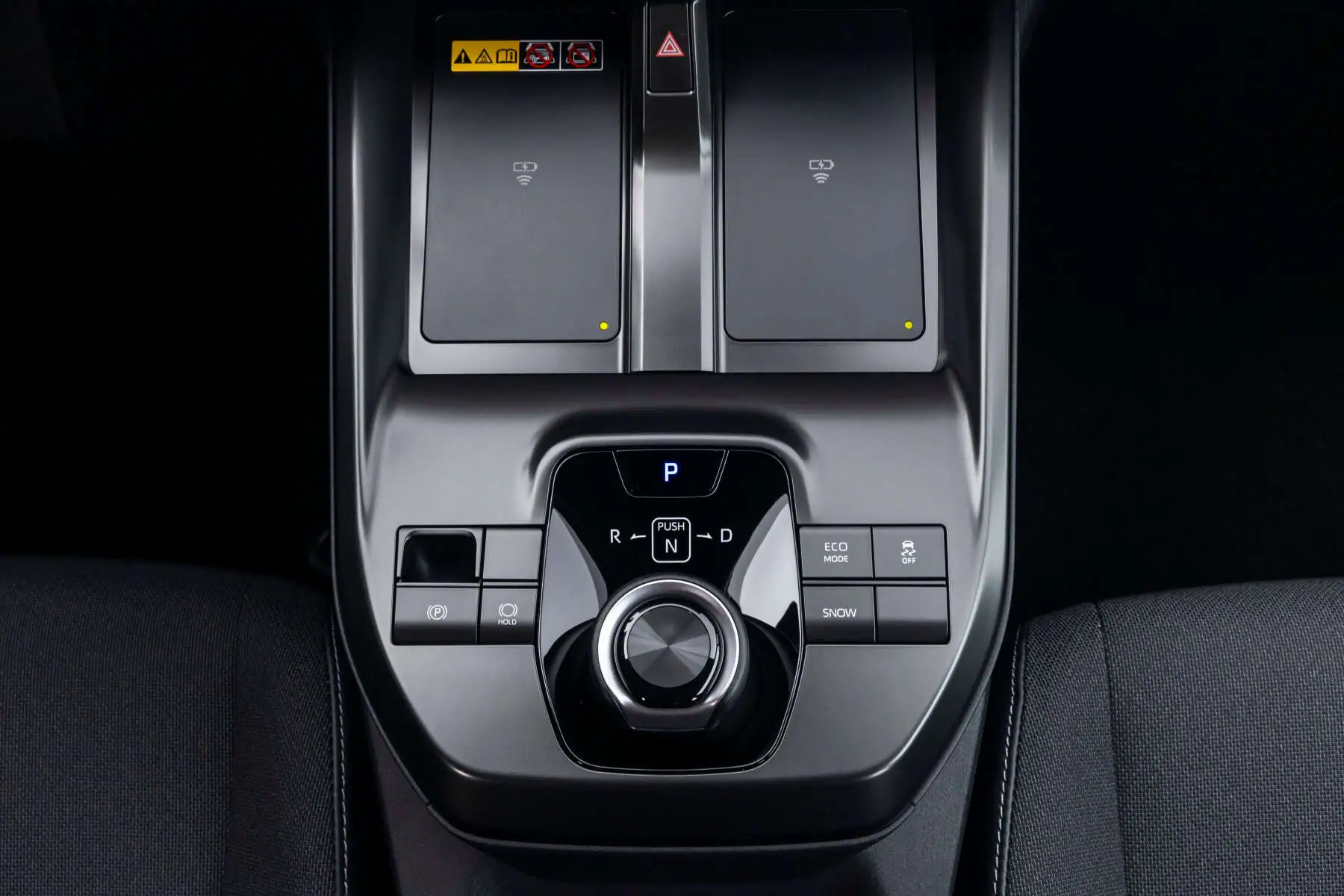
Once you’ve pressed the Start button and engaged Drive via the controller dial in the centre console, you’re away.
With a 0-62mph time of 7.3 seconds, it’s quite capable of making a rapid getaway. The cabin itself is refined, with wind and road noise only just apparent at motorway speeds.
There’s no Sport mode (just Eco and Snow), but then there is no need, because the C-HR+ is fast enough as it is.
The suspension is set up for comfort over performance, so it soaks up the worst of the lumps and bumps well.
Push it hard in more challenging corners and the grippy Bridgestone Turanza tyres, ABS and electronic stability aids all help to keep the C-HR+ on the straight and narrow.
There’s some body roll and the front tyres lose a little traction on loose or slippery surfaces, but then the C-HR+ isn’t really about getting from A to B in the quickest time, It’s about comfort, refinement and reliability.
When judged on that criteria, it ticks all the boxes.
I’d need to drive the Toyota C-HR+ for a week or so to make a judgement on its real-world efficiency, but based on a day driving on mixed roads, I reckon the Design’s 376 miles range is actually closer to 300 miles, which is still very good.
Naturally, if most of its driving is in an urban environment and not on A roads and motorways, the real-world range will benefit.
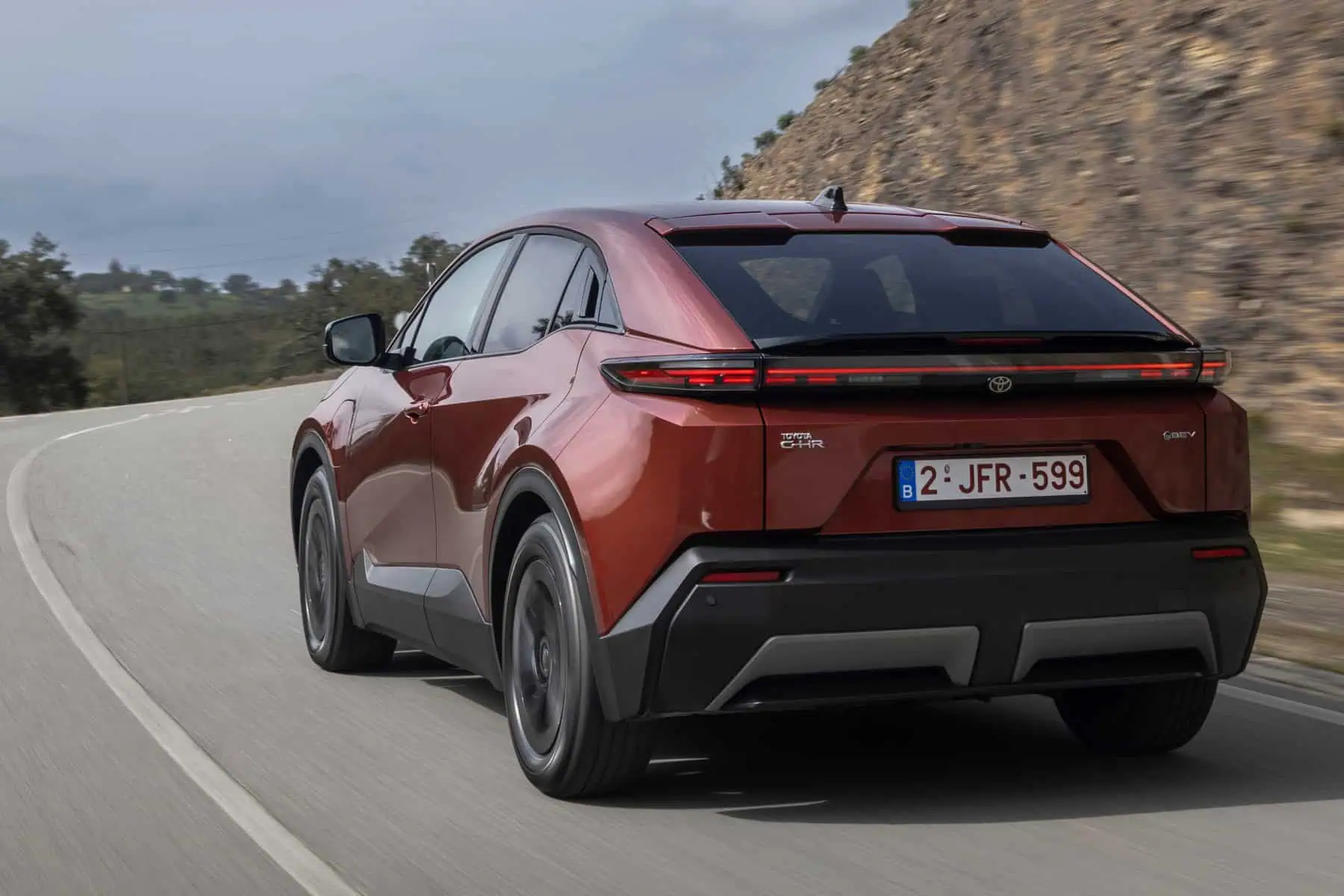
A special mention for the superb regenerative braking, which is activated using the paddles behind the steering wheel. I added five miles on a long downhill section of a small mountain range. Very satisfying.
All-electric competitors to the Toyota C-HR+ include the Kia EV3, Skoda Elroq, Hyundai Kona, BYD Atto 3 and Peugeot E-3008.
Verdict: The all-new, all-electric Toyota C-HR+ is more than meets the eye. Easy to drive, refined, comfortable and spacious, it also offers a long range and peace of mind.
Review in association with AutomotiveBlog

Leave a Comment
More in News

How Does Carbon Build-Up Affect Fuel Economy?

Citroen C3 Aircross review: Clever family car enters the space race

Automotive Couture: The Art of Color, Material and Finish for the Bugatti Tourbillon

Lamborghini Customer Journey: when ordering a Lamborghini becomes an unforgettable experience

Electric vs Hybrid: Which Saves You More Money In 2026?
Trending on Motoring Chronicle

Maserati at Monterey Car Week 2025 [Photo Gallery]

Can an Electric AMG Actually Replace the V8? Here’s What We Know About the New GT 4-Door
Automobili Lamborghini talks about industry through art: the Museum hosts “The Industrial Perspective” [Photo Gallery]
Why Is My Fuel Economy Getting Worse?