
Night Driving: 8 Common Mistakes That Increase Your Risk


Night driving accounts for only 25 percent of all road travel yet causes nearly 50 percent of fatal collisions, according to road safety data from NHTSA and RoSPA. Reduced visibility, fatigue, and impaired depth perception combine to make after-dark journeys significantly riskier. These eight common mistakes are responsible for most night driving incidents, and every one of them is avoidable.
Mistake 1: Overdriving Your Headlights
Overdriving your headlights means travelling at a speed where your stopping distance exceeds the distance illuminated by your lights. This is the single most dangerous night driving error, and research from the AAA Foundation for Traffic Safety confirms that a large proportion of night-time collisions involve drivers who simply could not stop in time for hazards within their headlight range.
Standard dipped headlights illuminate roughly 40 to 60 metres (130 to 200 feet) ahead. At 60 mph, your total stopping distance, including thinking time and braking distance, is approximately 73 metres (240 feet). That means at motorway speeds on dipped beam, you are already travelling faster than your headlights allow you to react safely.
The fix is simple. On unlit roads, reduce your speed so your stopping distance falls comfortably within the lit zone ahead. On well-lit motorways and dual carriageways, streetlights extend your effective visibility, but on rural roads and country lanes, your headlights are the only source of forward visibility. The Insurance Institute for Highway Safety (IIHS) has tested dozens of headlight systems and found significant variation in real-world performance, with some vehicles illuminating 30 percent less road than others in the same class.
If you regularly drive on unlit roads, consider having your headlight alignment checked. Misaligned headlights can reduce your effective beam distance by half, turning a safe speed into a dangerous one without you realizing it.
Mistake 2: Not Cleaning Your Headlights
Dirty headlights are a silent safety hazard. Road grime, salt spray, and oxidation on headlight lenses can reduce light output by up to 80 percent on heavily neglected vehicles. Even a thin film of road spray reduces effective brightness noticeably, cutting your forward visibility without any dashboard warning to alert you.
Modern polycarbonate headlight lenses are especially prone to yellowing and hazing over time. UV exposure breaks down the protective coating, creating a cloudy surface that scatters light rather than projecting it cleanly down the road. This scattered light also increases glare for oncoming drivers, making your vehicle a hazard to others as well as to yourself.
Cleaning your headlights takes less than a minute during any fuel stop. Use a damp cloth or a dedicated lens cleaner to wipe both headlights and tail lights. For oxidised lenses, headlight restoration kits are widely available and cost a fraction of replacement lenses. Making this part of your regular vehicle maintenance routine ensures your lights perform at full capacity when you need them most.
Mistake 3: Ignoring a Dirty or Damaged Windscreen
A windscreen that looks clear during the day can become a serious visibility barrier at night. Micro-scratches, interior film from off-gassing plastics, and residue from cleaning products all scatter incoming light, creating a hazy glow that washes out your view of the road ahead.
The interior surface of the windscreen is the most commonly overlooked culprit. Dashboard materials release a thin oily film that builds up gradually on the inside of the glass. In daylight, this film is nearly invisible. At night, oncoming headlights hit this film and scatter in every direction, dramatically reducing contrast and making road markings, pedestrians, and hazards harder to spot.
Clean the inside of your windscreen with a dedicated glass cleaner and a microfibre cloth. Avoid using the same cloth you use for dashboard surfaces, as silicone-based products transfer to the glass and make the problem worse. If your wiper blades are smearing, replace them, as streaky wipers leave residue across the swept area that scatters light badly after dark.
Stone chips and cracks also scatter light at night, creating starbursts and flares from oncoming traffic. A small chip that causes no problem in daylight can be genuinely distracting and dangerous after sunset. Getting chips repaired early prevents both the safety risk and the cost of a full windscreen replacement.
Mistake 4: Using High Beams Incorrectly
High beams roughly double your forward visibility compared to dipped headlights, illuminating 100 to 150 metres (330 to 500 feet) ahead. On unlit roads, they are an essential safety tool. The mistake most drivers make is either never using them or failing to dip them quickly enough when other vehicles appear.
IAM RoadSmart recommends using full beam on any unlit road where conditions allow. The additional visibility gives you far more time to react to animals, debris, pedestrians, or sharp bends. Drivers who rarely use high beams are effectively halving their available reaction time on dark roads.
The flip side is equally important. Failing to dip your high beams in time dazzles oncoming drivers, temporarily reducing their vision to almost nothing. At closing speeds of 120 mph on a two-lane road, even a two-second delay in dipping can mean the oncoming driver is effectively blind for 50 metres or more. Dip your lights the moment you see another vehicle’s headlights or tail lights, and leave them dipped until that vehicle has fully passed.
Many modern vehicles offer automatic high beam assist, which uses a camera to detect oncoming lights and dips automatically. If your vehicle has this feature, use it. These systems react faster than most drivers and remove the temptation to leave high beams on a fraction too long. If your vehicle does not have this feature, build the habit of resting your finger near the stalk so you can dip instantly.
Mistake 5: Staring at Oncoming Headlights
This is one of the most instinctive and most dangerous night driving habits. When a bright light appears in your field of vision, your eyes are naturally drawn toward it. Looking directly at oncoming headlights, even for a second or two, causes temporary flash blindness that can take up to 10 seconds to fully recover from. At 60 mph, 10 seconds covers nearly 270 metres (890 feet) of road with compromised vision.
The technique taught by advanced driving instructors at IAM RoadSmart and RoSPA is simple: shift your gaze to the left-hand edge of the road (or the right-hand edge if you drive on the right) and use the road markings or verge as your guide. This keeps the oncoming light in your peripheral vision, where it causes less pupil constriction, while you maintain awareness of your lane position.
LED and HID headlights on modern vehicles are significantly brighter than older halogen units, making this problem worse than it was a generation ago. The RAC has documented a sharp increase in complaints about headlight glare, and the issue affects both oncoming traffic and drivers being followed by vehicles with poorly aimed bright headlights.
If you are being followed by a vehicle with dazzling headlights in your rear-view mirror, flip your interior mirror to its anti-dazzle position. Most rear-view mirrors have a small lever at the base that angles the reflective surface to reduce glare. For door mirrors, you can tilt your head slightly to shift the reflected light away from your eyes until the following vehicle passes or turns off.
Mistake 6: Not Adjusting for Reduced Peripheral Vision
Human vision undergoes significant changes in low light. The cones in your retina, which handle colour and detail in bright conditions, become less effective as light levels drop. Your peripheral vision, which relies heavily on rod cells that are slower to process movement, narrows substantially. Research published in the journal Optometry and Vision Science found that peripheral vision can decrease by up to 70 percent at night compared to full daylight conditions.
This means that pedestrians, cyclists, and animals at the edges of the road are far harder to detect after dark. A pedestrian in dark clothing standing just off the roadside is virtually invisible to a driver relying only on central headlight illumination. This is why pedestrian fatalities spike dramatically during the darker months, with NHTSA data showing that 75 percent of pedestrian deaths occur in low-light or dark conditions.
Compensate for this by actively scanning the road ahead rather than fixing your gaze on a single point. Move your eyes across the full width of the road and check for movement at the edges. Slow down in residential areas, near bus stops, and on roads with footpaths running alongside. If you see reflective patches or unexpected shapes at the roadside, treat them as potential hazards until you can confirm otherwise.
Regular eye tests are also essential for safe night driving. The College of Optometrists recommends eye examinations every two years for most adults, and annually for drivers over 70. Conditions like cataracts, astigmatism, and age-related macular degeneration all affect night vision disproportionately compared to daytime sight, and many drivers do not realise their night vision has deteriorated until a routine check reveals it.
Mistake 7: Driving While Fatigued
Fatigue is one of the leading causes of night driving collisions, and it is also the most underestimated. Your body’s circadian rhythm naturally pushes for sleep during the hours of darkness, with the strongest fatigue peaks between midnight and 6 a.m. and again between 2 p.m. and 4 p.m. Driving during these windows, especially on monotonous motorway routes, creates a dangerous combination.
The AAA Foundation for Traffic Safety estimates that drowsy driving is a factor in around 328,000 crashes annually in the United States alone. In the UK, the Department for Transport attributes approximately 20 percent of serious motorway collisions to driver fatigue. These are not fringe statistics; fatigue is a mainstream and persistent risk.
The warning signs are consistent: frequent yawning, heavy eyelids, drifting across lanes, difficulty maintaining a constant speed, and missing exits or road signs. If you experience any of these, the only reliable response is to stop driving. Caffeine, cold air, and loud music offer temporary alertness at best and do not address the underlying sleep deficit.
Plan long journeys to avoid the highest-risk hours. If you must drive late at night, take a 15 to 20 minute power nap before setting off. On long trips, stop every two hours regardless of how alert you feel. If you have been awake for more than 17 hours, your cognitive impairment is equivalent to a blood alcohol concentration of 0.05 percent, which is at or above the legal limit in many jurisdictions.
If your vehicle has lane departure warning or driver attention monitoring, pay attention to these alerts. These systems are designed to catch early signs of fatigue that you might not notice yourself. An alert from your vehicle’s attention monitor is not a suggestion; it is a signal to find a safe place to rest.
Mistake 8: Neglecting Dashboard and Interior Lighting
Bright dashboard displays and interior cabin lights reduce your eyes’ ability to adapt to darkness outside. Your pupils need time to dilate fully in low light, and any bright light source inside the vehicle works against this process, shrinking your pupils and reducing the amount of light reaching your retina from the road ahead.
Most vehicles allow you to dim the instrument panel. Reducing dashboard brightness to the lowest comfortable level helps your eyes adapt more effectively to the darkness outside. The same principle applies to infotainment screens, which on many modern vehicles are large, bright, and positioned directly in your line of sight. Switch to night mode if available, or reduce screen brightness manually.
Interior dome lights and map lights should be switched off while driving at night. A passenger reading with a map light or checking their phone with a bright screen creates a light source that interferes with the driver’s dark adaptation. It takes your eyes up to 30 minutes to fully adapt to low light conditions, and a single burst of bright interior light can reset that process.
Ambient lighting systems in newer vehicles are generally designed with low-intensity, warm-coloured LEDs that minimise impact on night vision. If your vehicle allows you to customize ambient lighting colour, choose red or amber tones rather than blue or white, as these have the least effect on your dark-adapted vision. The same principle explains why aircraft cockpits and military vehicle interiors use red lighting at night.
How to Build Safer Night Driving Habits
Fixing these eight mistakes does not require advanced driving skills or expensive equipment. It requires awareness and a few deliberate habits that quickly become second nature.
Before setting off on any night journey, do a quick walk around your vehicle. Check that all lights are working, clean your headlights and tail lights, and verify that your windscreen is clean inside and out. This 60-second check addresses three of the eight mistakes above and takes almost no effort.
During the journey, keep your speed appropriate for your visibility. On well-lit roads, normal speed limits are fine. On unlit rural roads, drop your speed so that your stopping distance sits comfortably within your headlight range. Use high beams whenever there is no oncoming traffic, and build the habit of dipping them early rather than late.
Make sure your tyres have adequate tread depth, as wet roads at night are especially unforgiving when combined with worn tyres. Braking distances increase significantly on damp surfaces, and at night you have less time to spot standing water or slippery patches.
Schedule regular eye tests and mention to your optician that you drive frequently at night. Some vision issues only become apparent in low-light conditions, and a small prescription change can make a significant difference to your comfort and safety after dark.

Night Driving Technology: What Helps and What Does Not
Modern vehicles come with an increasing array of night driving aids. Understanding which features genuinely improve safety and which are marketing features helps you make better decisions.
Adaptive headlights, which swivel in the direction of steering input, are one of the most effective night driving technologies available. IIHS testing has shown that adaptive headlights reduce certain types of night-time crashes by up to 10 percent. If your vehicle has them, ensure they are switched on and functioning correctly.
Automatic high beam assist, as mentioned earlier, removes the manual effort of switching between high and dipped beams. These systems work well in most conditions, though they can sometimes react slowly to vehicles cresting a hill or appearing around a bend. Keep your hand near the stalk as a backup.
Night vision systems, available on some premium vehicles, use infrared cameras to detect pedestrians, animals, and obstacles beyond the reach of headlights. These systems display a thermal image on the dashboard and can provide useful early warnings. If your vehicle has night vision, learn how to read the display and integrate it into your scanning routine.
Yellow-tinted night driving glasses, on the other hand, do not improve night vision. Research from the Schepens Eye Research Institute at Harvard found that these lenses reduce the amount of light reaching your eyes without improving contrast or reaction time. A clean windscreen and a current eye prescription are far more effective than any aftermarket lens.
Seasonal Considerations for Night Driving
The risk profile of night driving shifts throughout the year. During autumn and winter, darkness arrives earlier and lasts longer, meaning more of your daily commute falls into low-light conditions. This is also the period when road surfaces are more likely to be wet, icy, or covered in leaf debris, all of which reduce grip and increase stopping distances.
Wildlife activity peaks at dawn and dusk, creating additional hazards on rural roads. Deer, foxes, and other animals are most active during twilight hours, and their eyes do not reflect headlights reliably enough to give early warning. Slow down near wooded areas and farmland during these transition periods, and watch for animal warning signs on the road.
In summer, night driving risks shift toward fatigue from long warm days and increased traffic from holiday travel. Sunset arrives later, which can create a false sense of security as drivers set off on evening journeys feeling alert but encounter full darkness mid-trip. The principles remain the same: clean lights, appropriate speed, regular breaks, and active scanning.
Winter fog is a separate and serious challenge. Fog at night is more disorienting than fog during the day, as headlights reflect off the water droplets and bounce light back at you. Use dipped headlights, not high beams, in fog. High beams bounce off the fog and create a wall of light that reduces your visibility rather than improving it. Many vehicles have front fog lights positioned low on the bumper specifically for this scenario, as the lower beam angle cuts under the fog layer rather than reflecting off it.
When Night Driving Tells You Something Is Wrong
Difficulty with night driving can be an early indicator of vision problems. If you notice increasing discomfort from oncoming headlights, trouble reading road signs until you are very close, or halos around lights that were not there before, book an eye test. Cataracts, early-stage glaucoma, and changes in prescription all show up more clearly in night driving conditions than during the day.
If you find yourself consistently dreading night driving or avoiding it altogether, this is worth investigating rather than working around. For many drivers, a simple update to their glasses or contact lens prescription resolves the issue entirely. For others, a conversation with an ophthalmologist can identify and treat conditions that are far easier to manage when caught early.
Night driving should feel manageable with the right habits and equipment. If it does not, your eyes or your vehicle’s lighting system are telling you something that is worth acting on.
Night Driving FAQs
Why is night driving more dangerous than daytime driving?
Night driving is more dangerous primarily from reduced visibility. Human eyes lose up to 70 percent of their peripheral vision in low light, stopping distances extend beyond headlight range at higher speeds, and fatigue peaks during late evening and early morning hours. Fatal crash rates per mile driven are roughly three times higher at night than during the day.
How far ahead can headlights actually see?
Standard dipped headlights illuminate roughly 40 to 60 metres (130 to 200 feet) ahead. High beams extend that to around 100 to 150 metres (330 to 500 feet). At 60 mph, your total stopping distance is approximately 73 metres (240 feet), which means dipped headlights barely cover your stopping distance at motorway speeds. On unlit roads, adjust your speed to stay within the lit zone.
Should I use high beams on empty roads?
Yes, on unlit roads with no oncoming traffic, high beams significantly improve visibility and reaction time. Switch back to dipped headlights when another vehicle approaches within 200 to 300 metres or when following another car, to avoid dazzling other drivers. Many modern cars have automatic high beam assist that handles this switching for you.
How do I reduce glare from oncoming headlights?
Focus your eyes on the left edge of the road (or right edge if you drive on the right) and use lane markings as your guide rather than looking directly at oncoming headlights. Keeping your windscreen clean inside and out also reduces scattered light and glare. Flip your interior mirror to its anti-dazzle setting if being followed by bright headlights.
Do yellow-tinted night driving glasses actually work?
Research from the Schepens Eye Research Institute found that yellow-tinted lenses do not improve night driving performance and can reduce visibility by filtering out useful light. A clean windscreen, properly aimed headlights, and an up-to-date eye prescription are more effective than any aftermarket tinted lenses for improving night vision.
Sources
- National Highway Traffic Safety Administration (NHTSA) Night Driving Safety Data
- RoSPA (Royal Society for the Prevention of Accidents) Road Safety Information
- AAA Foundation for Traffic Safety Drowsy Driving Research
- IAM RoadSmart Advanced Driving Guidance
- Insurance Institute for Highway Safety (IIHS) Headlight Evaluations
- RAC Headlight Glare Research

Leave a Comment
More in News

$4 Gas Looms for First Time in Three Years

The new Mercedes-Maybach S-Class: True class runs deep
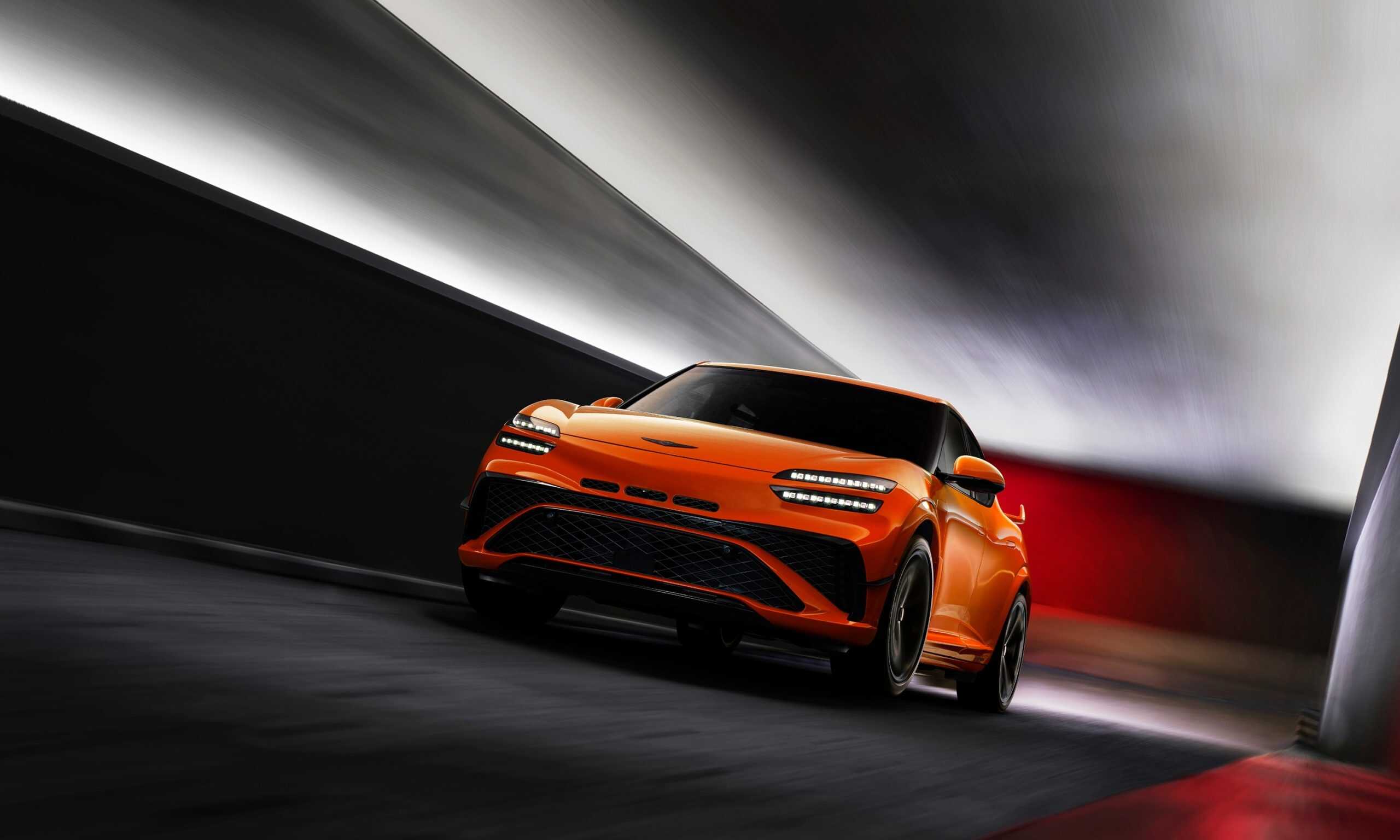
Genesis GV60 Magma deep dive: chassis control

Polestar scales battery circularity across Polestar 2 and Polestar 3

Why Most Drivers Are Holding the Steering Wheel Wrong
Trending on Motoring Chronicle

Automobili Lamborghini Debuts the Urus SE, Its Most Powerful Super SUV Yet, in Mexico [Photo Gallery]
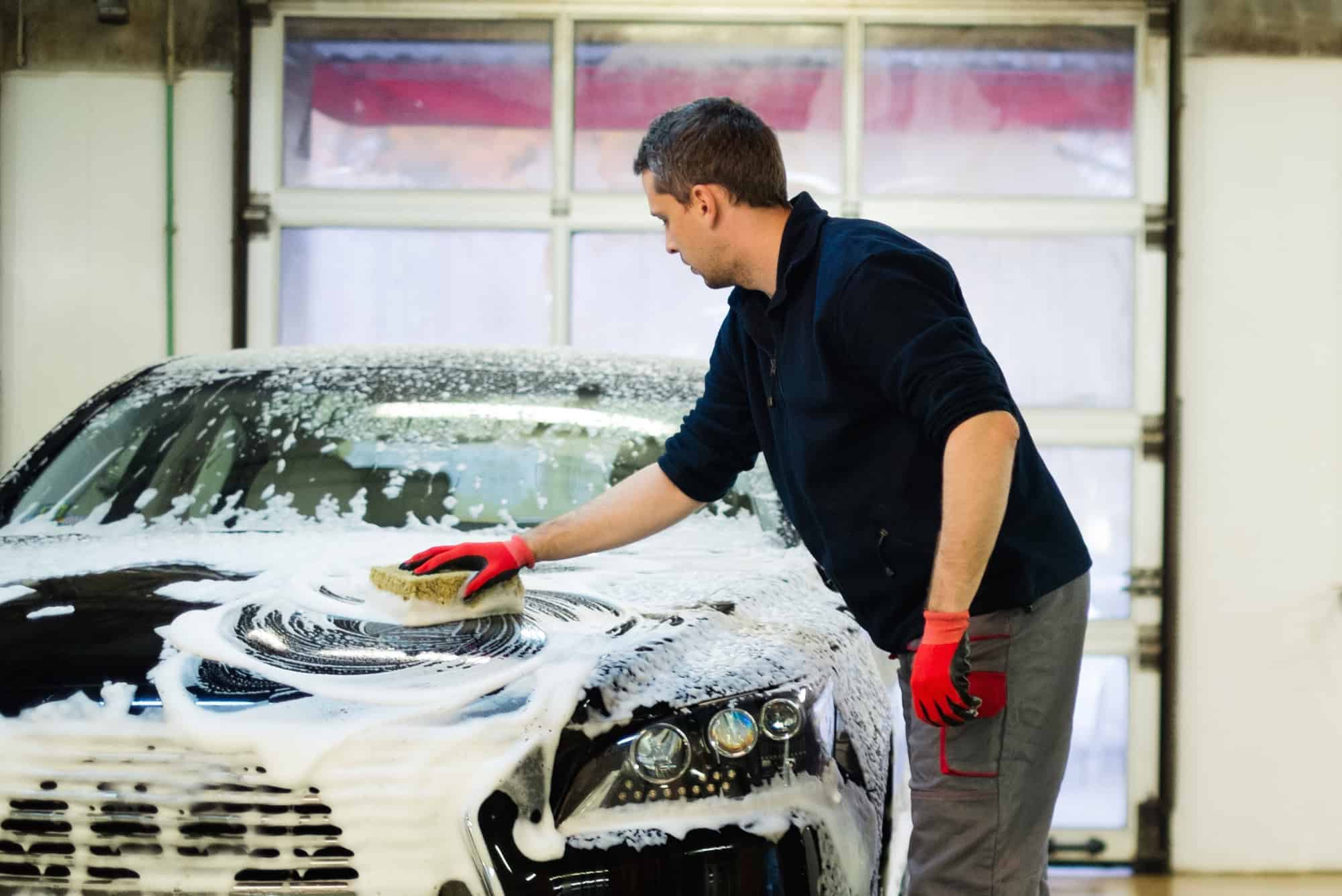
How to Wash a Black Car Without Scratches: Complete Guide
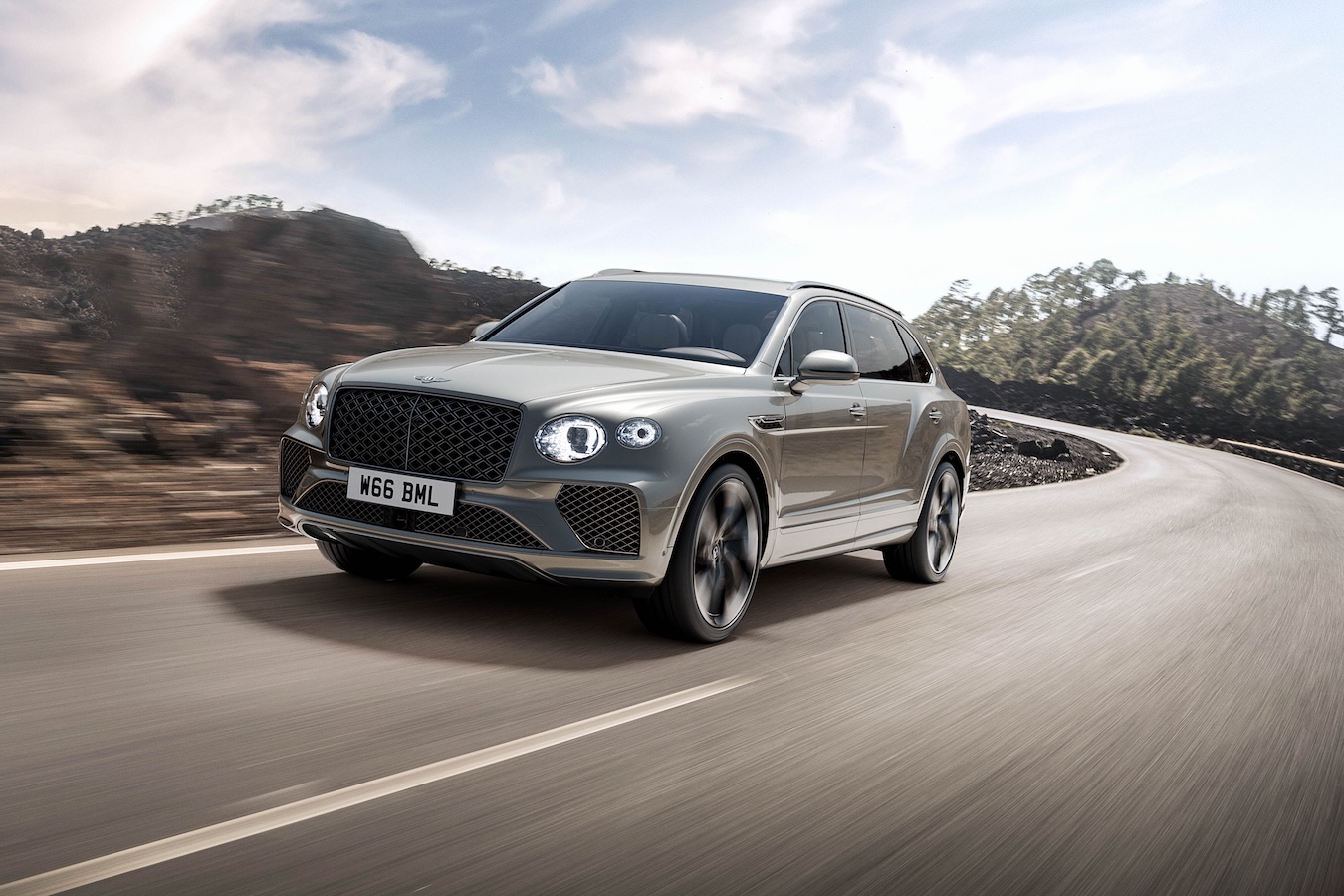
Bentayga Artenara Edition: A new pinnacle in contemporary luxury
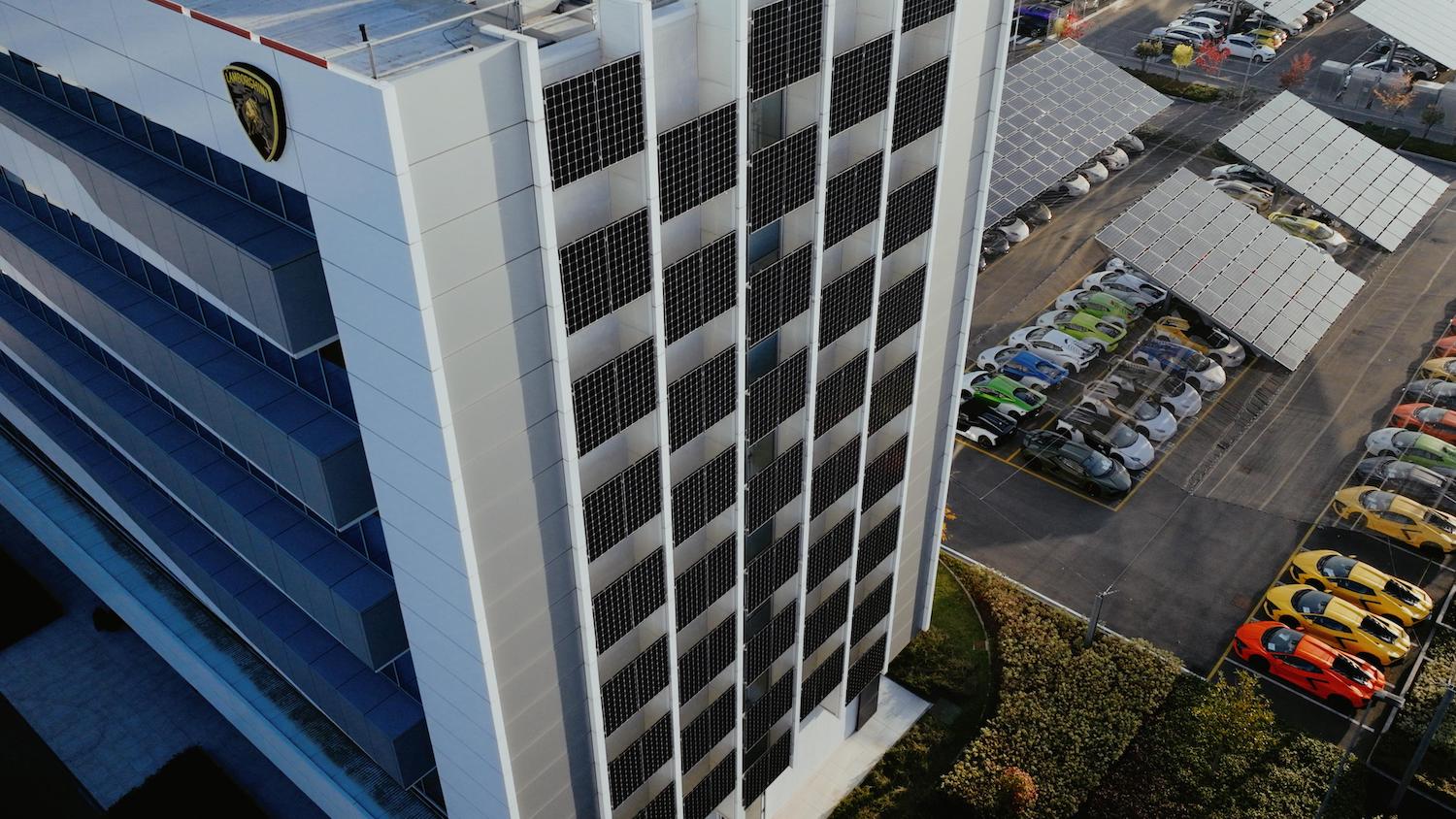
Automobili Lamborghini celebrates ten years of on-balance carbon neutrality for the Sant’Agata Bolognese production site [Photo Gallery]
