How Often Should You Rotate Your Tyres? Complete Guide
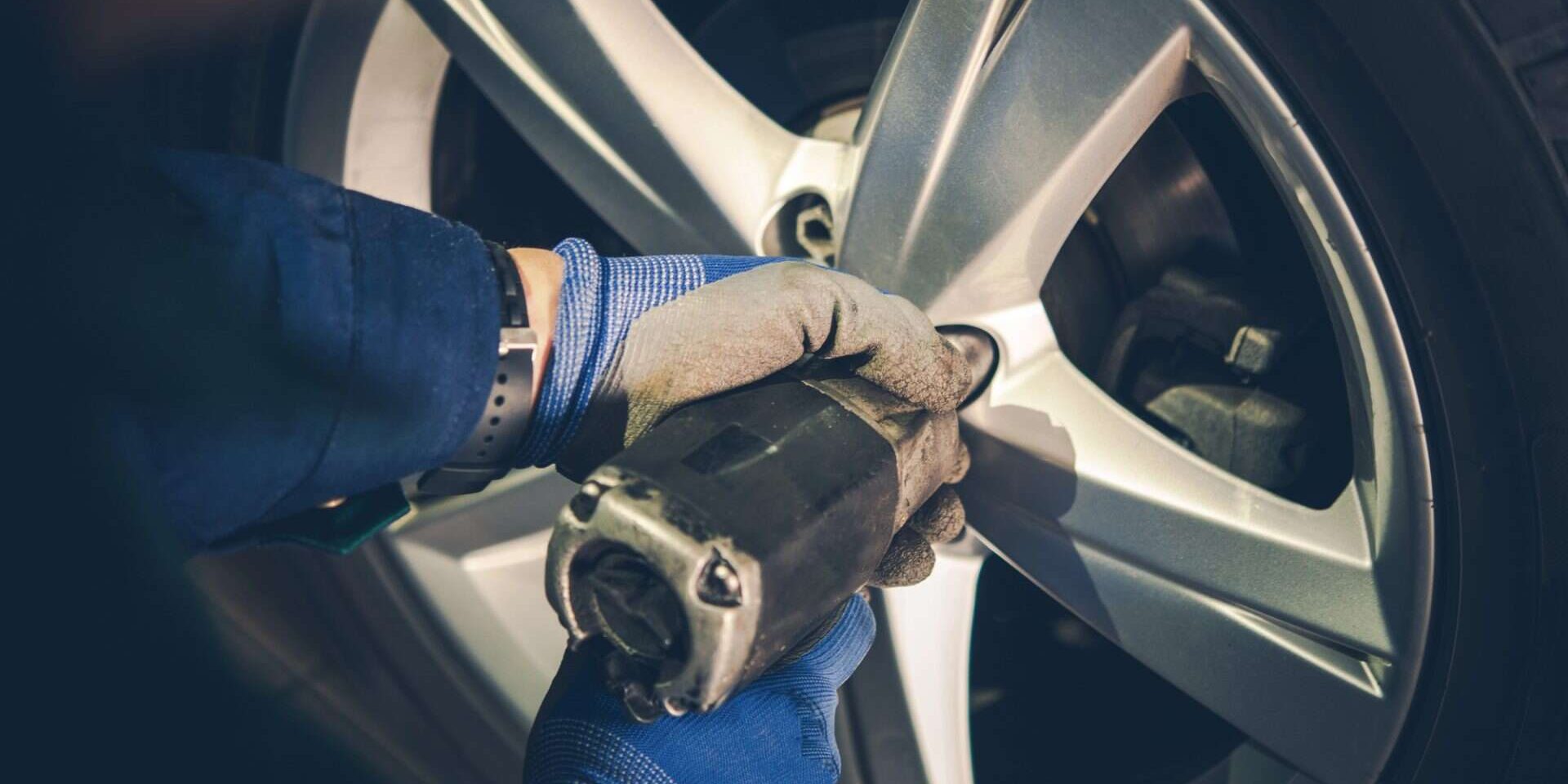
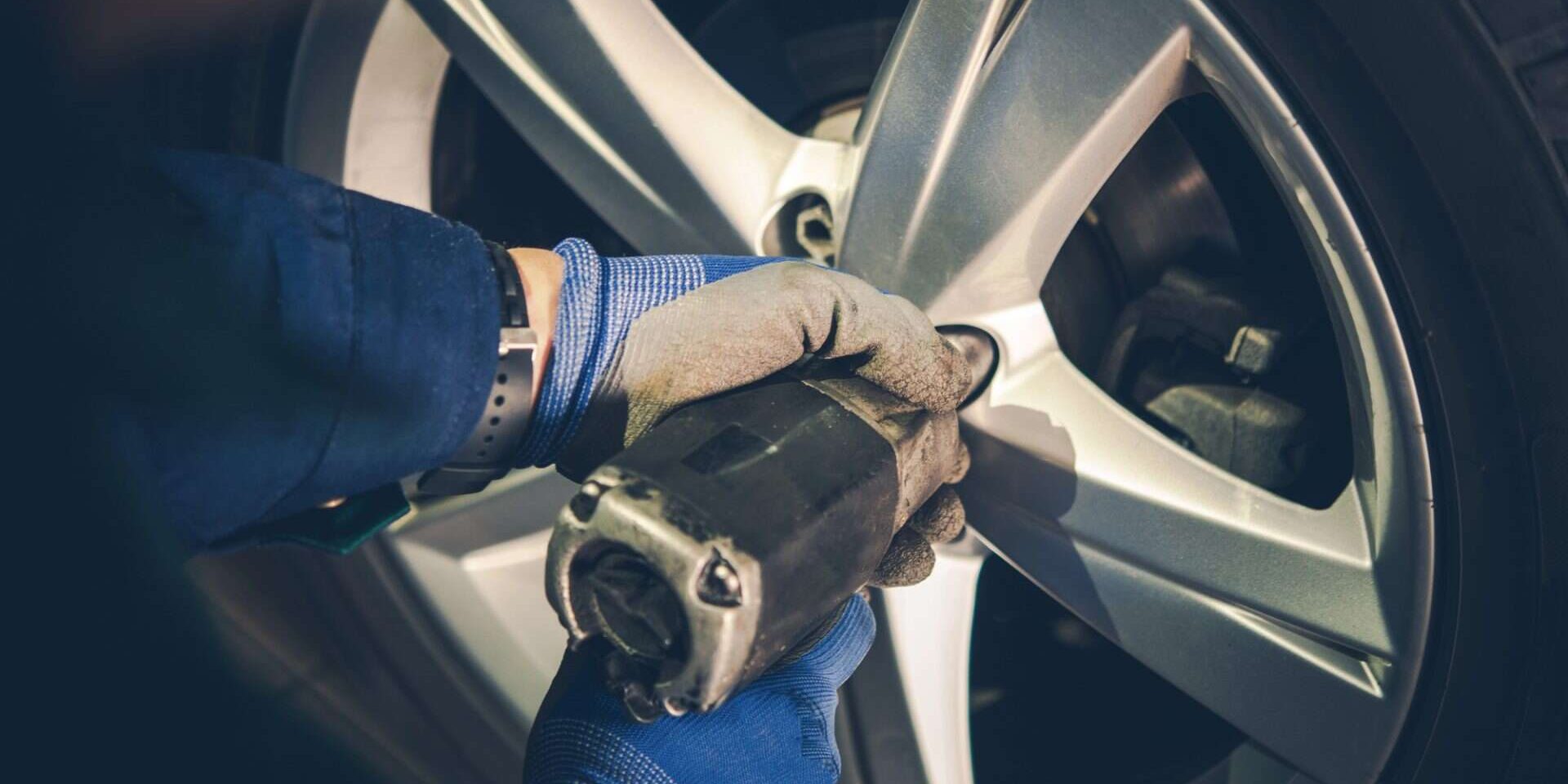
Rotate your tyres every 5,000 to 8,000 miles or every six months, whichever comes first. This simple maintenance task extends tyre life by 10,000 to 15,000 miles, prevents uneven wear that compromises grip and fuel efficiency, and keeps you safer by maintaining consistent performance across all four wheels.
Understanding Tyre Rotation
Tyre rotation is the practice of moving your tyres from one wheel position to another in a specific pattern. This isn’t random shuffling. It’s a calculated approach to managing how your vehicle’s weight and forces affect each tyre differently as it sits in different positions.
The front-left tyre doesn’t experience the same stresses as the rear-right. Front tyres carry more weight and handle braking forces. On front-wheel-drive cars, they manage acceleration forces too. Rear tyres experience completely different loading patterns. By rotating your tyres regularly, you distribute these stresses more evenly across all four tyres, preventing some from wearing out while others still have years of life remaining.
Think of rotation as giving each tyre a break from the hardest work. A tyre that’s worn hard at the front gets moved to a less demanding rear position. Meanwhile, a tyre that’s been coasting at the rear gets moved to the front where it can share the load. Over multiple rotations, this balancing effect extends the overall life of your tyre set significantly.
Proper rotation can extend your tyre lifespan from 30,000 miles to 45,000 miles or more, depending on driving habits and road conditions. That’s thousands of pounds or dollars saved in premature replacement costs.
The Physics Behind Uneven Tyre Wear
Your tyres don’t wear evenly. This is physics, not a design flaw. Every corner of your vehicle creates different forces on the tyres sitting there. Understanding these forces explains why rotation is non-negotiable.
Front tyres endure the most punishment. They carry approximately 60 per cent of your vehicle’s weight in most cars. This vertical load alone causes them to wear faster. But there’s more. Front tyres handle all braking forces. Every time you press the brake pedal, friction and heat concentrate on the front tyres. On front-wheel-drive vehicles, front tyres also manage acceleration forces, transmitting engine power to the road. This triple burden means front tyres on a front-wheel-drive car can wear twice as fast as rear tyres.
Rear tyres on front-wheel-drive cars experience significantly less stress. They’re primarily along for the ride, handling little more than their share of vertical load. This dramatic difference in wear rates is why rotation is so critical for front-wheel-drive vehicles, which account for the vast majority of cars sold in both the UK and North America.
Rear-wheel-drive vehicles distribute this burden differently. Rear tyres handle acceleration forces and more braking load than in front-wheel-drive cars. The wear imbalance is smaller but still significant. All-wheel-drive vehicles distribute power and forces most evenly, yet still develop uneven wear patterns. Cornering forces, braking loads, and weight transfer during acceleration and deceleration affect different positions differently even in AWD cars.
There’s another layer: edge wear. During cornering, your vehicle’s weight transfers to the outer tyres. This increases pressure on the outer edge of the tyre, causing accelerated wear in that area. The inner edge often runs cooler and experiences lower loads, developing slower wear. Without rotation, you could have a tyre that’s bald on the outside edge while the inner edge still has acceptable tread depth. This creates unbalanced grip that affects handling and braking safety.
Why Uneven Wear Matters for Your Safety
Uneven tyre wear isn’t just a longevity problem. It’s a safety issue that directly affects how your car handles in critical situations.
Tyres at different tread depths grip differently. If your front tyres have 2mm of tread and your rears have 4mm, you don’t have a balanced vehicle. During emergency braking, your fronts can reach their grip limit before your rears. Your car won’t stop as effectively as it could. Your braking distance increases. In wet conditions, the difference is even more dramatic. Wet tyre grip is extremely sensitive to tread depth. The difference between 4mm and 2mm of tread can mean metres of additional stopping distance at motorway speeds.
Uneven wear also affects handling. A car with worn front tyres and fresh rear tyres can oversteer in wet conditions. A car with fresh fronts and worn rears can understeer. Both conditions reduce your control and increase accident risk. These aren’t theoretical problems. They’re real safety hazards that contribute to accidents every year.
In emergency manoeuvres where you need maximum grip and control, uneven tyre wear becomes dangerous. Swerving to avoid an obstacle, emergency braking combined with steering, or navigating slippery conditions all demand consistent grip across all four tyres. Worn tyres simply can’t deliver that consistency.
The legal tyre tread limit in the UK is 1.6mm. In the US, it’s also 2/32 inch (approximately 1.6mm). But legal doesn’t mean safe. Your grip diminishes substantially as tread approaches these minimums. By rotating regularly, you ensure all four tyres reach the legal minimum at roughly the same time, rather than having two tyres illegal and bald while the other two still have 3mm. This means you get full tyre life from your entire set rather than discarding partially worn rubber.
Establishing Your Rotation Schedule: The Standard Interval
Most tyre manufacturers recommend rotation every 5,000 to 8,000 miles. This consensus comes from decades of tyre engineering data and real-world testing. Michelin, Continental, Pirelli, and Bridgestone all converge on this interval as the sweet spot between cost and effectiveness.
If you drive fewer miles, rotate every six months anyway. Tyres sitting stationary for extended periods develop flat spots and internal damage. The rubber compound begins to harden. Sidewalls can crack. A car that sits for three months between winter and summer needs a rotation when it comes out of storage, regardless of mileage. This is especially relevant for UK drivers with seasonal tyre changes or US drivers in regions with significant winter layups.
Some variations exist. Drivers with exceptionally smooth driving styles and well-maintained suspension might extend rotations to every 10,000 miles without problems. Those who drive aggressively, frequently tackle rough roads, or live in very hot climates can benefit from rotating every 3,000 to 4,000 miles. Check your vehicle’s owner’s manual for manufacturer recommendations, as some premium vehicles or performance cars have specific guidance.
The interval isn’t arbitrary. Tyre wear accelerates as tread diminishes. A tyre with 6mm of tread wears more slowly than one with 3mm. The pressure changes, the contact patch shape shifts, and wear accelerates. Waiting too long between rotations means some tyres experience accelerated wear before they reach the rotation point. That’s why 5,000 to 8,000 miles makes sense. It’s frequent enough to catch tyres before wear becomes dramatically uneven.
A practical approach for most drivers: choose 6,000 miles as your rotation interval. This midpoint is easy to remember. It often coincides with regular servicing or oil changes in many modern cars. Some drivers rotate every oil change. Others rotate independently. The key is consistency. Rotating every 6,000 miles matters far more than rotating at 5,000 or 8,000 irregularly.
How Drivetrain Type Affects Rotation Urgency
All vehicles need rotation, but the urgency and the specific patterns differ based on how power reaches the wheels.
Front-Wheel-Drive Vehicles
Front-wheel-drive dominates the market. These cars are most affected by uneven wear, making rotation more critical than for other drivetrain types. Front tyres wear aggressively. In many cases, front tyres wear twice as fast as rears. This dramatic imbalance means skipping rotations quickly results in dangerously worn front tyres paired with rears that still have years of life remaining.
You cannot wait for all four tyres to wear evenly. The fronts will become illegal or unsafe before the rears are halfway done. Rotating regularly is the only way to use the full life of your tyre set. Without rotation on a front-wheel-drive car, you’re essentially throwing away 40 per cent of each rear tyre’s potential life.
The rotation pattern for front-wheel-drive cars typically uses the forward cross or X-pattern, moving front tyres diagonally to the rear and rear tyres diagonally to the front. This pattern works as it moves high-wear fronts to lower-stress rear positions while subjecting rear tyres to front-position stresses, evening the wear over multiple rotations.
Rear-Wheel-Drive Vehicles
Rear-wheel-drive cars show more balanced wear between front and rear positions. Front tyres still wear faster as they handle braking, but they’re not also handling acceleration forces. The difference is smaller than in front-wheel-drive, but still significant. Rear tyres on a rear-wheel-drive car wear faster than they would on a front-wheel-drive car, but slower than the fronts.
Rotation is still essential. You still shouldn’t skip it. But the urgency is slightly lower than for front-wheel-drive vehicles. Some rear-wheel-drive cars, especially performance vehicles, use a front-to-back straight rotation pattern rather than diagonal crossing. Your mechanic or owner’s manual will specify the correct pattern.
All-Wheel-Drive Vehicles
All-wheel-drive systems distribute power to all four wheels, reducing the wear burden on any single position. The result is more even wear across all four corners compared to front-wheel-drive or rear-wheel-drive vehicles. still, don’t assume your AWD system eliminates the need for rotation. It doesn’t.
Braking forces still concentrate on the front. Cornering forces still affect outer tyres more than inner tyres. Weight transfer during acceleration and deceleration still creates imbalances. AWD cars benefit from rotation just as much as any other vehicle. They simply show the effects of skipping rotation less dramatically. That doesn’t make skipping safe.
Some AWD vehicles require more frequent rotations or specific patterns to manage the constant power distribution. Check your manual, but assume you need the same 5,000 to 8,000-mile interval. Some premium AWD cars need rotation every 5,000 miles specifically. The added complexity of AWD systems makes regular rotation even more important to preserve even tyre wear.
Understanding Tyre Rotation Patterns
Mechanics use different rotation patterns depending on your drivetrain and tyre characteristics. Using the correct pattern ensures optimal wear balance.
Forward Cross Pattern (X-Pattern)
The front-left moves to the rear-right. The front-right moves to the rear-left. The rears cross forward diagonally. This pattern suits most front-wheel-drive vehicles and all vehicles with non-directional tyres. It’s the most common pattern and balances wear effectively. Front tyres, which wear fastest, spend time in the lower-stress rear positions. Rear tyres get their turn in the high-stress front positions. Over multiple rotations, wear equalises across all four tyres.
Side-to-Side Pattern (Right to Left)
The left tyres swap sides with each other. Right tyres swap sides with each other. Fronts stay front. Rears stay rear. This pattern is necessary for directional tyres, which have tread designed to work in one direction only. Directional tyres have arrows on the sidewall showing the intended rolling direction. Crossing them diagonally would reverse the tread direction on half the vehicle, eliminating their wet-weather benefits. Side-to-side rotation preserves the directional design while still distributing wear.
Front-to-Back Pattern (Straight)
The left-front moves to the left-rear. The right-front moves to the right-rear. Rears move straight forward to the front. This pattern also suits directional tyres and some rear-wheel-drive vehicles. It’s less effective for wear balancing than diagonal patterns but necessary when tyres have directional restrictions or when specific wear patterns make diagonal rotation counterproductive.
Rearward Cross Pattern
The rears move diagonally forward. The fronts move straight back. This pattern is uncommon and used for specific rear-wheel-drive vehicles with particular wear characteristics or asymmetrical tyre designs. Unless your manual specifies this pattern, you won’t encounter it. Your mechanic will know instantly which pattern your vehicle needs.
The critical point: use the correct pattern for your vehicle. Inventing your own rotation pattern defeats the purpose. Patterns are engineered to optimally distribute stresses. Your vehicle’s manual specifies the correct pattern. Follow it.
What Most Drivers Get Wrong About Tyre Rotation
Understanding common mistakes helps you avoid them and maximize your tyre investment.
Mistake 1: Thinking rotation works alone. Rotation is one tool in a larger maintenance strategy. Tyres also need proper pressure, wheel alignment, smooth driving, and smooth road surfaces. A car with misaligned wheels will develop severe uneven wear faster than rotation can balance. A car with under-inflated tyres will wear at the edges no matter how often you rotate. Rotation helps only when the other factors are controlled.
Mistake 2: Waiting until wear becomes obvious. By the time you notice uneven wear visually, significant damage is already done. Wear compounds exponentially. A tyre that’s slightly more worn wears faster than a less-worn tyre. Early rotation stops this acceleration. Late rotation can’t fix what’s already happened.
Mistake 3: Rotating too infrequently. Some drivers rotate only when they change oil or every 10,000 miles. This interval is too long for many vehicles. Front-wheel-drive cars especially need more frequent rotation. Waiting 10,000 miles means your fronts experience 40,000 miles or more of high-stress use while rears experience only 10,000. The imbalance is too large.
Mistake 4: Not checking wheel alignment. If your tyres are wearing unevenly even with regular rotation, alignment is likely the culprit. Misalignment causes tyres to scuff sideways as they roll. This wear pattern develops faster than rotation can balance. A proper alignment check costs 50 to 100 pounds. It prevents wasted rotation effort and extends tyre life far beyond what rotation alone can achieve.
Mistake 5: Ignoring tyre pressure. Under-inflated tyres wear at the edges. Over-inflated tyres wear in the centre. Either condition develops uneven wear that rotation must work harder to balance. Checking pressure monthly and maintaining the manufacturer’s specification eliminates this variable. Pressure checks take minutes and cost nothing.
Mistake 6: Assuming directional tyres need less frequent rotation. Directional tyres still wear unevenly between front and rear. The side-to-side rotation pattern still needs the same 5,000 to 8,000-mile interval. Directional tyres don’t reduce wear rates. They just require a different rotation pattern.
Professional vs DIY Tyre Rotation
You can rotate tyres yourself if you have the right equipment and knowledge, but professional rotation offers important advantages.
DIY Rotation Requirements
Rotating tyres at home requires a quality floor jack, a pair of jack stands, a socket wrench that fits your wheel bolts, and a torque wrench. The mechanical process is simple. You lift one corner, remove the wheel, and move it to its new position. The challenge isn’t mechanical complexity. It’s safety and precision.
Using a floor jack incorrectly is dangerous. The car can drop on you. This isn’t rare. Every year, people sustain serious injuries from cars dropping during maintenance. Never work under a car supported only by a jack. Always use jack stands as backup. Many serious accidents happen when someone gets under the car after using a jack. The car shifts, the jack fails, and the car crushes the person underneath.
Tightening wheel bolts correctly is also critical. Tighten them too little, and the wheel can come loose while driving. Tighten them too much, and you strip the threads, damaging the wheel hub. Use a torque wrench. Your vehicle’s manual specifies the correct torque, typically between 80 and 120 Newton-metres (roughly 60 to 90 foot-pounds for US readers). Tighten in a star pattern, alternating opposite bolts, then tighten again as a cross-check.
If you’re going to rotate at home, invest in proper equipment. Cheap jacks and improvised stands are false economy. Spend 100 to 150 pounds on quality equipment. Use it correctly every time. Wear safety glasses. Work on a level surface. Take your time.
Professional Rotation Benefits
Professional rotation at a garage costs 25 to 40 pounds for most vehicles. It takes less than an hour. A mechanic does this task dozens of times weekly. They have the right equipment, experience, and speed. They can also spot other tyre problems during rotation, like bubbles in sidewalls, puncture damage, or suspension issues affecting wear. They use a torque wrench as standard practice. They inspect tyre pressure and condition as part of the service. You get your car back done correctly in minimal time.
For most drivers, professional rotation is worth the cost. It buys peace of mind and ensures the job is done correctly. The savings from extended tyre life far exceed the rotation cost.
Detecting and Addressing Uneven Wear
Spotting uneven wear early means you can intervene before damage becomes severe.
Visual Inspection: Look at your tyres from the side and end-on. Look for areas that appear lower than others. Check the outside edge, inside edge, and centre separately. Wear doesn’t always develop uniformly. One area might be noticeably lower than the rest.
Hand Inspection: Run your hand across the tyre surface, moving your hand in different directions. Feel for variations in tread height. Your fingertips are sensitive enough to detect tread differences of less than 1mm. If you feel lower areas, uneven wear is present.
Tread Depth Gauge: Use a proper tread depth gauge to measure objectively. These cost 5 to 10 pounds and take seconds to use. Measure the centre, inside edge, and outside edge of each tyre. Compare front tyres to rear tyres. A difference of more than 2mm indicates rotation is overdue.
Comparison: Compare front tyres against each other, and rear tyres against each other. Similar wear patterns between fronts and similar patterns between rears is normal. Fronts being noticeably lower than rears is expected on front-wheel-drive cars but indicates rotation is needed if the difference is large (more than 3mm).
Vibration and Handling: Uneven tyre wear causes vibration in the steering wheel or vehicle body, especially during braking or cornering. Vibration during braking suggests front tyre issues. Vibration during acceleration or at constant speed suggests rear tyre problems or a balancing issue. If vibration develops between rotations, investigate. It might indicate alignment problems or puncture damage rather than wear.
The Ripple Effect: How Poor Rotation Affects Other Systems
Neglecting tyre rotation doesn’t just affect your tyres. The ripple effects extend through multiple vehicle systems.
Severely uneven tyre wear creates vibration that travels through the suspension and steering components. Ball joints, tie rods, bushings, and shock absorbers all experience accelerated wear when vibration is constant. A suspension component that might last 80,000 miles with properly rotated tyres might fail at 40,000 miles if tyres are neglected. Replacing a tie rod costs 150 to 300 pounds. Replacing ball joints costs 200 to 400 pounds per corner. These repair bills far exceed the cost of regular rotation.
Uneven tyre wear also affects wheel balance and steering feel. Your car pulls to one side, or you feel roughness in the steering. These problems reduce driving enjoyment and confidence. They also indicate wear is severe enough that other components are being stressed.
Brake wear can accelerate with uneven tyres. Different grip levels front to rear affect how your ABS and stability control systems function. Braking force distribution is optimized assuming relatively even tyre grip. Uneven grip can cause the anti-lock braking system to engage unnecessarily, or at inappropriate times. This reduces braking efficiency and increases wear on brake components.
Tyre Rotation for Seasonal Tyre Changes
If you use different tyres seasonally (winter tyres in cold months, summer tyres in warm months), rotation strategy changes slightly.
When you change from summer to winter tyres in autumn, that’s an opportunity to rotate. Move your summer tyres to their storage position using the correct rotation pattern. When you swap back to summer tyres in spring, rotate them again. This adds rotation events without extra work. You’re already removing and installing tyres, so the additional step of moving them to different positions adds minimal time.
Some drivers use winter and summer tyres on separate wheel sets. The tyres stay on the same wheels year-round. In this case, you don’t rotate during seasonal changes. Instead, rotate within each season: winter tyres get rotated every 5,000 to 8,000 miles while in use, and summer tyres get rotated similarly. When changing over, check tread depth and condition on both sets. A winter tyre set that’s been through a harsh winter might need rotation before it comes out of storage in spring.
The TyreSafe organization in the UK emphasizes that seasonal tyre changes aren’t a substitute for rotation. Even if you use dedicated seasonal wheels, rotate within each season. Your winter tyres during winter should follow the standard 5,000 to 8,000-mile rotation interval. Same applies to summer tyres during summer.
Complementary Maintenance: Making Rotation More Effective
Rotation works best as part of a comprehensive tyre care strategy. Several other factors magnify rotation’s benefits.
Tyre Pressure Management
Pressure affects wear dramatically. Under-inflated tyres wear faster, especially at the edges. Over-inflated tyres wear faster in the centre. Maintaining the correct pressure specified on your driver’s door jamb is essential. Check pressure monthly and before long journeys. Cold weather causes pressure to drop, so winter months need more frequent checks. Some modern cars have tyre pressure monitoring systems. These systems alert you to significant pressure drops but shouldn’t replace regular manual checks, as the threshold for alerts is often higher than optimal pressure.
Correct pressure also improves fuel economy and reduces heat generation in tyres, extending their life through multiple mechanisms. The Tire Industry Association emphasizes that pressure checks are the single most cost-effective tyre maintenance task.
Wheel Alignment
Misalignment causes tyres to scuff sideways as they roll, accelerating wear dramatically. If one tyre is wearing much faster than others even with regular rotation, or if your car pulls to one side, alignment is the culprit. A proper wheel alignment costs 50 to 100 pounds and extends tyre life significantly. It also improves handling, safety, and fuel economy.
Alignment should be checked every 15,000 to 20,000 miles or whenever you hit a pothole hard or feel handling changes. Check it after suspension repairs or if you notice pulling during braking or acceleration. The investment in alignment pays for itself through tyre savings within a single tyre set’s lifetime.
Smooth Driving Habits
Hard acceleration, rapid cornering, and heavy braking generate heat and friction, accelerating tyre degradation. Smooth, progressive driving extends tyre life and improves efficiency. It also makes your vehicle safer to operate. Aggressive driving can reduce tyre life by 20 to 30 per cent. Smooth, controlled driving preserves it. This is especially important on rough or potholed roads where aggressive driving can damage sidewalls and accelerate wear.
Weight Management
Carrying excessive weight stresses tyres beyond their design limits. Overloaded vehicles experience faster wear and increased risk of tyre failure. Check your car’s maximum weight rating and don’t exceed it regularly. Removing unnecessary items from your boot extends tyre life and improves fuel economy. Roof racks and roof boxes increase weight and wind resistance. Remove them when not in use.
Road Condition Awareness
Rough, potholed roads cause faster wear and increase puncture risk. Smooth motorways are gentler on tyres. If you frequently drive damaged roads, expect to rotate more often and replace tyres sooner. Avoiding potholes when possible preserves sidewalls and reduces puncture risk. Hard braking to avoid debris protects your tyres and your safety.
Top Recommendations for Tyre Longevity
Rotate your tyres every 5,000 to 8,000 miles without exception. This single maintenance task extends tyre life by 10,000 to 15,000 miles, saving hundreds of pounds in premature replacements. Combine rotation with three other essential practices: maintain correct tyre pressure, check wheel alignment annually, and inspect tyre condition monthly. These practices together ensure your tyres remain safe and perform optimally.
Check tyre tread properly at least monthly using a gauge. The 1.6mm legal minimum is the absolute floor. Aim to replace tyres at 3mm of remaining tread, when wet-weather grip begins deteriorating noticeably. For US drivers, the same principle applies using 2/32 inch as the legal minimum.
Wheel alignment is critical to preventing uneven wear that rotation can’t fix. Misalignment accelerates wear faster than rotation can balance. Check alignment every 15,000 to 20,000 miles or after hitting potholes.
Extend tyre life through smooth driving habits, avoiding excess weight, and maintaining proper pressure. Harsh acceleration, rapid cornering, and heavy braking all accelerate wear. Smooth operation preserves tyres and improves safety.
If you use seasonal tyres, understand the differences between winter and all-season options and rotate both sets regularly. Winter tyres need rotation every 5,000 to 8,000 miles while in use. Summer tyres need the same treatment. Store out-of-season tyres in cool, dry conditions to minimize compound hardening.
Seasonal tyre maintenance goes beyond rotation. Spring and autumn tyre checks should include pressure verification, tread depth measurement, and sidewall inspection for damage before seasonal change-overs. Winter storage preparation means checking condition and pressure before putting tyres away.
Tyre pressure drops in winter as cold temperatures reduce air density. Cold weather also makes rubber compounds stiffer, increasing wear rates slightly. Check pressure more frequently in winter and consider slightly higher pressures (staying within the manufacturer’s range) to compensate.
Include tyre rotation in your seasonal maintenance checklist. Spring seasonal checks should include rotation for tyres that spent winter in storage. Autumn checks should include rotation before switching to winter tyres. This approach distributes rotation events naturally throughout the year.
Start your rotation schedule now. Don’t wait for problems to develop. Consistent, early rotation prevents the wear imbalance that costs thousands in premature replacements and compromises your safety. Rotation is simple, inexpensive, and effective. Combined with the other maintenance practices outlined here, it transforms how long your tyres last and how safely they perform.
Tyre Rotation FAQs
How often should I rotate my tyres?
Rotate every 5,000 to 8,000 miles or every six months, whichever comes first. If you drive fewer miles, the six-month interval prevents flat spots and compound hardening. Check your owner’s manual for any vehicle-specific guidance.
What happens if you never rotate your tyres?
Unrotated tyres lose 10,000 to 15,000 miles of potential life. Front and rear tyres develop drastically different wear rates. You’ll face safety issues from imbalanced grip. Braking distance increases. Wet-weather handling becomes unpredictable. Your car might pull to one side or vibrate during cornering. Costs escalate as you need premature replacements and suspension repairs.
Do front-wheel drive cars need rotation more often?
No. Front-wheel drive cars need the same 5,000 to 8,000-mile rotation interval, but rotation is more critical as front-wheel-drive creates dramatically uneven wear. Skipping rotations on a front-wheel-drive car quickly results in dangerously worn fronts and wasted rear tyres.
Can I rotate my tyres myself?
Yes, with proper equipment: a quality floor jack, jack stands, a socket wrench, and a torque wrench. The mechanical task is simple. The risks are real. Incorrect jacking or improper bolt tightening can be dangerous. Professional rotation costs 25 to 40 pounds. It’s often worth the cost for safety and peace of mind.
What’s the difference between rotation and balancing?
Rotation moves tyres to different positions to equalise wear across all four wheels. Balancing adjusts weight distribution around the tyre to eliminate vibration. Both are important but separate tasks. Balancing is typically done when fitting new tyres or when vibration develops. Rotation is preventative and performed regularly as part of maintenance.
Should I rotate all-season tyres more often than summer tyres?
No. Rotation intervals are based on mileage and time, not tyre type. All-season and summer tyres follow the same 5,000 to 8,000-mile rotation interval. All-season tyres often last longer overall as they’re designed for durability across varying conditions. The rotation schedule remains the same.
How do I know if my tyres are wearing unevenly?
Visual inspection reveals obvious wear differences. Run your hand across the tread. Use a tread depth gauge to measure different areas: centre, inside edge, outside edge. Compare front tyres to rear tyres. Differences over 2mm indicate rotation is needed. Vibration in the steering wheel or vehicle body also signals uneven wear.
What if my tyres have very different tread depths?
Rotate if all four tyres are legal and safe. If one tyre is nearly bald and others have 4mm, replace the bald one rather than rotating. The tread difference is too severe for rotation to rebalance. Rotating severely mismatched tyres doesn’t help. The problem is already too advanced.
Should I rotate my tyres every time I change my oil?
Not necessarily. Oil change intervals vary. If you change oil every 10,000 miles and rotate every 5,000 miles, you’ll rotate twice between oil changes. If both happen every 10,000 miles, they align. Pick a rotation interval and stick with it consistently. The frequency matters more than alignment with oil changes.
Do AWD vehicles need rotation?
Yes. AWD systems distribute power more evenly, resulting in more balanced wear, but rotation is still essential. Braking and cornering forces still create wear imbalances. Rotation is just as important for AWD cars, even though the urgency can be slightly lower than for front-wheel-drive vehicles.
Sources

Leave a Comment
More in News

2026 Lexus ES launches with battery-electric models, new hybrid coming soon

Automobili Lamborghini consolidates growth in 2025 with best-ever results for deliveries and revenue

Genesis GV60 Magma Deep Dive: Ride and Handling

How Long Does Car Paint Last? Complete Timeline and Protection Guide
Why Your Car Hesitates When You Press the Accelerator
Trending on Motoring Chronicle

Pretty in pink: Bentayga now available in over 111 exterior colours [Photo Gallery]

How to Check Tyre Tread Properly
How Long Does Brake Fluid Actually Last?

20 facts about Milford Proving Ground, the auto industry’s oldest test site