
How Insurers Are Writing Off EV Batteries Worth 40 Percent of the Car
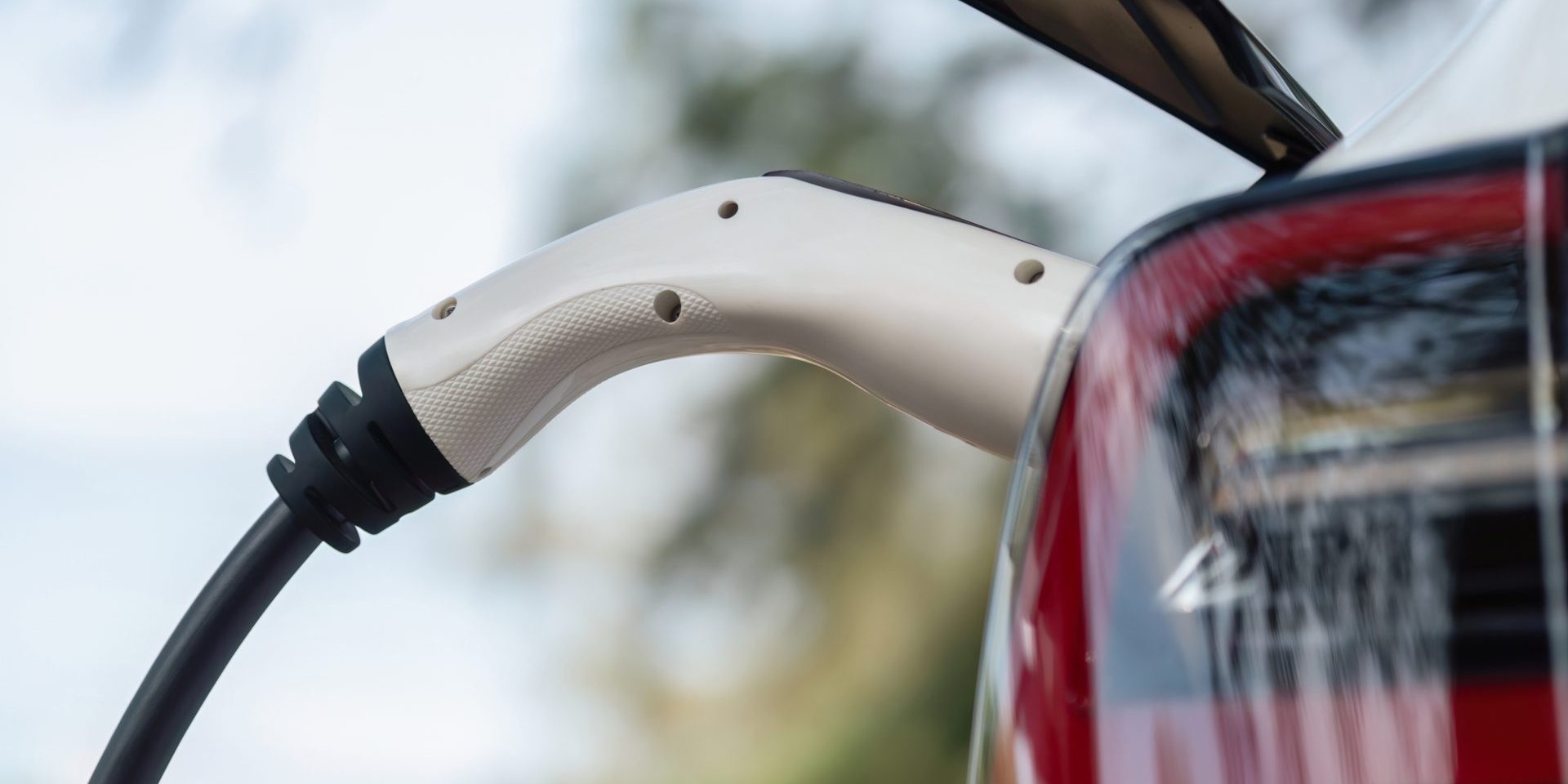

- Thatcham Research says too many electric cars are being written off after crashes that would leave a petrol or diesel car back on the road within weeks.
- The battery pack alone can account for up to 40 percent of an electric car’s total value, so even minor damage near it can tip an insurer toward a total loss.
- Nearly 45 percent of insurers and 42 percent of repair professionals now name battery handling as their biggest concern when assessing an electric car after a collision.
Why a Small Dent Can End an Electric Car’s Life
An electric car owner whose vehicle suffers what looks like modest collision damage faces a real chance of watching it declared a total loss, even when the same impact on a petrol equivalent would mean a quick, ordinary repair. Thatcham Research, the UK’s motor insurance safety and repair body, has published new guidance after finding that battery packs, which can represent up to 40 percent of a car’s total value, are driving insurers toward write-offs rather than repairs whenever there is any uncertainty about damage near the pack. In a survey of the industry behind that guidance, 44.6 percent of insurers and 41.7 percent of repair professionals named battery-related assessment as their single biggest obstacle to repairing electric cars economically.
The problem is not that the batteries themselves are unusually fragile. It is that current electric car designs make it hard to tell, quickly and cheaply, whether a battery pack that has been in a minor collision is actually damaged or perfectly safe to keep using. Faced with that uncertainty, and the safety risk of getting it wrong, insurers default to writing the car off rather than paying for the diagnostic work that would settle the question. Jonathan Hewett, who worked on the guidance, put it plainly: too many repairable vehicles are being written off simply as current designs do not allow for quick, low cost assessment and repair.
What This Costs an Electric Car Owner
A total loss settlement pays out the car’s market value at the time of the crash, minus any policy excess, which for anyone still paying off finance on the vehicle can leave a shortfall between what the insurer pays and what is still owed. It also means losing a car that might have needed only a new bumper, a sensor recalibration or a battery management check, in exchange for whatever a replacement costs on a market where used electric cars have been in high demand. Thatcham’s own data shows electric car repair costs falling by 10.7 percent over the past year as the industry gains experience, which suggests the pattern is starting to improve, but it also confirms how much money has been getting spent unnecessarily on repairs that either did not need to happen or should have cost far less than they did.
Separate claims data from North America shows the same trend in reverse: the cost gap between repairing an electric car and repairing a petrol equivalent has narrowed to its lowest level on record, as the fleet matures and repairers build the practical know-how to fix rather than replace. Britain’s insurers are on the same trajectory, but Thatcham’s findings suggest the country is still some way from where car design actually makes routine repair the norm rather than the exception.
The Eight Fixes Thatcham Wants Manufacturers to Make
Thatcham’s blueprint sets out eight design changes intended to stop unnecessary write-offs before they happen. They include resettable emergency safety systems, so a minor trigger does not force a permanent shutdown of the battery; simplified battery handling procedures for technicians; standardised damage assessment guidelines that apply across manufacturers rather than each brand setting its own rules; open, non-proprietary diagnostics so independent garages can check a battery’s condition without needing manufacturer-specific tools; better physical protection for the battery from impact; a modular battery design that allows a damaged section to be replaced without swapping the entire pack; and repositioning vulnerable components away from the areas most likely to be hit in a typical collision.
None of these changes affect cars already on the road, which is the immediate problem for anyone currently driving an older electric model. Dan Harrowell, who also worked on the guidance, said how affordable it is to insure these cars largely relies on how well the industry can handle repairs after accidents, which means the write-off problem and the insurance cost problem are really the same issue looked at from two different angles.
The Battery Degradation Fear Is Overstated
Buyers comparing a used electric car against the rest of the vehicle’s condition often worry about the battery wearing out first, and separate testing suggests that fear is largely misplaced compared with the crash repair problem. Testing of more than 8,000 vehicles found electric cars aged four to five years retain a median 93.53 percent of their original battery capacity, and cars aged eight to nine years still retain a median 85 percent. In other words, ordinary daily use is not the threat to an electric car’s battery that many buyers assume it is. A crash that damages the pack, and the industry’s current struggle to assess that damage cheaply, is a far bigger factor in whether a given car survives to see its tenth birthday.
What an Electric Car Owner Can Do Now
After any collision, however minor it looks, an electric car owner should ask their insurer directly whether the assessment will include a proper battery diagnostic check or whether the car is being written off on a precautionary basis. Requesting a second opinion from an independent EV-approved repairer before accepting a total loss settlement can be worthwhile, especially for a car still within a manufacturer’s battery warranty, as the manufacturer’s own technicians can often confirm the pack’s condition using tools the insurer’s assessor does not have. This second opinion typically costs nothing more than the time it takes to arrange, and a written report confirming the battery is undamaged gives an owner solid ground to push back on a write-off decision, or to negotiate a higher settlement figure if the insurer still declines to repair. Anyone shopping for insurance on an electric car can also ask directly whether the insurer has a policy of paying for battery diagnostics rather than defaulting to write-off, as this varies a great deal between insurers and can affect both the premium and what happens if the worst occurs. A specialist electric vehicle insurer, rather than a general provider that has simply added electric cars to its book, is more likely to have an agreed relationship with a battery diagnostics specialist already in place, which can shorten the wait for a decision after a crash from several weeks to a matter of days.
Why This Also Shows Up in Higher Premiums
Every unnecessary write-off feeds directly into what every other electric car owner pays for cover, as insurers price a policy against the average cost of a claim across the whole model, not against any single driver’s own accident history. A car model with a reputation among insurers for expensive, unpredictable claims after even minor damage will carry a higher premium across the board, regardless of how carefully any individual driving that model actually drives. This is part of why electric car insurance has, for several years, tended to sit above the cost of insuring an equivalent petrol model, a gap that buyers moving to their first electric car are often surprised by when they first get a quote. Thatcham’s own figures on falling repair costs suggest that gap should start narrowing as more repairers gain the skills and equipment to fix rather than write off, but that improvement will show up gradually across the whole market rather than as a sudden drop for any one driver.
What to Ask Before You Buy
A buyer considering a specific electric car model can ask a dealer, or search directly, whether that model has a known pattern of write-offs after minor damage, as some manufacturers have made faster progress than others on the kind of modular, repairable battery design Thatcham is now pushing the whole industry toward. Checking a model’s typical insurance group before buying gives a rough proxy for this, as insurance groups already reflect, to some degree, how expensive a model has proven to repair in practice. A car sitting in an unexpectedly high insurance group for its size and price is sometimes flagged there precisely on account of battery repair costs rather than any issue with the rest of the vehicle, and asking a dealer directly why a specific model carries the group it does is a reasonable question few buyers think to ask before signing.
Sources:

Leave a Comment
More in News
Diesel Drivers Pay £31 More Per Tank Than a Year Ago, DESNZ Data Shows

Dodge Extends Durango Taillamp Warranty to Five Years, Unlimited Miles

Edinburgh Council Issued 40,945 LEZ Fines and Cancelled 2,773 After Driver Challenges

What a Coolant Warning Light Means Before It Costs You a £1,000 Repair
Progressive’s Profit Fell 3 Percent Even as It Added 1.4 Million Car Insurance Policies
Trending on Motoring Chronicle
New Data on 1.6 Million Repairs Reveals Which Used Cars Cost the Most to Fix

Why California’s Gas Tax Just Hit a Record 63.4 Cents a Gallon

Horizon, elevated: Automobili Lamborghini brings the third edition of #SheDrivesaLambo to Courchevel

Why Charging Your Electric Car From Home Could Still Get You a Fine
