
How DVLA’s New Medical Licence Team Will Change Things for 900,000 Drivers
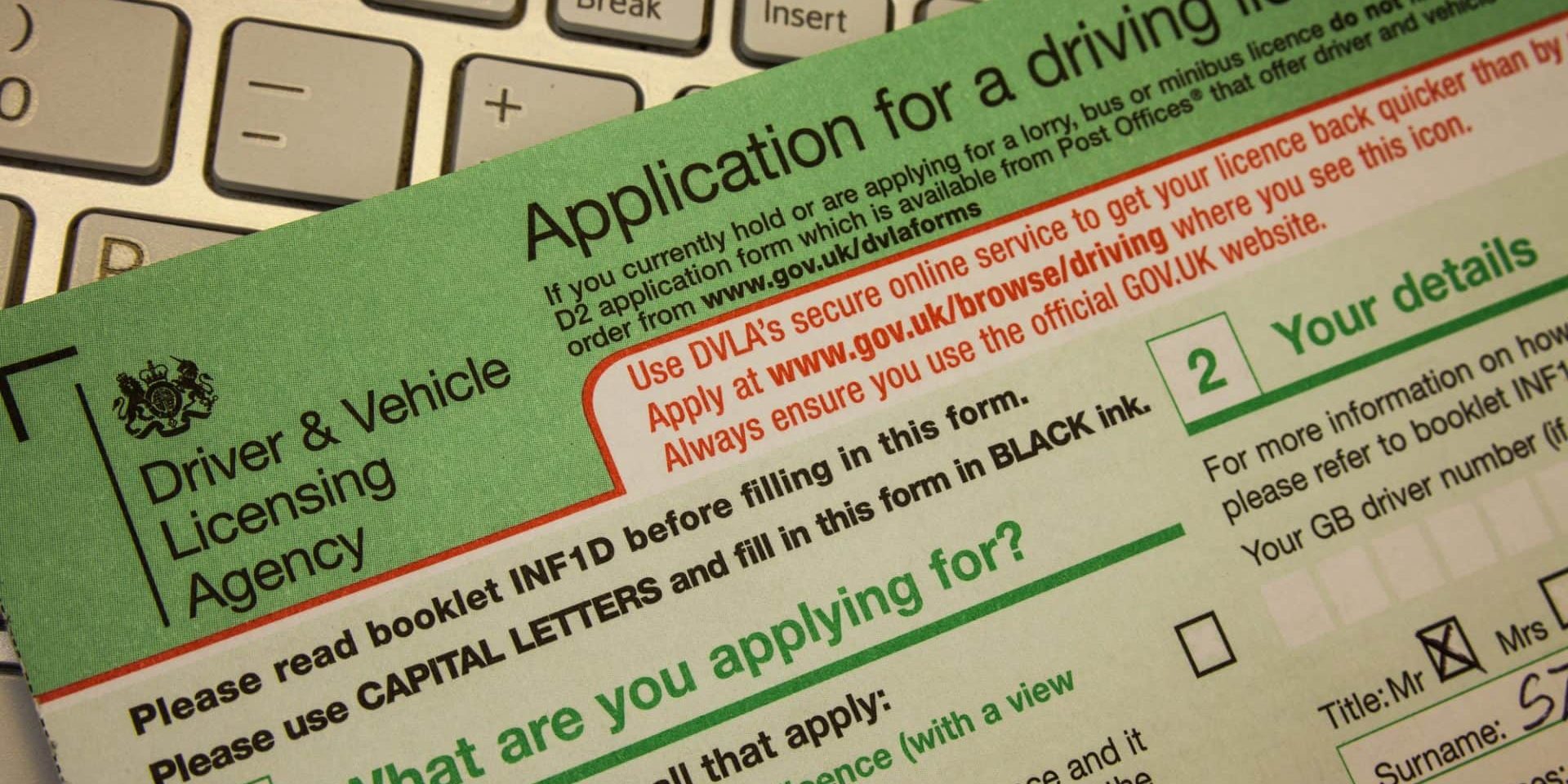
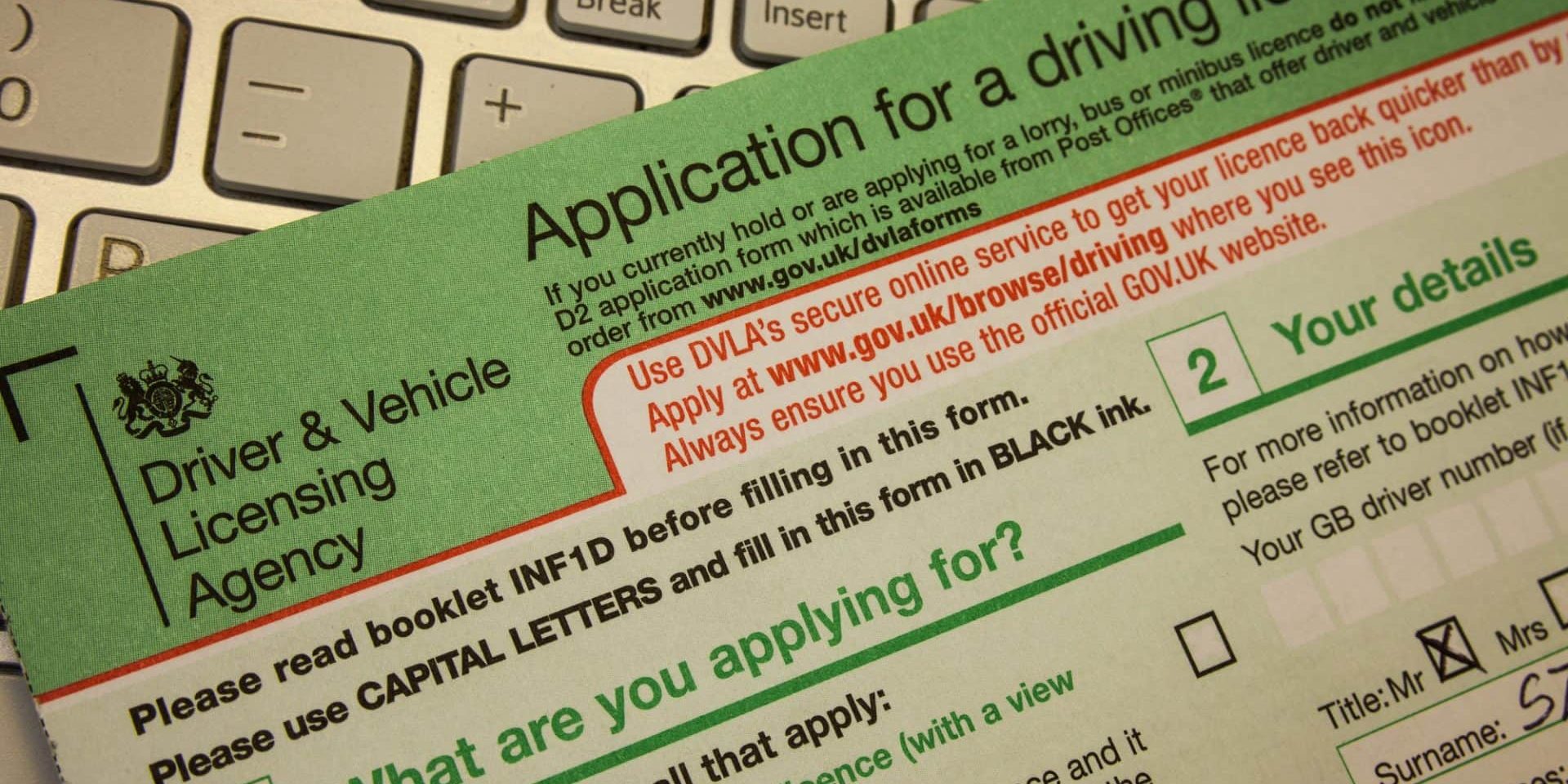
Around 900,000 medical notifications are expected to reach the DVLA this year from drivers who have been told by their GP or specialist that they have a condition affecting their ability to drive safely. That is a significant number of people caught up in a process that has, by the government’s own admission, become too slow and too likely to leave drivers waiting for months without a clear answer. A newly formed team is now tasked with changing that.
The team, referred to in government documents as “NewCo,” is a formal partnership between the DVLA and GDS CustomerFirst, a Government Digital Service initiative. For the millions of drivers in the UK managing long-term health conditions, this development marks the first significant structural change to how medical licensing cases are handled in years, and the implications for anyone waiting on a DVLA decision are considerable.
What the New DVLA Partnership Is Designed to Do
The NewCo partnership was formally established following the launch of GDS CustomerFirst as a two-year pilot programme in March and April 2026. The Government Digital Service created CustomerFirst to bring user-centred design thinking and modern digital skills into departments where processes have fallen behind demand. The DVLA’s medical licensing operation was identified as one of the areas where that kind of intervention was most urgently needed.
The central ambition of the partnership is to develop a new digital medical services portal that would replace much of the paper-based workflow that currently characterises how drivers submit information and receive updates on their case. At present, many drivers rely on letters and phone calls that can take weeks to arrange, leaving them uncertain about whether their licence remains valid and when they can expect a resolution.
The team is currently running what are described as test-and-learn activities: smaller-scale trials of new tools and processes that will allow the partnership to identify what works before any approach is rolled out more widely. The intention is to prove out the approach on a manageable scale, learn from what happens, and then expand. This is standard practice for GDS-led digital transformation, though the pace of rollout will be watched closely by those who have been waiting longest for a decision.
The scale of the challenge is considerable. With 900,000 expected medical notifications arriving at the DVLA in 2026 alone, and a backlog that has been building for several years, the new team is inheriting a substantial workload. For many drivers, particularly those in jobs that require them to drive, delays in processing their case are not just inconvenient. They can mean weeks or months without the ability to work, and without any clear timeline from the licensing authority about when a decision will be made.
Which Medical Conditions Require You to Notify the DVLA
If you have a health condition that could affect your ability to drive safely, you are legally required to tell the DVLA. The list of conditions that trigger this obligation is broad, and it covers many conditions that millions of people manage every day without any obvious impairment to their driving. The key question is not whether you feel safe to drive but whether the DVLA’s published criteria say your condition must be declared.
Diabetes is one of the most common reasons drivers need to notify the DVLA, particularly where insulin treatment is involved or where complications affecting vision, sensation, or awareness have developed. Glaucoma and other conditions that affect the visual field must also be declared, as must serious cardiac conditions including certain arrhythmias, recent heart attacks, and some forms of heart failure. Sleep apnoea, if untreated or severe, triggers a notification obligation because of the risk of falling asleep at the wheel without warning.
Neurological conditions form another major category. Epilepsy requires notification, as do strokes, transient ischaemic attacks, and unexplained episodes of fainting or blackout. Drivers who have had a blackout with no identified cause may need to stop driving temporarily while investigations are carried out, after which the DVLA will decide whether driving can resume and under what conditions. The obligation applies regardless of how long ago the episode occurred if a cause has not been established.
Mental health conditions can also trigger a notification requirement in certain circumstances, as can physical conditions affecting the ability to control a vehicle safely. The DVLA publishes detailed guidance covering each condition category, and the obligation applies to both Group 1 licences covering cars and motorcycles, and Group 2 licences covering lorries and buses. Stricter standards apply to Group 2, meaning that some conditions that do not affect a car driver’s licence may still disqualify someone from holding a vocational licence.
What Happens Once You Have Notified the DVLA
Once a notification is received, the DVLA begins a review process that varies in length depending on the complexity of the condition and how quickly medical reports can be obtained. For straightforward cases where the evidence is clear, the DVLA may confirm quickly that the licence remains valid, sometimes with conditions attached such as a requirement to wear corrective lenses or to have the vehicle adapted for physical limitations. More complex cases require detailed reports from the driver’s GP or specialist before a decision can be made.
The waiting period while medical reports are gathered and reviewed is where most of the frustration in the current system lies. NHS waiting times mean that obtaining a report from a specialist can itself take weeks, and the DVLA’s own processing time is then added on top of that. During this period, many drivers receive little communication about where their case stands, which leads to repeated phone calls and letters to the DVLA from people who simply want to know whether they are still legally allowed to drive.
The outcome of a review can range from confirmation that the licence continues unchanged, to the issue of a short-period licence requiring renewal after one, two, or three years for ongoing monitoring, to the revocation of the licence entirely. Where a licence is revoked, the driver has the right to appeal to a magistrates’ court. Specialist lawyers who handle driving licence cases report that a significant proportion of revocation decisions are successfully challenged where current and well-documented medical evidence is presented.
The £1,000 Fine and Why It Is a Risk Every Driver Should Understand
Failing to notify the DVLA of a relevant medical condition is a criminal offence. The penalty on conviction is a fine of up to £1,000. That figure may not seem large in isolation, but the consequences of non-disclosure extend well beyond any fine that a court might impose.
The more serious risk is what happens to your insurance cover. If you are involved in a collision and it later comes to light that you had a notifiable condition you had not declared, your insurer may treat the policy as void. In practice that means they could refuse to pay out on any claims arising from the incident. In cases involving serious injury to other road users or substantial property damage, a driver could be left personally liable for sums that dwarf anything a criminal fine would represent.
The DVLA has consistently said it would rather hear from drivers proactively than prosecute those who failed to disclose. Drivers who are unsure whether a particular condition needs to be reported are encouraged to check the GOV.UK guidance tool or to contact the DVLA’s medical enquiries line for advice before assuming notification is unnecessary. The new digital portal being developed by the NewCo team should, when ready, make this initial step considerably easier and less daunting.
What Drivers With Medical Conditions Should Do Now
If you have recently received a diagnosis that you think might require a DVLA notification, the most important first step is to check the GOV.UK guidance independently rather than relying entirely on your doctor to tell you whether disclosure is needed. GPs and consultants vary in how clearly they communicate licensing obligations to patients, and it is not uncommon for people to go months or even years without realising they should have informed the DVLA about a condition.
If you are already waiting for a DVLA medical decision, the new NewCo team is not yet in a position to fast-track individual cases already in the existing queue. The test-and-learn activities are focused on designing better processes for the future rather than clearing the current backlog immediately. Drivers who have been waiting for what they consider an unreasonable period can contact the DVLA’s medical group directly and formally request a progress update, which can sometimes prompt movement on a case that has stalled.
For drivers approaching the renewal of a short-period licence, submitting the renewal application well before the current licence expires is strongly advisable. Applications submitted close to the expiry date are more likely to result in a gap in licence validity while the renewal is being processed, which can cause significant problems for employment where driving is required and may affect insurance arrangements.
Longer term, the digital portal being developed by the NewCo team should give drivers a much clearer picture of where their case stands and what is needed from them at each stage of the process. For the 900,000 people going through the medical licensing system every year, a service that communicates clearly, processes cases at a reasonable pace, and gives applicants visibility of their own case would represent a meaningful improvement over what many have experienced to date. Whether the NewCo partnership can deliver that within its two-year window remains to be seen, but the direction of travel is welcome.
Sources: GB News (28 May 2026); GOV.UK medical conditions, disabilities and driving guidance; Government Digital Service CustomerFirst programme.

Leave a Comment
More in News

Does a Failed MOT Devalue a Car? The Part of the Record Buyers Should Actually Read

What an AdBlue Warning Light Really Means Before Your Diesel Refuses to Restart

How Bus Lane Cameras Earned Councils £37.7 Million by Fining UK Drivers This Year
Every New Car Buyer Could Get Bigger Discounts as Britain Misses Its EV Target

Drivers Using Rapid EV Chargers Pay 79p a kWh, Up 4 Percent, Zapmap Shows
Trending on Motoring Chronicle

MINI Cooper S Rooftop Edition Arrives This Fall From $39,995

Lamborghini Diablo: celebrating 35 years of an icon [Photo Gallery]
Belfast Drivers Pay £892 for Car Insurance, £309 More Than Causeway Coast, Quotezone Shows

NHTSA Investigates 1.2 Million Teslas Over a Suspension Part That Can Detach
