GM Sued Over Brake Failures in Popular Equinox, Terrain and Envision SUVs

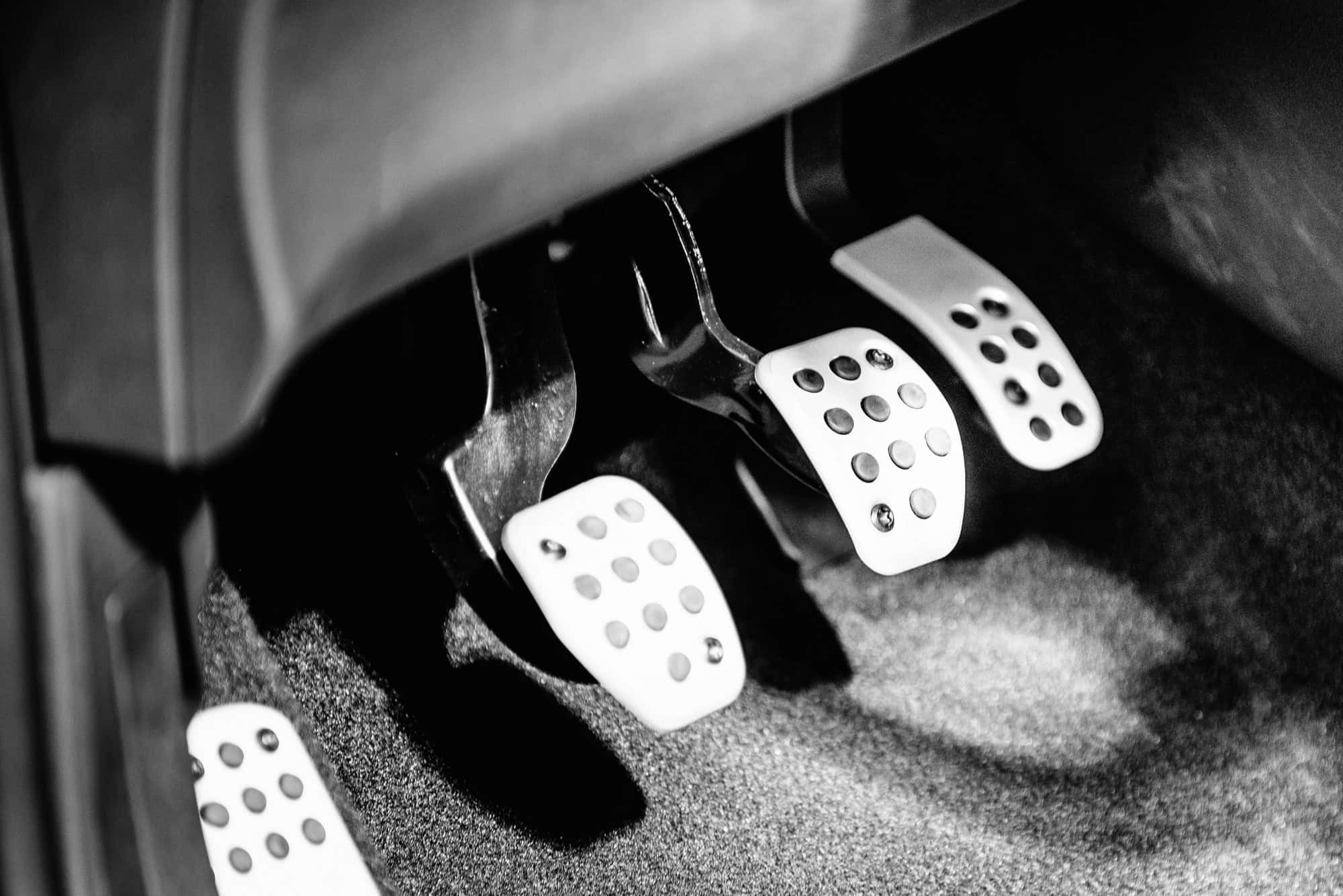
A new lawsuit accuses General Motors of knowing about a brake defect in hundreds of thousands of Buick, Chevrolet and GMC SUVs since 2017 and never issuing a full recall to fix it. Owners of the 2016-2020 Buick Envision, 2018-2022 Chevrolet Equinox and 2018-2022 GMC Terrain say a failing vacuum pump can leave them with a hard, unresponsive brake pedal and a much longer stopping distance, sometimes with no warning before it happens.
The case, filed in February in the U.S. District Court for the Eastern District of Michigan, argues GM already fixed this exact defect in millions of other vehicles through a 2019 recall but deliberately left these three models off the list.
What the Lawsuit Says Is Wrong With the Brakes
The complaint, Thieme et al. v. General Motors LLC, was filed by three owners, Kaylee Thieme, Rebecca Gill and Meghan Morley, who want to represent a nationwide class of Envision, Equinox and Terrain owners. Their claim centers on the brake booster vacuum pump, a component that helps convert a driver’s foot pressure on the pedal into effective braking force. When the pump fails, power assist drops off and the pedal becomes noticeably harder to press, which increases the distance a vehicle needs to stop, especially in an emergency.
Owners describe the failure happening with little warning: a dashboard light, a pedal that suddenly feels different underfoot, or brakes that simply do not respond the way they should mid-drive. The lawsuit points to GM’s own technical service bulletins on vacuum lines, booster swaps and related fault codes dating back to 2017 as evidence the automaker knew about the pattern years before any of the current plaintiffs bought their vehicles.
A Defect GM Already Recalled Once, in Different Vehicles
The lawsuit’s central argument is comparison. In 2019, GM recalled roughly 3.4 million vehicles for a nearly identical brake assist problem tied to a vacuum pump that could fail and gradually lose power over time, making the pedal harder to press. That recall covered a wide range of GM trucks and SUVs, but the plaintiffs say the Envision, Equinox and Terrain used a comparable pump setup and were never included, even as they showed the same failure pattern in the years since.
Why Owners Say GM Left These Models Out
According to the complaint, GM had already identified a safety-critical problem in the brake vacuum system as early as March 2017, when it issued an internal stop-delivery order for affected vehicles rather than a public recall. The suit alleges GM chose not to disclose the defect because doing so would have immediately reduced resale value and forced the company to cover a wave of costly repairs across hundreds of thousands of vehicles still under warranty or recently sold.
The complaint also cites years of owner complaints and repair-forum posts describing repeat pump failures, sometimes with pump debris migrating into the engine and causing secondary damage beyond the brakes themselves. The lawsuit alleges violations of the Magnuson-Moss Warranty Act along with state consumer protection laws in Michigan, Arizona and New Jersey, and adds claims of fraudulent concealment and unjust enrichment against GM.
Where the Case Stands and What GM Has Said
The case, number 2:26-cv-10570, is assigned to Judge Robert J. White and remains in its early stages. GM had not filed a public response as of publication, and the automaker has not issued a recall covering the Envision, Equinox or Terrain tied to this specific vacuum pump complaint. The plaintiffs are represented by attorneys from The Miller Law Firm and Clarkson Law Firm, and they are seeking class certification, monetary damages, and remedies that could include free repairs or a buyback of affected vehicles if the case succeeds.
Owner comment threads tracking the case show a steady stream of people reporting the same repair pattern well into July, including drivers who say they have already replaced a failing vacuum pump once, only to be told by a mechanic that a second failure is likely. That pattern is exactly what the lawsuit argues GM should have addressed through a recall rather than leaving individual owners to discover and pay for the fix themselves.
What Owners of These SUVs Should Do
Owners of a 2016-2020 Buick Envision, 2018-2022 Chevrolet Equinox or 2018-2022 GMC Terrain who notice a harder brake pedal, a longer stopping distance, or a dashboard warning tied to brake assist should have the vacuum pump inspected right away rather than waiting for symptoms to worsen. Because this is a lawsuit rather than an announced recall, there is no free repair program in place yet, and any pump replacement in the meantime is likely to come out of pocket unless it happens while the vehicle is still under GM’s original warranty.
Owners who have already paid for a vacuum pump repair, especially a repeat repair, should keep every invoice and repair order. Those records are exactly what a class action case relies on to demonstrate a pattern of failure across many vehicles, and they would also support an individual claim for reimbursement if the lawsuit results in a settlement. Drivers can also file a complaint directly with NHTSA at nhtsa.gov, since a rising number of formal complaints on the same defect is one of the levers that can push a manufacturer toward a public recall even before litigation concludes.
The case is still months, if not years, from a resolution. Class certification has to be decided before the lawsuit can proceed as a nationwide case, and GM has not indicated whether it will contest the claims in court or move toward a settlement.
Sources:

Leave a Comment
More in News

Does a Failed MOT Devalue a Car? The Part of the Record Buyers Should Actually Read

What an AdBlue Warning Light Really Means Before Your Diesel Refuses to Restart

How Bus Lane Cameras Earned Councils £37.7 Million by Fining UK Drivers This Year
Every New Car Buyer Could Get Bigger Discounts as Britain Misses Its EV Target

Drivers Using Rapid EV Chargers Pay 79p a kWh, Up 4 Percent, Zapmap Shows
Trending on Motoring Chronicle
Can You Still Pass? Mandatory Eye Tests for Over-70 Drivers Are Closing In

Gas Prices Fall for a Third Straight Week but Stay at Four Year Highs
Mazda CX-5 review: New, improved bestseller needs a full hybrid boost
Why Any Warning Light on Your Dashboard Will Now Automatically Fail Your MOT