Company Car Diesel Drivers Can Lose £384 a Year as HMRC Rates Lag Pumps
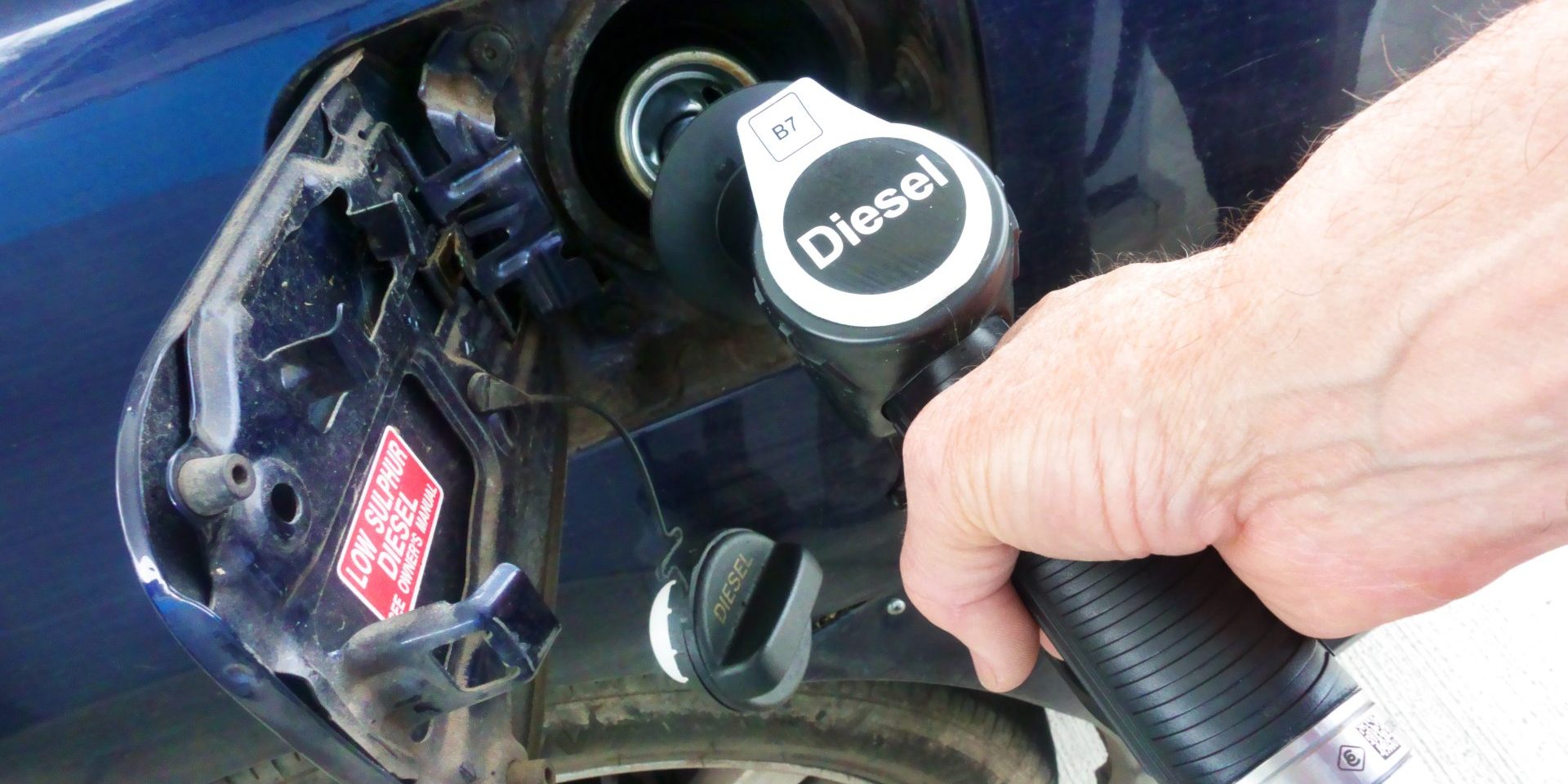
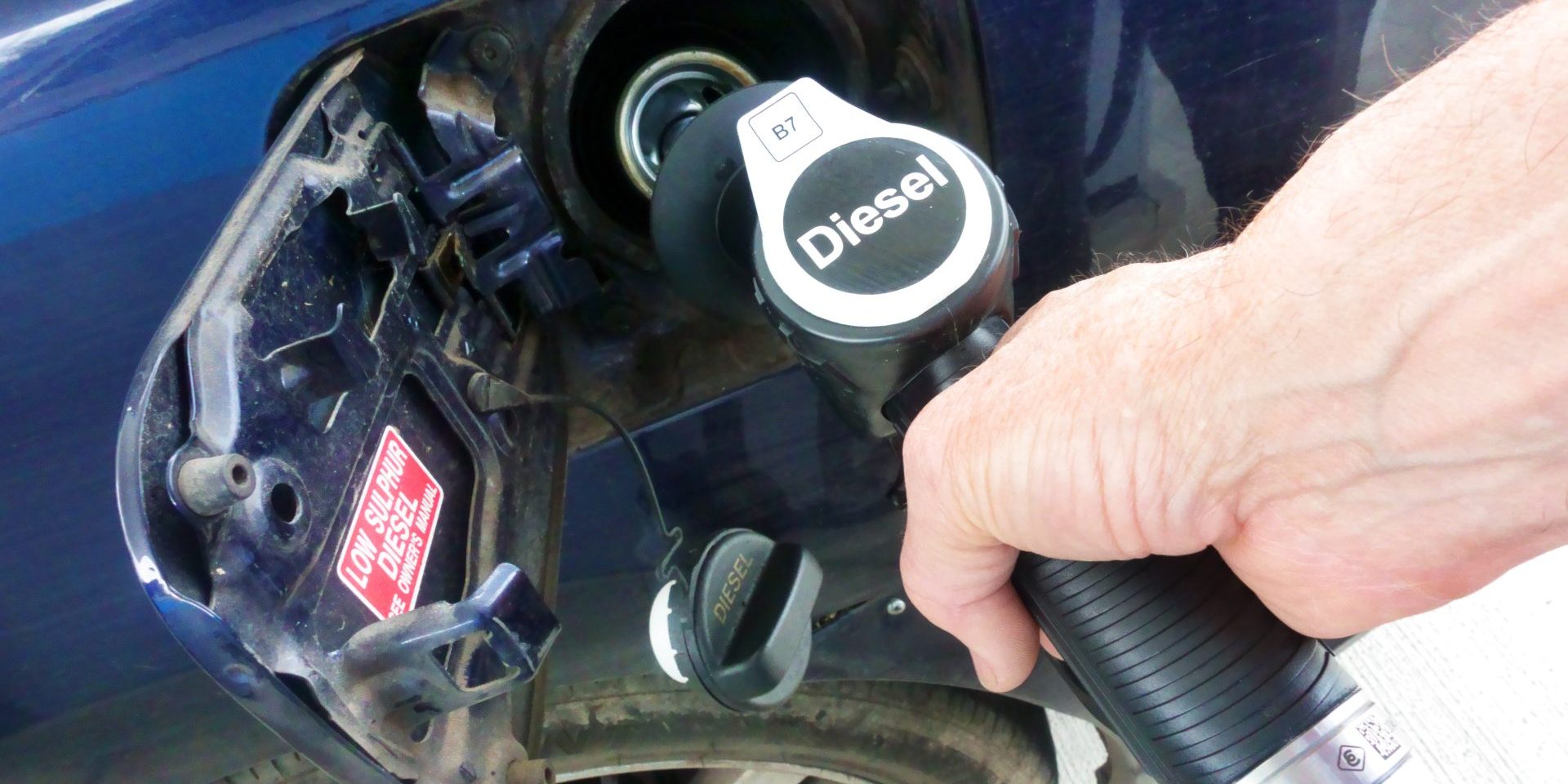
- HMRC cut its advisory fuel rate for 1.6 to 2.0 litre diesel company cars from 17p to 16p a mile on 1 September 2026, using a diesel price of 179.2p a litre.
- Government figures now put average diesel at 195.53p a litre, 9.1 percent above HMRC’s number, so the real fuel cost for that engine band is about 17.9p a mile.
- A driver covering 20,000 business miles in a 1.6 to 2.0 litre diesel is around £384 a year out of pocket, rising to £457 in a diesel over 2.0 litres.
Company car drivers who pay for their own fuel and claim it back from their employer are being repaid at rates set with pump prices that no longer exist. HMRC’s advisory fuel rates, the pence per mile figures most employers use to reimburse business fuel, were recalculated on 21 August 2026 and took effect on 1 September. Two diesel rates went down. Diesel at the pumps has gone up by more than 12p a litre in the four weeks that followed.
The result is a gap between what a diesel company car driver spends at the pump and what the employer pays back for every business mile. For the most common diesel engine size, that gap is now close to 2p a mile. Over a typical year of business driving it adds up to hundreds of pounds, and it comes out of the employee’s pocket, not the company’s.
What HMRC Changed on 1 September
Advisory fuel rates only apply to company cars. They are the figures an employer uses either to reimburse an employee for fuel used on business trips, or to charge the employee for fuel used on private trips. If the employer pays at or below the advisory rate, there is no tax or National Insurance to pay on the reimbursement. HMRC reviews the rates four times a year, on 1 March, 1 June, 1 September and 1 December.
From 1 September 2026, four rates changed:
- Petrol over 2,000cc went up from 26p to 27p a mile.
- Diesel from 1,601cc to 2,000cc went down from 17p to 16p a mile.
- Diesel over 2,000cc went down from 23p to 22p a mile.
- LPG over 2,000cc went down from 21p to 20p a mile.
Everything else stayed the same. Petrol cars up to 1,400cc stay at 14p a mile and those from 1,401cc to 2,000cc stay at 17p. Diesel cars up to 1,600cc stay at 15p. The advisory electric rate stays at 7p a mile for home charging and 15p a mile for public charging. Hybrids are treated as petrol or diesel cars, depending on the engine.
Compared with a year ago, the rates are higher across the board. The 1,601cc to 2,000cc diesel rate was 13p a mile from 1 September 2025, so 16p is still a 23 percent rise over 12 months. The big diesel rate is up from 18p to 22p, and the big petrol rate from 22p to 27p. The problem is not the direction over the year. It is the snapshot HMRC used this quarter.
The Diesel Price HMRC Used Is Already 16p Out of Date
HMRC publishes its workings alongside the rates. For each engine band it lists an average fuel economy figure, taken from manufacturer data based on the cars businesses have bought over the last three years, and the fuel price it used. For the September quarter those prices were 159.9p a litre for petrol and 179.2p a litre for diesel.
Those were close to the pump prices at the start of August. The Department for Energy Security and Net Zero weekly road fuel price series, the same data HMRC takes its prices from, recorded diesel at 179.19p a litre in the week of 3 August. It has climbed every week in September:
- 182.82p a litre in the week of 24 August
- 186.36p in the week of 7 September
- 190.72p in the week of 14 September
- 195.53p in the week of 21 September, the latest figure
That puts diesel 16.3p a litre, or 9.1 percent, above the price HMRC built into the rates. Petrol has moved too. The latest weekly average is 172.01p a litre, 12.1p or 7.6 percent above HMRC’s 159.9p. Diesel’s latest price is also the highest point in the 52-week series, where the low was 140.72p.
Running HMRC’s own method with the latest prices shows how far the real cost per mile now sits above each rate. The method is simple: the price per gallon divided by the average miles per gallon for the engine band. Using HMRC’s published mpg figures and the 21 September pump prices:
- Diesel 1,601cc to 2,000cc (49.6mpg): real cost about 17.9p a mile against a 16p rate, a shortfall of 1.9p a mile.
- Diesel over 2,000cc (36.6mpg): real cost about 24.3p a mile against 22p, a shortfall of 2.3p a mile.
- Diesel up to 1,600cc (55.7mpg): real cost about 16.0p a mile against 15p, a shortfall of 1p a mile.
- Petrol over 2,000cc (27.2mpg): real cost about 28.8p a mile against 27p, a shortfall of 1.8p a mile.
- Petrol up to 1,400cc (50.7mpg): real cost about 15.4p a mile against 14p, a shortfall of 1.4p a mile.
- Petrol 1,401cc to 2,000cc (42.8mpg): real cost about 18.3p a mile against 17p, a shortfall of 1.3p a mile.
These figures are Motoring Chronicle calculations. They use HMRC’s average fuel economy for each band, so a driver whose car does better or worse than that average will see a different gap.
What the Gap Costs Over a Year
A shortfall of a penny or two a mile sounds small. Business mileage turns it into real money. For a driver whose employer pays the advisory rate and nothing more, the yearly cost at current prices looks like this:
- Diesel 1,601cc to 2,000cc: about £192 at 10,000 business miles, £231 at 12,000 and £384 at 20,000.
- Diesel over 2,000cc: about £229 at 10,000 miles, £274 at 12,000 and £457 at 20,000.
- Petrol over 2,000cc: about £175 at 10,000 miles and £350 at 20,000.
- Petrol up to 1,400cc: about £142 at 10,000 miles and £285 at 20,000.
The diesel bands are where the gap is widest, and they are the two bands where HMRC cut the rate. The 1,601cc to 2,000cc diesel band covers a large share of company estates, SUVs and saloons, which is why it is the one most employees on a diesel company car are likely to fall into.
The gap will not last for ever. HMRC’s next review lands on 1 December 2026, and if pump prices stay where they are, the diesel rates are likely to rise. That still leaves September, October and November to be repaid at the lower figure. A driver doing 20,000 business miles a year covers roughly 5,000 in a quarter. In a 1.6 to 2.0 litre diesel that is close to £100 of fuel over those three months that the reimbursement does not cover.
Employers are also allowed to keep using the previous quarter’s rates for up to a month after new ones apply. Any employer still on the June figures would have paid 17p rather than 16p on mid-size diesels, which narrows the gap for those weeks. That grace period runs out at the end of September.
Who Is Affected and Who Is Not
These rates do not apply to anyone driving their own car for work. Employees using a private car are covered by the separate approved mileage allowance, which rose from 45p to 55p a mile for the first 10,000 business miles from 6 April 2026 and was written into law by the Taxation (Energy and Vehicles) Act 2026 in July. That rate is meant to cover all the costs of running a car, not just fuel.
The advisory fuel rates only affect company car drivers whose employer reimburses them for business fuel per mile. Drivers with a fuel card, where the company pays for all fuel and the employee pays the fuel benefit charge or reimburses private mileage, are not short on business mileage in the same way. Electric company car drivers are also on separate rates, and the home and public charging figures did not change this quarter.
There is a second group worth mentioning. Some employers use the advisory rates to charge employees for private fuel. For those drivers, a lower rate is a small benefit: the employee repays less per private mile than the fuel really costs the company.
Can You Avoid It
The advisory rate is a safe harbour, not a ceiling. HMRC’s guidance says that where the cost of business travel is higher than the advisory rates, an employer can use its own rate, provided it can show the fuel cost per mile is higher. Paying more than the advisory rate without that evidence means the excess is taxed as earnings. There are three practical steps.
Ask your employer to pay a higher rate with evidence. The simplest proof is a set of fuel receipts alongside your car’s real fuel economy. Take a couple of months of receipts, divide the cost per gallon by the mpg shown on your trip computer or worked out from fill-ups, and you have a cost per mile. If it comes out at 18p against a 16p rate, that is a case your payroll or fleet team can use. Some firms already set their own rates from real fuel card data for this reason.
Claim tax relief on the difference if the employer will not pay it. GOV.UK’s guidance on job expenses says company car drivers can claim tax relief on money spent on fuel and electricity for business trips, and on the difference where the employer reimburses only part of it. You need records of the actual fuel cost. This does not return the full shortfall. It returns the tax on it: 20 percent for a basic rate taxpayer, so about £77 on a £384 gap, or 40 percent for a higher rate taxpayer, about £154. Claims can go back four tax years. Anyone who files a Self Assessment return has to claim through the return rather than the online service.
Cut what you pay at the pump. The rate is fixed until December, so the price you pay per litre is the only part you control. The DESNZ figures are national averages; supermarket forecourts are usually cheaper than motorway services and many branded sites. On a 60 litre diesel fill, a 5p a litre saving is worth £3, which over a quarter of heavy business mileage can close a large part of the gap on its own.
It also helps to check which band your car falls into. The engine size on the V5C logbook decides the rate, and a 1,995cc diesel sits in the 1,601cc to 2,000cc band, not the larger one. Being paid on the wrong band can cost or gain you a few pence on every mile.
HMRC expects to publish its next set of rates in late November, to take effect from 1 December 2026. If diesel stays above 190p a litre, the 1,601cc to 2,000cc rate would work out at 17p or 18p a mile under HMRC’s method, which would close most of the current gap.
Sources
- HM Revenue and Customs, Advisory fuel rates, GOV.UK guidance, last updated 21 August 2026 (rates from 1 September 2026, fuel prices and mean mpg used, previous quarterly rates).
- Department for Energy Security and Net Zero, Weekly road fuel prices (oil and petroleum products weekly statistics), weeks of 3 August to 21 September 2026.
- HM Revenue and Customs, Claim tax relief for your job expenses: vehicles you use for work, GOV.UK, updated September 2026.
- HM Revenue and Customs, Increasing mileage rates, policy paper, published 17 June 2026; Taxation (Energy and Vehicles) Act 2026, Royal Assent 15 July 2026.
- Per mile and annual shortfall figures are Motoring Chronicle calculations using HMRC’s published method and mpg figures with the DESNZ price for the week of 21 September 2026, rounded.

Leave a Comment
More in News

How to Remove Moisture From Inside Your Headlight Before It Costs You £500
What Red and Amber Warning Lights Actually Mean (and Which Fail an MOT)

How to De-Ice Your Windscreen Fast Without Cracking It (and Staying Legal)

New Cars Face Euro 7 Rules From 29 November With a £264 Price Rise
What the Traffic Penalty Tribunal’s 33 Percent Success Rate Means for Every Driver
Trending on Motoring Chronicle

NHTSA Investigates 114,922 Rivian SUVs and Trucks Over a Suspension Failure
Why Filling at BP, Shell or Esso Costs UK Drivers £2.80 More a Tank

UK Drivers’ Car Insurance Premiums Jump 9.7 Percent to £1,184, Consumer Intelligence Reveals

Nissan bids fond farewell to R35 GT-R as final vehicle rolls off the line