
Bentley Motors leads the way by committing to the use of 100 per cent Sustainable Aviation Fuel for air freight


Bentley Motors has announced that it will use Sustainable Aviation Fuel (SAF) for all customer car airfreight movements worldwide. The commitment applies immediately and represents a significant step forward in Bentley’s global logistics decarbonisation strategy. By switching to SAF in cases where flights are essential, Bentley is significantly reducing emissions associated with air transport while maintaining the high levels of service expected by its customers.
Airfreight will always be a carefully controlled part of Bentley’s global logistics network and is used only when customers request, time-critical or market requirements make it necessary, but when it is required, it must be delivered in the most responsible way possible. As air transport produces significantly higher emissions than sea transport, the move to certified SAF represents a major step in reducing the environmental impact of these essential movements.

Aimee Kelly, Head of Sustainability at Bentley Motors, commented:
“Our transition to using certified Sustainable Aviation Fuel across all customer car airfreight movements reflects how we are taking measurable, evidence based steps to reduce emissions in the parts of our logistics network where flights remain necessary. SAF can deliver significant, independently verified reductions in life cycle CO₂e emissions compared with conventional jet fuel and this makes it a meaningful lever within our wider decarbonisation strategy.
“This initiative forms part of Bentley’s broader programme to reduce operational and value chain emissions in line with our long term Net Zero ambition. By integrating SAF into our logistics operations in this transparent and verifiable way, we’re strengthening the foundations needed to deliver our long term climate goals, while supporting our customers and markets with more responsible distribution practices.”
Sustainable Aviation Fuel is an ISCC-certified alternative to conventional jet fuel, produced from renewable or waste-based sources. It can be used in existing aircraft and airport infrastructure without modification. Depending on raw material and production methods, SAF can reduce lifecycle CO₂e emissions by up to 70–95 per cent compared with conventional jet fuel.
Since introducing SAF into its airfreight operations, Bentley has already transported customer cars using SAF, achieving substantial well-to-wheel CO₂e reductions compared with standard aviation fuel.
At present, the SAF usage covers all customer car movements. Early exploration is underway to extend SAF across additional logistics routes where air freight may be required.
This is a major step forward in decarbonising Bentley’s end to end supply chain and ensuring its logistics operations fully support the ambitions of Beyond100+.
The Beyond100+ strategy places sustainability at the core of the brand, redefining every aspect of the business to lead in sustainable luxury mobility. It secures Bentley’s long‑term commitment to low‑carbon, responsible luxury, combining care for the environment with supporting people and innovation.
If you enjoyed this article, be sure to follow us on Microsoft Start.

Leave a Comment
More in News
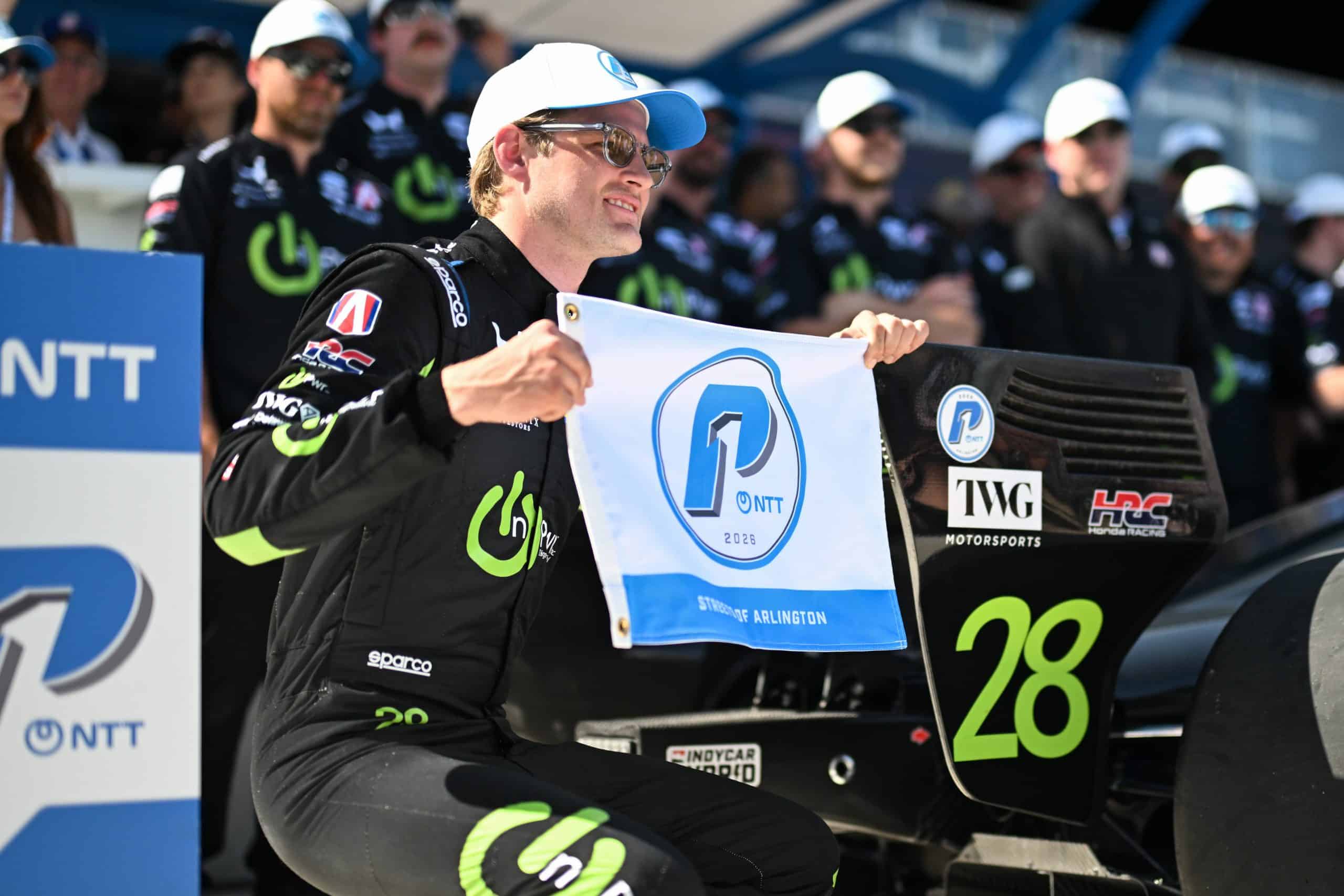
Marcus Ericsson Earns First Career IndyCar Pole at Arlington
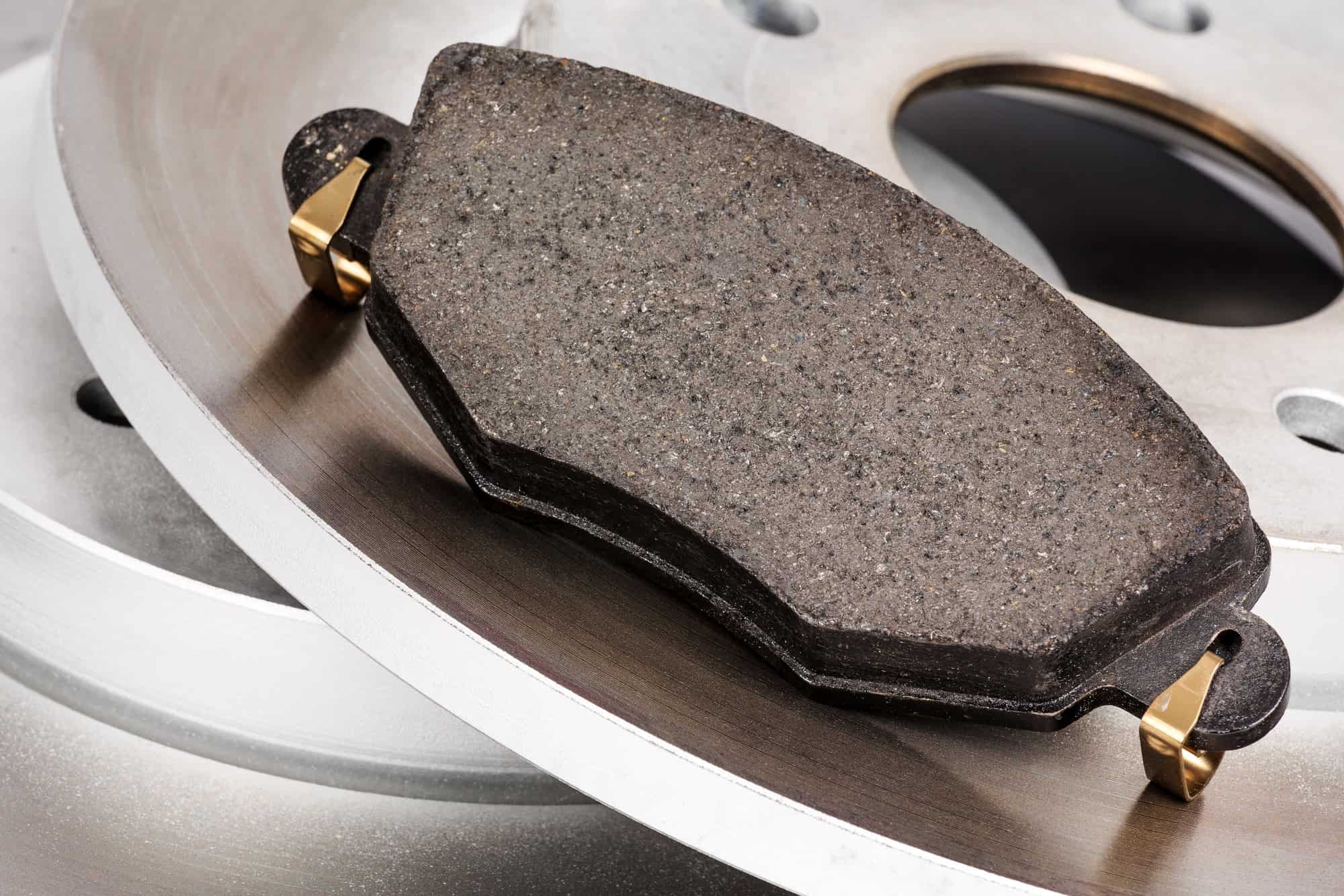
Brake Pad Lifespan Explained: From 25,000 Miles to 100,000 Miles and Everything In Between

How Long Should Brake Pads Last?

Wayve, Uber and Nissan announce collaboration on Robotaxis

Uber and Motional Launch Robotaxi Service in Las Vegas
Trending on Motoring Chronicle

For 2026, Corvette’s new interior elevates driver cockpit design [Photo Gallery]
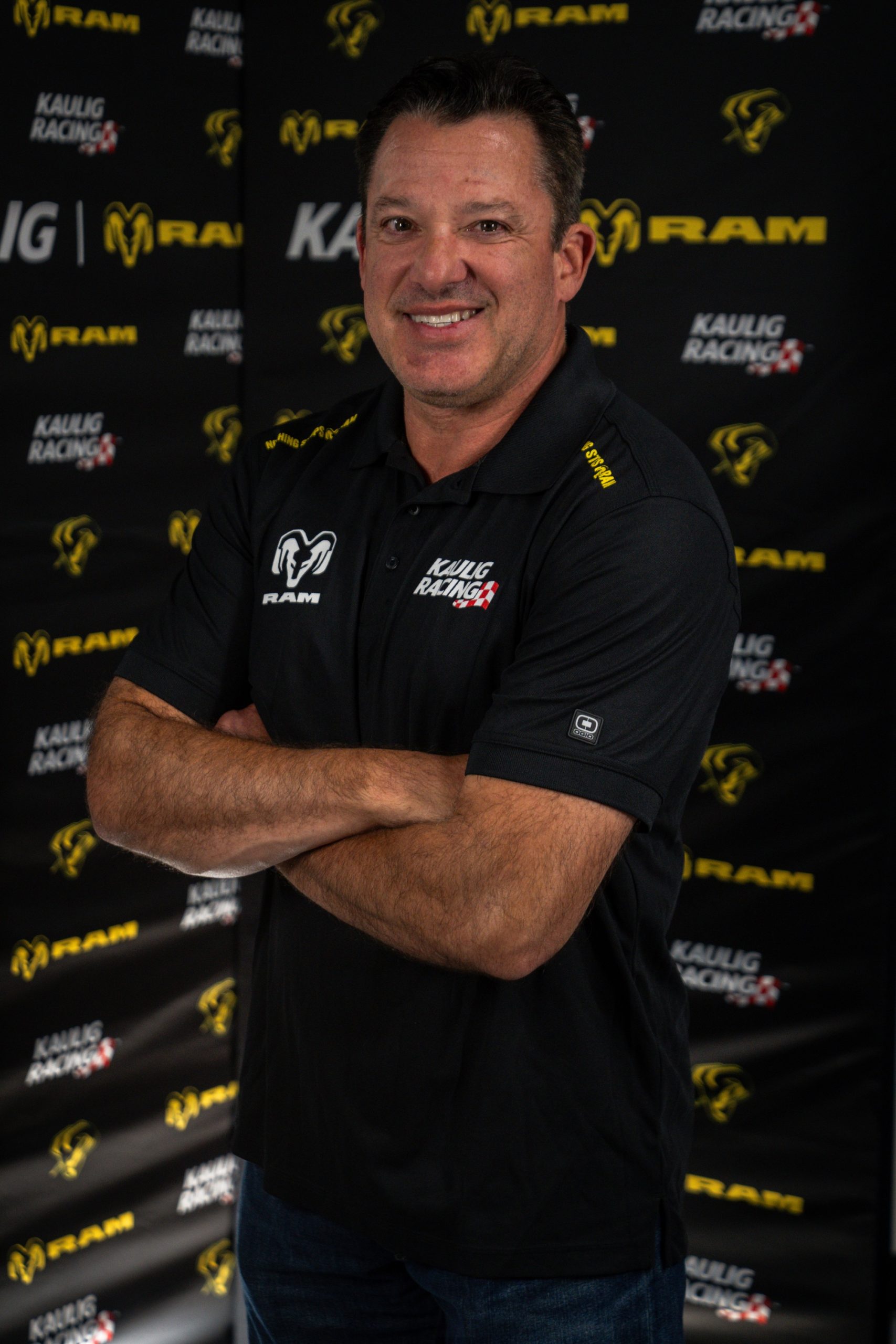
Smoke Returns to NASCAR, Tony Stewart Joins Ram’s Free Agent Program With Kaulig Racing at Daytona Truck Race

Driving the future, then and now: the story of the EV1

Lamborghini Day Japan 2025 ignites Tokyo
