
Every Driver Faces Higher Crash Risk After Clocks Go Back as AA Claims Jump 8%


- AA Accident Assist handled 3,178 claims in the fortnight after last year’s clock change, up from 2,949 in the fortnight before, a rise of 7.8 per cent.
- Half of 10,500 drivers surveyed by the AA struggle to see cyclists and pedestrians in some autumn conditions, and 73 per cent name the low sun as their biggest problem.
- The clocks go back this Sunday, 25 October, so lights, windscreens, screenwash and eyesight are worth checking before the first dark commute home.
AA Data Shows Claims Rising in the Two Weeks After the Clocks Change
The clocks go back one hour this Sunday, 25 October, and the AA has numbers showing what tends to follow. Claims handled by its Accident Assist recovery and claim management service rose from 2,949 in the fortnight before last year’s change to 3,178 in the fortnight after. That is 229 extra claims, a rise of 7.8 per cent, or roughly 16 more a day across the two weeks.
Auto Express reported the figures on 23 October. The AA is using them to remind drivers that the darker, wetter weeks of autumn bring tougher conditions on routes people drive every day without a second thought.
The trend is easing, though the direction has not changed. The AA reported an 11 per cent increase in each year from 2022 to 2024. Those earlier figures were measured over the three weeks after the change rather than two, so the comparison is not exact. The pattern is plain enough: once the evenings turn dark, more drivers end up calling for help.
Tim Rankin, managing director of AA Accident Assist, put it this way: “An eight per cent increase in claims after the clocks went back last year is a timely reminder that drivers need to adapt as autumn takes hold.”
He added: “A commute home that was made in daylight just a few weeks ago can suddenly be made in darkness, while autumn can also bring low sun, rain, slippery roads and poor visibility.”
What 10,500 Drivers Told the AA About Autumn Driving
The claims figures sit alongside earlier AA research that asked 10,500 drivers what bothers them most once the nights draw in. The answers read like a checklist of everything that makes a familiar road harder to read.
Half of those surveyed, 50 per cent, said they find it difficult to see cyclists and pedestrians in some autumn driving conditions. That bites hardest on the roads where people walk and ride at the same hours others drive home from work: residential streets, school routes, village high streets. A pedestrian in dark clothing at the edge of a wet pavement is easy to miss at the best of times.
Lights were a sore point too. Some 52 per cent said other drivers do not use their lights correctly, and 40 per cent said they regularly see other vehicles with defective lights. The same share, 40 per cent, voiced a dislike for driving on darker mornings and evenings.
The biggest single complaint was not darkness at all. Some 73 per cent said the low position of the sun is their biggest problem with autumn motoring. Anyone who has driven west at the end of a working day in late October knows the effect: the sun sits just above the roofline, the windscreen turns opaque with glare, and the brake lights ahead vanish.
Those two numbers deserve a second look. Half of drivers struggle to spot people on foot or on bikes, and four in ten regularly see vehicles with lights that do not work. Put the two together and the risk is easy to see: a pedestrian who is hard to spot, behind a car whose lights are failing, on a road already slick with leaves and rain.
Seven Checks to Make Before the Clocks Change
Auto Express pulled together driving tips for the darker months, and none of them needs a garage visit. Most take ten minutes on a driveway this weekend.
Start with sunglasses. Keep a pair in the car, as a sunblind often does not drop low enough to cut the glare from a sun sitting near the horizon. A pair in the glovebox costs far less than a claim.
Next, test every light. Ask someone to stand behind the car while you press the brake pedal, then check indicators, fog lights and both headlight beams. Replace any bulb that has failed. A dead light is a safety risk and a cheap fix, so it is a poor job to leave until the MOT.
Look closely at the headlights themselves. On older cars the plastic lens can turn hazy with age, which cuts the light reaching the road and puts the car at risk of an MOT failure. Specialised headlight restoration kits are easy to use at home and can take a cloudy cluster from milky to factory fresh. Our guide on how to check your car lights before winter covers the basics of the pre-winter lights check.
Clean the windscreen inside and out. A smeared screen is a minor irritation in daylight, but low sun and oncoming headlights light every streak and film on the glass, and the view ahead disappears at the worst moment. Wet roads also mean heavier use of screenwash, so top up the reservoir before the first grubby commute.
While the bonnet is open, check coolant and oil levels. A breakdown on a dark road is more dangerous and far less pleasant than one on a bright afternoon.
Leave bigger gaps. As temperatures drop, roads will almost certainly turn wet and sometimes icy, so allow extra braking distance to the car in front. Even on a dry road, the extra thinking time helps when something comes out of the gloom that you did not spot at first.
Finally, get your eyes tested if you are overdue. Visibility is the common thread running through the AA’s research, and your own eyesight is the one part of the system you can check cheaply. When buying new glasses, it can be worth paying extra for anti-reflective coatings, as research suggests drivers are increasingly bothered by the glare from bright, modern LED headlights.
Why Commuters Feel the Change First
Anyone who finishes work at a fixed hour feels the clock change immediately. A route driven in daylight on Saturday is driven in darkness on Monday, with the same junctions, the same pedestrians and a very different view. The AA’s own statistics reflect it: the jump in claims arrives within two weeks, not over a whole winter.
That speed is the reason the warning lands now rather than in December. Drivers who run on habit, rather than on what they can actually see, are the ones the figures catch out in those first days.
There is a cost angle too. Most of the checks above cost nothing, a replacement bulb is cheap, and a bottle of screenwash costs less than a morning lost to a claim. A collision in the first fortnight after the change means a recovery call, a claim and repairs, so a weekend spent on prevention is time well spent.
What Happens Next
The clocks change on Sunday 25 October, and the AA’s Accident Assist team will once again be handling the claims that follow. The fortnight after the change will show whether last year’s smaller rise of 7.8 per cent holds, or whether it creeps back toward the 11 per cent increases of 2022 to 2024.
Drivers cannot move the sun or the clocks. They can control their lights, their windscreen, their following distance and their eyesight, and most of that can be done before Sunday night. If you are caught in a collision once the dark evenings arrive, the AA’s recovery and claim management service is the one that produced the figures above, so the numbers come from real calls rather than guesswork.
Want more car content? Add us as a preferred source on Google to your favourites list for the best automotive news and analysis on the internet.
If you enjoyed this article, be sure to follow us on Microsoft Start.
Sources:

Leave a Comment
More in News
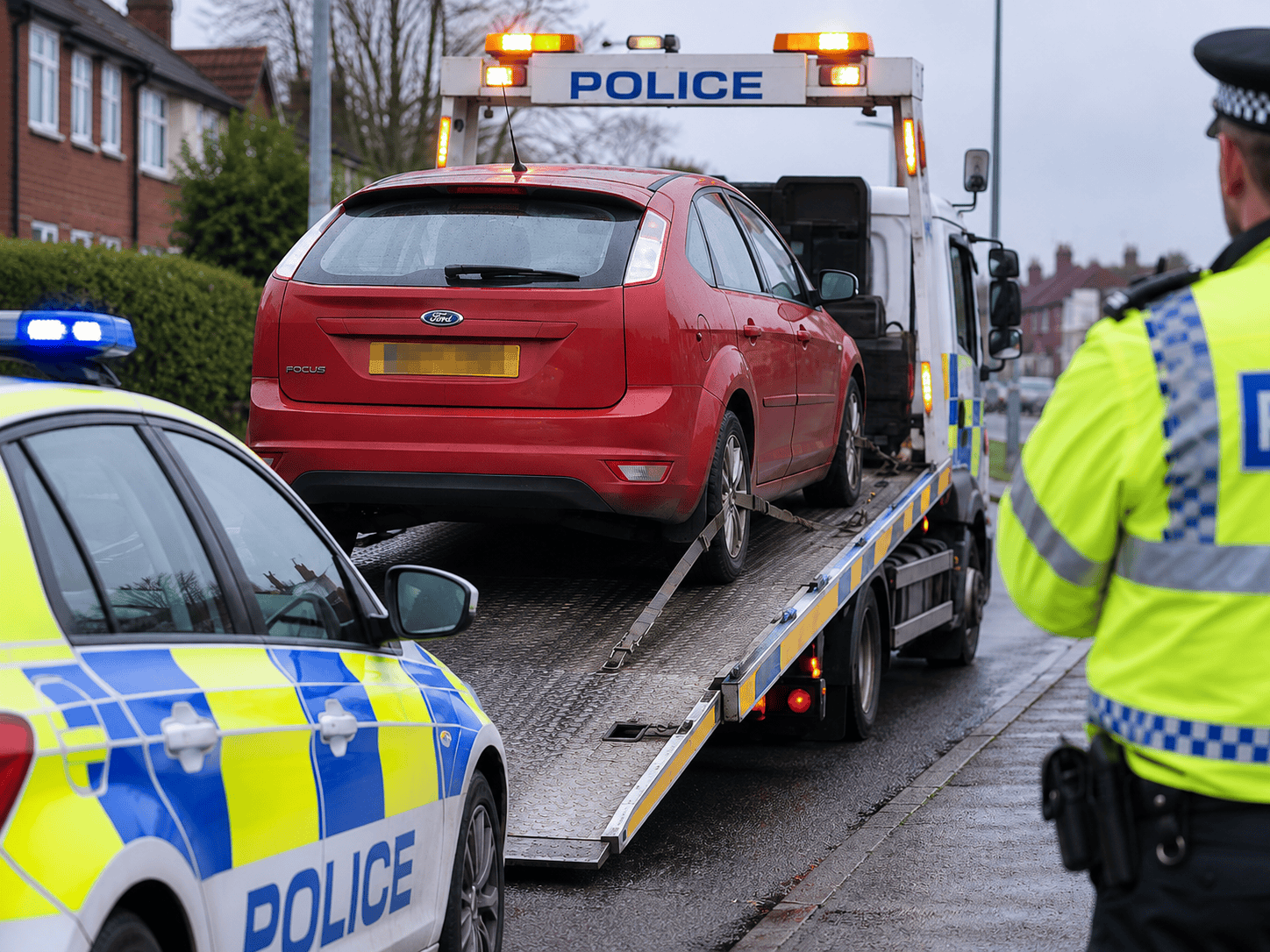
DfT Asks Whether Fake Number Plates and Untaxed Cars Should Mean Points and Seizure

DVLA Figures Show the Ford Fiesta Was Britain’s Most Stolen Car Again Last Year

Cadillac Escalade-V 125th Anniversary Limited to 252 Units at $239,000

2027 Toyota Crown Signia Adds Standard Tech, Starts at $44,890

Nearly Half of UK Councils Refuse Nine in Ten Pothole Claims From Drivers
Trending on Motoring Chronicle

DVSA Fines a Berkshire Garage £1,600 for Pops and Bangs

Why New Car Payments Now Average $722 a Month [and How to Cut Yours]
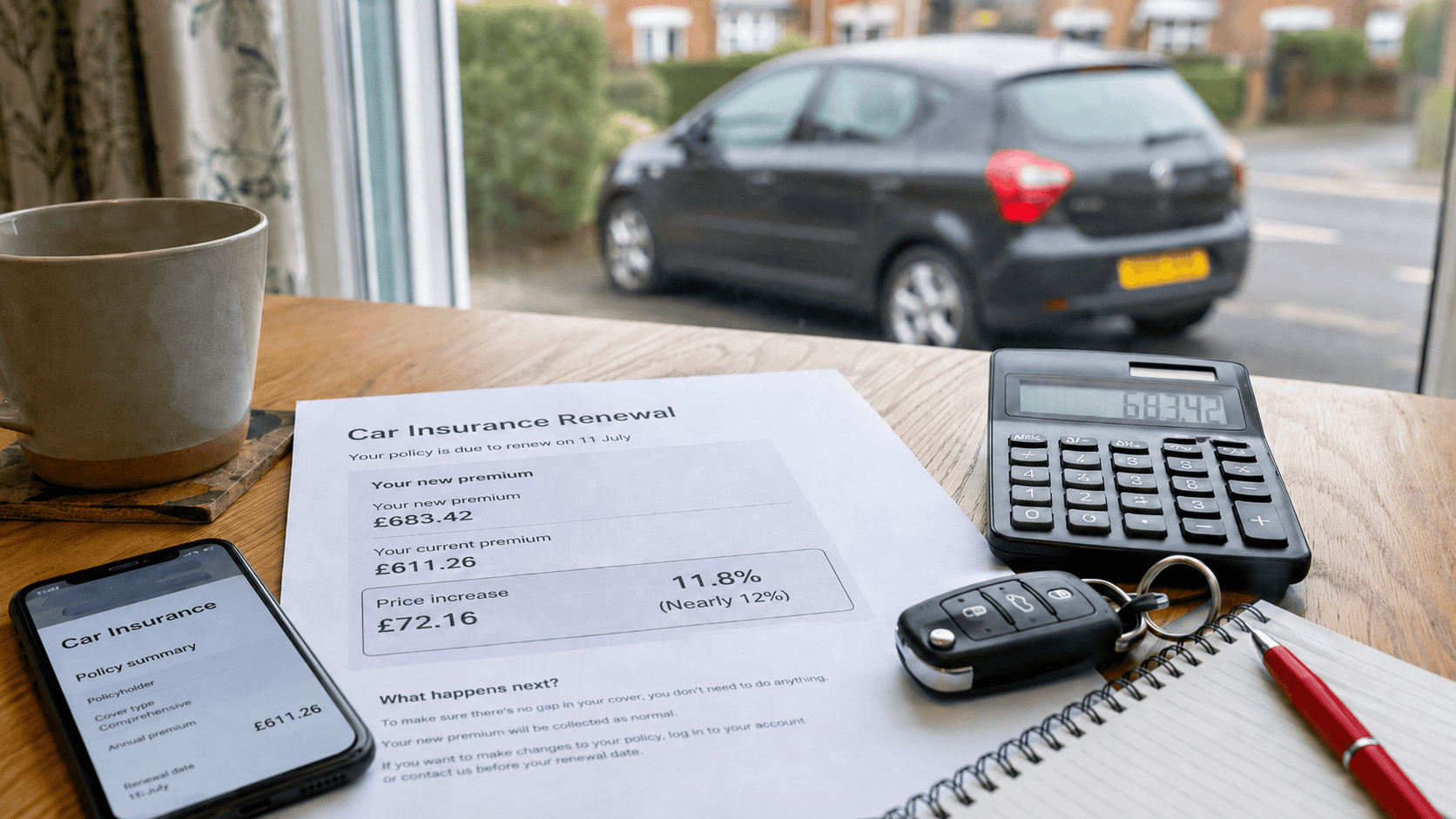
Why the FCA Found GAP Insurance Pays Out Just 6 Percent in Claims

What Tennessee’s New Cargo Theft Law Means for Truckers and Freight Costs
