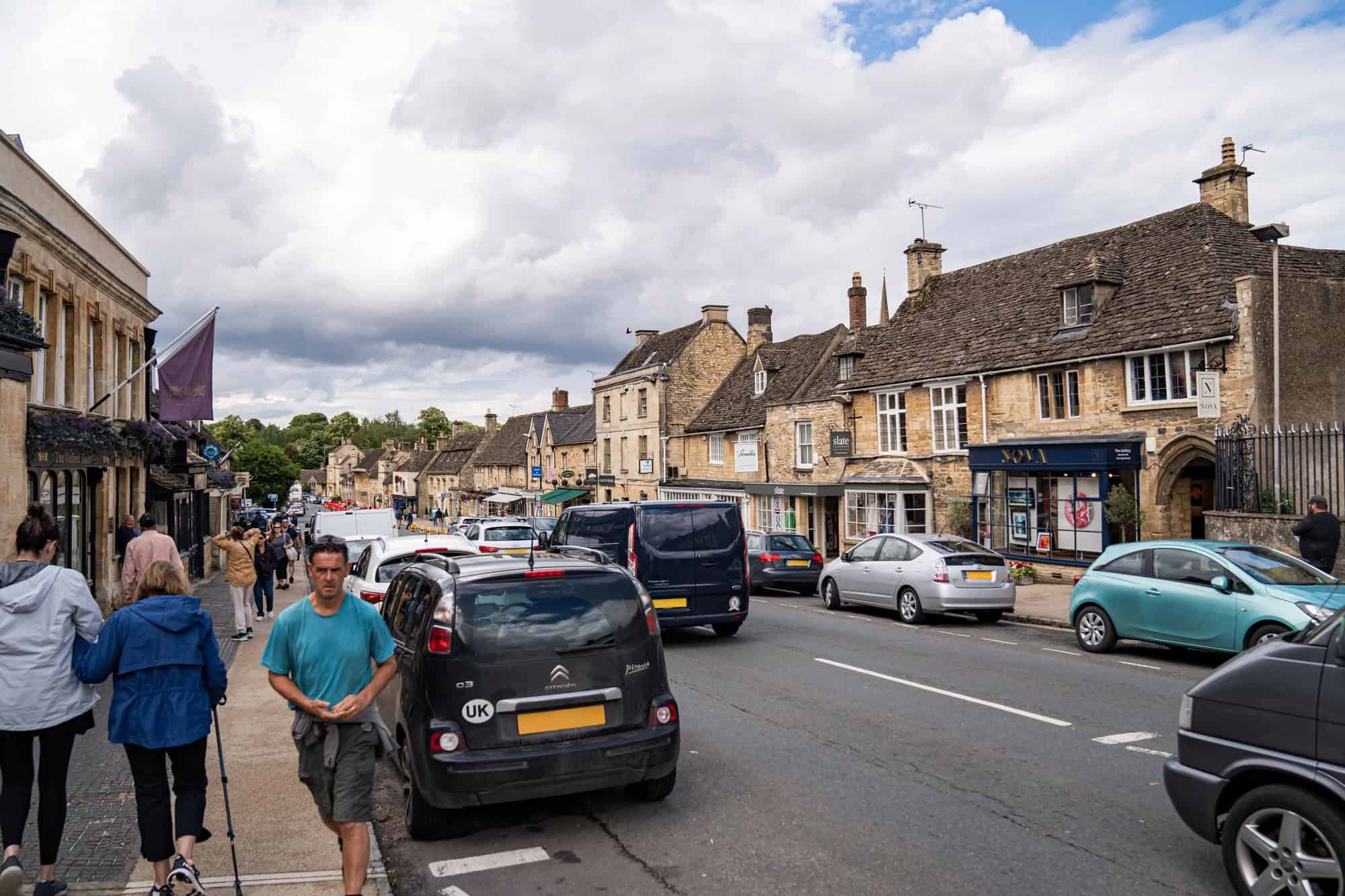
DVLA Figures Show the Ford Fiesta Was Britain’s Most Stolen Car Again Last Year


- DVLA theft data analysed by What Car? shows 54,830 vehicles were reported stolen in 2025, down 11 percent on the year before, but the Ford Fiesta remained Britain’s single most targeted model with 3,511 cars taken.
- Volkswagen Golf, Ford Focus, Toyota RAV4, BMW 3 Series and Nissan Juke filled out the rest of the top six, and insurer QuestGates says the national recovery rate rose from 42.48 percent to 44.94 percent.
- A Faraday pouch that blocks a key fob’s signal costs as little as six pounds and remains the simplest defence against the relay attacks that let thieves open and start a car without ever touching the key.
Your Car’s Make and Model Decides How Likely You Are to Be a Target
Car theft in Britain fell last year, but not evenly. DVLA registration and theft figures, analysed by What Car?, show 54,830 vehicles reported stolen in 2025, an 11 percent drop on 2024 and roughly 150 cars taken somewhere in the country every day. The Ford Fiesta still topped the model-by-model list with 3,511 reported thefts, though Fiesta thefts themselves fell 21 percent on the year before, a sign of how large the Fiesta’s share of the UK car parc remains rather than any special vulnerability. The Volkswagen Golf followed with 1,625 thefts, then the Ford Focus on 1,474, the Toyota RAV4 on 1,319, the BMW 3 Series on 1,249 and the Nissan Juke on 1,200. The Toyota C-HR, Lexus NX, Range Rover Evoque and Vauxhall Corsa completed the top ten. By brand, Ford topped the table with 7,677 thefts across its range, ahead of BMW on 5,489 and Toyota on 4,518.
Some of the sharpest falls came in cars that have had keyless security overhauled. Range Rover Sport thefts dropped 20 percent and Mercedes C-Class thefts fell 26 percent, which insurers and manufacturers both point to as evidence that software updates and motion-sensing key fobs are starting to close the gap thieves have exploited for the past decade.
How a Car Disappears Without a Key Ever Being Touched
Most of the theft methods behind these figures do not involve breaking a window or hot-wiring an ignition. Keyless entry systems constantly listen for a signal from a fob kept somewhere in the house, and a relay device held near a front door or window can pick up that signal, amplify it, and pass it to a second device standing next to the car. The vehicle reads the relayed signal as the real key being present, the doors unlock, and the engine starts. The whole process can take under a minute and leaves no broken glass, no forced lock and often no sign of entry for a doorbell camera to catch unless it happens to be pointed at the car itself.
The equipment is not hard to come by. Relay amplifier kits are advertised online for under fifty pounds, which is a small outlay against a car worth tens of thousands. On the other side of the ledger, a Faraday pouch, a simple signal-blocking wallet for a key fob, costs as little as six pounds and stops a relay device reaching the fob’s signal at all. Keeping the fob in one overnight, rather than on a hook by the front door, removes the opening the attack depends on entirely, at no cost beyond the price of the pouch itself.
The Recovery Numbers Are Moving in the Right Direction
For drivers whose car is taken, the odds of getting it back have improved slightly. QuestGates, which handles vehicle theft claims for insurers, recorded a national recovery rate of 44.94 percent, up from 42.48 percent the year before, and the average time to recovery fell from 27.1 days to 25.6 days. That still means well over half of stolen cars are never recovered, and a car that is recovered after being stripped for parts or used in further crime can be written off by the insurer regardless. A tracking device fitted after the manufacturer’s standard security, especially one that uses GPS alongside a radio signal that keeps working even when a thief disables the obvious electronics, materially improves those odds and can also reduce fully-covered insurance premiums.
What to Check on Your Own Car This Week
Owners of any model in the top ten, and especially Fiesta, Golf, Focus and RAV4 drivers, should treat keyless security as something to actively manage rather than assume the manufacturer has solved. Contact a franchised dealer to ask whether a software update to the keyless entry system is available, as several manufacturers have issued updates specifically to shorten the window in which a relayed signal is accepted. Park in a garage or on a driveway behind a locked gate where possible, as driveway and street parking account for the large majority of thefts in the insurance data behind these figures. Fit a visible steering lock or pedal box as a low-cost deterrent that works even against a car that has already been unlocked, and check whether a home insurance or car insurance policy offers a discount for an aftermarket tracker, as the premium saving can offset some or all of its cost over a few years.
What Insurers Are Watching Now
The 11 percent drop in reported thefts counts for insurers as much as for drivers, as motor theft claims feed directly into the premiums every comprehensively insured policyholder pays, not just those who are eventually targeted. Several insurers have started asking specific questions at renewal about where a car is parked overnight and whether it has aftermarket security fitted, with discounts on offer for a driveway or garage over on-street parking and for a verified tracking device. Postcode still counts for more than almost any other factor in how a premium is calculated, and areas with higher reported theft rates in the DVLA figures tend to see that reflected in quotes within a year or two, so a falling national number does not necessarily translate into a falling premium for drivers in the postcodes where thefts remain concentrated.
Manufacturers have also been responding directly to the theft league tables rather than waiting for the next model generation. Several brands with models in the top ten have issued over-the-air or dealer-applied software updates that introduce a short delay or an additional authentication step before a relayed signal is accepted, specifically to blunt the relay attack described above. Checking with a franchised dealer whether such an update is available, and asking for it to be applied at the next service if it has not already been, costs nothing and can meaningfully close the gap between an older, more vulnerable software version and the latest protected one, even on a car that is otherwise several years old and nowhere near the end of its useful life.
Regional patterns stand out here too. Insurers and police data both point to car parks, train station forecourts and residential streets without off-road parking as the locations where keyless thefts cluster most heavily, rather than driveways behind a locked gate. A car left on a street for a full working day or overnight gives a thief far more opportunity to scan for a fob signal than one tucked onto a private driveway for the same hours, which is one reason premiums can differ sharply between two addresses a few streets apart even when the cars themselves are identical and registered to drivers of the same age with the same no-claims record. Reporting a theft quickly to the police, with the exact time and location it was last seen, also counts for recovery odds, as the window in which a tracked or recovered vehicle is still intact and undamaged narrows quickly once a car has been taken.
Want more car content? Add us as a preferred source on Google to your favourites list for the best automotive news and analysis on the internet.
If you enjoyed this article, be sure to follow us on Microsoft Start.
Sources:

Leave a Comment
More in News
DfT Asks Whether Fake Number Plates and Untaxed Cars Should Mean Points and Seizure
Every Driver Faces Higher Crash Risk After Clocks Go Back as AA Claims Jump 8%

Cadillac Escalade-V 125th Anniversary Limited to 252 Units at $239,000

2027 Toyota Crown Signia Adds Standard Tech, Starts at $44,890

Nearly Half of UK Councils Refuse Nine in Ten Pothole Claims From Drivers
Trending on Motoring Chronicle

Why Truckers Can Now Drive 16-Hour Days as Diesel Hits $6.29 a Gallon

Rolls-Royce ‘Makers of the Marque’: Eric Platford
Why Sunny Days Can Cost UK Drivers Up To £4,700 in Hidden Fines This Summer

Subaru Recalls 69,663 Foresters Because the Moonroof Glass Can Detach While Driving