
Every New Car Buyer Could Get Bigger Discounts as Britain Misses Its EV Target
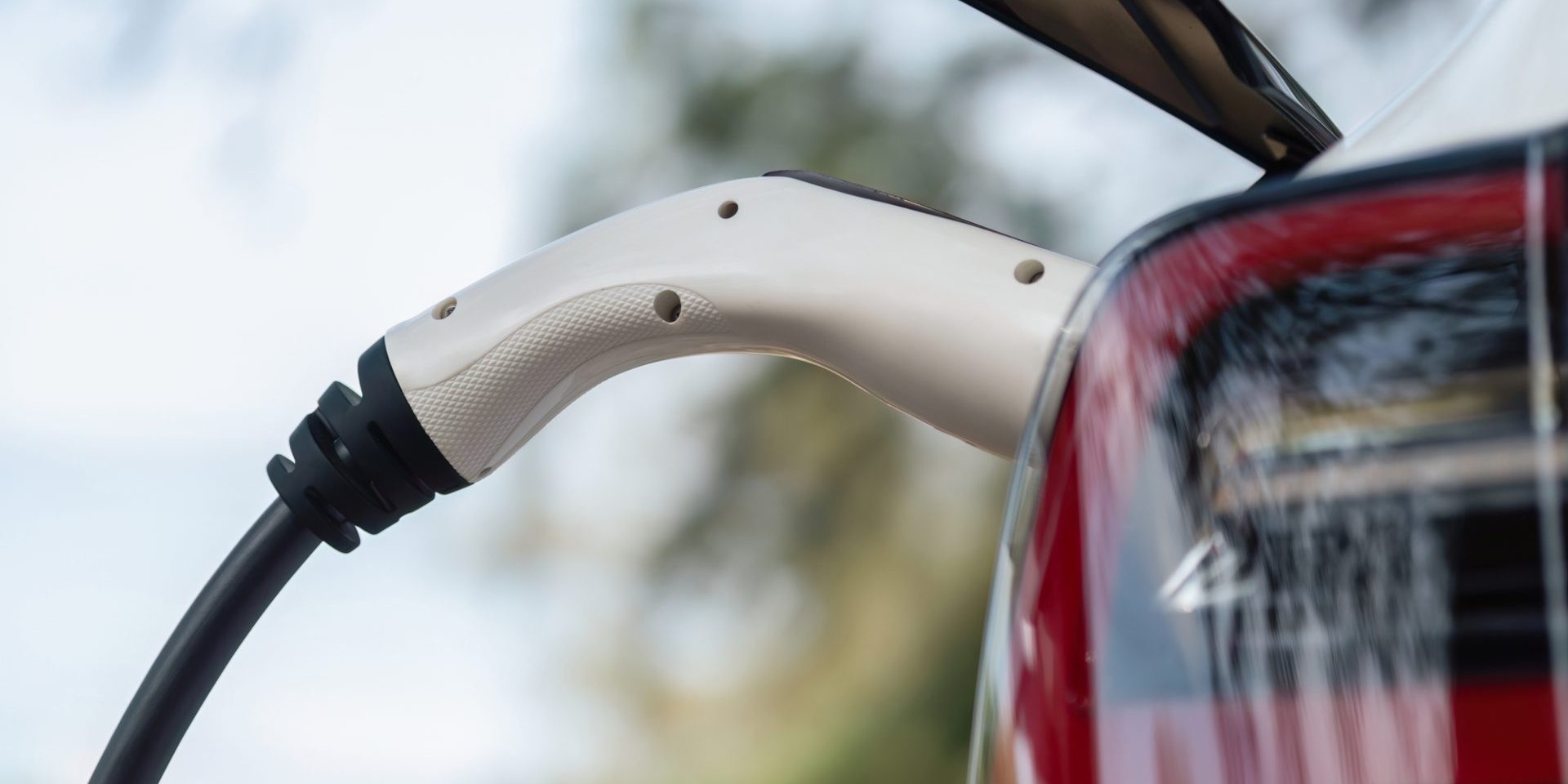

- Britain registered a record 99,199 electric cars in September, yet the country is still running well behind the 33 percent sales target the government has set carmakers for 2026.
- Industry figures show manufacturers need roughly 265,000 more electric car registrations in the final three months of the year alone just to hit that target.
- Every car that misses the mark can cost a manufacturer £15,000 in fines, a gap that is likely to show up in bigger discounts for buyers rather than in the fine itself.
Why this autumn is when car dealers start giving ground
September was supposed to be the month the electric car market finally caught up. New figures from the Society of Motor Manufacturers and Traders show 350,518 new cars were registered in Britain that month, up 12.1 percent on a year earlier and the strongest September in nearly a decade. Electric cars drove almost all of that growth: 99,199 battery electric cars were registered, up 36.3 percent year on year and a record for any month on record. Plug-in hybrids had their best month ever too, up 55.7 percent to take 17 percent of the market. Put electric, plug-in hybrid and conventional hybrid cars together and they accounted for 58.4 percent of everything sold.
That sounds like an industry comfortably on track. It is not. For the year so far, battery electric cars have taken a 26.2 percent share of the new car market, up from 20.2 percent at the same point last year, but still well short of the 33 percent share every manufacturer selling cars in Britain is required to hit under the Zero Emission Vehicle mandate this year.
The gap manufacturers now have to close in three months
The SMMT’s own arithmetic shows the scale of the problem. Based on a forecast market of 2.183 million new cars this year, reaching a 33 percent battery electric share would require around 265,000 more electric car registrations in October, November and December alone, on top of everything already sold. That is a huge volume to push through in a single quarter, more so once the usual pre-Christmas slowdown in private buying is factored in.
Vans tell a similar story. Electric vans made up 9.6 percent of the market in September and 10.8 percent so far this year, against a target of 24 percent, an even wider gap than cars face. Fleet operators who buy vans in bulk are likely to feel the push toward electric models hardest, as manufacturers have more direct influence over large, repeat buyers than over private shoppers walking into a single showroom.
£15,000 a car: the fine reshaping forecourt prices
The mandate is not just a target. A manufacturer that falls short faces a fine of £15,000 for every car it sells above its allowed share of petrol and diesel models. With the industry as a whole running roughly seven percentage points behind where it needs to be, the arithmetic of that fine is already pushing carmakers toward one familiar move: discounting electric models hard enough to shift volume before December 31, rather than paying the penalty on cars already sold. That pattern played out in previous years of the mandate, when manufacturers absorbed billions of pounds in electric car discounts specifically to avoid fines, and industry figures have repeatedly warned that doing so year after year cannot continue without hurting dealer margins.
Carmakers do have some flexibility built into the system. They can borrow against future years’ targets or buy compliance credits from manufacturers that have beaten their own target, which softens the immediate pressure but does not remove it. Either route still means every percentage point of shortfall this year has a real cost attached, one that gets paid for somewhere in the business in the end.
Why the top-selling models tell a different story to the headline figures
The Tesla Model 3 was Britain’s best-selling electric car in September, with 9,929 registrations, ahead of the Tesla Model Y and three Chinese-built models: the BYD Sealion 7, the BYD Seal and the Kia EV3. That list is significant, as it shows the mandate is being met disproportionately by a small number of models sold in very high volume, often with heavy incentives attached, rather than by electric cars selling steadily across every price bracket. A buyer shopping outside that handful of best-sellers could find the overall market figures do not translate into a discount on the specific car they want.
That pattern also explains why the headline growth figures can mislead. A market can post a record month for electric registrations while plenty of individual manufacturers remain far short of their own target, simply as a handful of high-volume models are doing most of the work. The mandate is applied per manufacturer, not across the market as a whole, so a strong month for Tesla or for Chinese brands expanding quickly in Britain does nothing to help a manufacturer that does not sell a competitive electric model in a similar price bracket.
Why even Range Rover is chasing electric buyers
The pressure is not confined to mainstream brands. Jaguar Land Rover, a manufacturer built almost entirely on petrol and diesel power until recently, is counting on roughly 33,000 people who have joined the waiting list for the new Range Rover Electric to help pull its own compliance figures back into line. For a brand with no electric car on sale for most of the year, that single model now carries an outsized role in whether the company avoids a fine altogether.
What it means if you are buying a car this quarter
For anyone shopping for a new electric car between now and the end of December, the mandate shortfall is good news. Manufacturers have both the incentive and, through borrowed credits, some room to push discounts harder than usual to close the gap, and buyers who are prepared to order and take delivery before the new year are best placed to catch any end-of-quarter push. It is worth asking a dealer directly whether a specific model is being prioritised to help hit a registration target, as that is often where the steepest discounts land.
Buyers looking at a petrol or hybrid car should not expect the same treatment. With discount budgets increasingly aimed at electric models to avoid the £15,000 penalty, haggling room on conventional cars could be tighter than it has been, and order lead times on popular petrol models could lengthen slightly if manufacturers deliberately slow supply to keep their overall mix moving toward the target. Getting a written, dated quote now, rather than waiting to see if a better deal appears later in the quarter, is the safer approach for anyone who is not shopping for an electric car.
It is also worth remembering that a manufacturer’s compliance position can change sharply in the space of a single quarter. One strong month of registrations for a popular model can close a gap that looked wide only weeks earlier. That volatility cuts both ways for buyers. A brand that looks desperate for sales in October could have already closed its gap by December, so anyone waiting for a bigger discount later in the year is taking a gamble rather than banking on a certainty. The safer approach for most buyers is to treat any strong offer seen now as one worth taking, rather than assuming an even better one is guaranteed to follow.
The next set of registration figures, covering October, will be the first real test of whether the industry can close any meaningful part of the gap before the year ends. A weak October would leave an even steeper climb for November and December, and would make the final quarter’s discounts and incentive offers more aggressive still. Buyers watching the market over the next few weeks have a reasonable guide in the monthly SMMT figures themselves, which are published in the first few days of the following month and give an early read on how hard manufacturers are having to push.
Sources:

Leave a Comment
More in News
How to Tell DVLA You Sold Your Car (and Avoid the Buyer’s Fines)

What Your Tyre’s Age Actually Means (and When Old Tyres Need Replacing)
Why Drivers Over 70 Pay £480 for Car Insurance While Everyone Else’s Bills Fall

Gas Prices Hit a Record High for October as California Tops $6.34 a Gallon

How Ford’s Recall of 41,748 Trucks and SUVs Could Leave Your Headlights Dark
Trending on Motoring Chronicle
AA Data Shows Computer Faults Cost Drivers Up To £900 as Breakdowns Double

Why Rideshare Drivers Are Suing Their Car Rental Company Over Hidden Fees

The new 911 Cup – stronger performance for the successful one-make model [Photo Gallery]
Why North Lincolnshire Is Cracking Down on School Gate Parking on Double Yellow Lines
