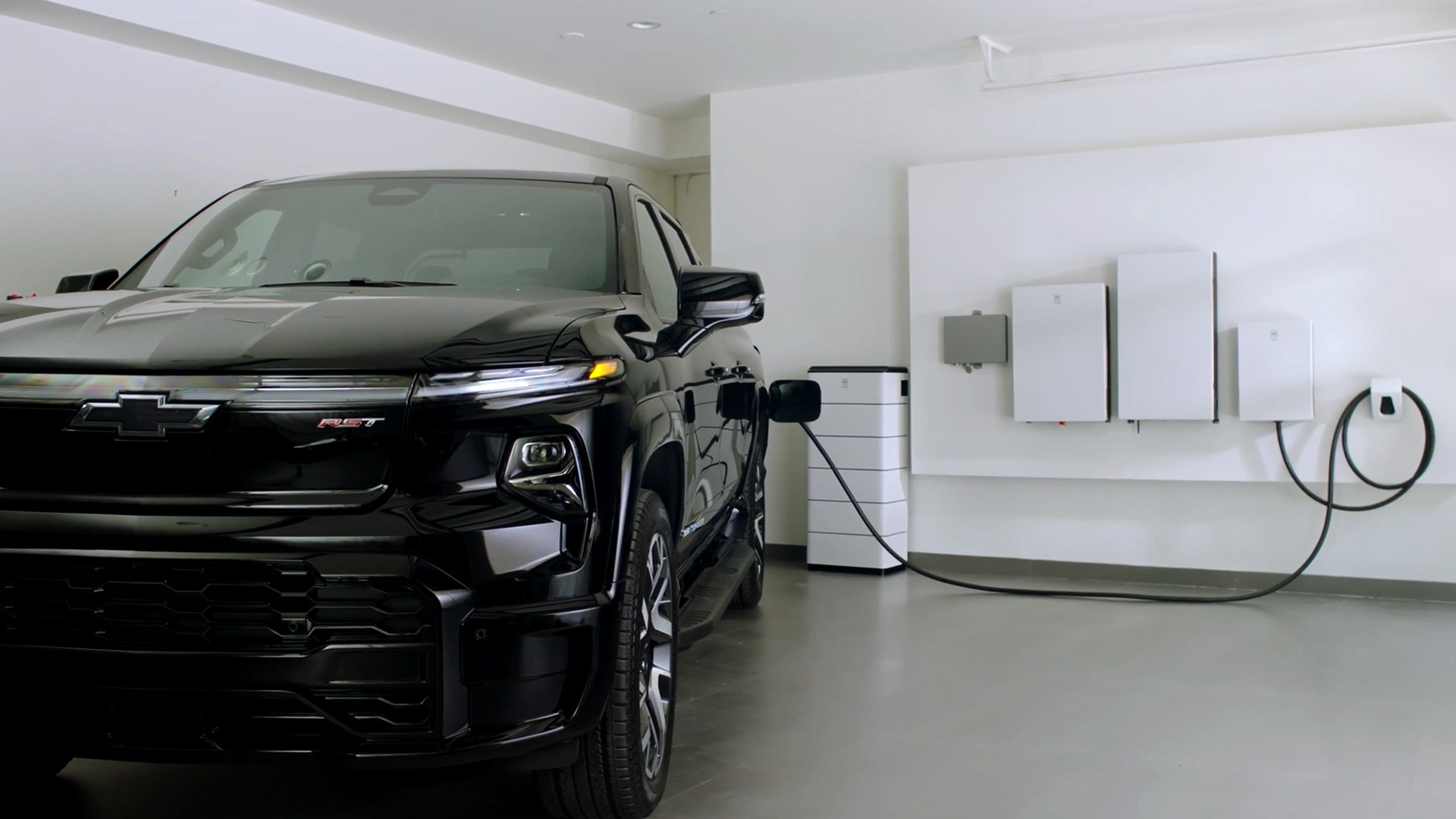
What a Rate Rising to 9 Percent Means for Every Electric Company Car Driver


- Company car tax on a pure electric car is set in law to climb from 4 percent of the car’s list price this tax year to 9 percent by 2029/30, while a petrol or diesel company car stays near 29 to 37 percent.
- A driver with a £40,000 electric company car pays about £640 a year in tax now at the 40 percent rate, rising to roughly £1,440 a year once the 9 percent rate lands in 2029/30, still far below the £4,640 a petrol equivalent costs the same taxpayer.
- The tax is worked out on the car’s original list price, so a company car bought new for £40,000 is still taxed on that figure years later even after it has lost half its value on the used market.
The Tax Break Is Shrinking, Not Disappearing
Roughly a million people drive a company car in the UK, and a growing share of them have swapped a diesel saloon for an electric one on the promise of a tax bill close to nothing. That promise is already changing shape. Benefit in kind rates for pure electric cars, set out in legislation covering the next four tax years, rise from 4 percent of the car’s list price in 2026/27 to 5 percent in 2027/28, 7 percent in 2028/29 and 9 percent in 2029/30. Three years ago the rate sat at 2 percent. By 2029 it will have gone up four and a half times over, and nothing in the legislation suggests the climb stops there.
Put against a petrol or diesel company car, the gap still favours electric drivers by a wide margin. A typical petrol company car sits near 29 percent of list price in 2026/27, with the highest-emission models taxed at 37 percent. An electric driver at 9 percent in 2029/30 will still pay less than a third of what a petrol driver pays today. The story here is not that the electric advantage has gone. It is that drivers who signed up expecting a flat, low number for the life of their lease are instead on a rising schedule that was fixed by Parliament before most of them ever saw the paperwork.
How the Numbers Land on an Actual Payslip
Take a £40,000 electric company car and a 40 percent taxpayer. At 4 percent, the taxable benefit is £1,600 a year, which costs the driver £640 in tax. Move to 5 percent and the benefit rises to £2,000, a £800 tax bill. At 7 percent the benefit reaches £2,800, taxed at £1,120. By 2029/30, at 9 percent, the benefit is £3,600 and the tax bill £1,440. Across those four years the driver’s annual tax more than doubles on the same car, with no change to the vehicle, the mileage or the driver’s income.
Set that against a petrol equivalent. A £40,000 petrol car at 29 percent produces a £11,600 taxable benefit and a £4,640 tax bill for a 40 percent taxpayer, in a single year, every year, with no four-year phase-in. The electric driver’s 2029/30 bill of £1,440 is still less than a third of that. Anyone doing the sums on whether to keep an electric company car or switch to a cash allowance needs to run the comparison against the rate that applies in the year they are actually driving the car, not the rate they signed up under.
Why the Rates Keep Climbing
Battery electric cars reached a record 29.8 percent of new car registrations in August 2026, close to 94,236 cars in a single month. Every one of those sales is a company car, a salary sacrifice lease or a private buyer who no longer pays fuel duty at the pump. Fuel duty raises more than £20 billion a year for the Treasury, and a shrinking number of petrol and diesel drivers covering that bill was never a stable position. The benefit in kind schedule running through 2029/30 is the government’s way of pulling a slice of that lost revenue back from electric drivers gradually, rather than all at once, while keeping the car still cheaper to run than the petrol version it replaced.
The Department for Transport opened a consultation in August 2026 on bringing forward its review of the Zero Emission Vehicle mandate, the rule that sets how many electric cars each manufacturer must sell. A pay-per-mile charge for electric vehicles is already confirmed to start in 2028, stacking a second new cost onto electric motoring in the same window these benefit in kind rises take effect. None of this reverses the financial case for an electric company car. It does mean the gap between electric and petrol motoring costs is being narrowed deliberately, year by year, rather than left where it was when EV sales were a fraction of the market.
The List Price Rule That Punishes a Car for Getting Older
Company car tax is not calculated on what a car is worth. It is calculated on the P11D price, the car’s original list price including VAT and most factory options, fixed at the point the car was first registered. A three-year-old electric company car worth £18,000 on the used market is still taxed as if it were worth the £40,000 it cost when new. The percentage rate falls as the car ages only if the government cuts the rate itself, never automatically from a drop in the car’s own value. A driver who keeps the same car through 2026/27 to 2029/30 pays tax on a rising percentage of a number that never moves, even as the car sitting on their drive is worth less every month.
Campaign groups pushing for changes to the scheme have asked the Treasury to move company car tax onto current market value for cars three years and older, arguing that taxing a depreciating asset at its original price overstates the benefit a driver is actually receiving. That change has not been confirmed and does not appear in the legislated rate schedule. Drivers keeping an electric company car for longer than a standard three or four year lease cycle should factor the list price rule into whether holding onto an older car still makes financial sense once the 7 percent and 9 percent rates apply.
What to Check Before Your Next Benefit Statement
Ask payroll or your fleet provider to confirm the exact P11D value HMRC holds for your car. This figure drives every year of tax that follows, and errors are not automatically corrected. Run the tax cost at each of the four confirmed rates, 4, 5, 7 and 9 percent, against your own salary band rather than relying on a single-year quote from a leasing company, so you can see the full cost across the life of the lease rather than just the opening year. Compare that total against a cash allowance or a salary sacrifice scheme using the same car. The tax treatment under salary sacrifice follows the same benefit in kind percentages and is not automatically cheaper. The Autumn Budget, scheduled for 28 October 2026, is a point where fuel duty, the pay-per-mile charge and further rate changes could all move again, so hold off on locking in a new multi-year lease until the details of that Budget are published, if your current contract allows the flexibility to wait. Buyers comparing a new electric company car against a petrol one should run the numbers across the full four-year window rather than the opening year alone. A car that looks like a clear winner at 4 percent in 2026/27 is still a winner at 9 percent in 2029/30, but the margin narrows every year, and a driver planning to keep the same car for five or six years should budget for the top of that range from day one rather than being caught out when the rate climbs past what the original quote assumed. Fleet managers running large numbers of electric company cars face the same arithmetic multiplied across every vehicle on the list, which is why several leasing firms have already started building the full 2026 to 2030 schedule into their quotes rather than only showing the opening year’s figure.
Sources:

Leave a Comment
More in News

BYD Dolphin-G review: UK’s first plug-in hybrid supermini is a winning package

How to Check Tyre Pressure Correctly (and Find the Right Number)
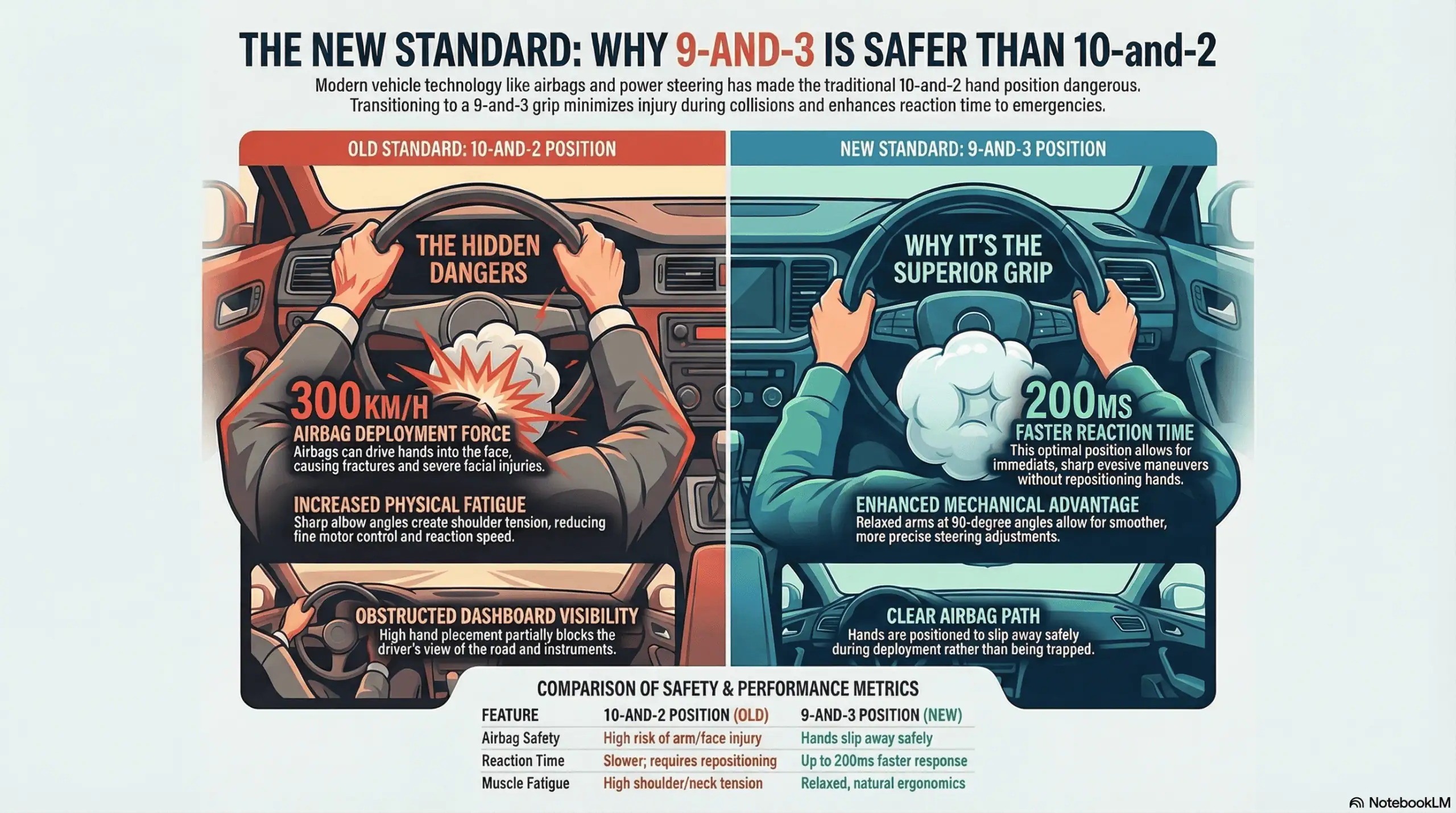
What a Sudden Heavy Steering Wheel Actually Means for Your Car’s Safety
Why Your Car Battery Dies in Cold Weather and the Fix That Works

Councils Rejected 81 Percent of Pothole Damage Claims From UK Drivers Last Year
Trending on Motoring Chronicle

It Is Now Illegal for Your Instructor to Book Your Driving Test: What Changed on 12 May

How North Carolina Cut DMV Wait Times by 87 Percent
Why Britain Could Lose One in Seven Parking Spaces to Ever Larger SUVs
Every Tenth Driver Risks a £2,500 DVSA Fine by Skipping MOTs to Save Cash