
Every EV Driver Without a Driveway Pays a 20 Percent Tax at Public Chargers
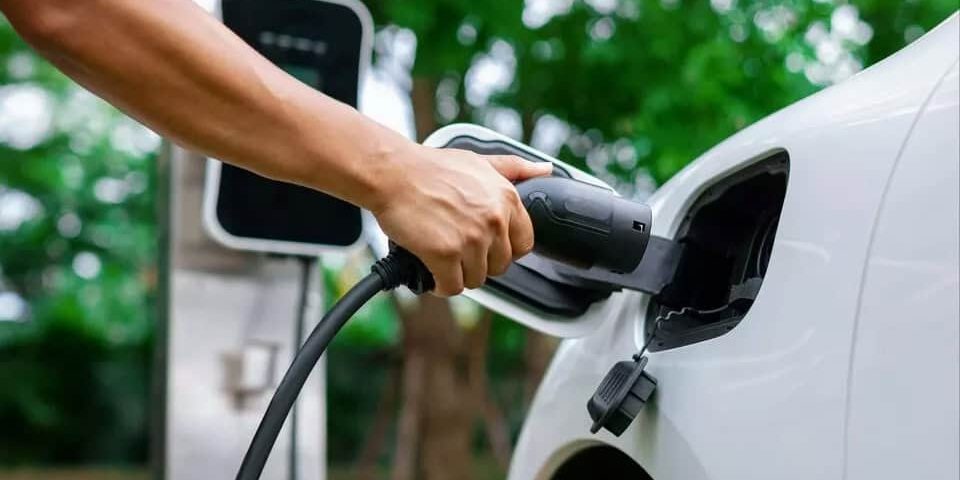
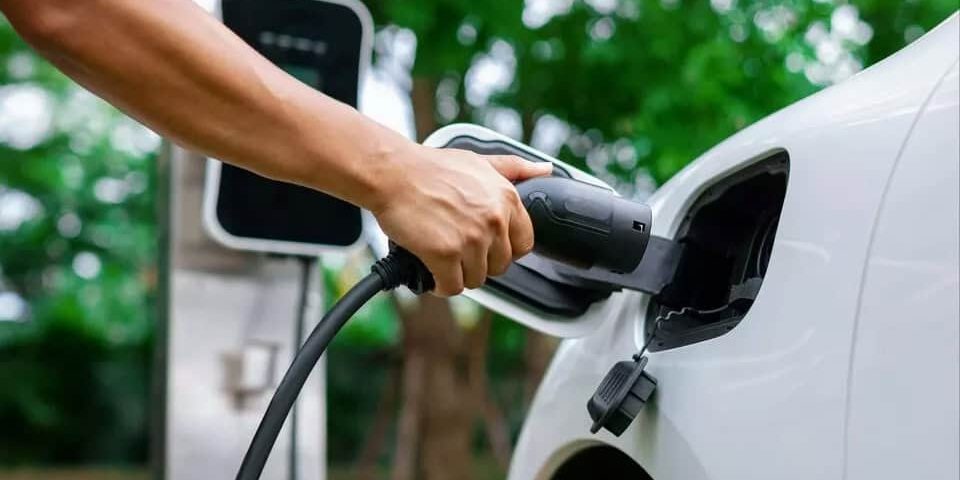
- Zapmap pricing data shows public rapid chargers now cost 79p per kWh, working out at roughly 24p a mile, against an off-peak home tariff of around 8.9p per kWh.
- Drivers who charge mainly at home save about £1,130 a year compared with running a petrol car, while those relying entirely on public chargers save as little as £50 a year.
- The gap exists partly because home electricity is taxed at 5 percent VAT while public charging is taxed at the full 20 percent rate, a difference campaigners including the RAC want scrapped.
The Charging Gap That Only Hits Drivers Without a Driveway
Every EV driver without a driveway is paying a 20 percent tax that owners with a home charger never see. Public charging data from Zapmap, updated this month, puts standard and standard-plus public chargers at 54p per kWh, equivalent to about 16p a mile, while rapid and ultra-rapid chargers average 79p per kWh, or roughly 24p a mile. Both rates have risen by about 4 percent over the past year. Compare that with a typical off-peak home electricity tariff of around 8.9p per kWh, and the driver who can plug in on their own drive overnight is paying a fraction of the price charged to the driver parked on a terraced street with nowhere to run a cable.
What You Actually Pay at the Plug
A family hatchback doing 10,000 miles a year on a rapid public charger at 24p a mile faces an annual electricity bill of roughly £2,400. The same car charged mostly at home on an off-peak tariff costs a few hundred pounds for the same mileage. Zapmap’s figures show some networks pricing lower than the average, including Sainsbury’s Smart Charge at 72p per kWh and Believ at 66p per kWh, while Tesla’s public Supercharger rate averages 69p per kWh, falling to around 48p per kWh for Tesla owners using the carmaker’s own network. Shopping around between networks can close part of the gap, but none of the public options come close to matching a home socket.
Why the Same Electricity Costs Four Times More at the Roadside
Electricity supplied to a home is taxed at the reduced 5 percent VAT rate that applies to domestic energy. Electricity sold through a public charge point is taxed as a commercial supply at the standard 20 percent rate, even when it is going into the exact same car. The FairCharge campaign, backed by the RAC and a string of fleet and leasing companies, has been lobbying the Treasury to bring public charging VAT down to match the domestic rate, arguing that the current split punishes the roughly one in three UK households with nowhere to park off the street and install their own charger. The campaign has not yet secured a change, and until it does, a tax decision made for home heating bills is doing double duty as a de facto surcharge on drivers who cannot park on a driveway.
The Savings Gap in Pounds
Zapmap’s own modelling puts the annual saving from switching a petrol or diesel car to an EV at around £1,130 a year for a driver who charges mainly at home, falling to as little as £50 a year for someone who depends entirely on public chargers. That £1,080 difference is not a quirk of one driver’s habits, it is the gap between the domestic and commercial VAT rates plus the premium public networks charge to cover the cost of installing and running their hardware. An EV bought on the promise of cutting fuel costs can end up barely cheaper to run than the petrol car it replaced, if the only place to charge it is the street.
Who Gets Stuck Paying the Higher Rate
The households hit hardest are renters, flat dwellers and anyone living on a terraced street with on-road parking only, since none of them can install a home charge point even if they wanted to. Councils have been rolling out on-street and lamppost chargers to close the gap, but coverage remains patchy and those units are usually billed at rates closer to the public network average than to a home tariff. Workplace charging, where an employer provides it, is one of the few routes to home-level prices for a driver without a driveway, and it is worth asking an employer directly whether a scheme exists rather than assuming one does not.
Can You Avoid the Higher Rate
Compare networks before you charge rather than using whichever charger is nearest, since Zapmap’s own figures show a gap of more than 30p per kWh between the cheapest and most expensive rapid networks. A subscription to a single network sometimes unlocks a lower rate than paying as you go, though it only pays off if you use that network often enough to cover the monthly fee. Charging on a slower, cheaper connector overnight at a car park or hotel, where available, beats a rapid charger every time on cost, even if it takes longer. None of these options close the VAT gap itself, which is why the RAC and FairCharge campaign are pushing for a Treasury decision rather than leaving drivers to find workarounds on their own.
What Could Actually Close the Gap
Councils across England have been expanding on-street and lamppost charging schemes specifically to give drivers without a driveway somewhere cheaper than a rapid hub to plug in overnight, though rollout speed varies hugely between local authorities and many streets still have none. The FairCharge campaign’s central ask, cutting public charging VAT from 20 percent to 5 percent to match home energy, would do more for a driver on a terraced street in a single Budget than years of patchy local infrastructure spending, which is why the RAC, fleet operators and leasing companies have kept the pressure on the Treasury rather than letting the issue drop. Until that changes, the cheapest realistic fix for most drivers without a driveway is simply comparing prices between networks before plugging in, since Zapmap’s data shows that alone can be worth tens of pounds a month.
The Same Battery, Two Very Different Bills
Put a number on it and the gap stops being abstract. Fully charging a typical 60kWh family EV battery from empty on a rapid public charger at 79p per kWh costs £47.40. The same battery, charged overnight on an 8.9p per kWh off-peak home tariff, costs £5.34. That is not a rounding difference, it is the gap between a weekly top-up that barely registers on a household budget and one that rivals a tank of petrol. Energy Systems Catapult research puts the number of UK households without off-street parking at around 30 percent, meaning thousands of drivers switching to electric cars in good faith are doing the sums on the expensive side of that gap without ever being told so at the point of sale.
Company car and salary sacrifice EV drivers are not shielded from this either. A salary sacrifice scheme reduces the tax paid on the car itself, but it has no bearing on the VAT rate charged on electricity at a public charger, so an employee who sacrificed salary for an EV expecting cheap running costs can still be caught out the first time a road trip forces them onto the public network. The VAT treatment of electricity is decided at the Treasury, not by any employer or leasing company, which is exactly why campaigners keep directing pressure there rather than at any single scheme provider.
None of this is a reason to avoid switching to electric. It is a reason to check which side of the charging gap a new EV will actually sit on before signing a finance agreement built around the bigger of the two savings figures.
Sources:

Leave a Comment
More in News
Why Learners Paid Up to £500 for a £62 Driving Test Before DVSA’s Crackdown

Insurers Paid £3 Billion in Car Claims This Summer as Premiums Fell by £13

Every UK Driver Risks a £1,000 Fine Over These Common Winter Driving Myths

DVLA Data Reveals Police Recovered Fewer Than Half of Britain’s 55,000 Stolen Cars
DfT Plans Euro 7 Brake, Tyre and Battery Rules for Every New Car From 2027
Trending on Motoring Chronicle

All-new 2026 Dodge Charger Scat Pack Drops the Hammer With 550 Horsepower [Photo Gallery]
How Connecticut’s Left Lane Law Could Cost You $142 Starting in October
New York Will Make Repeat Speeders Install Speed Limiters After 16 Camera Tickets

Lamborghini Polo Storico: old but gold [Photo Gallery]
