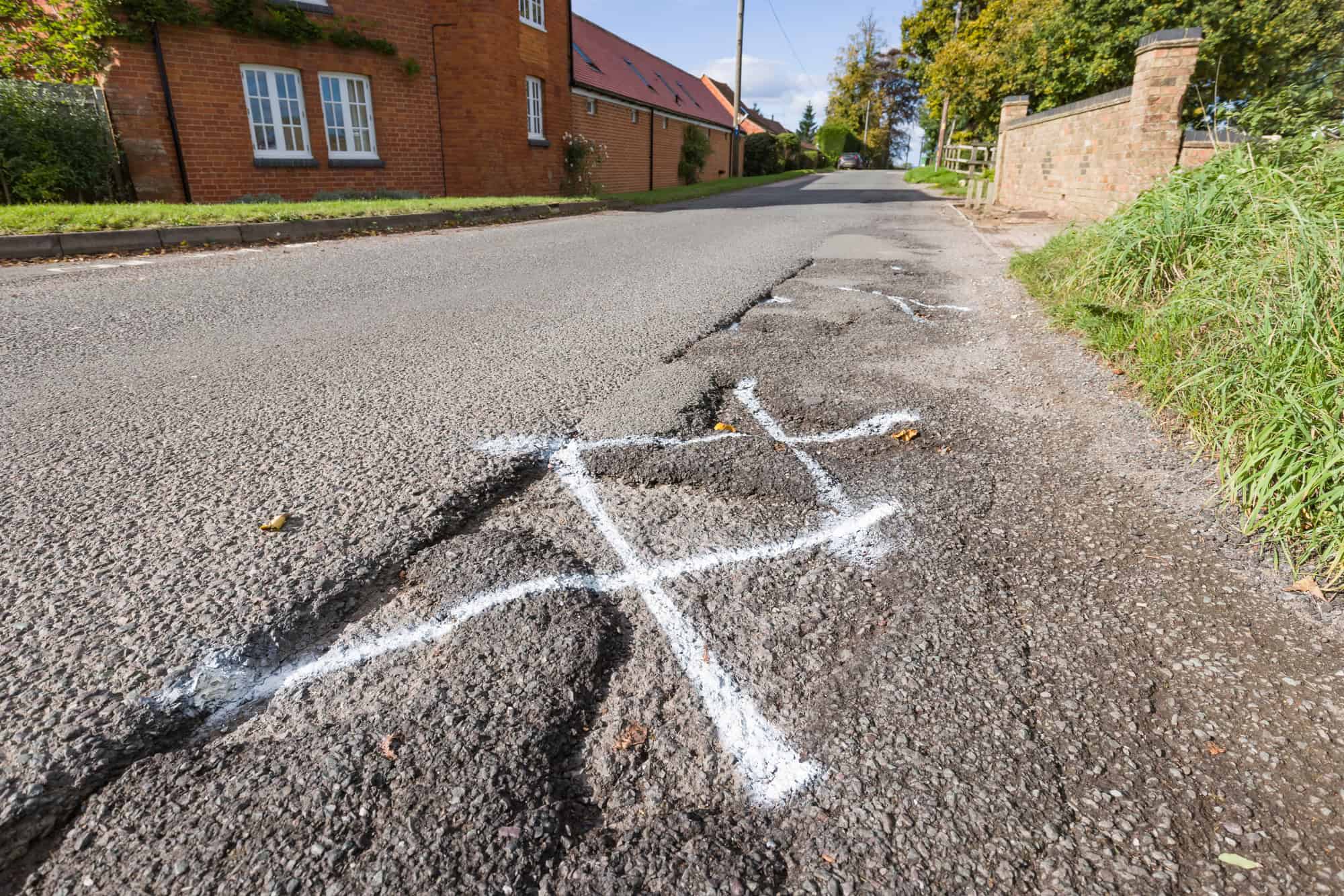
Every UK Driver Now Risks a £442 Bailiff Bill Over One Unpaid Parking Fine


- New bailiff fee rules that took effect on 1 May 2026 mean drivers who ignore a council parking fine can face statutory charges of up to £442, the first change to the fee scale in more than a decade.
- The same rules extend the notice period before an enforcement agent can visit a home, from seven days to fourteen, or up to twenty eight days once a debt adviser gets involved.
- Paying or formally challenging a fine before it reaches the Traffic Enforcement Centre is the only way to avoid the new charges altogether, and council enforcement agents hold far more legal power than private parking debt collectors.
A £160 Parking Debt Can Now Cost More Than £600
The Ministry of Justice quietly rewrote the fee scale that bailiffs charge to chase unpaid debts, and the new numbers apply to every council parking fine referred for enforcement from 1 May 2026 onward. The Taking Control of Goods (Miscellaneous Amendments) Regulations 2026, signed by justice minister Sarah Sackman on 24 March and laid before Parliament two days later, replaced a fee table that had stood untouched from 2014 until this year. For a driver who lets a penalty charge notice run all the way to a bailiff’s van on the driveway, the gap between the old cost and the new one is the difference between an annoyance and a genuine financial shock.
Under the new Schedule to the Taking Control of Goods (Fees) Regulations 2014, an enforcement agent chasing a debt that is not a High Court writ can now charge a compliance stage fee of £79, an enforcement stage fee of £247, and a sale or disposal stage fee of £116 if it gets that far. Added together, that is £442 in bailiff fees alone, on top of whatever the original fine had grown to by the time it reached that point. Where the underlying debt tops £1,900, a further 7.5 per cent is added at both the enforcement and sale stages, a threshold that has itself been raised from £1,500. Reporting on the new scale has pointed to cases where the combined bill, fine and fees together, can approach £1,350 once a case runs its full course.
Who This Hits and From When
This affects any driver with an unpaid council parking penalty charge notice, not a private parking charge from a supermarket or retail park operator. That distinction is critical. Council enforcement agents, certificated under the Tribunals, Courts and Enforcement Act 2007, have genuine legal powers once a case is registered at the Traffic Enforcement Centre: they can attend a home, take control of goods on a first visit including clamping a car parked on the road, and return to enter through an unlocked door. Private debt collectors chasing a charge from a private car park operator have none of that power. They can write letters and make phone calls, and nothing more. A knock at the door claiming otherwise, for a private parking charge, carries no legal authority.
The new fees apply to every case issued to an enforcement agent on or after 1 May 2026, regardless of when the original parking fine was first issued. A ticket from last year that only gets referred to bailiffs this autumn falls under the new, higher scale. Councils across England have been referring a growing volume of unpaid penalty charge notices straight to enforcement agents rather than pursuing them through other channels, which means more drivers are meeting this fee structure for the first time just as it becomes more expensive.
What It Costs if You Ignore the Notice
A standard council parking penalty starts at £70 or £130 depending on the severity of the contravention, discounted by half if paid within fourteen days. Ignore it and the fine doubles. Ignore that and the council can register the debt at the Traffic Enforcement Centre and obtain a warrant of control, at which point it is handed to an enforcement agent and the bailiff fee stages begin. The compliance stage fee of £79 is added the moment the case is passed on, before an agent has even knocked on a door. If a visit follows without payment, the £247 enforcement stage fee is added. If goods are eventually taken and sold, the £116 sale or disposal stage fee comes on top of that, plus the actual costs of removing and selling whatever was taken.
The regulations also extend the minimum notice period a debtor gets before any of this happens. Previously, an enforcement agent needed to give seven clear days’ notice after a formal Notice of Enforcement before visiting. That has now been extended to fourteen clear days, and if a registered debt advice provider contacts the enforcement agent on the debtor’s behalf, the period extends again to a full twenty eight clear days. The Notice of Enforcement itself has also been redesigned to spell out, on the form, that free debt advice is available and that requesting it can buy more time.
How to Avoid Paying the New Fees Entirely
The single most effective step is to deal with a penalty charge notice long before it ever reaches an enforcement agent: none of these fees exist until a case is formally passed on. A council PCN can be formally challenged within fourteen days through an informal representation, and if that is rejected, a further appeal can go to an independent adjudicator at the Traffic Penalty Tribunal or London Tribunals at no cost. Adjudicators have been upholding a substantial share of driver appeals where paperwork was wrong, signage was unclear, or the notice was never properly served, so a fine that looks unwinnable is often worth checking against the formal grounds for appeal before assuming it has to be paid.
If a case has already reached an enforcement agent, paying in full immediately still stops the fees escalating further: each stage fee is only added once that stage is actually reached. A repayment arrangement, newly written into the regulations as an explicit alternative to a controlled goods agreement, can also be requested to spread the remaining balance without the case progressing to the more expensive stages. Anyone who is elderly, seriously unwell, pregnant, caring for young children, or in obvious financial hardship should say so immediately: enforcement agents are required to follow National Standards that protect vulnerable debtors and can refer a case back to the council rather than proceeding.
Drivers who believe they never received the original penalty charge notice, often sent to an old address after a house move, can file an Out of Time witness statement or a statutory declaration with the Traffic Enforcement Centre to have the case reset, wiping out the enforcement fees that built up in the meantime. None of these routes require a solicitor. Citizens Advice, the free debt charity StepChange, and National Debtline all handle enforcement cases daily and can advise on which option fits a specific set of circumstances before a bailiff fee scale that is now considerably more expensive than it was six months ago adds another few hundred pounds to what started as a single parking ticket.
What Bailiffs Are Not Allowed to Take
Even once a case reaches the enforcement stage, there are hard limits on what can be seized. Enforcement agents cannot take clothing, bedding or furniture reasonably needed for basic domestic living, items belonging to someone else, or goods still on hire purchase or rental agreements. Tools of the trade needed for work, up to £1,350 in value, are also protected, directly shielding tradespeople whose van and equipment are how they earn the money to pay the debt in the first place. Agents cannot force entry on a first visit, cannot attend between 9pm and 6am without specific court authority, and cannot enter a property where only children under 16 are present. Knowing these limits in advance is often what stops a stressful doorstep encounter turning into one where a driver agrees to something, such as signing a controlled goods agreement, that they did not need to.
Sources:

Leave a Comment
More in News

What a Coolant Warning Light Means Before It Costs You a £1,000 Repair
Progressive’s Profit Fell 3 Percent Even as It Added 1.4 Million Car Insurance Policies

NHTSA Picks 23 Vehicles for 2027 Crash Tests and Adds a New Pedestrian Safety Score

GAP Insurance Paid Back Just 6 Percent of What Drivers Paid, FCA Figures Show

A £4,300 Vauxhall Made Hagerty’s List of Classic Cars Worth Watching in 2026
Trending on Motoring Chronicle

How to Restore Cloudy Headlights Before They Fail Your MOT

GM Recalls 306,511 SUVs After 33,000 Rearview Camera Complaints

Every Illegal Tyre Now Risks Drivers a £2,500 Fine and Three Penalty Points

The High Court Ruled These LTN Fines Were Unlawful. Now Drivers Want Their £7 Million Back