Buyers of Popular Electric Cars Miss a £3,750 Government Grant Rivals Get

Buyers of Popular Electric Cars Miss a £3,750 Government Grant Rivals Get
- The government’s Electric Car Grant pays up to £3,750 off a new EV, but only if the base version of that model costs £37,000 or less.
- Tesla’s Model Y, one of the UK’s most popular electric cars, starts at around £41,990 and gets nothing, while a Renault 5 or Nissan Leaf buyer takes home the full discount.
- Just eight models qualify for the top £3,750 band, against more than 40 in the lower £1,500 band, and the list keeps shifting as manufacturers reprice to duck under the cap.
A driver walking into a showroom this month to buy one of the UK’s most recognisable electric cars will pay full price while the buyer next to them, choosing a cheaper EV, drives off £3,750 better off. That gap comes down to a single number written into the rules of the government’s Electric Car Grant: £37,000. Go a pound over it and the discount disappears entirely, whatever else the car offers.
The scheme, run by the Department for Transport, hands buyers of new battery electric cars either £3,750 or £1,500 off the price, taken straight off the invoice at the dealership rather than claimed afterwards. To qualify for anything at all, the model’s standard, entry-level version has to carry a recommended retail price of £37,000 or under. Once a model line clears that bar, its pricier trims can still get money off up to a £42,000 ceiling. Miss the £37,000 mark on the base car, though, and every version of that model is locked out, regardless of how the individual trim is priced.
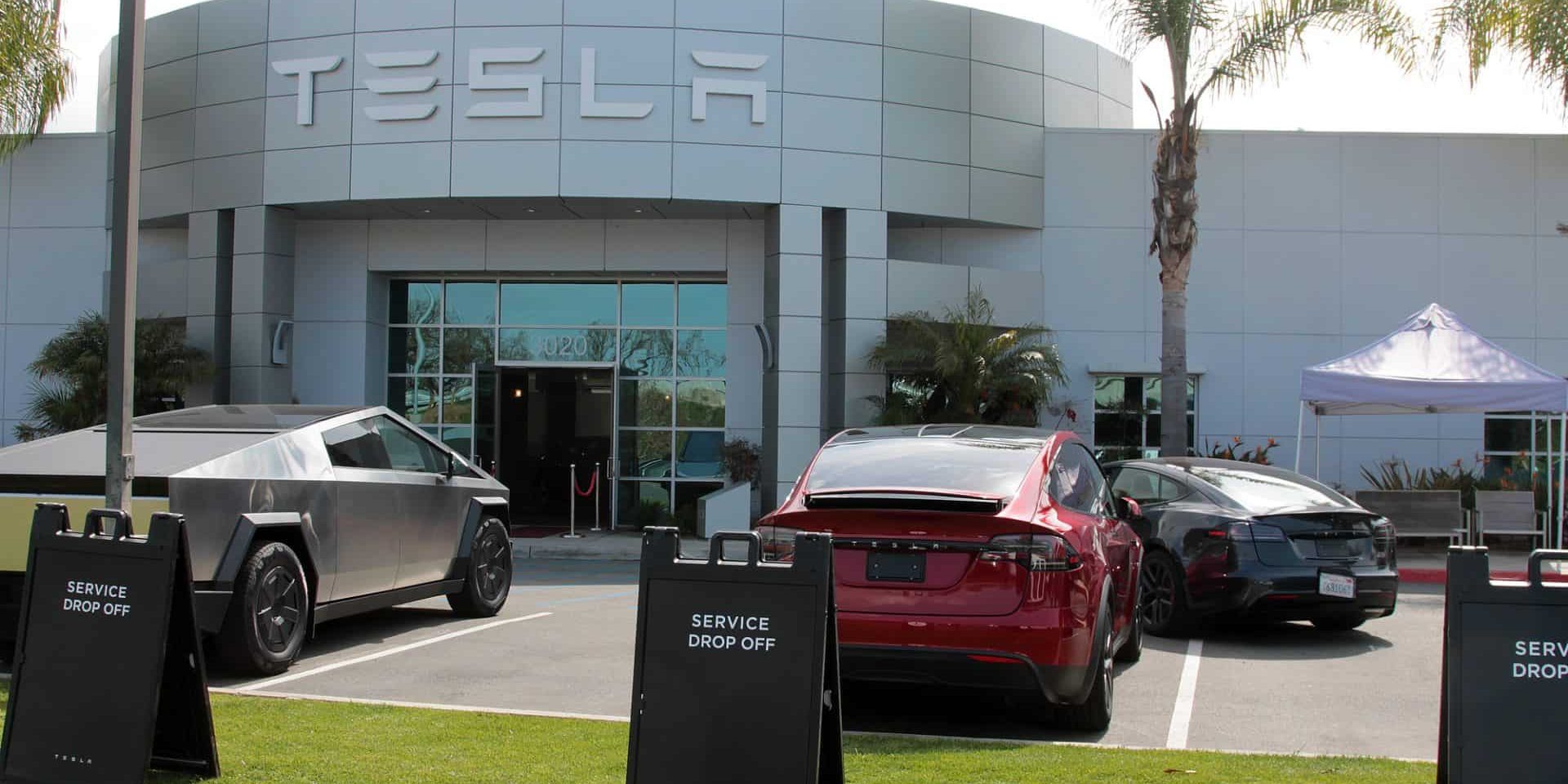
That is exactly what has happened to the Tesla Model Y, which starts at roughly £41,990 in the UK. It is one of the most common electric cars on British roads, yet under the grant’s own rules it never had a chance: its entry price sits nearly £5,000 above the cut-off, so no trim of the Model Y qualifies for either band, not even the £1,500 one. A buyer choosing a Renault 5, Nissan Leaf, Ford Puma Gen-E or MINI Countryman Electric instead gets £3,750 knocked off automatically. Someone buying a Skoda Elroq or Hyundai Kona Electric, priced further up the range, might land in the lower £1,500 band. The Model Y buyer gets nothing.
Why an entire model line can be shut out over one trim level
The eligibility rule is stricter than most buyers realise. It is not enough for the specific car on the forecourt to fall under £42,000. The Department for Transport’s own criteria state that a model only enters the scheme at all if its cheapest, base-specification version has a recommended retail price at or below £37,000. Only then do the pricier versions of that same model get to use the £42,000 allowance. A car whose base trim costs £38,000 cannot use the higher-trim allowance to bring in a cheaper version later, as the whole line already failed the first test.
As of this month, eight current models qualify for the full £3,750 Band 1 grant: the Citroën ë-C5 Aircross Long Range, Ford E-Tourneo Courier, Ford Puma Gen-E, MINI Countryman Electric, Nissan Leaf, Renault 4, Renault 5 and Renault Alpine A290. Selected BMW iX1 and iX2 models joined the scheme on 24 July, taking the full £3,750 discount even with a premium badge, as their entry trims were priced under the £37,000 bar. More than 40 further models, spanning Citroën, Ford, Hyundai, Kia, Peugeot, Renault, Skoda, Toyota, Vauxhall and Volkswagen, qualify for the smaller £1,500 Band 2 grant.
The scheme itself is well funded. It launched in July last year backed by £650 million, and the November Budget added a further £1.3 billion to keep it running through to the 2028 to 2029 financial year. The discount is applied automatically once a qualifying car is ordered from a participating dealer; buyers do not need to submit a claim themselves. That generosity, though, only reaches cars priced below the line the Department for Transport has drawn, and the biggest sellers in the electric car market are increasingly parked on the wrong side of it.
The pattern extends well beyond one Tesla model. Larger family electric SUVs and anything with a premium badge tend to sit above £37,000 once fitted with the battery and range buyers expect, which pushes whole segments of the market out of the grant altogether. A driver comparing two electric cars of near-identical size and range can find one qualifies for £3,750 and the other for nothing, purely down to where the manufacturer set the entry price relative to a government threshold that has stayed fixed for the life of the scheme.
Price is not the only hurdle either. A model has to clear the £37,000 bar before it is even assessed against the scheme’s other conditions, which cover minimum driving range, the length of the manufacturer’s warranty and how sustainably the car was built and its battery sourced. A cheaper EV that clears the price threshold but falls short on those wider criteria can still be refused a grant, and a car that would otherwise qualify on range and warranty grounds gets no credit for that if its base price sits above £37,000 in the first place. The price cap, in other words, is a gate a model has to pass through before any of the other rules are even considered.
Can you avoid the price-cap cliff edge?
There are practical ways to check before signing anything. The full, current list of qualifying models sits on GOV.UK under the zero-emission vehicle grants pages, and it changes regularly as manufacturers add or drop trims, so it is worth checking again immediately before ordering rather than relying on a list seen weeks earlier. The BMW additions in July show manufacturers do actively reprice entry trims to clear the £37,000 bar and pick up the discount, so a model that was ineligible earlier in the year could qualify now.
Buyers set on a specific model that misses out have a few options. Some manufacturers offer their own deposit contributions or discounts that can partly close the gap the grant leaves behind, and these are separate from the government scheme so are worth asking about directly. Checking whether a lower trim of the same model, rather than the one first quoted, brings the base price under £37,000 is also worth doing, as the grant applies to the model line’s cheapest version rather than the specific trim a buyer first has in mind. The discount is applied automatically once an order is placed with a participating dealer, so it is worth asking the dealer directly, in writing, whether the exact trim and configuration being ordered is grant-eligible before paying a deposit, rather than assuming eligibility from the model name alone.
For buyers who are not fixed on one badge, the eight Band 1 models and the more than 40 Band 2 models represent a plain way to save between £1,500 and £3,750 on a new electric car this year. Cross-shopping between a car that just clears £37,000 and one that sits just above it can be the difference between driving away with a discount and paying full price for a broadly similar car. Given how often the eligible list has shifted already this year, checking GOV.UK on the day of ordering, rather than trusting a brochure or a salesperson’s memory, is the only reliable way to know which side of the line a car falls on.
Until the Department for Transport revisits the £37,000 and £42,000 thresholds, or manufacturers reprice further models to fit beneath them, the electric car market will keep splitting into two tiers: cars that earn buyers thousands of pounds off, and popular models, including some of the best-known nameplates on the road, that miss out entirely over a difference of only a few thousand pounds on the sticker price.
Sources: Department for Transport and GOV.UK, Electric Car Grant and zero-emission vehicle grants eligibility criteria (current listing, including the BMW iX1 and iX2 Band 1 addition from 24 July 2026); Department for Transport funding announcements confirming the £650 million launch budget (July 2025) and the additional £1.3 billion confirmed in the November 2025 Budget; manufacturer list pricing for the Tesla Model Y and comparable Band 1 and Band 2 models as published by manufacturers and reported by UK motoring titles including What Car, RAC Drive and Motoring Research.

Leave a Comment
More in News

Why Truckers Can Now Drive 16-Hour Days as Diesel Hits $6.29 a Gallon

What Limp Mode Actually Means (and What to Do When It Happens)

How Bexar County’s New Emissions Test Will Cost San Antonio Drivers
GM Recalls 306,511 SUVs After 33,000 Rearview Camera Complaints
Car Insurance Rates Are Rising in 32 States, Led by a 15% Jump in Connecticut
Trending on Motoring Chronicle
Jeep Recalls 419,000 Grand Cherokee SUVs Over Side Airbags That May Not Deploy
Croydon Drivers Still Owed £6.9 Million From Traffic Fines a Court Ruled Unlawful

The Vision V in California – a whole new world of immersive entertainment [Photo Gallery]
Why a $1.3 Million Car Theft Ring Used Fake Temporary Plates on Stolen Luxury Cars