Smoother Driving Could Save UK Motorists Up to £200 a Year, Experts Say
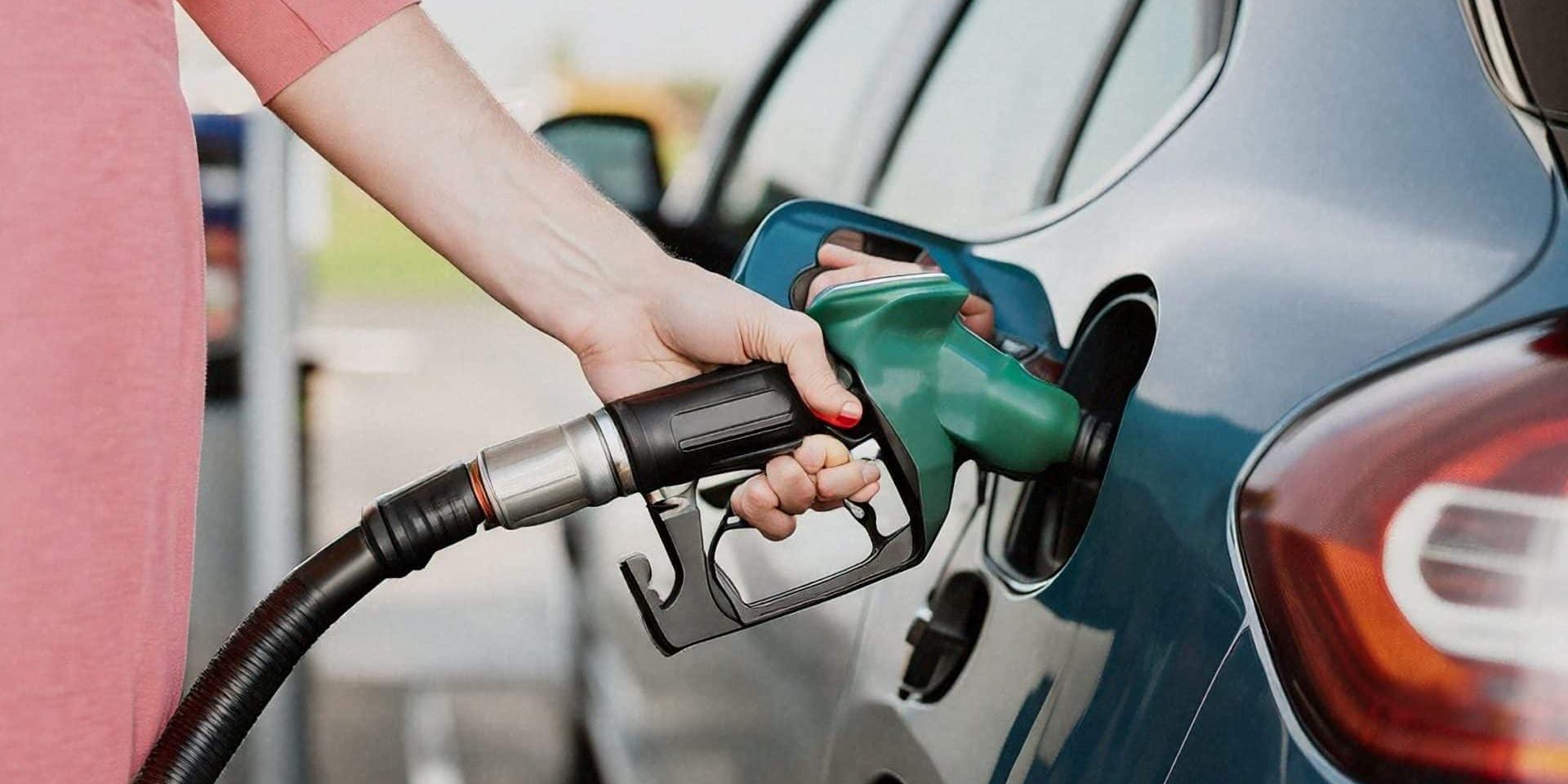
- Road safety charity GEM Motoring Assist says smoother driving can cut a typical driver’s fuel bill by £145 to more than £200 a year at current pump prices.
- Nearly 30,000 people were killed or seriously injured on Great Britain’s roads in 2025, a 4% rise on the year before, and GEM links the same habits that waste fuel to that toll.
- UK petrol is averaging around 166p a litre, keeping pressure on household budgets as the government prepares to raise fuel duty later this year.
The driving style that saves money and cuts risk
GEM Motoring Assist, the breakdown and road safety organisation founded in 1932, is urging drivers to change how they accelerate and brake rather than wait for pump prices to fall. The organisation’s calculations show a driver covering 8,000 miles a year in a typical 40mpg petrol car could save around £145 annually by cutting fuel use by 10%, rising to more than £200 for a 15% reduction, all without changing the car or the route.
James Luckhurst, head of road safety at GEM Motoring Assist, said: “Fuel prices are unlikely to offer drivers much relief in the near future, but there is a practical action everyone can take today: drive more smoothly. Ease away from traffic lights, anticipate what is happening well ahead and give the vehicle in front a proper gap. You will brake less, accelerate less and use less fuel. Just as important, you will have more time to spot a developing hazard and avoid a last-second reaction. Good eco-driving is not about crawling along or holding other people up. It is about being calm, observant and in control. Those are qualities that save money and can save lives.”
Why the same habits show up in the casualty figures
Government figures show 29,918 people were killed or seriously injured in reported collisions on Great Britain’s roads in 2025, up 4% on the year before. GEM points out that the driving habits behind that number, namely speeding up unnecessarily, following too closely and braking hard, are the same habits that waste fuel. A driver who leaves a longer gap and eases off the accelerator earlier gets two benefits from one change: a lower fuel bill and more time to react if the car ahead brakes suddenly or a hazard appears.
That overlap is not unique to GEM’s figures. When the AA ran an eco-driving trial with 50 of its own employees, drivers cut their weekly fuel bills by an average of 10%, and the best performer managed a 33% reduction using the same techniques GEM is recommending: gentler acceleration, earlier anticipation and steadier speeds.
Speed alone changes the numbers more than most drivers expect
Motorway speed has an outsized effect on fuel use. Driving at 70mph burns up to 9% more fuel than at 60mph and up to 15% more than at 50mph, while pushing on to 80mph can use up to 25% more fuel than a steady 70mph. For a driver doing a regular 200-mile round trip, dropping from 80mph to 70mph on the motorway sections alone can be the difference between one fuel stop and none.
None of this requires a new car or a change of route. It comes down to reading the road further ahead, easing off the accelerator instead of coasting to a red light at speed, and choosing the highest gear the engine can pull without labouring.
GEM’s checklist for the next tank
GEM’s advice for drivers looking to cut their next fuel bill is short and specific: check tyre pressures regularly, as underinflated tyres increase rolling resistance and fuel use; clear anything unnecessary out of the boot rather than carrying it around unused; plan routes ahead of time to avoid unnecessary stop-start driving; keep a safe following distance so there is room to ease off rather than brake hard; use the highest suitable gear without labouring the engine; and avoid idling for longer than necessary, whether waiting outside a school or sitting in a queue.
Pump prices are unlikely to offer relief any time soon. UK petrol is currently averaging around 166p a litre, with roughly 53p of that made up of fuel duty, and the Treasury has flagged a further rise in duty after September. For drivers who cannot control the price at the pump, GEM’s argument is that the one variable still in their hands, how they drive between fill-ups, is worth more than most people assume.

Leave a Comment
More in News
English Councils Banked a Record £1.1 Billion From Every Driver’s Parking Fines Last Year
How DVLA Promises 99% of Licences in Three Days After Admitting Services Fall Short
What to Do in a Motorway Breakdown (and When to Stay Inside)

How to Jump Start a Car Safely (and What a New Battery Costs)

Every Driver Gets Five Minutes Grace as Government Freezes Parking Charges at £100
Trending on Motoring Chronicle

What Every Learner Must Know About the Theory Test Changes Coming in June 2026
Why Millions of Drivers Must Update Their DVLA Records Before Digital Licences Arrive

Why Gas Prices Are Sliding Back Below $4 as the Iran Ceasefire Cools Oil

Why Dozens of Waymo Robotaxis Got Stuck and Towed in San Francisco’s July 4th Gridlock