
What Every UK Driver Needs in the Car Before Driving in Europe (Or Risk an On-the-Spot Fine)
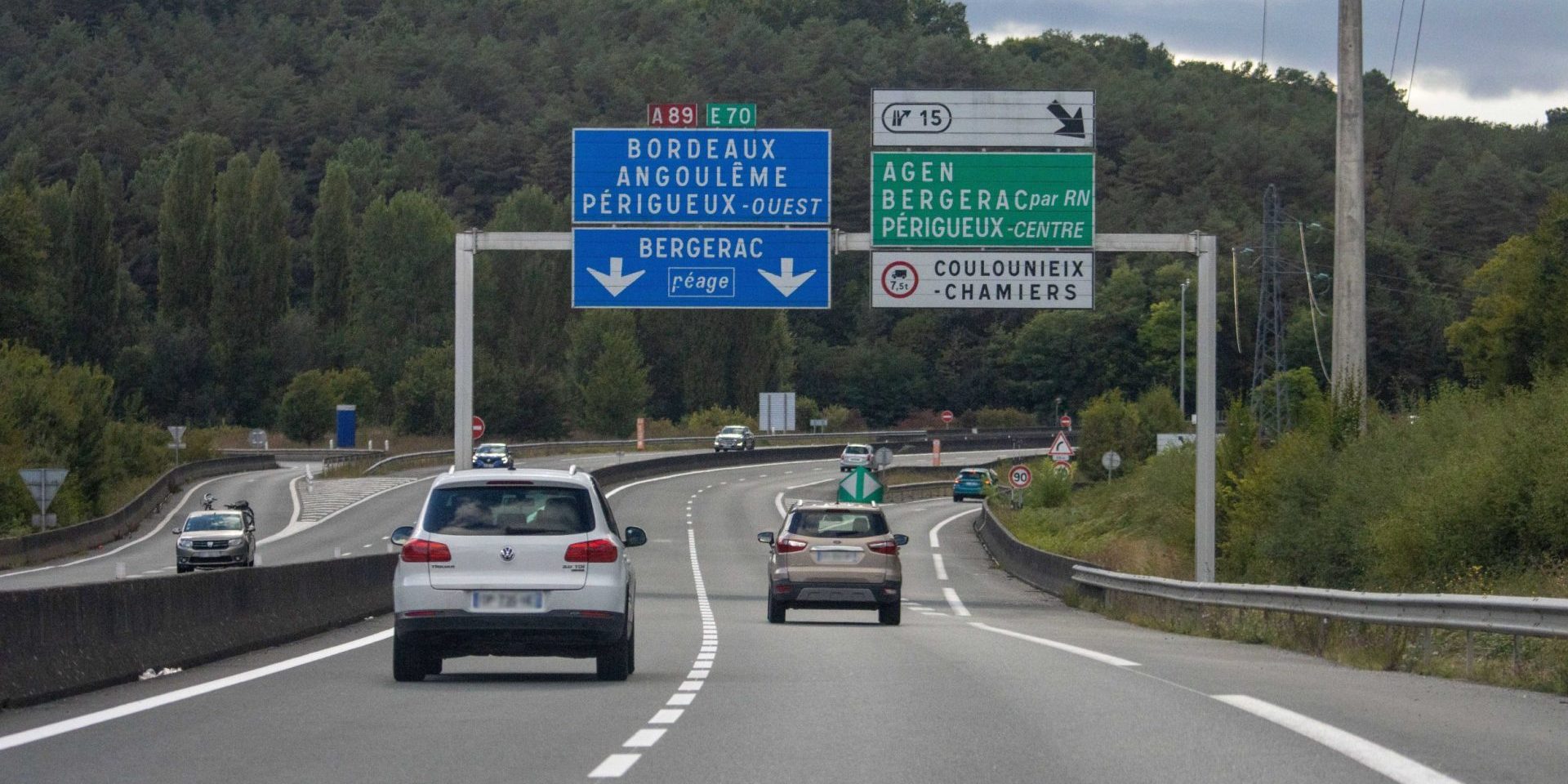
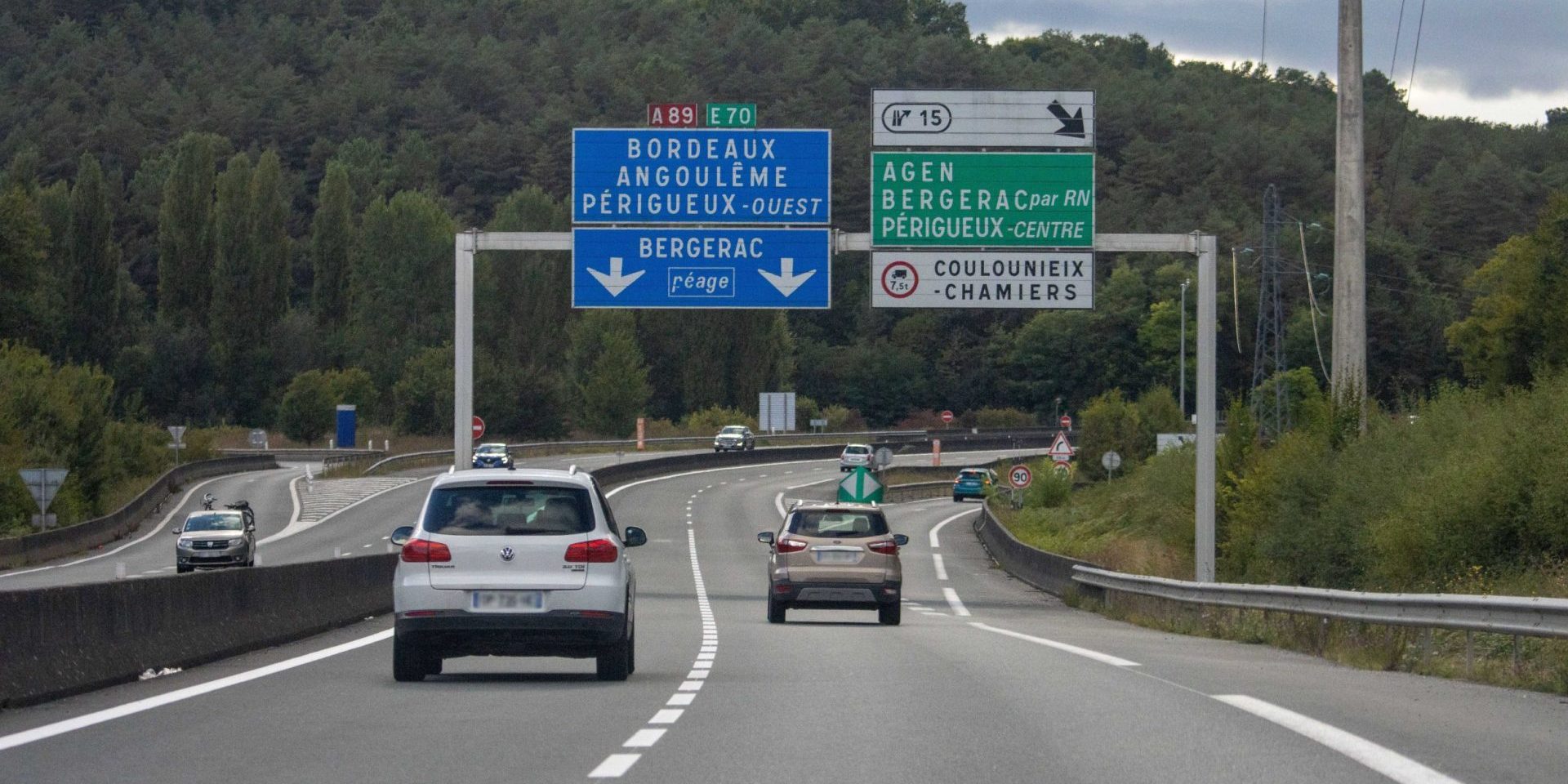
Hundreds of thousands of UK drivers will head to France, Spain and Portugal over the August bank holiday weekend and the weeks around it. The majority will not have the paperwork their journey requires. A survey by Euro Permits in June 2026 found that most UK drivers heading to Europe are missing at least one legally required document, and the most common gaps are ones that can result in on-the-spot fines of €68 or more without any warning. Here is what you need, what has changed since Brexit, and what the new EU Entry/Exit System means for your crossing time.
The August bank holiday in England, Wales and Northern Ireland falls on Monday 31 August 2026. Scotland’s summer bank holiday was on Monday 4 August, so Scottish drivers heading south for a late summer European trip face the same requirements. This is the guide for all of them.
The Crit’Air Sticker: France’s Biggest Hidden Fine for UK Drivers
If your route into or through France passes through any city with a population above 150,000, you need a Crit’Air anti-pollution sticker on your windscreen. That covers virtually every major route to Spain, Portugal, the south of France, the Alps or Italy. Paris, Lyon, Marseille, Toulouse, Bordeaux, Strasbourg, Lille, Nantes — all have active low emission zones, called ZFEs, where driving without the correct sticker risks an immediate fine.
The fine for entering a ZFE without a Crit’Air sticker starts at €68 for a car and €135 for a van. Enforcement is entirely automated through ANPR cameras. There is no stop, no warning, and no opportunity to explain: the notice simply arrives at your UK address by post via an international vehicle records request. Many drivers only discover they have been fined months after returning home.
The sticker is matched to your vehicle’s Euro emission standard, which is determined by your registration year and engine type. Most UK cars registered after 2014 qualify for Category 1 or 2, giving access to the widest range of zones. Older diesels registered before 2011 are typically Category 5 and are excluded from ZFEs during pollution peaks. The sticker is lifetime valid — you apply once and keep it. It is available from the official French government website at certificat-air.gouv.fr for €5.11, though delivery to UK addresses is notoriously unreliable and can take weeks. UK-based authorised resellers charge around £19 to £20 all-in with tracked Royal Mail delivery and a digital certificate by email as backup.
In spring 2026 the French parliament voted to scrap the ZFE scheme. The Constitutional Council struck that legislation down on 21 May 2026, confirming the zones are staying. Do not assume the sticker is now optional. Enforcement has continued without interruption.
The EES Border System Is Now Live and Slowing Crossings
The EU’s Entry/Exit System went live across Schengen Area borders in 2025. It requires biometric registration for all non-EU nationals, including British citizens, entering or leaving Schengen countries. In practice this means fingerprint scans and a facial photograph at the border crossing, processed by an automated kiosk or an officer.
The processing time is typically two to five minutes per person for a first-time registration. For a family of four in a car, that adds up to ten to twenty minutes at the border, on top of existing passport checks and vehicle document checks. At busy crossing points such as Folkestone/Calais during August, queues compound these individual delays. Eurotunnel and DFDS are advising passengers to arrive at least 90 minutes before scheduled departure rather than the previous 45-minute guidance.
EES is separate from ETIAS. ETIAS, the EU’s travel pre-authorisation scheme, was originally scheduled to launch in late 2026. That date has been dropped by eu-LISA, the EU agency responsible, and 2027 is now the most likely launch window. You do not need ETIAS for any European trip this summer or autumn.
Portugal’s Invisible Toll Roads
Portugal operates two entirely different toll systems and the second one catches thousands of UK drivers every year. On traditional toll roads there are physical booths or barrier systems: you stop, pay in cash or card, and continue. On the electronic toll roads — which include the A22 Algarve motorway and several major routes around Lisbon — there are no booths, no barriers and no visible indication that you are being charged. Cameras photograph your plate as you pass through, and the charge is processed electronically.
UK-registered vehicles are not automatically enrolled in any Portuguese electronic payment system. If you drive a Portuguese electronic toll road without registering first, you will accumulate unpaid toll debts. You have up to 30 days after your journey to pay these retrospectively at pagamentodeportagens.pt. If you do not pay within that window, a fine is issued and can be pursued through UK enforcement.
The solution is to register your UK plate and a credit card at portugaltolls.com (EasyToll) before you travel. Registration costs €1, with a charge of €0.32 per journey handled. The registration covers all Portuguese electronic toll roads for 30 days. For any driver planning to use the Algarve motorway or the Lisbon ring roads, this is not optional: registration before departure is the only way to avoid a bureaucratic process on return.
Motorway Vignettes: Switzerland, Austria and Beyond
Several European countries require a motorway vignette, a prepaid pass for using the national motorway network. These are not purchased at the border in the traditional sense — in most cases they need to be bought before you travel, either online or at a petrol station before the border crossing.
Switzerland requires a vignette costing approximately CHF 40 (around £35) and valid from December of the previous year to January 31 the following year, meaning a single annual sticker covers any Swiss driving in that calendar year. Switzerland is not in the EU but sits at the heart of Europe: any overland route from the UK to northern Italy, central Europe or the Balkans typically passes through it. The fine for driving on Swiss motorways without a vignette is CHF 200.
Austria requires a vignette for all motorways and expressways. A ten-day digital vignette costs approximately €12.80 and is available at asfinag.at before departure. There are physical toll gates on some mountain routes in addition to the general network vignette, notably on the Brenner Pass, where a separate fee applies.
Hungary and the Czech Republic both operate digital vignette systems purchasable online before travel, costing approximately €15 for a ten-day pass in each country. Several other countries, including Slovenia and Slovakia, operate similar systems. If your route extends into any of these countries, check their motorway authority websites for the current pricing and purchase the vignette before you leave the UK.
Documents and Kit You Must Carry
Your driving licence is valid throughout Europe but must be the photocard version. The old paper licence is not accepted in most European countries. Carry it at all times.
You must carry your V5C vehicle registration document. This is not optional: you can be stopped and required to produce it, and being unable to do so can result in a fine and the vehicle being impounded in some jurisdictions.
Your insurance certificate must confirm your policy covers European driving. Most comprehensive UK policies extend at least third-party cover to the EU automatically, but comprehensive cover is not guaranteed across borders. Check your policy schedule and call your insurer if the wording is unclear. A Green Card is no longer required for EU and EEA countries, but some non-EU European countries still ask for one: check before you travel to non-EU nations such as Turkey, Morocco or Georgia.
In France, the law requires you to carry a warning triangle and a high-visibility vest for every adult in the vehicle. The vest must be accessible without opening the boot: it needs to be wearable before you exit the vehicle, not retrieved from the rear once you are already on the carriageway. A reflective vest stuffed into the glovebox meets the requirement. Additionally, UK right-hand drive vehicles must carry headlamp beam deflectors, because your headlights are aligned for driving on the left and will dazzle oncoming drivers on continental roads. These are inexpensive adhesive stickers available at motorway service stations and auto parts stores.
A UK identifier is required on the rear of your vehicle. Post-Brexit, the GB sticker is no longer valid. You need a UK sticker or a number plate with the UK identifier already incorporated. If your number plate has the Union flag and the letters UK, no separate sticker is required. If it has a GB Euro-plate, you need to either replace the plate or add a UK sticker over the GB designation.
France Speed Limits and the Wet Weather Rule
French motorway speed limits are 130km/h in dry conditions and 110km/h in wet conditions. The wet weather limit applies as soon as it is raining, not just when signs indicate it. Cameras on French motorways are calibrated for both limits and the tolerance margin is lower than UK speed cameras typically apply. On dual carriageways the standard limit is 110km/h and in urban areas 50km/h. A new addition for 2026: some French urban zones have introduced 30km/h limits on residential streets without prominent signage — look for the zone 30 road markings at junction entries.
In Spain, motorway limits are 120km/h. In Germany, the famous autobahn has no general speed limit on sections not marked with a restriction, but approximately half the autobahn network now carries fixed limits. Do not assume you can drive without limit on any section of German motorway without confirming the current posted signs.
What the August Bank Holiday Traffic Picture Looks Like
The August bank holiday consistently produces the highest UK outbound traffic of the summer. Eurotunnel and ferry operators expect August 29, 30 and 31 to be among their busiest days of 2026. Tunnel and ferry services are typically sold out or heavily price-inflated for bank holiday crossings booked after June. If you have not yet booked a crossing, a day either side of the bank holiday weekend — travelling Thursday 28 August or Tuesday 2 September — will typically offer shorter queues and lower prices, though availability is limited this late in the season.
Fuel prices in France are broadly comparable to the UK for petrol but French diesel typically runs 10p to 15p per litre below UK prices at equivalent supermarket stations. Filling up in France rather than the UK before the return crossing can save £5 to £9 per 55-litre tank at current price differentials. The gap narrows at French motorway service stations, which carry premiums similar to those in the UK.
Sources:

Leave a Comment
More in News
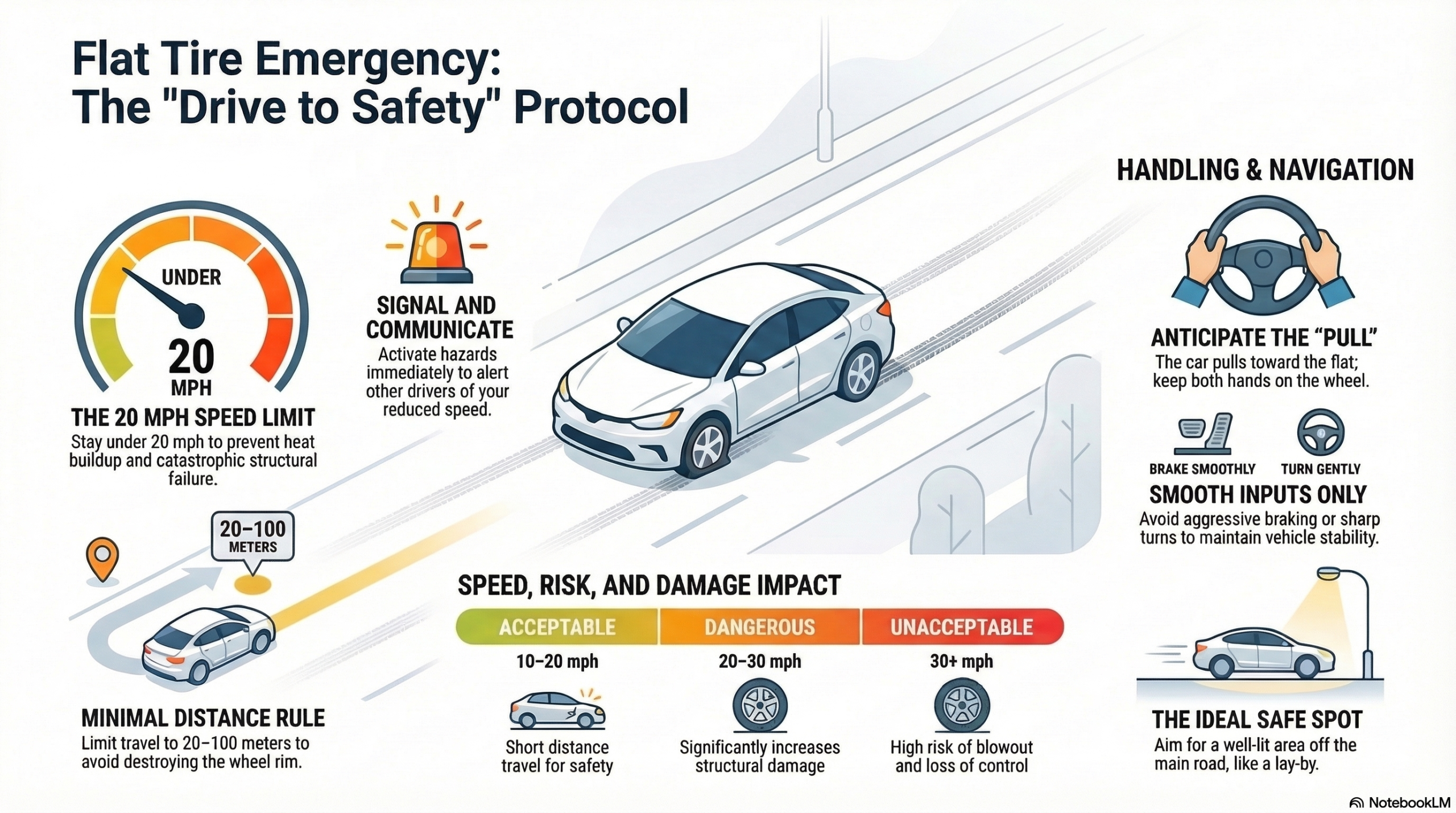
What a Tyre Sealant Kit Actually Does (and How Far You Can Drive)
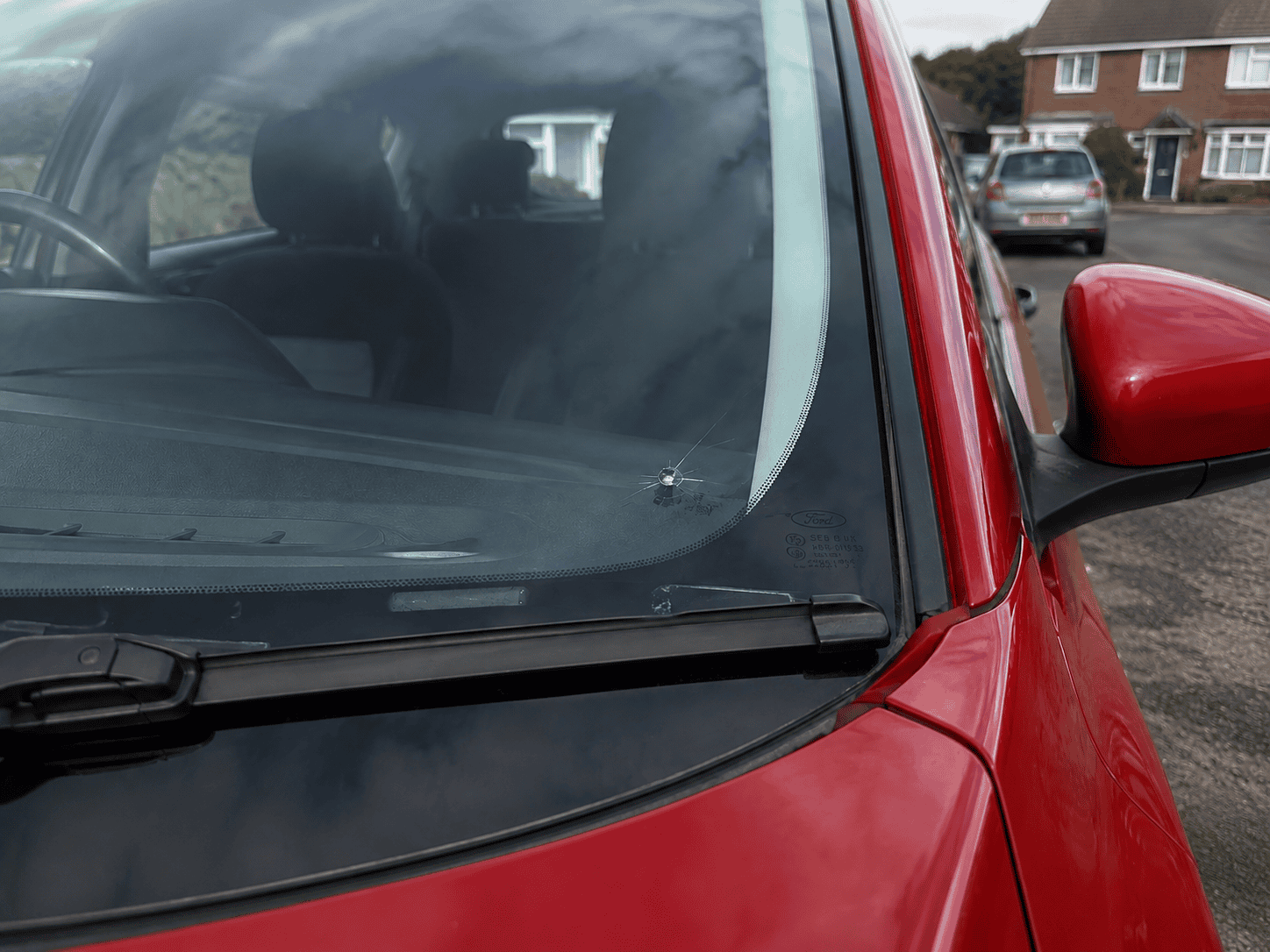
How to Tell If a Windscreen Chip Fails Your MOT (and Repair Cost)

What NHTSA’s Tesla Robotaxi Petition Over School Zone Speeding Means for You

Why Hyundai Is Telling 94,622 Genesis Owners to Park Outside

BMW Owners Have One Day Left to Claim This Shark Fin Antenna Payout
Trending on Motoring Chronicle

What the ABS Warning Light Actually Means (and Whether It’s Safe to Drive)

How Long Does a Timing Belt Last? The Age Limit Most Drivers Miss
How to Tell If a Windscreen Chip Fails Your MOT (and Repair Cost)

A new foundation for a new era: the Tourbillon’s platform [Photo Gallery]
