Why Nearly £200,000 Worth of Fuel Is Being Stolen From UK Forecourts Every Day
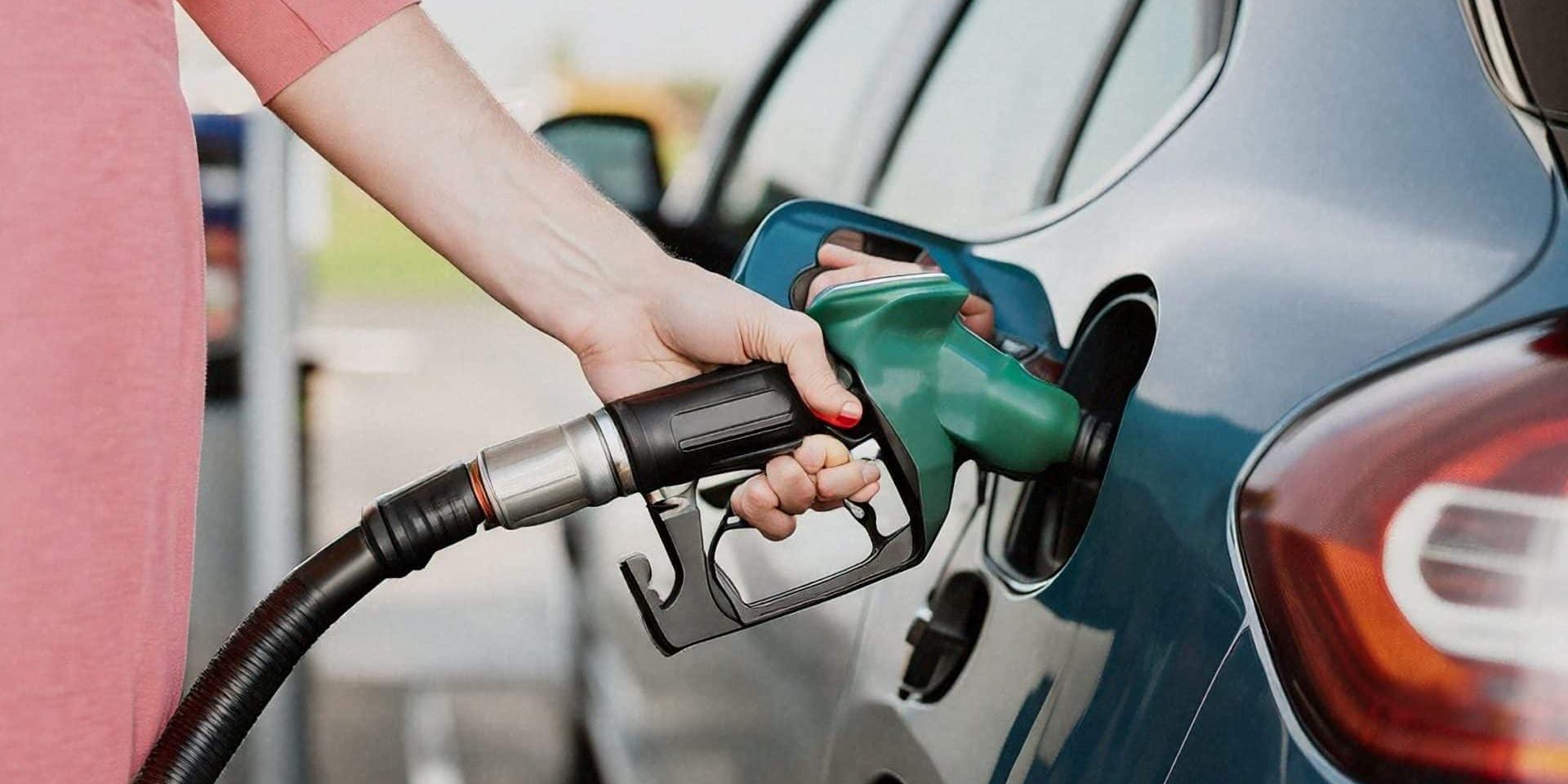
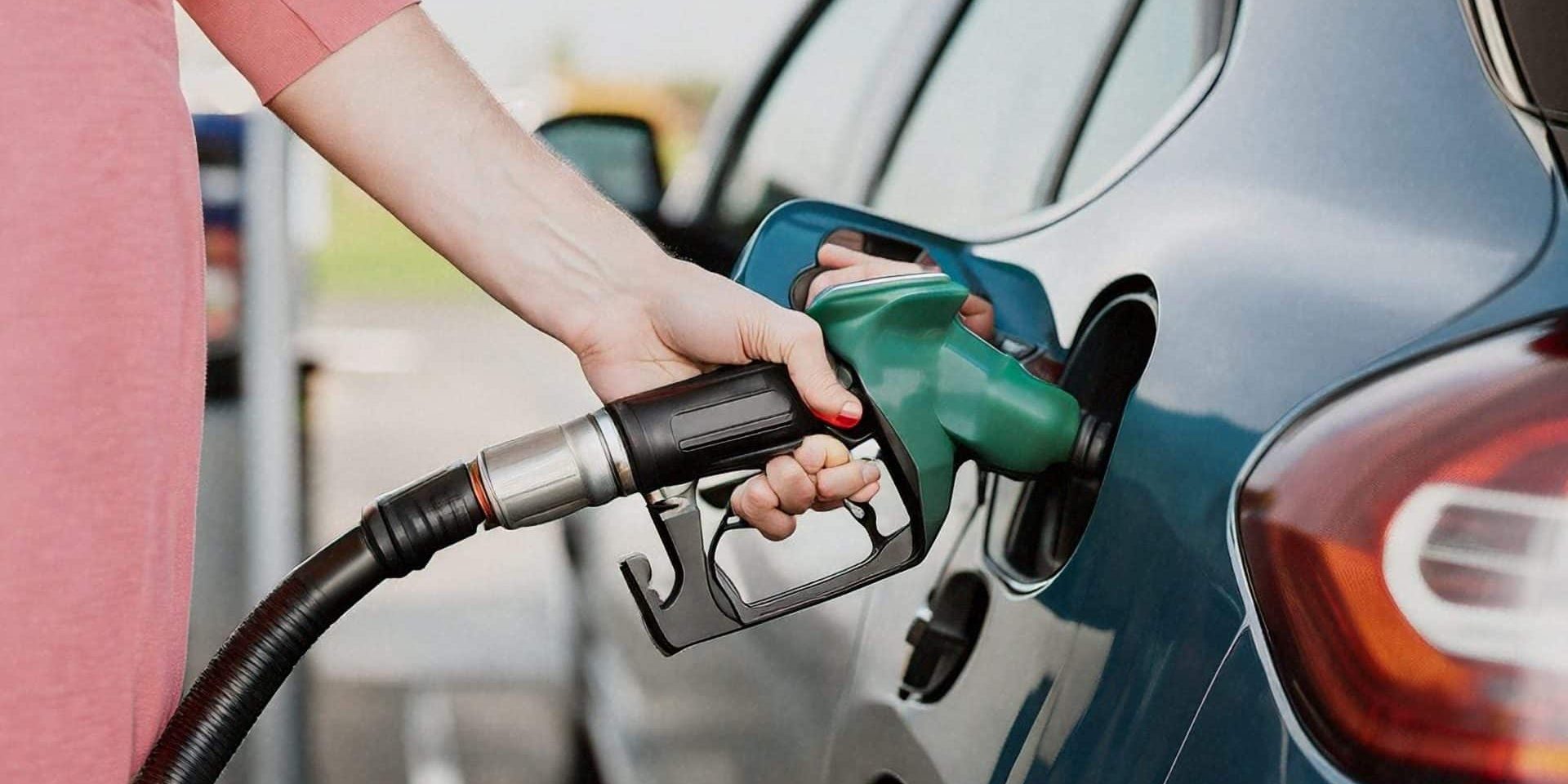
Fuel theft at UK petrol stations has surged by a fifth since the start of the Iran war, with an estimated £194,000 worth of petrol and diesel taken from forecourts without payment every single day, according to new analysis from fuel theft prevention company Forecourt Eye.
The figures, compiled from a representative sample of 550 sites across Britain, show that incidents of fuel taken without payment soared by 20 percent in the five months after the conflict began on 28 February 2026, compared with the five months before it. The value of fuel stolen rose by an even greater margin, up 48 percent over the same period, because rising pump prices mean each incident is worth more to thieves.
The Scale of the Problem Across 8,359 Forecourts
The daily average of £194,000 lost to theft is spread across the UK’s 8,359 forecourts. The typical petrol station is now losing around £23 worth of fuel to theft every day. Across a month, that amounts to approximately £700 per site, though the actual figure varies considerably. Larger and more exposed sites in urban areas or near major roads tend to suffer more than smaller rural forecourts.
Forecourt Eye distinguishes between two main categories of fuel crime. The first is a drive-off, where a driver fills up and leaves without any attempt to pay. The second is a “no means of payment” incident, where the customer fills up and then claims they have no way to settle the bill, presenting it as an oversight. Both categories have increased since the war began, and both carry the same criminal consequences under the Theft Act 1968.
The data also reveals that the rise in theft is not confined to repeat offenders or professional criminals. Among first-time offenders, incidents rose by 23 percent and the volume of fuel stolen climbed by 26 percent. Among repeat offenders the increases were smaller: 17 percent more incidents and 20 percent more volume. This pattern suggests that higher pump prices are drawing in people who would not previously have considered theft as an option.
How the Iran War Pushed Pump Prices to a Three-and-a-Half-Year High
Before the Iran conflict started on 28 February, the average price of a litre of unleaded petrol in the UK was 132.83p. Within weeks of the first US-Israeli strikes on Iranian oil infrastructure, global markets began pricing in disruption to shipments through the Strait of Hormuz, the narrow waterway through which roughly 20 percent of the world’s traded oil passes. By late May, petrol had climbed to 159.53p per litre.
Prices fell back briefly after the US and Iran agreed a memorandum of understanding in June, dropping to 150.59p by 6 July. But renewed American strikes and Iranian retaliation in late July sent prices climbing again. By early August, petrol was averaging 160p per litre, the highest level since November 2022. Diesel reached around 179p per litre, some 37p above where it stood before the conflict.
RAC head of policy Simon Williams described the situation as “very unwelcome news for drivers” and warned that diesel is likely to reach 185p per litre in coming weeks unless there is a significant fall in global oil prices. For drivers filling a family-sized car with petrol, a full tank now costs around £88. For diesel the equivalent cost is close to £98.
The Human Cost to Forecourt Workers
Gordon Balmer, executive director of the Petrol Retailers Association, which represents independent fuel retailers, said his members are “reporting increasing levels of abuse and aggression towards colleagues who are simply doing their jobs and have no influence over the price displayed on the forecourt.”
Ben Lawrence, a director at Lawrences Garages, which operates five petrol stations in Norfolk and Hampshire, said the type of person committing theft has changed. Fuel theft was historically often carried out by people involved in other crimes, he explained, but rising costs have changed that picture. “When someone drives off after taking fuel worth £80 to £90, it’s hitting us, not the oil companies,” he said. “We’ve already purchased it.”
There is a widespread misconception among some drivers that stealing from a branded forecourt is somehow victimless, because the theft comes out of the oil major’s revenue rather than the small business running the site. In practice, independent forecourt operators buy fuel at wholesale prices and sell it on, keeping a thin margin. A single drive-off of £80 to £90 can wipe out the profit from many legitimate sales made that same day.
New Technology Being Rolled Out to Tackle Theft
Forecourt Eye is responding to the increase by partnering with Facewatch, a facial recognition crime reporting service, to give operators access to technology that makes it easier to record incidents and, for sites that choose to opt in, identify known offenders before they strike.
Michelle Henchoz, managing director of Forecourt Eye, said: “As offending becomes more organised and more sophisticated, operators need joined-up technology that helps them protect both their forecourt and their convenience store.”
The Facewatch system, where deployed, compares the faces of people entering a forecourt against a shared database of individuals previously convicted of or cautioned for theft at participating sites. If a match is found, staff receive a discreet alert. Sites can also report new incidents and contribute to the shared database, making the network more effective as more operators join.
Even without facial recognition, CCTV evidence combined with the ANPR (Automatic Number Plate Recognition) technology already in use at most UK forecourts means that drive-off offenders are increasingly likely to be identified and referred to police. Most police forces maintain intelligence databases tracking repeat fuel theft offenders, and prosecutions are a regular outcome.
What the Law Says About Stealing Fuel
Stealing fuel is not a minor offence. Under the Theft Act 1968, dishonestly appropriating property belonging to another person with the intention of permanently depriving them of it is theft, regardless of the value involved. On summary conviction in a magistrates court, theft carries a maximum sentence of six months in prison or an unlimited fine. For larger or more organised incidents, the offence can be tried in the Crown Court, where the maximum sentence is seven years.
Drivers who claim “no means of payment” occupy a more complex legal position. If they genuinely intend to return and pay, no offence has occurred. But failing to return and settle the bill, or providing false contact details, converts the situation into fraud or theft under the Fraud Act 2006. Forecourts that record registration plates of no-means-of-payment incidents can and do pursue civil debt recovery as well as referring cases to police.
What To Do if You Spot Fuel Theft
Forecourt staff have the right to ask drivers to pay before they pump, and many independent sites are considering moving to a prepay-only model to eliminate theft entirely. If you witness a drive-off, report it to the forecourt staff immediately so they can record the number plate. Do not attempt to intervene yourself.
If you are a forecourt operator, Forecourt Eye’s guidance recommends installing clear signage warning that CCTV and ANPR are in operation, as visible deterrents reduce incident rates. Displaying notices that fuel theft is actively reported to police and that prosecutions are pursued also reduces the likelihood of repeat offenders returning to the same site.
For drivers seeking the cheapest available fuel, apps such as GoodSam and Petrol Map aggregate live prices from thousands of UK forecourts in real time. Using them to find the lowest local price reduces the financial pressure that the war-driven price spike has placed on household budgets, and keeps honest drivers away from the temptation that higher prices are creating for some.
With the Iran conflict unresolved and oil prices expected to remain elevated, the pressure on forecourt operators and drivers alike is set to continue through the remainder of the summer. For the workers behind the counter, the daily reality is of serving customers under rising stress, with no ability to change the price on the pump and increasing exposure to abuse and theft as a result.
Sources:
- https://www.itv.com/news/2026-08-03/fuel-theft-nearly-200000-stolen-from-uk-forecourts-daily-during-iran-war
- https://media.rac.co.uk/petrol-prices-hit-three-and-a-half-year-high-due-to-iran-war

Leave a Comment
More in News
Edinburgh Drivers Paid £46.6 Million in Parking Income, Up 46 Percent in Three Years
Drivers Claimed £10.2 Million for Pothole Damage but County Councils Paid 6%, Quotezone Shows
Car Insurance Bills Rose by £8 This Quarter as a Two-Year Price Drop Ends

Garage Complaints to the Motor Ombudsman Jumped 22 Percent as Payouts Hit £4,308

How Cap HPI Data Shows Some Used Electric Cars Losing 29 Percent of Value
Trending on Motoring Chronicle

Why 4 Million British Cars Have Passed 100,000 Miles and What It Means If You Are Buying One

Hyundai and Kia Recall 14 EVs Over a Battery Cell Fire Risk
NYC Will Install Red Light Cameras at 600 Intersections in a $998 Million Deal

Lamborghini Temerario Tricolore: a celebration of Italian excellence