
How a New Federal Bill Could Force States to Kill Speed Cameras
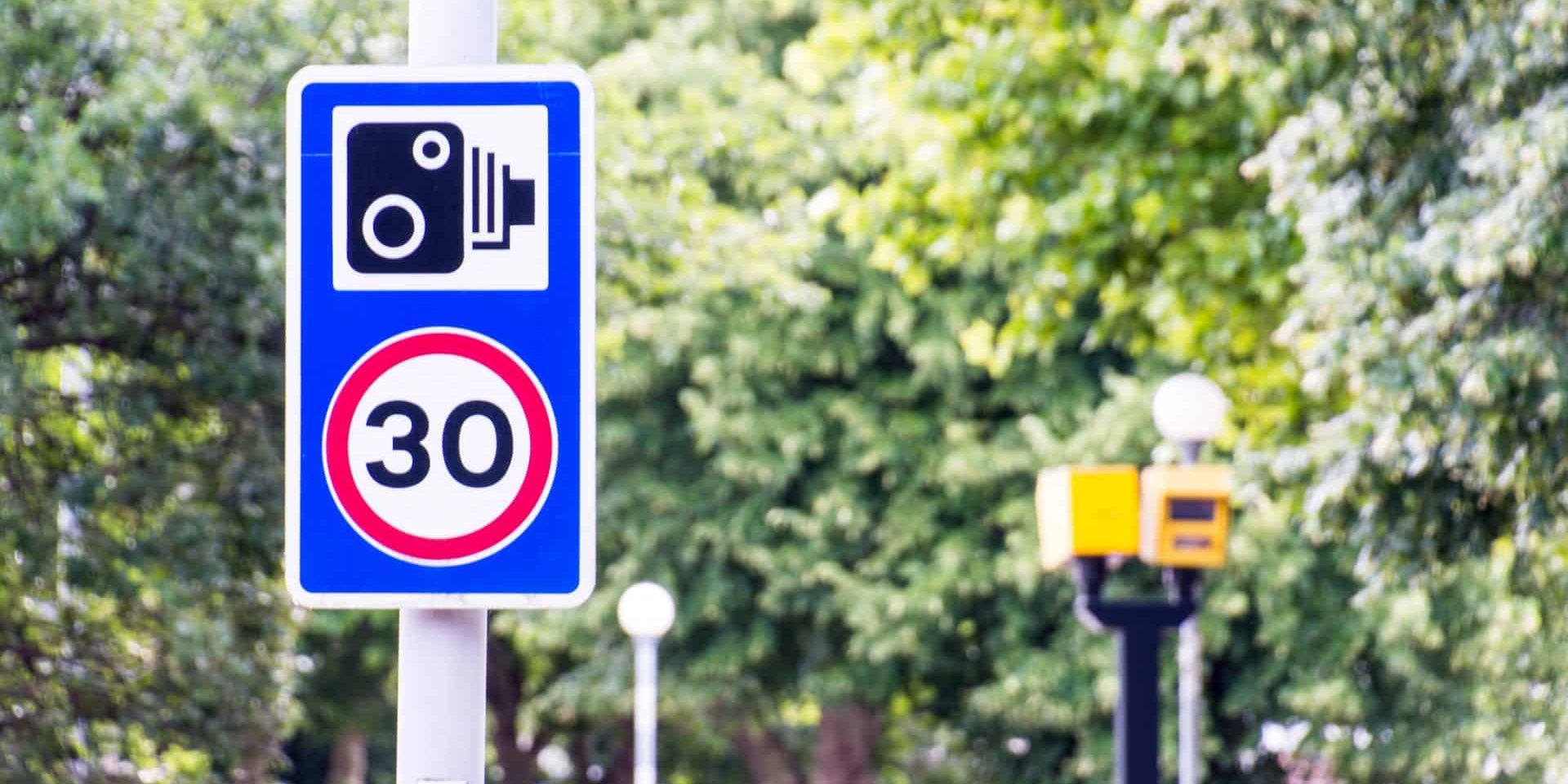
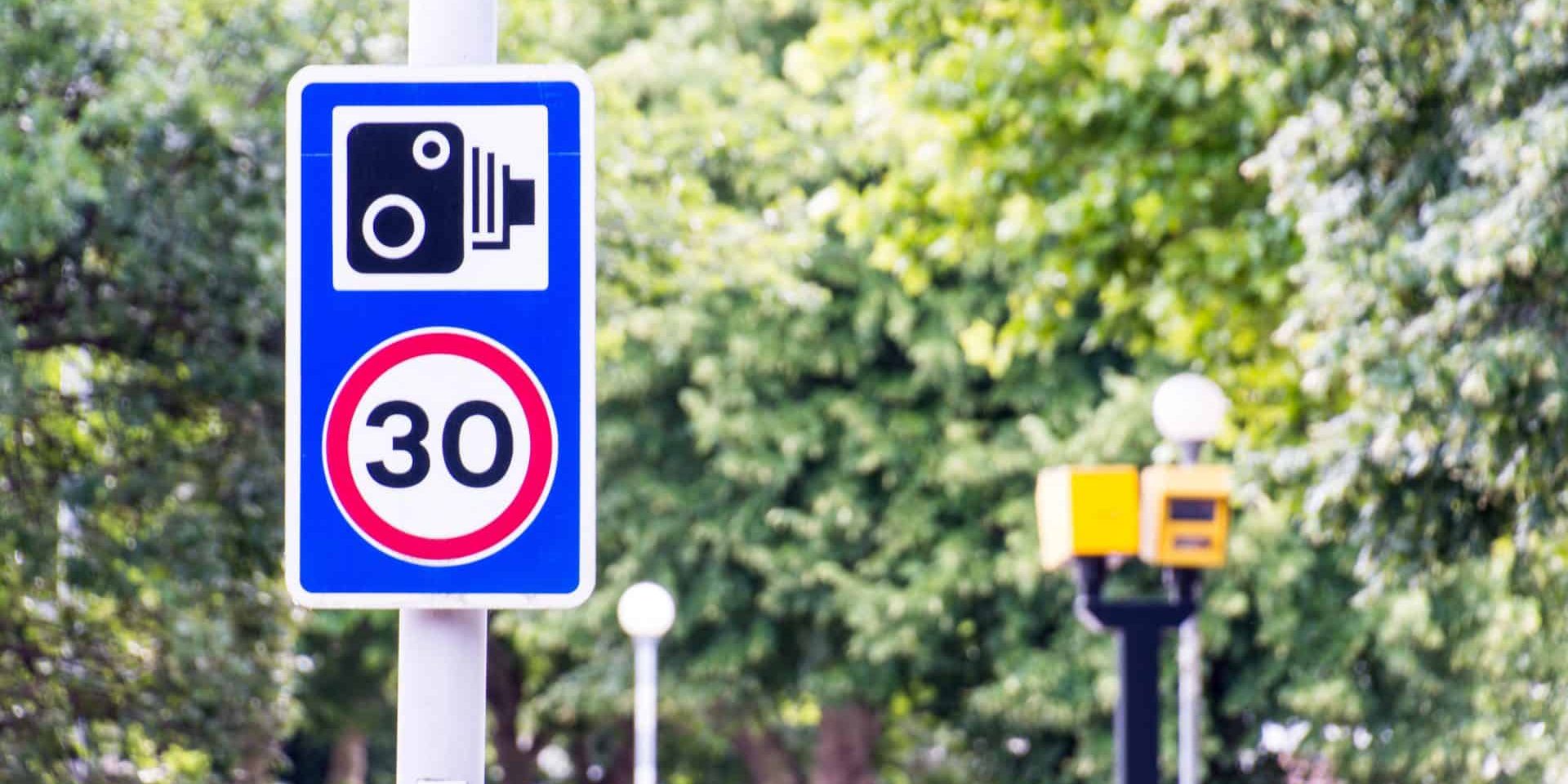
A bill sitting in Congress right now could strip states of federal highway money if they keep running automated speed cameras, and the fight over it is splitting cities that rely on the cameras from lawmakers who see them as an unfair cash grab. The Freedom from Automated Speed Enforcement Act of 2025, known in Congress as H.R. 5394, would withhold 10 percent of a state’s federal highway funds unless that state certifies it has eliminated automated speed enforcement by October 1, 2026.
What the Bill Actually Does
H.R. 5394 was introduced by Representative Pat Harrigan of North Carolina, who describes it as a defense of due process against a technology he says exists to generate revenue rather than improve safety. The bill amends federal highway law to condition 10 percent of a state’s highway funding on eliminating automated speed cameras statewide. It carves out two exceptions: cameras operating in school zones within posted school hours, and cameras in active construction or work zones, would be allowed to remain.
The legislation passed the House Appropriations Committee in July 2025 and has continued moving through negotiations tied to the broader fiscal year 2026 budget process. It has not yet passed the full House or Senate, and no date has been set for a final vote, meaning states currently have no legal obligation to remove their cameras. The October 1, 2026 certification deadline written into the bill only takes effect if the legislation is signed into law before then, something that has not happened as of this year’s midpoint.
Why Washington, D.C. Has Become the Flashpoint
No city has pushed back harder than Washington, D.C., which operates one of the most extensive automated enforcement networks in the country. D.C. Shadow Representative Oye Owolewa has publicly criticized the bill as federal overreach, arguing it strips the city of a tool it has used to reduce crashes without giving local officials any say in the decision. A D.C. transportation official has said the automated cameras allow the city “to hold dangerous drivers accountable in a way that we simply had not been able to do otherwise,” and warned that passage of the bill would “upend” that enforcement capability entirely.
The Trump administration has moved on a parallel track outside of Congress as well. Reporting from February 2026 described a Department of Transportation proposal to limit federal grant funding tied to speed camera programs, and a separate DOT effort specifically targeting D.C.’s automated traffic camera program, made possible by Congress holding unique budgetary authority over the District that it does not hold over any state, has drawn its own local opposition. Together, the legislative bill and the administrative funding changes amount to two separate levers the federal government is testing at once, both aimed at reducing the reach of automated traffic enforcement nationwide.
Safety Groups Are Split on the Carve-Outs
The most detailed pushback has come from safety advocates rather than city governments. The National Safety Council and the Associated General Contractors of America, representing highway construction firms, have specifically asked Congress to broaden the work zone and school zone exceptions rather than narrow them. Their argument rests on hard numbers: more than 100,000 crashes occurred in highway work zones in 2023, contributing to roughly 900 deaths that year, according to figures the coalition has cited in its lobbying. Both groups argue that stripping away automated enforcement in work zones specifically, at a moment when construction crews are most exposed to passing traffic, would make an already dangerous job more dangerous still.
Public opinion on the broader bill is more mixed than the advocacy fight suggests. A Boston Globe reader poll drew more than 600 responses on the question of automated speed cameras generally, with 74 percent opposed to the technology and 24 percent in favor, though that poll reflects sentiment in a single region rather than the nation as a whole, and did not ask specifically about the federal defunding approach in H.R. 5394.
Where Speed and Red Light Cameras Stand Today
As of this year, 25 states and the District of Columbia allow red light camera enforcement in some form, while nine states, including Texas, Montana and New Hampshire, prohibit red light cameras outright. Speed cameras specifically have a narrower footprint, often limited to school zones or a handful of pilot cities. New York City runs the largest municipal program in the country, with more than 2,000 speed cameras covering over 750 school zones and operating around the clock, year round.
That existing patchwork is part of why H.R. 5394 has drawn such sharp reactions. A national mandate tied to highway funding would override decisions that, up to now, have been made almost entirely at the state and local level, city by city and legislature by legislature, based on each jurisdiction’s own crash data and political appetite for automated enforcement.
The Money Behind the Debate
Highway funding is not a small line item for most states. Federal highway apportionments run into the hundreds of millions or billions of dollars annually for larger states, so a 10 percent reduction tied to noncompliance would translate into tens of millions of dollars in lost construction and maintenance funding for a mid-sized state, and potentially far more for states like California, Texas or New York. That is the pressure point H.R. 5394 relies on: rather than banning speed cameras outright, which would likely draw a stronger constitutional challenge over states’ traditional authority to set their own traffic laws, the bill uses the federal purse strings that Washington has used for decades to influence state policy on everything from the drinking age to seatbelt laws.
Supporters of automated enforcement argue the same money argument cuts the other way. Camera advocates note that speed and red light camera programs are often funded through the tickets they issue rather than general tax revenue, meaning a state losing highway funds over its camera program would be trading one funding stream, road construction and repair, for cuts unrelated to how the cameras themselves are paid for. Opponents of the bill argue that structure amounts to Congress punishing states for a policy choice that costs the federal government nothing directly, using unrelated infrastructure money as the pressure point instead.
What Drivers Should Actually Expect Right Now
The bill has not passed, so no driver anywhere in the country needs to expect their local speed or red light camera to disappear this year on the strength of H.R. 5394 alone. States and cities that operate camera programs are continuing to enforce them under existing state and local law, and violations issued today remain fully valid and payable regardless of what happens in Washington.
Drivers who want to track the bill’s progress can follow it directly at congress.gov under H.R. 5394, which publishes committee votes, amendments and floor schedules as they happen. For now, the practical advice for anyone driving through a marked speed camera zone, whether in a school area, a work zone, or one of the dozens of cities that operate broader programs, has not changed: slow down. The cameras that exist today are still fully operational and still issuing tickets.
Sources:

Leave a Comment
More in News

How Driving Instructor Test Fees Rose a Third in Five Years While DVSA’s Own Checks Collapsed 94 Percent

Disabled Drivers Now Pay Up to £400 More to Join the Motability Scheme

A Third of Drivers Missed a Motoring Deadline That Risks a £1,000 Fine
One in Seven Drivers Could Have Invalid Insurance Without Knowing It
Chery Extends Seven-Year Warranty Cover to More Parts for All UK Owners
Trending on Motoring Chronicle

Half of Young Drivers Are Buying Fake Car Insurance on Social Media
The Last Manual M3: How BMW Sends Off the M3 CS Handschalter for $107,100

Ferrari 12Cilindri Manuale Revives the Manual Gearbox With 830cv V12 in 1,499-Car Run

Hay Fever Can Impair Your Driving As Much As Alcohol, And Most Drivers Have No Idea
