How to Legally Wash Your Car During a Hosepipe Ban (and Avoid a £1,000 Fine)
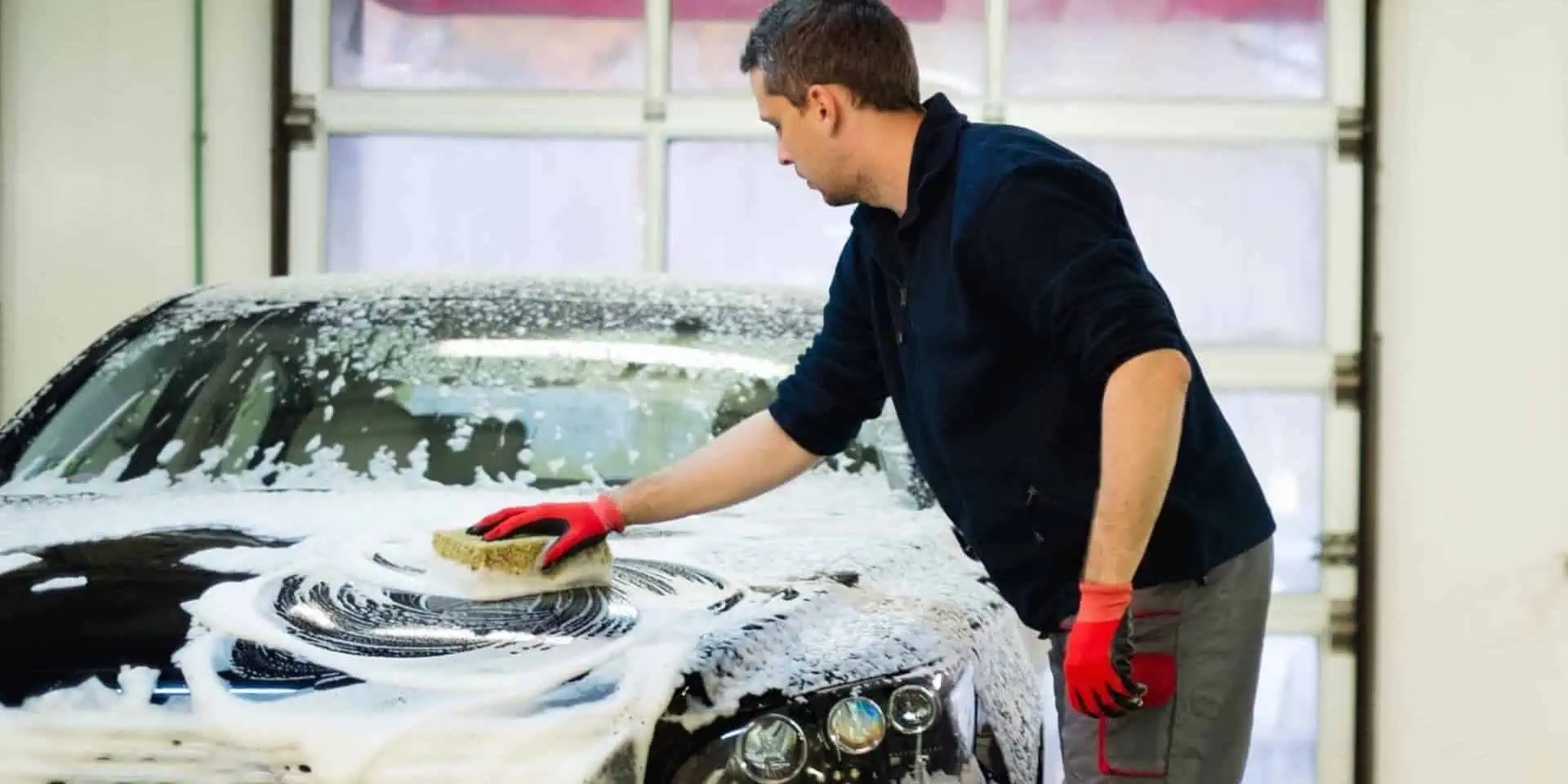
Reaching for the hose to blast the pollen and grime off your car is one of the small rituals of a British summer, but in the wrong week it can cost you up to £1,000. With reservoirs in the South East and East of England still recovering from a dry run of weather, water companies have warned that hosepipe restrictions could return in the coming months. If a ban lands in your area, washing your car with a hose connected to the mains becomes a fineable offence, and the people most likely to report you are your own neighbours.
The good news is that a ban does not mean a dirty car. There are several legal ways to keep your vehicle clean, some of which use far less water than a hose anyway. Here is what a hosepipe ban actually stops you doing, how to wash your car without breaking the rules, and why letting your car get too filthy can land you with a separate penalty altogether.
What a Hosepipe Ban Actually Bans
The power to restrict water use comes from Section 76 of the Water Industry Act 1991, which allows a water company to prohibit specified uses of water if it believes it is facing, or may face, a serious shortage. These restrictions are formally called Temporary Use Bans, though most people still know them as hosepipe bans. When one is in force, privately owned vehicles, taxis and minicabs cannot be washed using a hosepipe connected to the mains supply.
Ignore the ban and you risk a fine of up to £1,000. That figure is set in law, and water companies actively encourage members of the public to report anyone they see flouting the rules. In practice, that means a single hose left running on the driveway can be enough to draw a complaint. As of early June 2026 no Temporary Use Bans are in force anywhere in England or Wales, with the last of the 2025 restrictions lifted by South East Water in February. The reason this remains worth watching is that the risk for summer 2026 is far from over.
The Legal Ways to Keep Your Car Clean
A hosepipe ban does not stop you cleaning your car. It stops you using a hose. Buckets, watering cans and sponges are all permitted, as long as you fill them from a tap. The logic is that these methods use far less water. According to figures cited by the RAC, washing a car with a hose can use between 400 and 480 litres of water, while doing the same job with a bucket draws around 32 litres based on a four-bucket average. A watering can fitted with a rose head is enough to rinse the suds off after lathering, using a fraction of the water a running hose gets through.
Commercial car washes remain open during a ban too, and they are more efficient than many drivers assume. An automated car wash of the kind found at service stations and supermarkets uses around 130 litres per car, which is as much as 70 per cent less than water companies say a hose gets through, and many sites recycle a large share of the water they use. Waterless cleaning products are another option: a spray-on, wipe-off formula that lifts dirt without a pre-rinse, using almost no water at all.
If you do reach for a bucket and sponge, a little technique protects your paint. Park out of direct sunlight so the water does not dry too fast and leave marks, wash from the top of the car down so dirty water never runs onto clean panels, and use a microfibre cloth or chamois to dry. Rinsing a gritty sponge in the same bucket and dragging it back across the bodywork is the quickest way to scratch your lacquer, so a fresh rinse bucket is worth having.
Why a Dirty Car Can Cost You a Separate Fine
Letting your car turn into a mud-caked mess to save water is not a safe bet either. It is a legal requirement to keep your windows, mirrors, lights and number plates clear of anything that obscures them. Caked-on dirt that hides your lights or blocks your view of the road is an offence in its own right, and a number plate so grubby that cameras and police cannot read it can draw a penalty of up to £1,000, as well as a possible MOT problem if it is unreadable at test time.
An unreadable plate carries an extra risk that catches drivers out. If automatic number plate recognition cameras cannot read your registration, you may end up tangled in someone else’s enforcement, which is one of the ways innocent motorists get caught up in number plate cloning disputes. Keeping your plates legible is not just about appearances, it is about making sure the right car is on the record. So even in the middle of a drought, the law still expects your lights, glass and plates to be clean, which is exactly why the bucket-and-sponge method exists.
Where Bans Are Most Likely This Summer
Although no restrictions are currently active, water companies in the South and East of England are the ones to watch. Analysts tracking reservoir levels have flagged South East Water, Anglian Water and Thames Water as the most likely to declare new Temporary Use Bans if summer rainfall falls short, with the Ardingly reservoir in the South East singled out as unlikely to fully recover. The North West, the Midlands and the North East sit at lower risk, helped by healthier water resources.
The practical takeaway is to know who supplies your water and to keep an eye on announcements as the season goes on. A ban can be declared at short notice, and the £1,000 fine applies from the day it takes effect. If you switch to a bucket, a watering can or a commercial wash before any restriction is announced, you never have to think about whether the hose on your driveway is legal that week.
Where the rules get nuanced is the trigger nozzle. The headline figures for hose use assume the water runs constantly for around half an hour, which is where the 400-litre-plus numbers come from. A hose fitted with a trigger or sprinkler nozzle, which only releases water when squeezed, can cut consumption to roughly 30 litres, close to what a bucket uses. The catch is that a Temporary Use Ban is a blanket rule. It does not matter how efficient your set-up is, because once a ban is in place any hose connected to the mains is off limits for cleaning a private car.
Bans are declared by individual water companies rather than central government, which is why one supply area can be under restriction while a neighbouring one is not. Companies must give notice before a ban begins and spell out exactly which uses are prohibited. Watering the garden, filling a paddling pool and washing a car tend to appear on the banned list first, because they are treated as the least essential uses. Commercial car washes usually stay open throughout a standard ban, since washing a vehicle as part of a business is treated differently from a household using a hose at home. A rarer, tougher level of restriction called a non-essential use ban can in extreme droughts reach commercial users too, but that tends to come much later.
What To Do Now
- Find out which company supplies your water and check its website for any Temporary Use Ban before you wash your car with a hose.
- Keep a couple of buckets, a sponge and a watering can with a rose head ready, so a ban never leaves you stuck.
- Use a commercial or automated car wash if you want a deeper clean during a ban, as these are still allowed and use less water.
- Whatever the weather, keep your windows, mirrors, lights and number plates clean and legible to avoid a separate fine.
- Wash from the top down, out of direct sunlight, and dry with a microfibre cloth to protect your paintwork.
Sources:
- https://www.rac.co.uk/drive/advice/how-to/the-hosepipe-ban-how-to-keep-your-car-clean/
- https://www.pinkun.com/news/national/uk-today/25391436.legally-wash-car-hosepipe-ban/
- https://utilityweek.co.uk/water-companies-already-warning-of-2026-restrictions/

Leave a Comment
More in News

I travelled down the Champs-Élysées and around the Arc de Triomphe in a self-driving car

DfT Proposes Penalty Points and Car Seizure for Driving Without a Valid MOT

Do Cam Belts Really Need Changing Every 5 Years? The Number Nobody Published

How to Spot a Clocked Car (and What to Do If Caught Out)
What Dashcam Footage Actually Counts as Evidence (and the Rules on Sharing It)
Trending on Motoring Chronicle

Cadillac Recalls 14,540 Vistiq SUVs Over a Third Row Seat That Can Trap a Passenger

Electric Car Buyers Now Pay Up to £200 Road Tax, DfT Data Shows

Why 45 Percent of Clean Air Zone Fines Are Overturned by Britain’s Parking Tribunal
Buyers of Popular Electric Cars Miss a £3,750 Government Grant Rivals Get