
How New Council Powers Could Land Pavement Parkers With Fines of up to £130
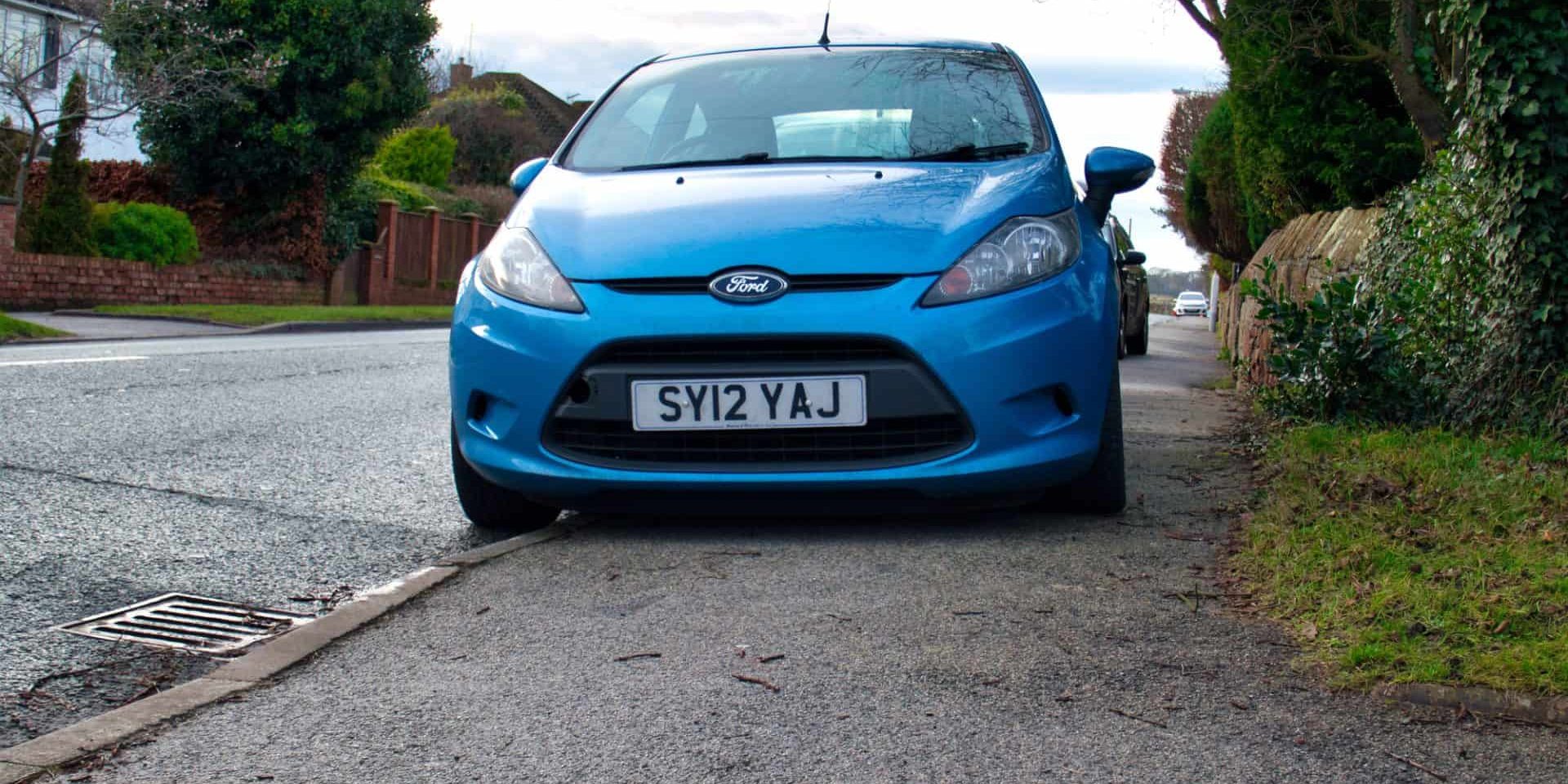
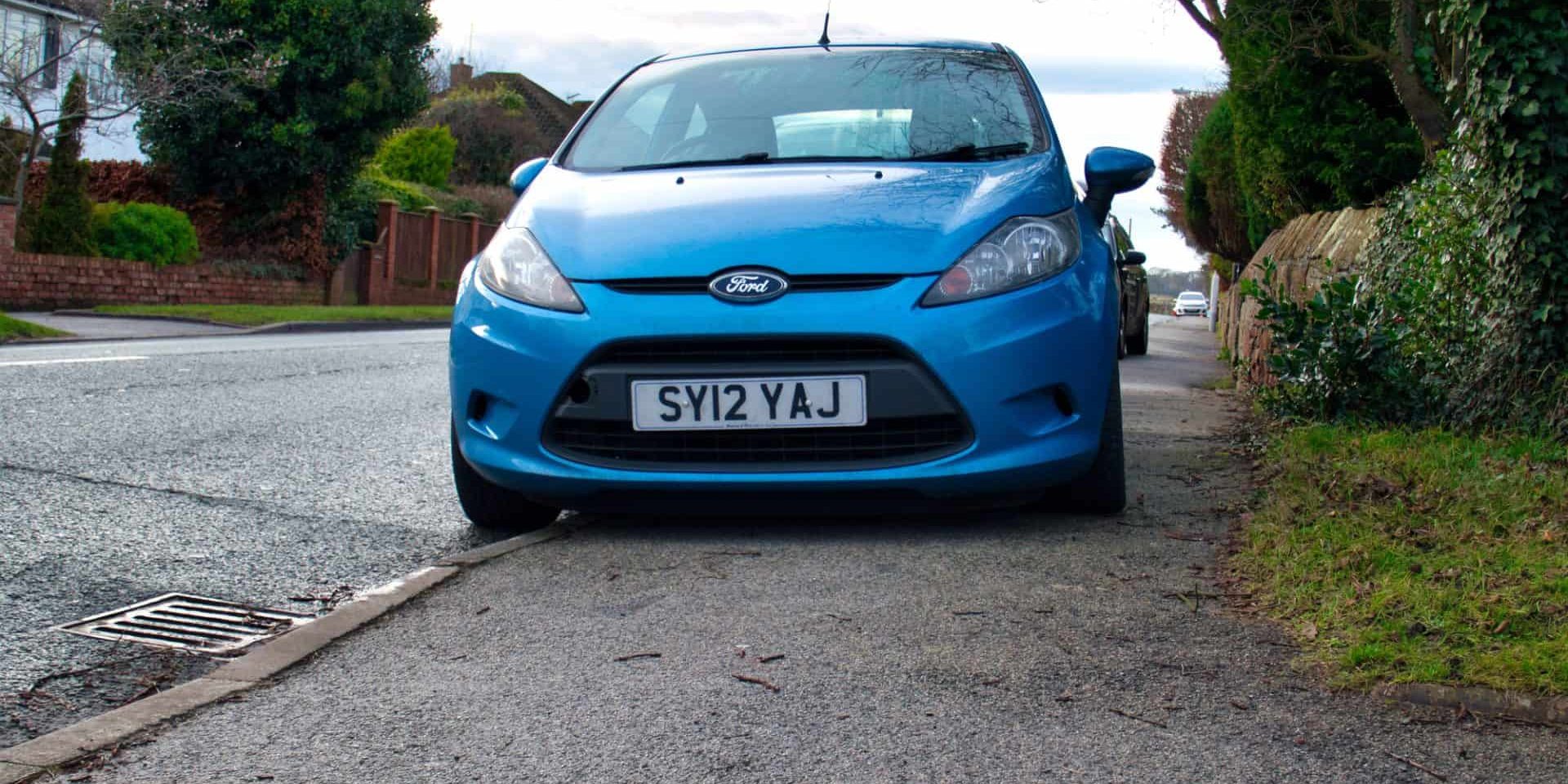
Millions of drivers who routinely put two wheels on the kerb to leave room for passing traffic could face fines of up to £130 once new enforcement powers come into force in England. The powers were created by the English Devolution and Community Empowerment Act, which completed its passage through Parliament in spring 2026. They will hand councils the ability to issue penalties for pavement parking directly, rather than relying on the police. Before drivers panic, one point is worth stating plainly: the fines are not being issued yet, and the government has not set a firm date for when they will start.
That gap between the law being passed and the law being enforced is where most of the confusion sits. Here is what has actually been decided, what still has to happen before a single ticket lands on a windscreen, and how to avoid being caught out when enforcement does begin.
What the rules say right now
Outside London, there is no blanket ban on parking with wheels on the pavement in England. At present a driver can only be penalised in specific situations: if a vehicle causes an obstruction that the police choose to act on, if it damages a grass verge, or where a local council has put a specific Traffic Regulation Order in place on a named street. Heavy goods vehicles face tighter rules. For the ordinary car owner on a residential street, pavement parking has sat in a grey area for decades.
London is the exception and has been since the 1970s, with a capital-wide prohibition that councils enforce with penalty charge notices. Scotland went further, introducing a national ban under the Transport (Scotland) Act 2019 that councils began enforcing from late 2023. England has been the outlier, and the Department for Transport signalled in January that it intended to change that by giving councils “new and improved legal powers” to restrict pavement parking across much wider areas than the current street-by-street system allows.
What is changing and when
The single biggest change is who does the enforcing. Under the new framework, civil enforcement officers employed by local councils will be able to issue fixed penalty notices for pavement parking, taking that job away from the police. Councils will also be able to apply restrictions across whole zones or boroughs in one go, instead of having to win approval for individual roads one at a time, which has been slow and expensive.
The timing, though, remains open. The enabling Act has passed, but the detailed pavement parking powers depend on secondary legislation that ministers still have to bring forward, and the government has not published a precise timetable for it. Industry and council bodies expect the powers to become usable during 2026, with some forecasting that enforcement could begin before the end of the year. Until that secondary legislation is in place and individual councils have set up their schemes and signage, drivers in England outside London will not receive pavement parking fines under the new system. In other words, the rule is coming, but it is not live today.
How much you could be fined
When enforcement does begin, penalties are expected to mirror London’s existing structure, which means fixed amounts in the region of £60 to £130 depending on the council and the severity of the contravention. As with other civil parking penalties, drivers will typically be offered a discount, often 50 per cent, for paying within 14 days, and a formal route to challenge a notice they believe was issued unfairly.
For a household that parks half on the kerb every night, the financial risk is not a one-off £130. It is the prospect of repeat penalties if the same vehicle is ticketed day after day on a street where pavement parking has been restricted. That is why the practical advice, once schemes go live, will be to find out exactly which streets near you are covered rather than assuming the habit is harmless because it always has been.
Where you will and will not be caught
The government has stopped short of a single national ban that applies identically everywhere. Instead, councils will decide where restrictions are needed based on local road layouts, pedestrian demand and parking pressure, and they will be able to set exemptions for narrow streets where banning pavement parking outright would block the carriageway for emergency vehicles. That flexibility means the picture will vary from one street to the next, and clear signage will be central to telling drivers where they stand.
There is strong public appetite for action. RAC research found that 83 per cent of drivers support a ban on pavement parking provided sensible exemptions are made for narrow streets. The case for change is led by accessibility groups, who point out that a car blocking half a footpath forces wheelchair users, blind and partially sighted people, and parents with prams out into the road. Keeping pavements clear for those groups is the stated purpose behind the whole reform.
What drivers should do now
There is no need to change anything overnight, because the fines are not yet being handed out. The sensible move is to keep an eye on announcements from your own council, since each authority will run its own scheme on its own timetable once the secondary legislation lands. When a restriction is introduced near you, expect it to be marked with signs and, in many cases, a consultation beforehand.
In the meantime, the existing rules still apply: do not cause an obstruction, do not block a dropped kerb or a wheelchair crossing point, and remember that a vehicle left across a footpath can already attract police attention if it is deemed to be causing a hazard. Drivers who rely on pavement parking because their street is too narrow to do otherwise may want to take part in their council’s consultation when it comes, because that is where exemptions for difficult streets will be decided. The shift is real and it is coming, but for now it is a change to prepare for rather than a fine to fear.
Sources:
- https://www.gov.uk/government/consultations/managing-pavement-parking/outcome/pavement-parking-options-for-change-government-response
- https://www.rac.co.uk/drive/advice/legal/parking-on-the-pavement/
- https://www.regit.cars/car-news/new-pavement-parking-rules-in-england-fines-of-up-to-ps130-coming-in-2026
- https://motoringchronicle.com/?p=44115
- https://motoringchronicle.com/?p=44116

Leave a Comment
More in News

Why Gas Prices Are Falling From Their October Record High

Mercedes Recalls 30,000 Maybach and S-Class Models Over Failing Brake Hoses

How to Clear a Musty Car AC Smell Before It Costs a £300 Repair

14 Percent of Keyless Car Owners Faced a Relay Theft Attempt, DVLA Data Shows

I travelled down the Champs-Élysées and around the Arc de Triomphe in a self-driving car
Trending on Motoring Chronicle
Zapmap Data Shows EV Drivers Pay Almost 800 Percent More to Charge in Public

Geely EX5 review: Bargain, family-sized electric SUV has a touch of class

What the Fog Light Rule Actually Means (and the £50 Fine)

Why Hazard Lights Now Trigger Move Over Rules in More States
