
Why Seven in Ten UK Garages Expect Drivers to Skip Vital Repairs This Year
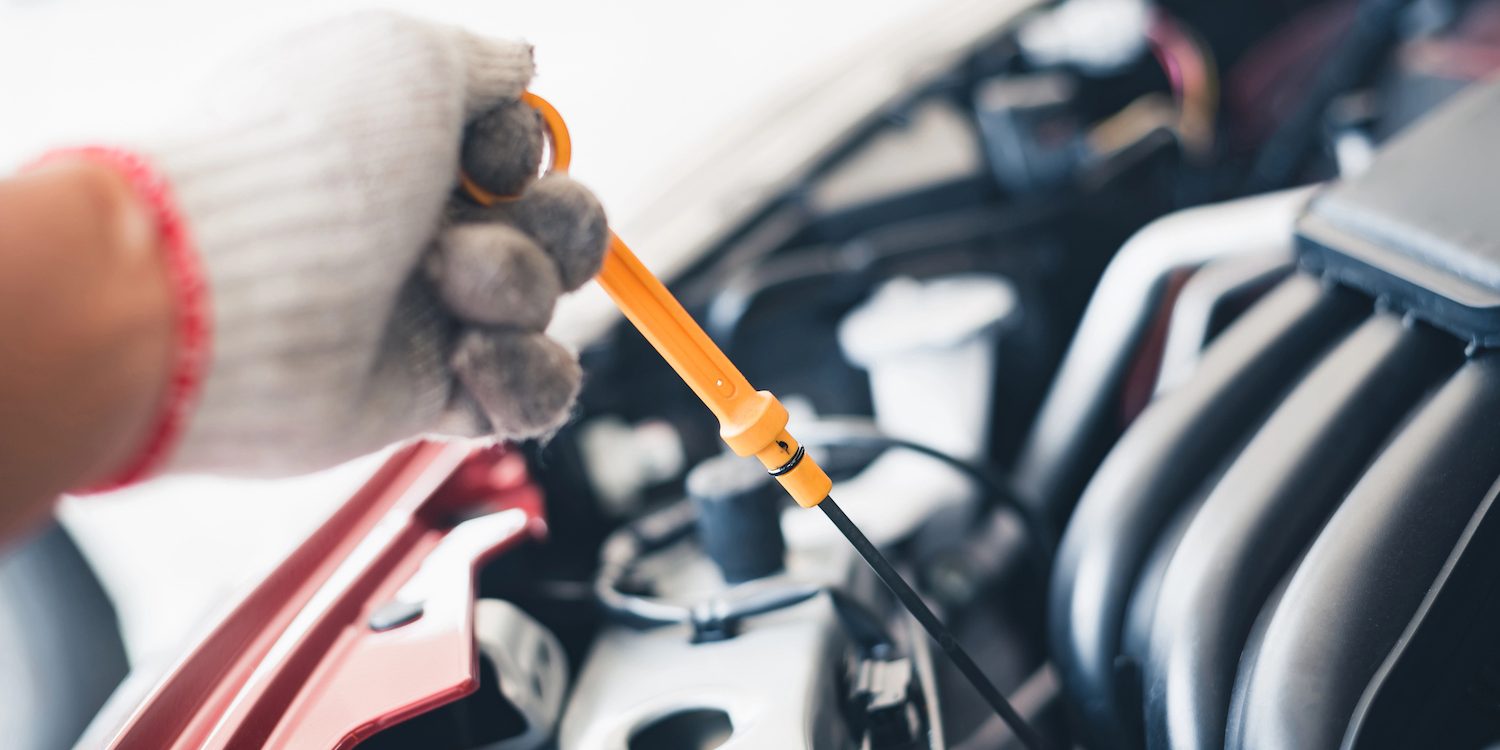

Nearly seven in ten UK garages expect drivers to skip vital car repairs this year to save money, according to industry data that lays bare a growing crisis in how Britain maintains its ageing vehicle fleet. The same research shows that more than a third of workshops expect some customers to walk away from their cars entirely when handed a repair bill. The decisions drivers make at the garage door this year will, for many, be far more expensive than the bills they are trying to avoid.
What the Data Shows About Driver Behaviour in 2026
The Motor Ombudsman, the government-backed automotive industry dispute resolution body, polled 85 garages and workshops across the UK in late 2025 for its annual service and repair outlook. The results paint a stark picture of the pressure on both drivers and the businesses that keep their vehicles on the road. A total of 68 per cent of those polled said they expected drivers to skip doing vital work on their vehicles as a quick way to save money during 2026. That figure has risen every year since 2024, when it stood at 53 per cent, climbing to 61 per cent in 2025 before reaching the current level.
Even more striking is the trajectory on car abandonment. In 2025, 28 per cent of garages anticipated that some customers would leave their cars behind rather than pay repair bills. For 2026, that figure has risen to 38 per cent. The Society of Motor Manufacturers and Traders has confirmed that the average age of a car on UK roads has now reached 9.5 years, an all-time high driven partly by the cost of new vehicles and partly by the ongoing supply disruptions from the Covid era that reduced the number of new cars entering the fleet between 2020 and 2023. An older fleet means more complex repairs, more worn components, and bigger bills.
Meanwhile, 55 per cent of garages said they were grappling with the challenge of absorbing rising costs without passing them directly to customers. The reasons for those rising costs include the increase in the National Living Wage, a revaluation of business rates that took effect in 2024, rising energy costs for workshop equipment and heating, and continued high prices for vehicle parts. Auto Express reported in May 2026 that independent garages are facing a “perfect storm” of spiralling overhead costs at the same moment that mobile repair services, which offer lower overheads by coming to the driver rather than requiring the driver to come to them, are taking an increasing share of routine maintenance work.
How Skipping Repairs Turns Small Bills Into Large Ones
The Motor Ombudsman illustrates the financial logic that makes deferred repairs so dangerous with a set of specific cost comparisons. The timing belt is a component that many drivers are tempted to postpone replacing because the job gives no warning signs until it fails. A standard timing belt replacement on a typical family car costs around £600, including parts and labour. If the belt is allowed to break in service, it typically causes catastrophic engine damage, with the average bill for a complete engine rebuild running to around £5,400. This means a driver who defers a £600 job risks a £5,400 consequence, a cost nine times greater than the bill they were trying to avoid.
Brakes provide another clear example. A set of brake pads for one axle costs on average £266 including fitting. A driver who ignores squealing or grinding brake noises long enough for the pads to wear through to the backing plate will typically need to replace not only the pads but also the brake discs and potentially the callipers. The combined bill for a single wheel can reach £700, and driving on worn-through pads creates a genuinely dangerous situation in which stopping distances can increase significantly, particularly in wet conditions. A brake failure that causes a collision will also generate a claim on the driver’s motor insurance, which feeds back into future premium calculations.
Tyres represent the starkest legal and financial risk. A single tyre with tread below the legal minimum of 1.6mm can result in a fine of £2,500 and three penalty points on a driving licence. The average cost of a replacement tyre fitted to the vehicle is around £94. A driver who replaces four worn tyres at the first sign of deterioration pays around £376. A driver who is stopped by police with four tyres below the legal minimum faces a potential fine of £10,000 and 12 penalty points, which typically triggers a driving ban. The average repair bill across all vehicles, as reported by the Association of British Insurers for Q1 2026, has now reached £3,699, a figure that reflects the growing complexity of modern vehicle systems including the sophisticated driver assistance technology now fitted as standard to most cars built since 2020.
Warning Lights You Should Never Ignore
Dashboard warning lights are the vehicle’s own communication system, designed to alert the driver to a specific condition that requires attention. There is a meaningful difference between an advisory light that can be monitored and a critical warning that demands immediate action.
The oil pressure warning light, which typically appears as a red oil can symbol, should be treated as an immediate stop signal. Continuing to drive with low oil pressure for even a few minutes can cause irreversible engine damage. Pull over safely as soon as it is possible to do so, switch off the engine, wait five minutes, and check the oil level. If it is correct, do not restart the engine and call for recovery. If it has fallen, add oil to the correct level before cautiously restarting. The engine temperature warning, shown as a red thermometer symbol, also requires an immediate response. Overheating destroys head gaskets, warps cylinder heads, and can seize an engine entirely. The bill for a replacement head gasket on a medium-sized family car starts at around £1,200. A seized engine typically means the vehicle is an economic write-off.
The brake warning light merits immediate attention, as does any ABS warning. The engine management light, shown as a yellow engine outline, is less immediately critical but should not be deferred indefinitely. Modern vehicles use engine management warning to flag everything from a loose fuel cap to a failing catalytic converter, and while some causes are minor, others can lead to the vehicle failing its next MOT or causing long-term damage if left unaddressed. Since April 2026, any active warning light will result in an automatic MOT failure under updated DVSA rules, which means a car driven to a test with an unresolved engine management light will fail before the examiner has checked anything else.
How to Protect Yourself Against Unexpected Bills
The most effective protection against large, unexpected repair bills is a relationship with a single trusted garage that knows the vehicle’s history. The Motor Ombudsman’s Business Finder at businesses.themotorombudsman.org lists all garages accredited to the TMO’s Service and Repair Code, which requires them to provide itemised written quotes before beginning work, obtain the customer’s approval before carrying out any work not covered by the original quote, and use a transparent labour rate. Which? Trusted Traders, also searchable online, provides a separate layer of vetting.
Service plans, offered by most main dealers and by an increasing number of independent garages, allow the cost of routine maintenance to be spread in equal monthly payments. A typical plan covering annual servicing and MOT on a medium-sized family car costs between £25 and £40 per month, and eliminates the annual lump sum payment that many drivers find hardest to manage. Extended warranties, sold as separate products by Motor Ombudsman-accredited providers, cover the cost of mechanical and electrical failures beyond the manufacturer’s standard warranty period. For a vehicle outside its manufacturer warranty, an extended warranty that covers the main mechanical components typically costs between £200 and £600 per year depending on the vehicle’s age and value, and can represent a significant saving if a major component fails.
If a garage presents you with a bill that includes work you did not authorise, the Consumer Rights Act 2015 gives you the right to challenge it. You are entitled to a written itemised invoice, and you are not legally required to pay for work you did not consent to. If a garage and a consumer cannot resolve a dispute, the Motor Ombudsman provides a free dispute resolution service for consumers and businesses that are both registered with the scheme.
Sources:

Leave a Comment
More in News

Only 13 Percent of Stolen Cars Are Ever Recovered by Police, DVLA Data Reveals
Every Driver Risks a £1,000 Fine When Councils Fail to Cut Back Hedges

Teenage Drivers in London Now Pay £2,928 for Car Insurance, Quotezone Reveals

What Your Tyre Pressure Warning Light Actually Means (and How to Reset It)
How to Fix a Windscreen Chip Before It Fails Your MOT
Trending on Motoring Chronicle

A decade of vision: the 10 most iconic Genesis concept cars

Rolls-Royce Spectre Bailey: a joyful tribute to a beloved dog

Automobili Lamborghini and The Italian Sea Group present the new Tecnomar for Lamborghini 101FT motoryacht

The MOT Loophole That Lets Garages Add £950 to Your Repair Bill
