
What the 10 Per Cent Speed Camera Rule Actually Means and Where It Is Now Being Cut
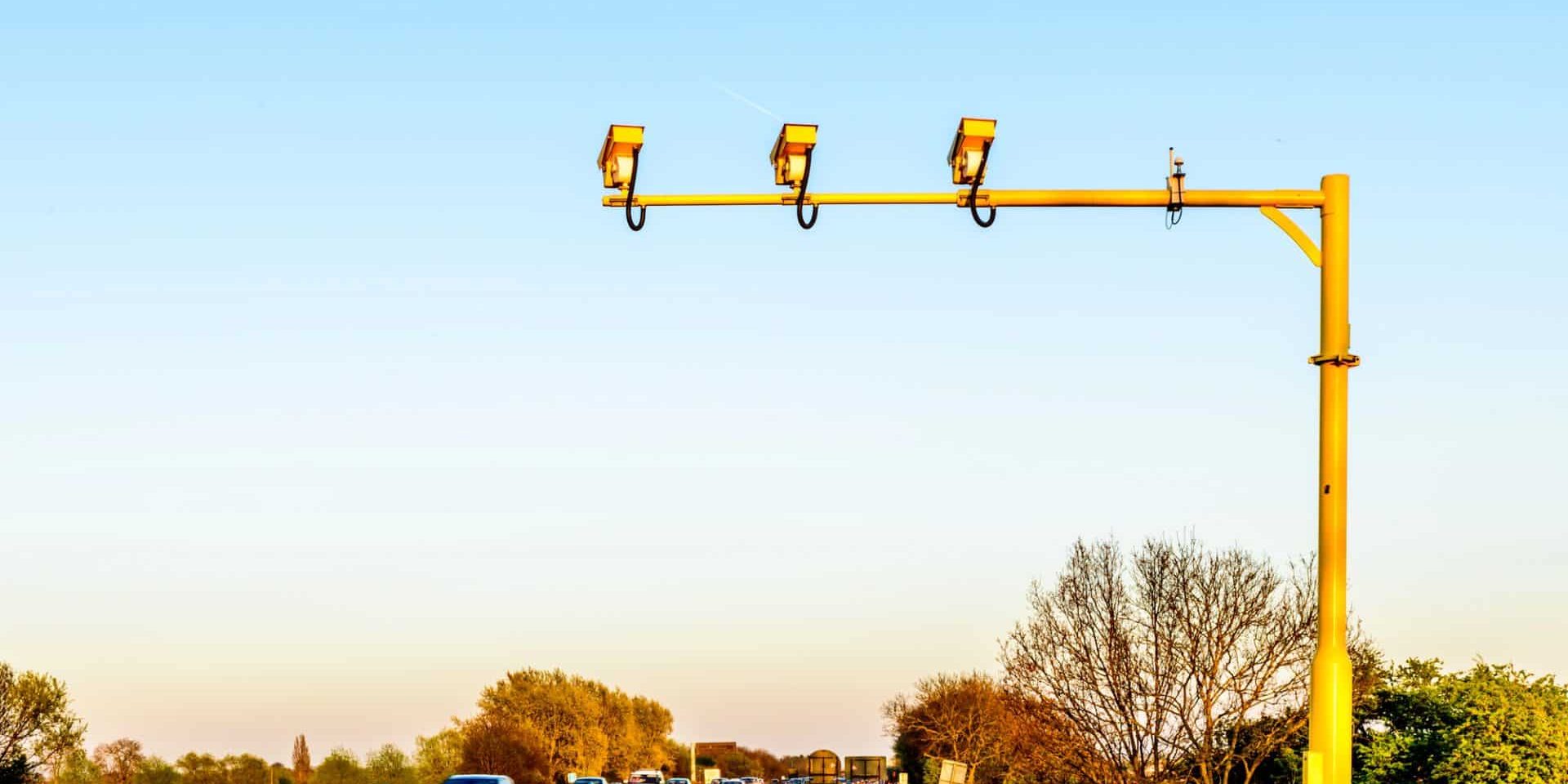
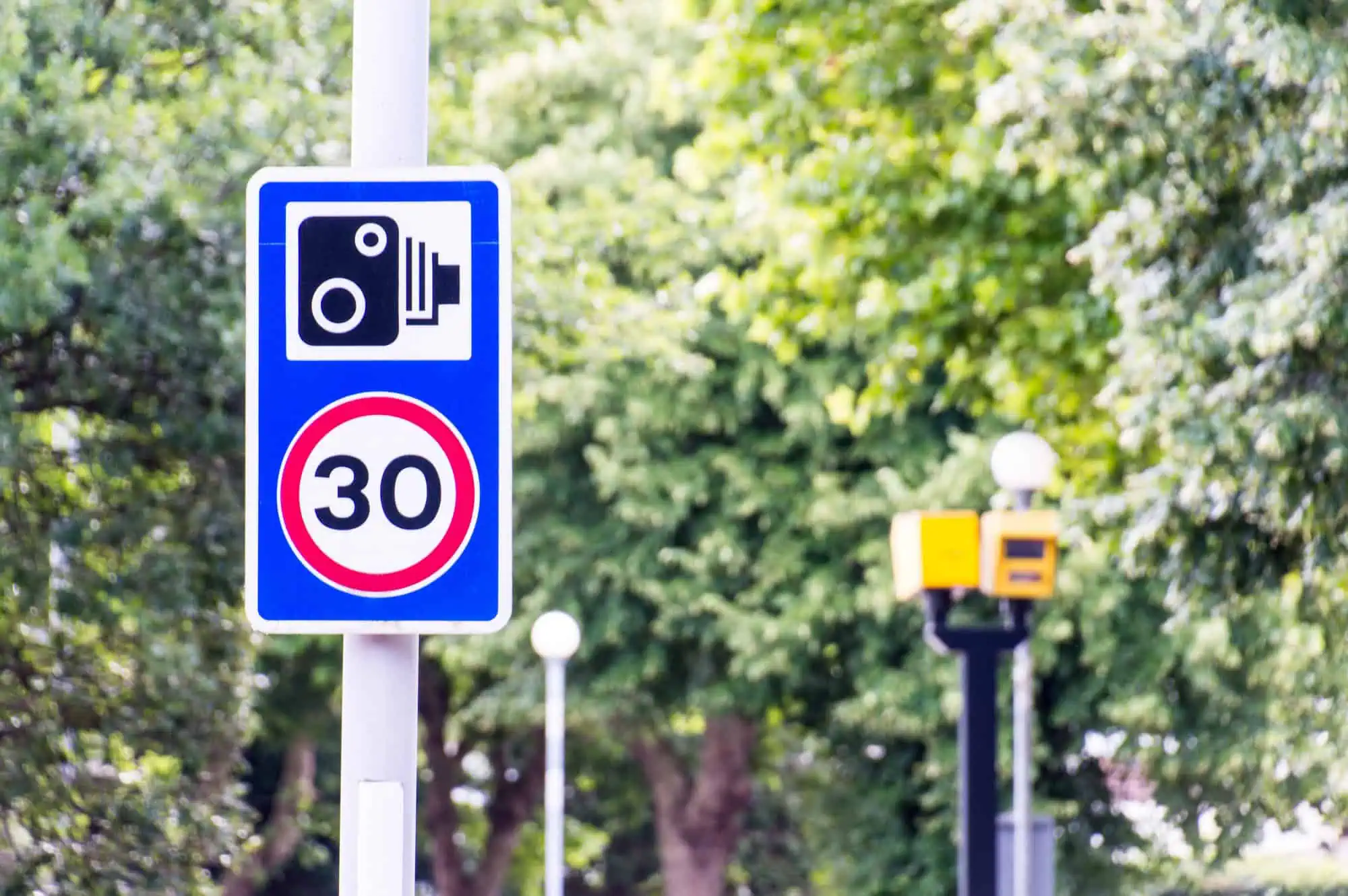
Most UK drivers have heard of the 10 per cent plus 2mph rule: the idea that speed cameras do not trigger until a vehicle is travelling at 10 per cent above the limit plus an extra two miles per hour. In a 30mph zone that means enforcement begins at 35mph. In theory. In practice, the rule is not a legal protection, it is guidance that police forces can and do vary, and in 2026 several forces have quietly narrowed the margin while new camera types have made enforcement both faster and more precise than at any point in the country’s history.
Understanding exactly how this works, which forces use which thresholds, and where the variations are tightest could save you from a £100 fine and three penalty points you did not expect to receive.
Where the 10 Per Cent Rule Actually Comes From
The 10 per cent plus 2mph formula originates from National Police Chiefs’ Council (NPCC) guidance on speed enforcement disposal. The most recent version of that guidance, updated in 2025, recommends that enforcement action commences when a vehicle’s speed reaches 10 per cent above the posted limit plus 2mph. The guidance exists to account for minor inaccuracies in vehicle speedometers and camera calibration, not as a grace period for drivers who want to deliberately exceed the limit.
Under the NPCC formula, the trigger speeds work out as follows. In a 20mph zone, enforcement starts at 24mph. In a 30mph zone, it starts at 35mph. In a 40mph zone, it starts at 46mph. In a 50mph zone, the threshold is 57mph. On a 60mph road, enforcement begins at 68mph. On a motorway, the trigger is 79mph.
The NPCC guidance explicitly states that these thresholds “may be varied at any time” and that individual forces retain full discretion to set lower or higher tolerances based on local risk assessments and community pressure. This is not a theoretical flexibility: Freedom of Information responses obtained from multiple forces in 2025 and early 2026 reveal real-world variations that are wider than most drivers realise.
Where Tolerances Are Tighter in 2026
Lancashire Constabulary and the Metropolitan Police apply a threshold of 10 per cent plus 3mph rather than plus 2mph, which gives marginally more leeway. But in other areas, forces have moved in the opposite direction.
Sussex Police reported a notable increase in speeding offence detections following a decision to bring its enforcement thresholds into tighter alignment with the NPCC baseline, reducing the margin some officers had been applying informally. The result was more prosecutions at speeds that would previously have been let through. Wiltshire Police confirmed via FOI in January 2026 that it reviews its enforcement threshold annually and ties it strictly to NPCC guidance with no additional tolerance added at the local level.
Across approximately 80 per cent of UK councils that have implemented 20mph zones in residential streets, there is growing pressure from residents and road safety groups for enforcement to begin closer to the actual limit rather than at 24mph. A number of forces have piloted dedicated 20mph enforcement operations that use lower trigger speeds than those applied in national campaigns. Drivers who assume the standard 10 per cent rule applies in every 20mph zone should be aware that local enforcement operations may be significantly stricter.
Average speed cameras, which are now deployed on more than 700 kilometres of UK roads including sections of the M1, M3, M6, M25 and A14, calculate average speed across a measured distance rather than capturing a single-point reading. These systems have no concept of a “brake check”: if your average speed over five miles exceeds the limit by more than the threshold, you will be prosecuted regardless of what speed you were doing at any individual point. The processing is automated and referrals to fixed penalty units are made without any human review of individual cases at the initial stage.
New Camera Types Making Stricter Enforcement Possible
The expansion of AI-assisted roadside cameras, trialled in Plymouth and other locations from late 2025, is changing what is technically enforceable. These systems can detect mobile phone use, seatbelt non-compliance, and tailgating while simultaneously capturing vehicle speed. The detection range of some models exceeds one kilometre, and they operate in all weather and light conditions without the visibility constraints of older infrared-based systems.
Traditional Gatso cameras, which have been the most common fixed speed camera in the UK since the early 1990s, use radar and a rear-facing flash. Drivers have historically been able to identify them from roadside warning signs, and many are not continuously operational. The newer generation of Truvelo D-Cam and SpeedCurb cameras are forward-facing, operate without a visible flash, and provide a clear image of the driver as well as the number plate. The 4D radar cameras now operating in London can track multiple vehicles across five lanes simultaneously without needing line-of-sight to any individual vehicle.
Mobile speed cameras, operated by safety camera partnerships in marked or unmarked vehicles, apply the same NPCC guidance for prosecution thresholds but vary considerably in deployment location. Greater Manchester Police responded to an FOI request in March 2026 confirming that mobile cameras are deployed at sites where speeding complaints have been received from residents, at collision hotspots identified by the strategic road network authority, and at school zones during term time. The specific deployment schedule is not published in advance.
What Happens If You Are Caught
The fixed penalty for a first speeding offence is a £100 fine and three penalty points on your licence. Accepting the fixed penalty is the standard route for lower-level offences. Drivers who are just above the prosecution threshold, and who have no previous offences on their record, may be offered a speed awareness course instead of the fine and points. However, the eligibility criteria for speed awareness courses were tightened in May 2026, and drivers caught for the second time within three years are no longer eligible regardless of the speed recorded.
Higher-speed offences proceed to magistrates’ court, where fines are calculated as a percentage of weekly take-home pay. Band A, covering speeds up to 10 per cent above the limit, carries a fine of 25 to 75 per cent of one week’s net income. Band B, for speeds roughly 10 to 30 per cent above the limit, rises to 75 to 125 per cent. Band C, for the most serious offences, runs from 125 to 175 per cent of weekly income, with a maximum of £1,000 on most roads and £2,500 on motorways. Disqualification rather than points is used for the most serious Band C cases.
Three penalty points add approximately £36 to the average annual insurance premium. Six points, the threshold that triggers insurer scrutiny as a “totting up” concern, can add £100 or more. Reaching 12 points results in automatic disqualification for six months under the totting-up provisions of the Road Traffic Offenders Act 1988, unless the driver can argue that exceptional hardship would result. The combination of fines, points, and insurance loading means the financial cost of a single speeding conviction routinely runs to several hundred pounds over a three-year period.
What Drivers Should Do With This Information
The practical implication is that treating the 10 per cent plus 2mph formula as a safe operational ceiling is increasingly unreliable. The formula is guidance, not law, and multiple forces are demonstrably operating at or below the baseline. In 20mph zones in particular, the margin is tighter than many drivers assume.
The safest approach is to drive to the speed limit rather than to the tolerance threshold. Speedometer accuracy standards require manufacturers to ensure their instruments never under-read, which means the speed shown on your dashboard may be one to four mph higher than your actual road speed. Many modern in-car satellite navigation systems display GPS-derived speed, which is more accurate than a mechanical speedometer, and a growing number of drivers use these as a secondary reference.
For drivers who receive a Notice of Intended Prosecution (NIP), the notice must arrive within 14 days of the alleged offence unless the registered keeper’s details were obtained from a source other than the DVLA record. Failure to respond to an NIP within 28 days is itself an offence under Section 172 of the Road Traffic Act 1988, carrying a £1,000 fine and six penalty points, which is significantly worse than the original speeding offence.
Sources:

Leave a Comment
More in News

Why Drug-Driving Has Overtaken Drink-Driving as Britain’s Top Road Danger
California Accounts for One in Five Vehicle Thefts Nationwide, New Data Shows

Why Oregon Drivers Face Some of the Nation’s Steepest Insurance Hikes in 2026

Idaho Stops Issuing CDLs to Out of State Truck Drivers Starting July 1
How New York’s Driver Point System Overhaul Could Suspend Your License Faster
Trending on Motoring Chronicle
Govan Goes Slow: Glasgow’s First 200 Streets Drop To 20mph On 4 June

Smoke Returns to NASCAR, Tony Stewart Joins Ram’s Free Agent Program With Kaulig Racing at Daytona Truck Race

How to Spot a Written Off Car Before You Buy It Used

Renault 5 review: Retro electric star goes straight to the top of the class
