Running Out of Road: The 5p Fuel Duty Cut Expires in August and Prices Are Already Climbing

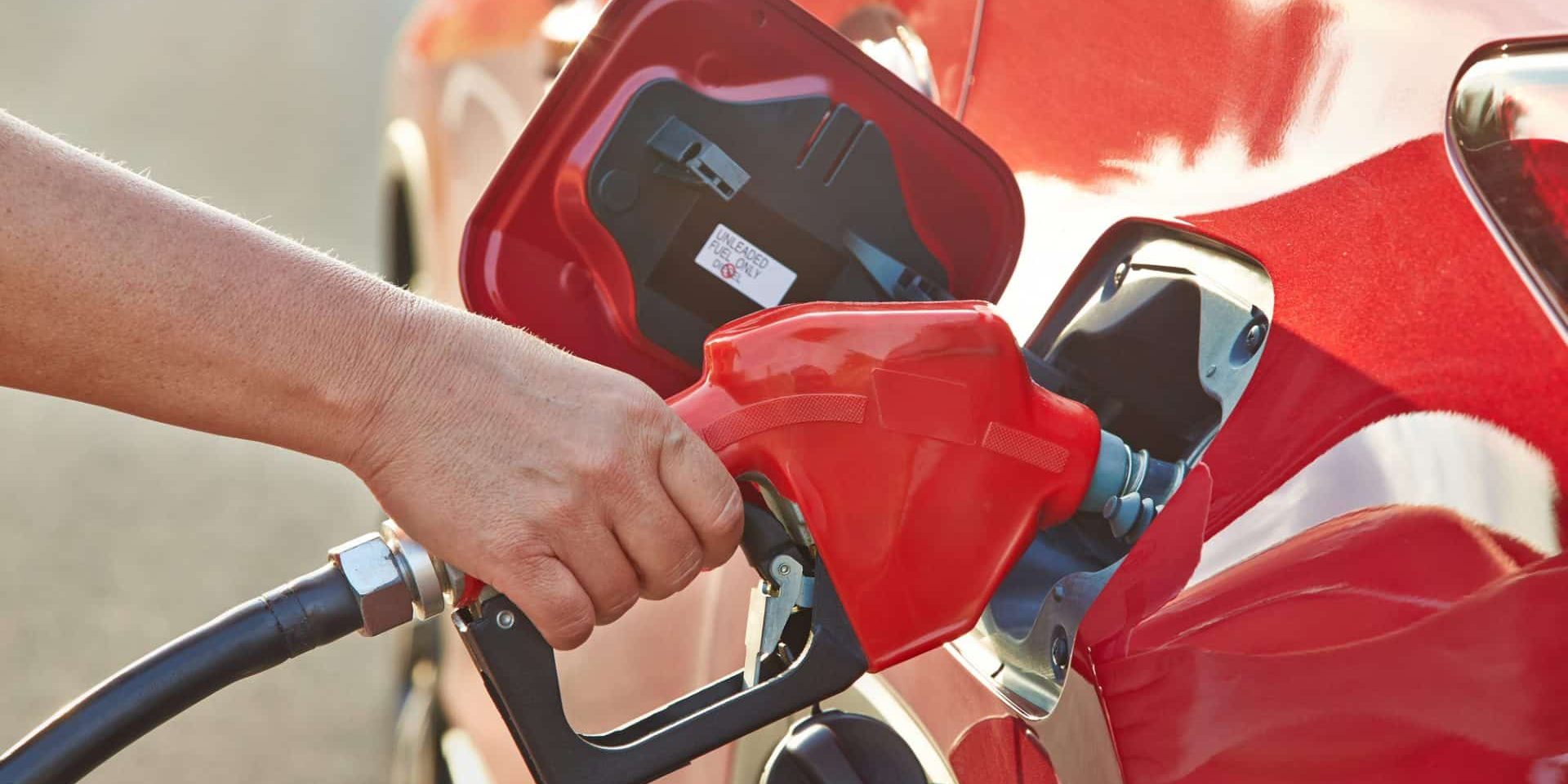
UK drivers are already paying the highest pump prices in more than two years, with petrol averaging 157p per litre and diesel close to 189p following months of disruption to global oil supply. Now comes an additional pressure point that affects every driver regardless of what they drive: the 5p per litre fuel duty reduction that has been in place since March 2022 is set to expire at the end of August 2026, with a phased increase scheduled to begin immediately afterwards. For drivers already absorbing the impact of high pump prices, the timing could hardly be worse.
The 5p cut was first introduced by the then-Chancellor Rishi Sunak in response to the surge in fuel costs that followed Russia’s invasion of Ukraine in early 2022, and successive governments have extended it as a cost-of-living measure. The current government confirmed in its spring 2026 fiscal plans that the cut will not be extended beyond August. From 1 September 2026, fuel duty will begin its phased return to pre-cut levels.
The Timeline of Duty Increases
The increases will not all arrive at once. The government has spread the adjustment across three steps to soften the impact on household budgets. From 1 September 2026, duty rises by 1p per litre. A further 2p per litre increase follows in December 2026, and another 2p per litre is added in March 2027. By March 2027, fuel duty will be back at 57.95p per litre, the same rate that applied before the 2022 cut.
From April 2027 onwards, fuel duty will also rise with inflation each year under the government’s new standing policy, meaning this is not simply a one-off return to previous levels but the start of a regime where duty increases annually unless a future Chancellor actively chooses to freeze or cut it again.
Taken together, those three steps will add 5p per litre to the cost of filling up compared to today, before any changes in wholesale oil prices are taken into account. On a 55-litre petrol tank, that represents an additional £2.75 per fill-up. For a driver filling up once a week, the annual cost increase from duty alone works out at around £143. Diesel drivers, who are already paying roughly 30p per litre more than petrol drivers due to the current wholesale price gap, will face the same absolute increase on top of what they are already paying.
How This Stacks on Top of Already High Prices
The timing is significant because fuel prices are already elevated for reasons unrelated to UK tax policy. Global oil prices have been driven up by ongoing disruption to supply through the Strait of Hormuz, the critical shipping route through which around 20% of the world’s energy supply passes. Brent crude has been above $110 per barrel for much of the spring. Analysis from UK motoring comparison service Brumble confirmed in May 2026 that petrol stands at around 157p per litre and diesel at roughly 188.5p, representing increases of around 17p and 32p per litre respectively since the conflict in the Middle East intensified in late February.
The RAC recorded 40 consecutive days of petrol and diesel price rises between February and April 2026 before the first modest dip. A full diesel tank of 55 litres now costs over £103 on average, compared to around £78 before February 2026. Those figures represent real money leaving drivers’ wallets every week, and the duty increase due in September will layer onto whatever the wholesale oil price happens to be at that point.
If the conflict in the Middle East eases and Brent crude falls back toward $80 a barrel by autumn, drivers may not notice the duty increase greatly at the pump. If wholesale prices remain elevated, the combined effect could push pump prices toward the record levels seen in the summer of 2022, when petrol briefly topped 191p per litre at UK forecourts.
What Drivers Can Do Right Now
Since February 2026, all UK fuel retailers have been required to report their prices within 30 minutes under the government’s Fuel Finder scheme. That means price comparison apps and websites now carry near-real-time data on what every station in the country is charging. The variation between nearby stations can be 20p per litre or more, particularly in areas with a mix of supermarket forecourts and independent retailers. Checking before you fill up, rather than stopping at the first station you pass, can make a meaningful difference across the course of a year.
Using supermarket forecourts consistently will generally deliver the lowest prices. In late April 2026, the cheapest supermarket petrol in many parts of England was available at around 145p per litre, while motorway service stations were charging over 175p. On a full 55-litre tank, that 30p gap translates to a £16.50 saving for a single fill-up.
For drivers whose vehicles allow it, small efficiency improvements also add up quickly when prices are high. Keeping tyre pressures at the correct level, removing roof boxes or bike racks when not in use, and avoiding carrying unnecessary weight in the boot all reduce fuel consumption meaningfully, particularly in urban stop-start driving. A 5% improvement in fuel economy at current prices saves around £65 per year on petrol and over £100 per year on diesel.
For anyone weighing up a switch to an electric vehicle, the context is worth noting. Even at the current elevated electricity rates, home charging on a dedicated off-peak overnight tariff costs around 7p to 8p per mile, compared to roughly 15p per mile for a 45mpg petrol car at current pump prices. The September duty increase will widen that gap further. However, the government is also planning to introduce a pence-per-mile road charge on EVs from 2027 to replace the fuel duty revenue those vehicles currently avoid, so the cost advantage for electric drivers will begin to narrow again over time.
Sources:

Leave a Comment
More in News

How to Jump Start a Car Safely (and What a New Battery Costs)

Every Driver Gets Five Minutes Grace as Government Freezes Parking Charges at £100
How a Pothole Claim Now Costs UK Drivers £5,380 on Average This Year

Every Electric Car Driver in London Could Pay TfL Up to £3,780 a Year

What a Flashing Engine Management Light Means Before a £700 Catalytic Converter Bill
Trending on Motoring Chronicle

Why 8 States Are Raising Tolls in 2026 and What Drivers Will Pay

Lamborghini Temerario: Hello, Bonjour, Hola, Hej, Merhaba [Photo Gallery]

Nervous Brits give winter driving the cold shoulder

Mitsubishi Eclipse Sportback Revealed as Electric SUV Coming to the US in Late 2026