Speeding Fines Hit A Four-Year High, New Cameras Mean You Cannot Just Slow Down In Time
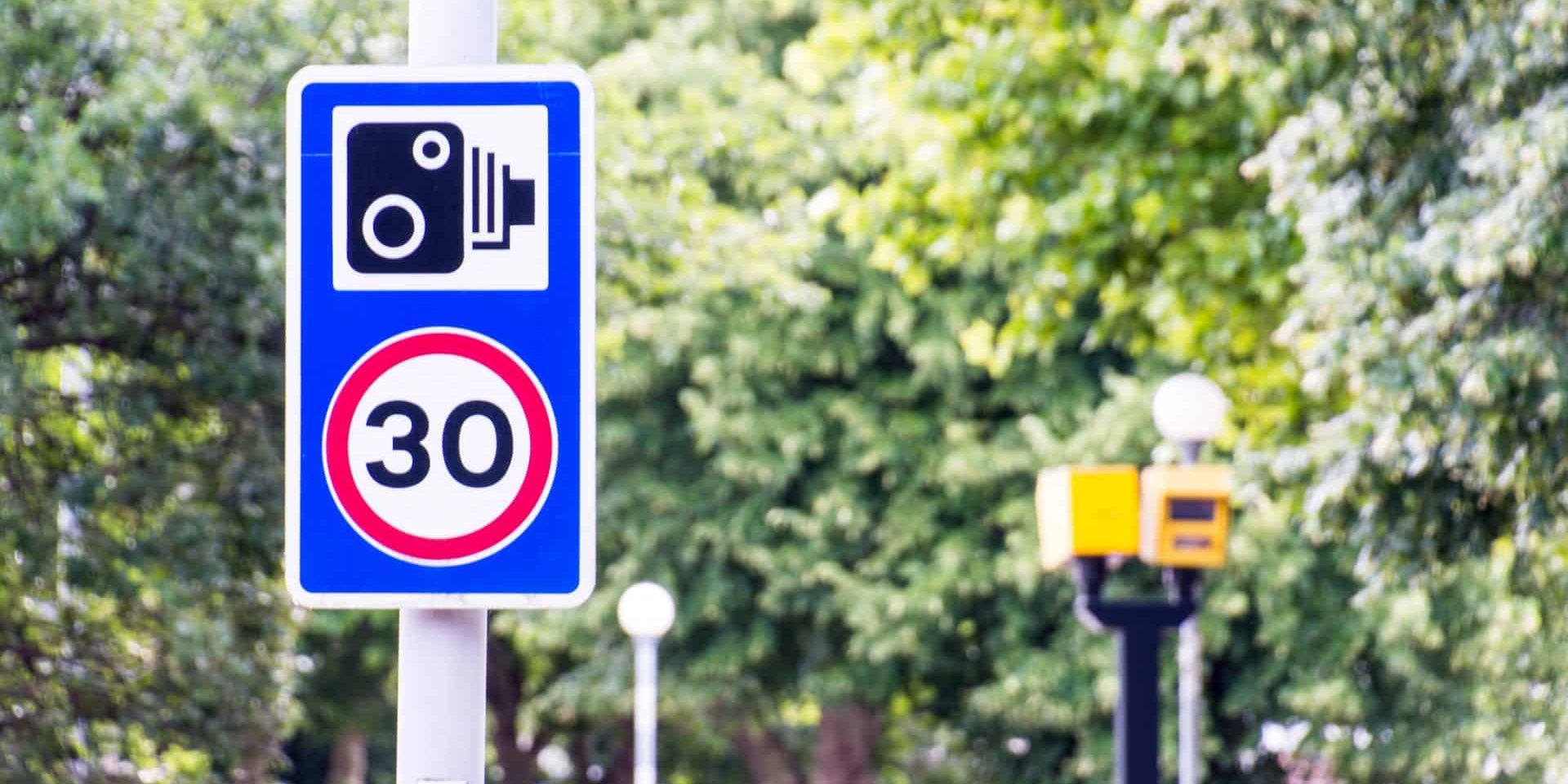
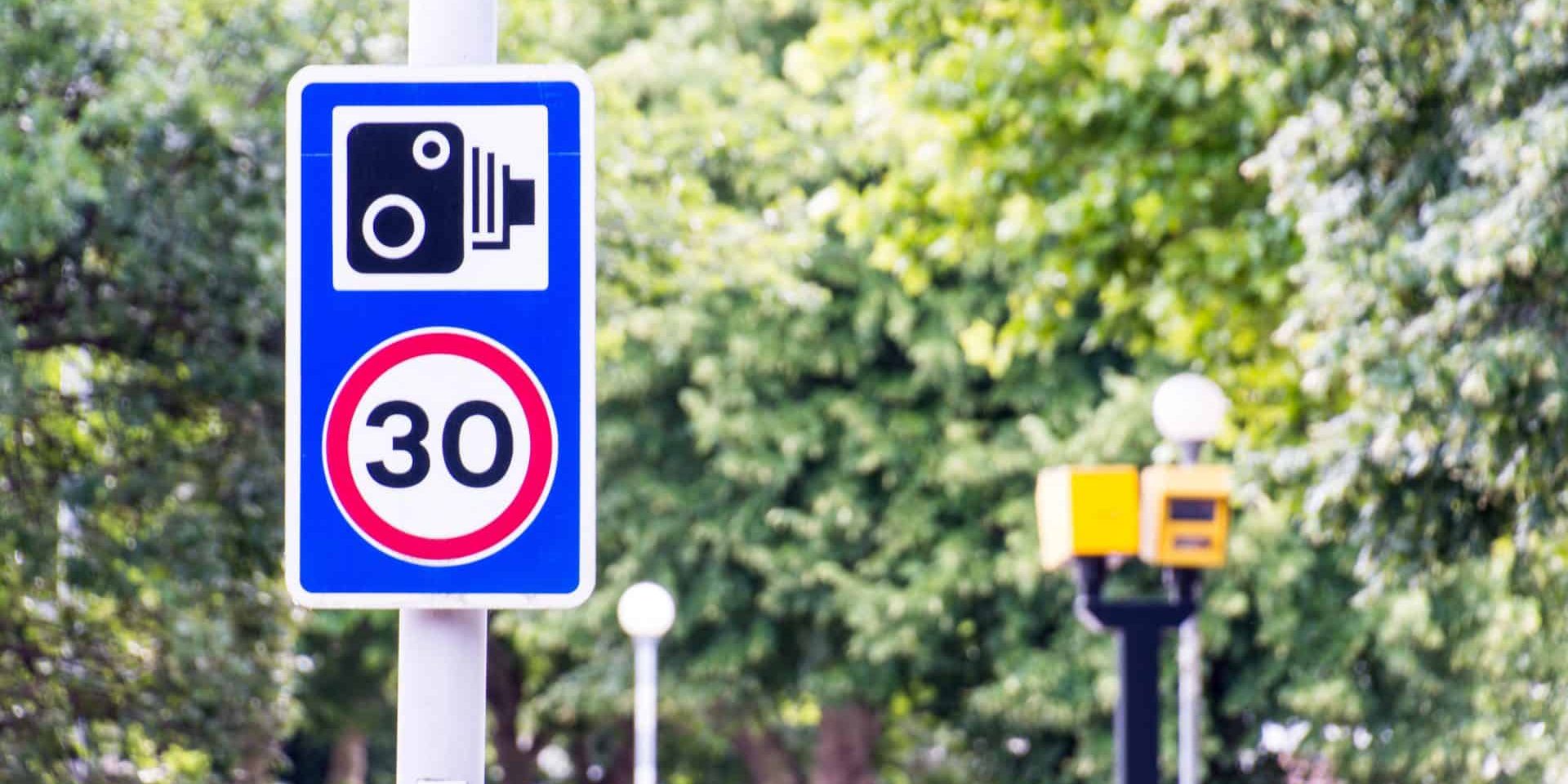
Speeding fines across the UK have reached their highest level in four years, with over 2.3 million drivers receiving penalties annually and the overwhelming majority of police forces reporting year-on-year increases. Of the 24 forces that responded to recent freedom of information requests, 22 recorded a rise in speeding offences when comparing the most recent 12-month period with the one before it. West Yorkshire alone issued 384,219 tickets, a 13 per cent increase, while Devon and Cornwall saw fines surge by 40 per cent to 184,242.
The numbers are not rising because drivers are getting worse. They are rising because the enforcement technology is getting better, the camera network is expanding into roads where it never previously existed, and the old habit of spotting a yellow box and hitting the brakes is becoming irrelevant.
What A Speeding Fine Actually Costs You
The UK uses a three-band system to calculate speeding fines, and the amount you pay is tied directly to your weekly income. This is not widely understood. Many drivers assume speeding fines are a flat rate, but the courts base penalties on a percentage of your gross weekly earnings.
Band A is the lowest category, covering speeds marginally above the limit. It carries a fine of 50 per cent of weekly income and three penalty points. For a driver earning £500 per week, that is a £250 fine. For someone earning £800, it is £400. The same offence, the same stretch of road, but a different bill depending on what you earn.
Band B covers more significant excess speed and doubles the fine to 100 per cent of weekly income, with four to six penalty points. Band C, for the most serious speeding offences short of dangerous driving, reaches 150 per cent of weekly income and can result in a driving ban rather than points.
The maximum fine a magistrates’ court can impose is £1,000 for most speeding offences, rising to £2,500 for motorway speeding. These caps mean that very high earners are effectively capped, but for the majority of drivers on average or below-average incomes, the percentage-based calculation produces fines that are proportionally painful.
Three penalty points remain on your licence for four years from the date of the offence. For drivers who already carry points from previous incidents, a single speeding conviction can push them dangerously close to the 12-point threshold that triggers an automatic disqualification.
Why Fewer Drivers Are Being Offered Speed Awareness Courses
For many years, the speed awareness course served as a safety valve. Drivers caught marginally over the limit could attend a four-hour course costing between £80 and £120 instead of receiving points on their licence. It was a second chance that most people took gratefully.
The eligibility window has always been narrow. You typically qualify only if your speed falls between the prosecution threshold, which is generally the speed limit plus 10 per cent plus 2 mph, and a ceiling roughly 9 mph above that. In a 30 mph zone, that means you would need to be caught between 35 mph and 42 mph. Below 35 and you are unlikely to be prosecuted at all. Above 42 and you go straight to a fine and points with no course option.
But there are additional restrictions that catch people out. You can only attend a speed awareness course once every three years. If you were offered one 18 months ago for a separate offence, you will not be offered another regardless of how minor the current one is. The course is also offered at the discretion of the individual police force, and there is no automatic right to it. Some forces offer courses more readily than others, and the criteria can vary between jurisdictions.
The net effect is that fewer drivers are qualifying for the course alternative, either because they have attended one recently, because their speed was fractionally above the eligibility ceiling, or because the enforcing force has tightened its criteria. More drivers are going straight to fines and points, which is one of the factors driving the four-year high in penalties.
The Cameras That Changed The Game
The traditional fixed speed camera, the bright yellow Gatso box that has stood at the side of British roads since the 1990s, worked on a simple principle. It measured your speed at a single point. If you knew where it was, you slowed down for it and sped up again afterwards. Sat nav alerts, phone apps, and even local knowledge made it possible to drive above the limit for most of a journey and only drop to the legal speed for the few seconds it took to pass the camera.
Average speed cameras have eliminated that approach entirely. Instead of measuring speed at one point, they record your number plate at two or more locations and calculate your average speed over the distance between them. There is no benefit to braking as you pass the camera, because the system already knows how fast you covered the preceding stretch of road. The only way to avoid a fine is to actually drive within the limit for the entire distance between camera points.
These systems were originally confined to motorway roadworks and a handful of notorious A-road stretches. That is no longer the case. Local authorities and police forces are now deploying average speed cameras on urban roads, residential routes, and local networks where persistent speeding has been identified as a problem. The technology has become cheaper, more reliable, and easier to install, and the revenue it generates makes the investment self-sustaining.
On smart motorways, HADECS 3 cameras mounted on overhead gantries can monitor up to five lanes of traffic simultaneously, including the hard shoulder when it is open as a running lane. These cameras enforce variable speed limits that can change from 70 to 60, 50, or 40 mph depending on traffic conditions, and they operate with no grace period. If the gantry displays 50, the camera enforces 50.
AI Cameras That See Inside Your Car
Speed is no longer the only thing being watched. In April 2026, Sussex Police switched on AI-enabled roadside cameras capable of detecting drivers not wearing seatbelts and those using mobile phones. The system uses cameras mounted on a trailer that capture images at two angles: a steep downward view through the windscreen using infrared flash for all-hours operation, and a shallower forward-facing angle that works at high vehicle speeds.
Artificial intelligence algorithms examine the images in real time and flag potential offences. A human officer then reviews the flagged images before any enforcement action is taken. The system is not issuing fines autonomously, but the AI does the detection work that would previously have required a police officer physically stationed at the roadside.
Sussex is not alone. Durham, Humberside, Norfolk, Northamptonshire, Thames Valley, Wiltshire, West Mercia, Staffordshire, and Transport for Greater Manchester have all either deployed or trialled the same technology. A nationwide rollout is widely expected. During a seven-day trial on a single stretch of road in Sussex in 2024, the cameras detected 458 offences.
The penalties for the offences these cameras detect are significant. Using a mobile phone while driving carries a £200 fine and six penalty points. Not wearing a seatbelt carries a fine of between £100 and £500. For a driver who already has six points on their licence, a phone offence detected by one of these cameras would trigger an automatic ban.
What This Means For Older Drivers
For drivers on fixed incomes, particularly those who are retired or receiving a pension, the percentage-based fine structure hits disproportionately hard relative to disposable income. A Band A fine of 50 per cent of weekly income may be manageable for a working-age driver with a regular salary. For a pensioner on a fixed income, the same proportional charge can represent a significant portion of their monthly budget.
The penalty points carry a further cost that many older drivers do not anticipate. Insurance premiums rise sharply after points are added to a licence, and the increase is typically steeper for older drivers who are already in higher-risk age brackets for underwriting purposes. A driver over 70 who picks up three points for a speeding offence and then faces a £200 to £300 annual increase in their insurance premium is paying for that offence long after the fine itself has been settled.
For any driver who already has six or more points on their licence, a single further speeding conviction that adds three more points brings them to nine, leaving virtually no margin for error before the 12-point disqualification threshold. As we covered in our piece on why giving up driving can feel like losing your identity, the loss of a driving licence is not just an inconvenience for older people. It can fundamentally change their independence, social connections, and quality of life.
How To Protect Yourself
The most obvious advice is to drive within the speed limit, and with the expansion of average speed cameras and AI enforcement, that advice has never been more practically relevant. But there are specific steps every driver can take to avoid being caught out.
Know what cameras are on your regular routes. Average speed cameras are marked with signs, but drivers who are unfamiliar with a road or who are driving on autopilot can miss them. Navigation apps such as Waze and Google Maps flag camera locations in real time, including average speed zones, and using one as a matter of routine is a simple precaution.
If you are caught, check whether you qualify for a speed awareness course before accepting a fixed penalty notice. You have 28 days to respond to a Notice of Intended Prosecution, and it is worth confirming with the issuing force whether a course is available for your offence. If you attended a course within the last three years you will not be eligible, but if you have not, the course avoids the penalty points that drive up insurance costs.
Understand how variable speed limits work on smart motorways. The displayed limit is the enforced limit, and HADECS 3 cameras do not allow a margin above the number on the gantry. If the sign says 50, drive at 50.
And for drivers who rely on their licence for independence, particularly those who are older or who already carry points, the arithmetic is simple. Every mile per hour above the limit is a gamble with technology that is increasingly designed to ensure you lose.
Sources
Speeding Fines Reach Four-Year High (Motoring Research)
Speeding Fines Hit Four-Year High (RAC)
UK Speeding Fines Four-Year High (Highways Industry)
Speeding Sentencing Guidelines 2026 (Speeding Fine Calculator)

Leave a Comment
More in News

How to Free a Frozen Handbrake (and What a New Cable Costs)

What Winter Tyres Actually Do for UK Drivers (and Whether You Need Them)
Renewing Car Insurance on the Day Cover Ends Costs Drivers £331 More, MoneySupermarket Shows

Every Driver Faces £500 Seatbelt Fines as AI Cameras Flag 19,145 Possible Offences

How to Remove Moisture From Inside Your Headlight Before It Costs You £500
Trending on Motoring Chronicle

What a Free DVSA Check Reveals About Recalls on the Car You Already Own

How to Tell if a Slow Puncture Is Repairable (and What It Costs)

Why Your Next MOT Booking Could Take Weeks Longer Than It Used To

Every Driver Risks a Cloned Plate Fine as DVLA Complaints Hit a Record 11,402