
10 Car Features That Disappeared, and the Surprising Reasons Why


Pop-up headlights, manual handbrakes, CD players, and full-size spare tyres have all vanished from new car showrooms. Most drivers assume it was simply progress, but the real reasons range from pedestrian safety laws to emissions targets to interior packaging wars. Here are 10 features that disappeared and the surprising forces that killed them.
1. Why Did Pop-Up Headlights Disappear?
Pedestrian safety regulations killed them. The European Union introduced pedestrian impact standards in 2003, requiring the front of every new car to deform in a controlled way during a collision with a pedestrian. The bonnet, bumper, and front panel must absorb energy and reduce the severity of head and leg injuries. A rigid, mechanical pop-up headlight housing sitting behind the bonnet line is fundamentally incompatible with this requirement.
The last car sold with pop-up headlights was the 2004 Chevrolet Corvette C5. Mazda’s MX-5 (Miata) dropped them after the 1997 NA generation, and the Lotus Esprit, one of the most iconic pop-up designs, ended production in 2004. Porsche had already moved the 928 and 968 to fixed headlights years earlier.
Pop-up headlights were beloved for good reason. They allowed designers to create a completely smooth, low-drag front end with the lights tucked away. When they flipped up, they gave certain cars an unmistakable character. Modern LED and laser headlight technology has allowed designers to create thin, integrated lighting signatures that achieve a similar visual impact without the mechanical complexity or pedestrian safety conflict, but the charm of watching headlights rise from the bonnet is gone for good.
2. Why Did the Manual Handbrake Disappear?
Interior packaging drove the switch. A traditional cable-operated handbrake lever occupies a large section of the centre console between the front seats. Replacing it with a small electronic button or switch frees that space for a larger armrest, additional storage, wireless charging pads, or a wider gear selector area. For manufacturers designing global platforms that must accommodate left and right-hand drive, eliminating the mechanical lever simplifies the console layout significantly.
The electronic parking brake (EPB) also enables features that a manual lever cannot. Auto-hold keeps the brakes applied at traffic lights without the driver holding the brake pedal, which integrates naturally with start-stop systems. Hill-start assist releases the EPB automatically as the driver pulls away on a slope, preventing roll-back. These functions are now standard across most new vehicles and are cited by manufacturers as primary selling points.
Driving enthusiasts mourn the loss for a practical reason too. A manual handbrake allowed controlled rear-wheel lockup for low-speed manoeuvres and, on certain surfaces, deliberate slides. An electronic system that activates and releases on its own does not permit this. For the vast majority of drivers, the convenience of auto-hold outweighs the loss. For the minority who learned to drive on a cable lever, the button feels like something essential was taken away.
3. Why Did Full-Size Spare Tyres Disappear?
Weight and emissions regulations are the primary reason. A full-size spare tyre and wheel assembly adds 15 to 25 kg to the vehicle’s kerb weight. On the WLTP and EPA test cycles, that extra mass increases fuel consumption and CO2 output by a measurable amount. When manufacturers are fighting for every gram of CO2 to meet fleet emissions targets, removing 20 kg of steel and rubber that most drivers never use is an easy decision.
Boot space is the secondary benefit. Eliminating the spare tyre well allows a flatter, deeper cargo area or, in SUVs and crossovers, room for a larger battery pack on hybrid and electric variants without redesigning the platform. The cost saving is not trivial either. A full-size alloy wheel and tyre costs the manufacturer $80 to $150, multiplied across hundreds of thousands of vehicles per year.
Most new cars now ship with one of three alternatives: a space-saver (skinny) spare rated for temporary use up to 50 mph, a tyre repair kit with sealant and a compressor, or run-flat tyres that can be driven on for up to 50 miles after a puncture. Each has trade-offs. Run-flats are heavier and give a firmer ride. Repair kits cannot fix sidewall damage. Space-savers take up less room but are not rated for sustained high-speed driving. Knowing how to drive safely on a flat is now a more relevant skill than knowing how to change a wheel.
4. Why Did CD Players Disappear From Cars?
Bluetooth audio and streaming made the disc slot redundant. Apple introduced iPhone Bluetooth audio in 2007, and by 2015 most new cars offered wireless audio streaming as standard. The CD mechanism itself is bulky, mechanical, and expensive to integrate into a modern touchscreen-based dashboard. Removing it frees space for a larger screen, additional ventilation ducting, or simply a cleaner design.
Tesla shipped the Model S in 2012 with no CD player and no physical media slot of any kind. By 2020, most mainstream manufacturers had followed. Ford dropped CD players from the Fiesta and Focus in 2018. BMW made them an optional accessory. Honda removed them from the Civic range entirely. Some premium brands offered a dealer-fit CD player accessory until around 2024, but even those have now been discontinued.
The shift also reflects changing listening habits. Spotify, Apple Music, and other streaming services offer access to millions of tracks without carrying physical media. Android Auto and Apple CarPlay project phone-based music apps directly onto the car’s screen. For drivers who still own CD collections, aftermarket Bluetooth-to-AUX adapters and USB CD drives provide a workaround, but the factory-fitted CD slot is gone and is not coming back.
5. Why Did Physical Buttons Disappear From Dashboards?
Touchscreens were cheaper to manufacture and easier to update. A single touchscreen replaces dozens of individual buttons, switches, knobs, and their associated wiring. The software behind the screen can be updated over the air to add features, fix bugs, and refresh the interface without changing any hardware. For manufacturers building cars on global platforms, one screen design works across every market, while physical button layouts need to be adapted for different languages and regulatory requirements.
Tesla popularised the minimalist, screen-only dashboard with the Model 3 in 2017, and the rest of the industry followed. Climate control, seat heating, mirror adjustment, and even glovebox operation moved behind touchscreen menus. The aesthetic was clean and modern. The user experience was often terrible.
The backlash has been swift and measurable. Euro NCAP, the European safety rating body, now penalises vehicles that bury essential controls like indicators, hazard lights, and windshield wipers behind touchscreen menus. Hyundai, Porsche, and Volkswagen have all reintroduced physical buttons for climate control and audio volume on their latest models. The 2024 Porsche Cayenne brought back dedicated HVAC buttons after the 2019 model had gone fully touch. The lesson is clear: screens are excellent for navigation and entertainment, but terrible for controls you need to operate without looking away from the road.
6. Why Did Cigarette Lighters and Ashtrays Disappear?
Declining smoking rates made them unnecessary for most buyers. In 1965, 42 percent of American adults smoked. By 2025, that figure had dropped below 12 percent. Manufacturers removed ashtrays from standard fitment through the 1990s and 2000s, and the cigarette lighter followed shortly after.
The 12-volt socket that once powered the cigarette lighter stayed for years as the standard accessory power outlet, used for phone chargers, dash cams, and portable compressors. Even that is now being replaced by USB-A, USB-C, and wireless charging pads built into the centre console. Some manufacturers still include one 12-volt socket for legacy accessories, but it is increasingly tucked away in the boot or behind a cover rather than sitting prominently on the dashboard.
The removal also reflects a broader trend of manufacturers curating the in-cabin experience. A visible ashtray and lighter suggest the car was designed for smoking. Modern interiors are designed around air quality, premium materials, and ambient lighting, none of which pair well with cigarette smoke. The cabin air quality systems fitted to many new vehicles, including charcoal-filtered climate control and particle sensors, would be undermined by smoking inside the car.
7. Why Did Manual Transmissions Nearly Disappear?
Automatic and dual-clutch transmissions now deliver better fuel economy, faster shift times, and lower emissions than a human driver with a manual gearbox can achieve. Modern 8, 9, and 10-speed automatics keep the engine in its most efficient RPM range more precisely than a manual driver ever could, and dual-clutch transmissions (DCTs) shift in under 50 milliseconds, faster than any hand can move a lever.
In the US market, manual transmission take-rate has dropped below 2 percent of new car sales. Many models that were historically defined by their manual gearbox, including the BMW 3 Series, Volkswagen Golf GTI, and Honda Accord, no longer offer one in most markets. The Toyota GR86, Mazda MX-5, Honda Civic Si, and a handful of sports cars remain as holdouts.
The regulatory pressure compounds the market trend. Hybrid and plug-in hybrid powertrains, which manufacturers need for emissions compliance, are extremely difficult to package with a manual gearbox. The electric motor assist and energy recuperation strategies used by hybrids require precise, electronically controlled gear changes that a manual cannot provide. As electrification spreads, the engineering case for the manual gearbox shrinks further with every model year.
8. Why Did Dipsticks Disappear?
Electronic oil level sensors replaced the physical dipstick on many vehicles, starting with BMW in the early 2000s and spreading to Audi, Mercedes-Benz, and other manufacturers. The sensor reads oil level and condition electronically and displays the result on the dashboard or infotainment screen, eliminating the need for the driver to open the bonnet and pull a metal stick.
The engineering reason is packaging. Modern turbocharged engines with tight engine bay layouts, integrated exhaust manifolds, and layered intake systems leave little room for a convenient dipstick tube. The electronic sensor can be mounted anywhere on the sump without needing a straight, accessible path to the top of the engine.
The practical downside is significant. A physical dipstick gives an instant, tactile reading of both oil level and condition. You can see the colour, feel the consistency, and smell for contamination. An electronic sensor tells you the level is “OK” or “Low” but gives no information about the oil’s actual state. For drivers who want to understand what their engine oil colour is telling them, the loss of the dipstick removes a valuable diagnostic tool. Many independent mechanics view the shift as a step backward for owner maintenance, even if it simplifies the dashboard experience.
9. Why Did Rear Window Wipers Disappear From Sedans?
Aerodynamics and body shape are the reason. Hatchbacks, SUVs, and estates have near-vertical rear windows that collect rain, road spray, and dirt. The airflow separates from the roof and creates a low-pressure zone behind the car that pulls dirt and moisture onto the glass. A rear wiper is essential for visibility on these body styles.
Sedans (saloons) have a sloped rear window with a boot lid extending behind it. The airflow follows the roofline down the rear glass, across the boot lid, and off the trailing edge cleanly. This airflow pattern naturally clears water from the rear window at speed, making a wiper less necessary. At lower speeds the effect is weaker, but sedan drivers generally maintain adequate rear visibility without mechanical assistance.
Cost and aesthetics play a supporting role. A rear wiper motor, arm, blade, washer jet, and wiring add manufacturing cost and complexity. The wiper arm also disrupts the clean rear design that sedan buyers expect. On premium sedans where design purity is a selling point, the absence of a rear wiper is a deliberate aesthetic choice as much as an engineering one.
10. Why Did Analogue Instrument Clusters Disappear?
Digital instrument clusters are cheaper to customise, easier to update, and capable of displaying far more information than a fixed set of analogue dials. A single digital screen behind the steering wheel can show a traditional speedometer layout, a navigation map, driver assistance graphics, media information, and trip data, all of which would require separate gauges or displays in an analogue setup.
Manufacturing cost favours digital at scale. An analogue cluster requires individual stepper motors, printed circuit boards, custom dial faces, and precise calibration for each gauge. A digital screen is a single panel that receives its graphics from software. Updating the display layout, adding new features (like a tyre pressure readout or a lap timer), or localising for different markets requires a software change rather than a hardware redesign.
The analogue gauges had one advantage that digital clusters are still chasing: instant readability. A needle sweeping across a dial communicates rate of change intuitively. A digital number flicking from 3000 to 4000 RPM does not convey the same urgency. Some manufacturers, including Porsche and Lexus, use hybrid clusters that combine a central analogue tachometer with flanking digital screens, acknowledging that the physical gauge still communicates driving information in a way a pixel display has not fully replicated.
Sources
- Euro NCAP: Vehicle Safety Ratings and Assessment Protocols
- IIHS: Insurance Institute for Highway Safety
- SAE International: Automotive Engineering and Technology Standards
- US Environmental Protection Agency: Vehicle Emissions Regulations
- RAC Foundation: Vehicle Technology and Road Safety Research
- The AA: Vehicle Technology and Driving Advice

Leave a Comment
More in News

What an AdBlue Warning Light Really Means Before Your Diesel Refuses to Restart

How Bus Lane Cameras Earned Councils £37.7 Million by Fining UK Drivers This Year
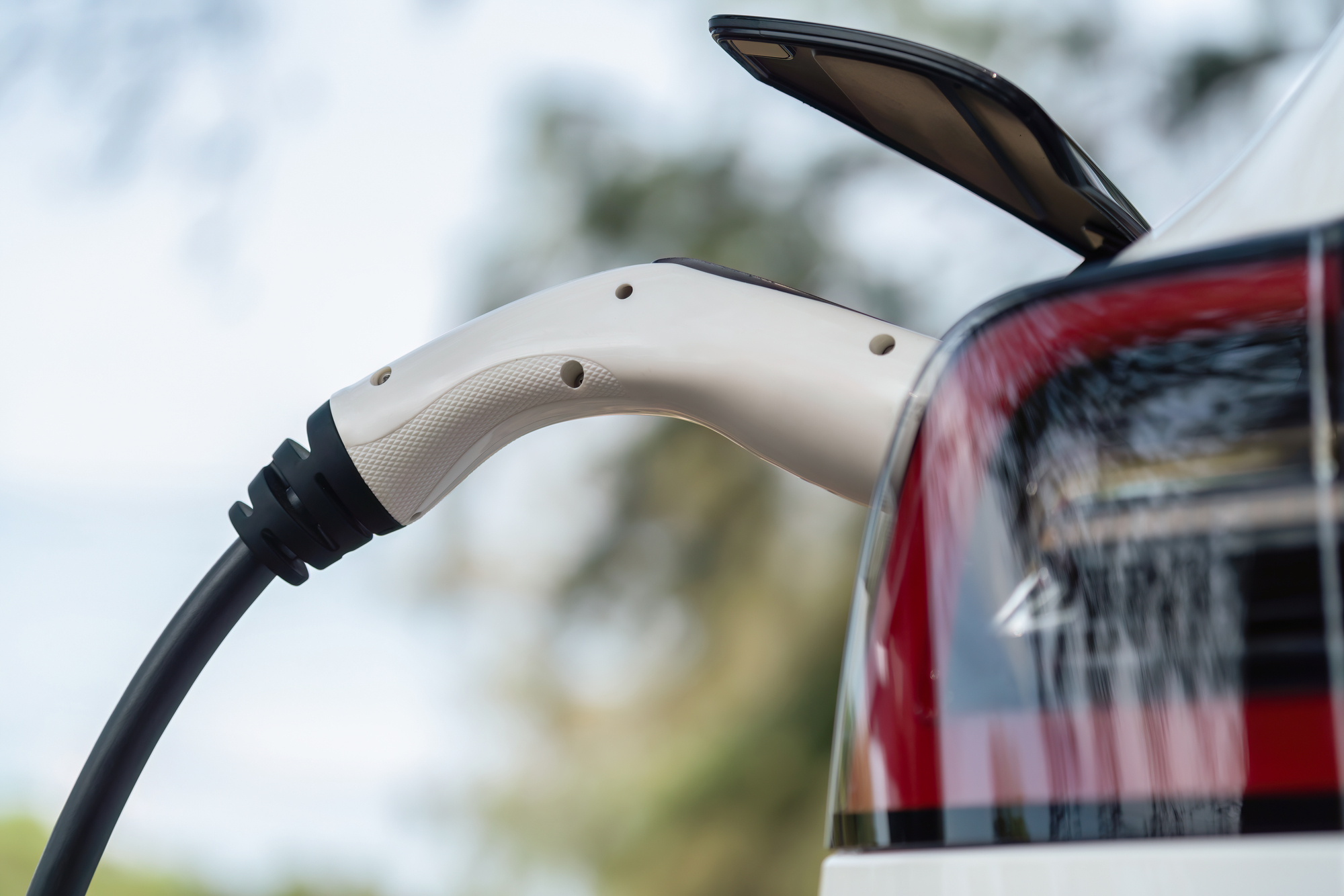
Every New Car Buyer Could Get Bigger Discounts as Britain Misses Its EV Target

Drivers Using Rapid EV Chargers Pay 79p a kWh, Up 4 Percent, Zapmap Shows

How to Tell DVLA You Sold Your Car (and Avoid the Buyer’s Fines)
Trending on Motoring Chronicle

Every Driver Ignores This Dashboard Light and It Costs Them Their MOT

How to Read the Numbers on Your Tyre Sidewall (and Buy the Right Replacement)
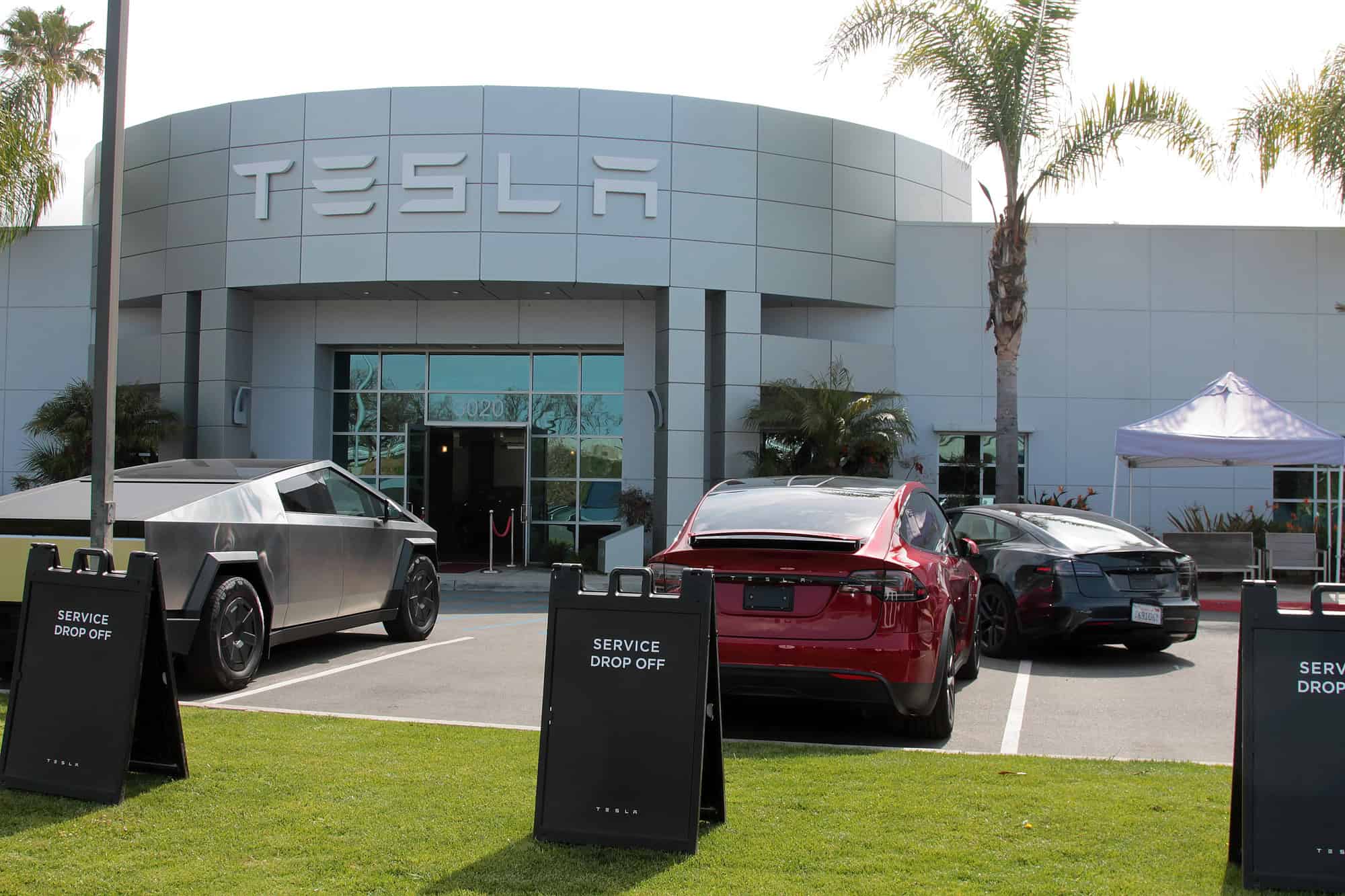
NHTSA Closes Its Four Year Tesla Phantom Braking Probe of 695,000 Cars
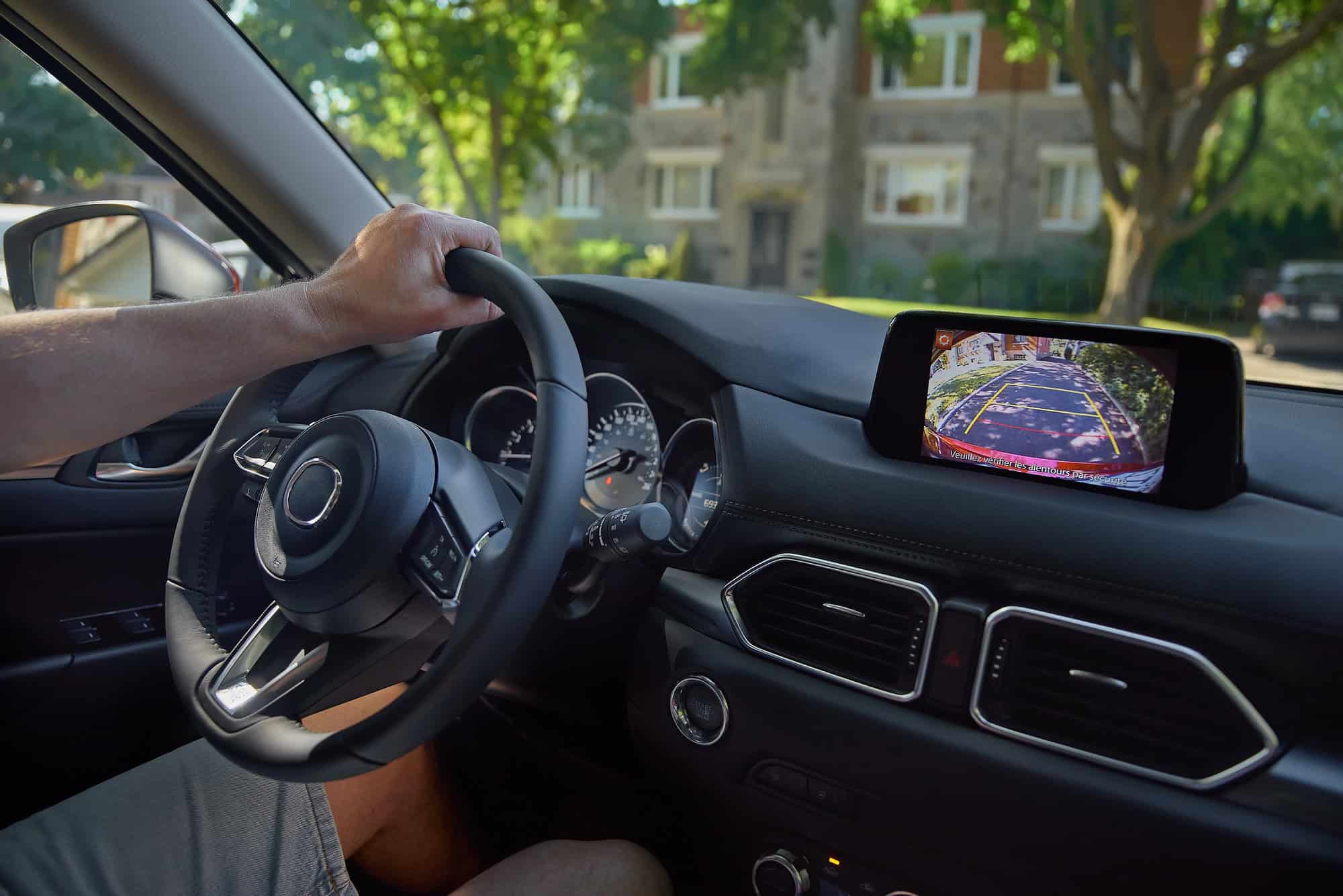
Ford Recalls 11,405 Rangers After Fake Parts Knock Out the Backup Camera
