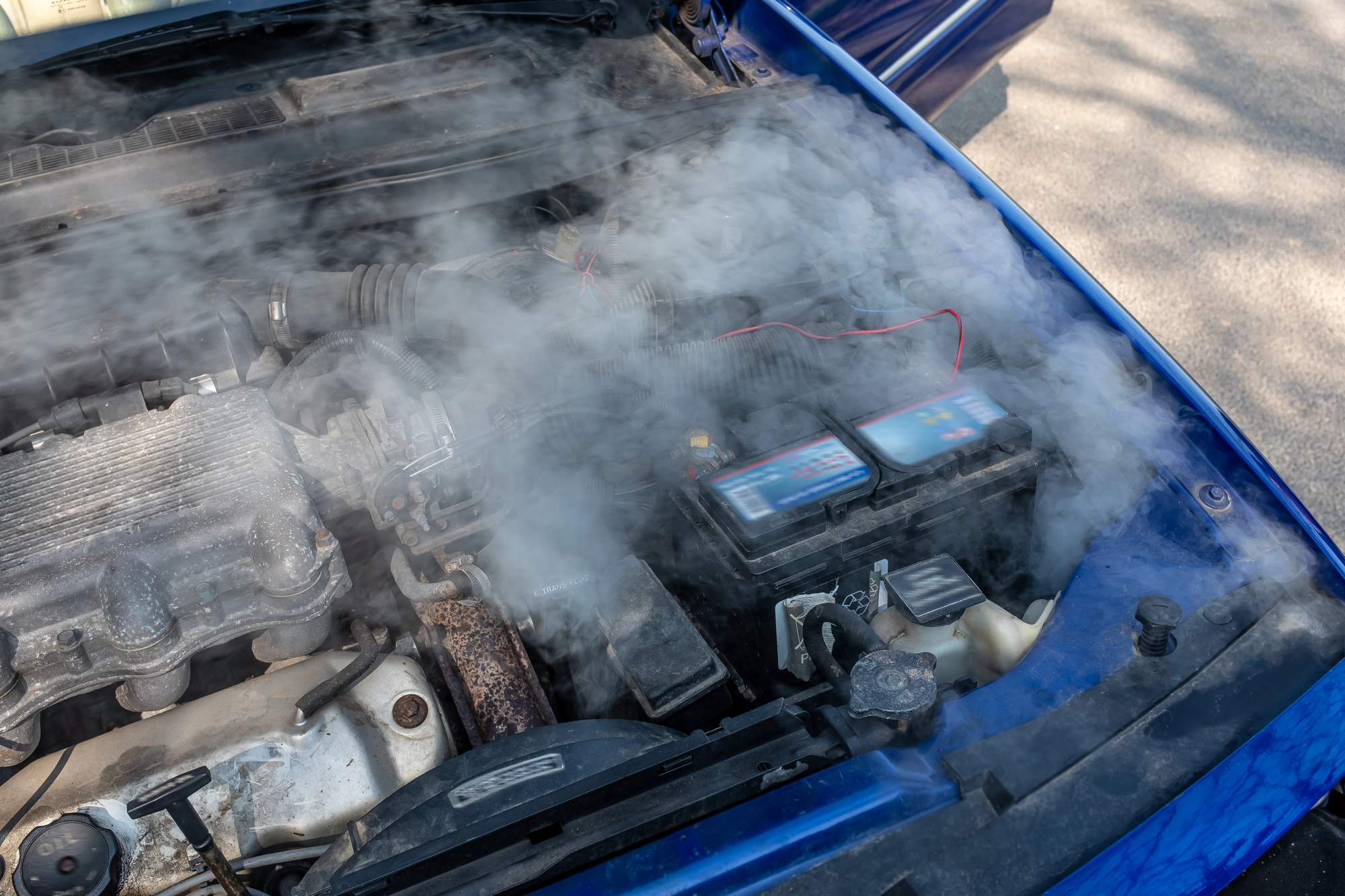
15 Items to Keep in a Winter Car Kit


A winter car kit is not a collection of random “emergency stuff.” It is a set of tools that solves the most common winter failure modes: loss of visibility, loss of traction, battery weakness, cold exposure, and being invisible to fast traffic. Build it so you can reach the critical items from the driver’s seat, and store it so it does not become a projectile in a crash.
1. Ice scraper and snow brush
Clearing the windscreen (windshield) is a safety job, not a cosmetic one. Frost and ice scatter light, which cuts contrast and makes hazards harder to read at night. A proper scraper has a stiff blade edge that can shear bonded ice without cracking, plus a brush head that moves loose snow off glass and lights.
Pick a brush long enough to clear the roof. Snow left on the roof slides forward under braking, dumps onto the windscreen (windshield), and blocks your view right when you need it.
What to look for
- A scraper with a rigid handle, not a bendy one
- A brush head that is soft enough for paint, stiff enough for packed snow
- A telescopic handle if you drive an SUV, pickup, or van
- A separate small scraper for side windows and mirrors
2. De icer spray
Scraping works best on brittle frost. It works poorly on clear ice bonded to glass. A de icer spray breaks that bond so the scraper can lift the ice off in sheets rather than sanding at it for five minutes.
Keep de icer sealed inside a plastic bag. Leaks happen, and you do not want solvent smell in the cabin. Store it where it will not freeze solid. Most commercial formulas cope well in winter conditions, yet they still perform better when they are not sitting against a cold floor pan all night.
Good use cases
- Clearing the windscreen (windshield) when ice is glassy and thick
- Freeing frozen door seals without tearing rubber
- Releasing a frozen fuel flap (fuel door) latch
3. Folding shovel
A shovel is for traction recovery and for exhaust safety. Slush can pack around driven wheels, then the tires spin in a slick trench with no bite. Digging out a channel and exposing a rougher surface lets your traction aid work.
It also matters for the tailpipe. If the car is idling while stuck in snow, snow can build around the rear and block airflow out. Clearing space behind the exhaust reduces the risk of fumes collecting under the car and finding their way into the cabin.
Choose a shovel with a metal edge and a short handle. Long handles are awkward in tight spaces. Collapsible designs are fine if the locking mechanism is solid.
4. Traction aid
A traction aid turns a slippery interface into a grippy one. The most common options are sand, cat litter (kitty litter), or purpose made traction mats. Sand offers high friction and does not melt into mush. Litter often works well, though some brands clump when wet and become less effective.
Use it like this: straighten the wheels, clear loose snow, place traction aid in front of the driven tires, then roll onto it with light throttle. Wheelspin polishes ice and heats the tire surface, which reduces grip.
Strong choices
- A small bag of coarse sand sealed in a thick plastic bag
- Two traction mats if you drive in rural areas
- A compact folding kneeling pad for placing mats without soaking your knees
5. Jump leads and a portable jump starter
Cold weather reduces battery performance and increases engine load at start. Oil is thicker, chemical reaction rates in the battery slow, and starters draw more current. A weak battery that feels fine in autumn can fail in the first serious cold snap.
Carry jump leads (jumper cables) for help from another vehicle, plus a portable jump starter for the times there is nobody around. A jump starter is also useful in a crowded car park where positioning another car for cables is awkward.
Selection points
- Thick cables with solid clamps, not thin budget wire
- A jump starter rated for the engine size you drive
- Keep the jump starter charged, check monthly in winter
- Store cables where you can reach them without unpacking the boot (trunk)
6. Tire inflator and pressure gauge
Tire pressure drops as temperature drops. Lower pressure reduces sidewall stiffness, increases flex, and changes the contact patch shape. That can hurt braking and steering response, especially on wet cold roads. It also increases rolling resistance, which costs fuel and range.
A 12V inflator plus a proper gauge lets you correct pressure when the warning light comes on, without guessing. The built in compressor at a petrol station (gas station) may be out of service, or the hose can be torn, or the queue can be long in freezing wind.
Best practice
- Check pressure when tires are cold
- Inflate to the door placard value
- Re check after driving a few miles, then adjust if needed
- Keep valve caps in place, they are a seal against grime and corrosion
7. Torch and spare batteries
A torch (flashlight) is for repairs, inspections, and visibility in a breakdown. Phone flashlights are fine for five minutes. They are not fine for a long recovery on a dark shoulder with gloves on and a low battery.
Pick an LED torch with a wide beam for close work and a tighter beam for distance. Add spare batteries, stored in their original packaging or a battery caddy. Loose batteries rolling around in a kit can short on metal tools.
Upgrades worth having
- A head torch for hands free work
- A magnetic base torch for sticking to bodywork
- A compact lantern mode for lighting the cabin
8. High visibility vest
A high visibility vest is one of the highest value items in the kit. It turns you from a dark shape into a visible person under headlights, especially on wet roads where glare reduces contrast. Keep it in the cabin, not in the boot (trunk). You want it on before you step out.
If you regularly drive motorways (freeways), add a second vest for a passenger. If two people exit the car, both should be visible.
9. Warning triangle and flares
A warning triangle gives approaching drivers time to react. It is useful on rural roads, fog, blowing snow, and any situation where you are stopped around a bend. In the UK, a warning triangle should not be placed on a motorway, yet it is useful on other roads. In the US, triangle use varies by state and situation, and it remains common for roadside warning.
Flares add bright, unmistakable warning. They also create fire risk, and they are not ideal around spilled fuel. If you do not want flares, carry three reflective triangles and place them at increasing distances behind the vehicle.
Practical setup
- Triangle stored where it is easy to grab
- Practice deploying it once at home
- Consider LED beacons as an alternative to flares
10. First aid kit
Cold conditions make small problems bigger. A cut bleeds longer, hands are numb, and fine motor control is worse. A first aid kit should cover basic bleeding control, cleaning, and pain relief, plus any personal medication.
Build it for roadside reality
- Plasters (bandages) in multiple sizes
- Gauze pads and a wrap bandage
- Antiseptic wipes
- Nitrile gloves
- A foil emergency blanket for shock and heat retention
11. Blanket or sleeping bag
If the car is stranded, staying warm is priority one. The body loses heat fast when sitting still, and cold stress reduces judgement. A sleeping bag rated for cold weather is ideal. A thick blanket works well, especially wool, which still insulates when damp.
Store the insulation in a waterproof bag. If snow melt soaks it, it becomes dead weight.
12. Spare winter layers
Pack gloves, a warm hat, and spare socks. Wet feet and cold hands are what turn a manageable wait into a serious problem. Add a spare mid-layer like a fleece or insulated jacket, sized for the largest passenger who might need it.
If you have children, include a small pair of gloves and socks for them. Kids lose heat faster and complain later.
13. Hand warmers
Chemical hand warmers are light, cheap, and effective. They are also a way to keep fingers functional for phone use, zipper pulls, and small tasks like attaching clamps on jump leads (jumper cables).
Add a few pairs and rotate them each winter. Store them sealed.
14. Food that survives cold
Choose food that does not crumble into dust and does not require cooking. Energy bars, nuts, and jerky work well. Add something salty and something sweet. Cold stress and anxiety burn energy, and steady calories help you stay calm and alert.
Pack food that matches your household needs. If you have allergies, label it. If you have children, include something they will actually eat.
15. Water in plastic bottles
Dehydration still happens in winter. Heated cabins dry the air, breathing cold air increases water loss, and stress does the rest. Use plastic bottles, not glass. Leave headspace so freezing expansion does not burst the bottle.
Rotate water regularly. Stagnant water tastes awful, and a kit you hate using is a kit you ignore.
A winter car kit is a small investment that protects your family when conditions turn a minor delay into a cold, risky situation, and it gives you the tools to stay visible, stay warm, and get moving again without making the problem worse.
If you enjoyed this article, be sure to follow us on Microsoft Start.

Leave a Comment
More in News

Chase Elliott Steals Martinsville Win From Dominant Denny Hamlin

What Does O/D Off Mean?
Why Is My Fuel Economy Getting Worse?

Nobody Can Stop Alex Palou at Barber Motorsports Park

Alex Palou Back on Peak Form, Dominates Barber Qualifying
Trending on Motoring Chronicle

Bugatti Responds to Mat Armstrong’s Chiron Rebuild

Taking pride in perfection: The first officially certified and uniquely authentic Bugatti EB110 America [Photo Gallery]
Toyota GAZOO Racing Reveals New GR Corolla Development Vehicle [Photo Gallery]
Nervous Brits give winter driving the cold shoulder