
Why Petrol Hit 161p and What the September Fuel Duty Rise Means for Your Wallet
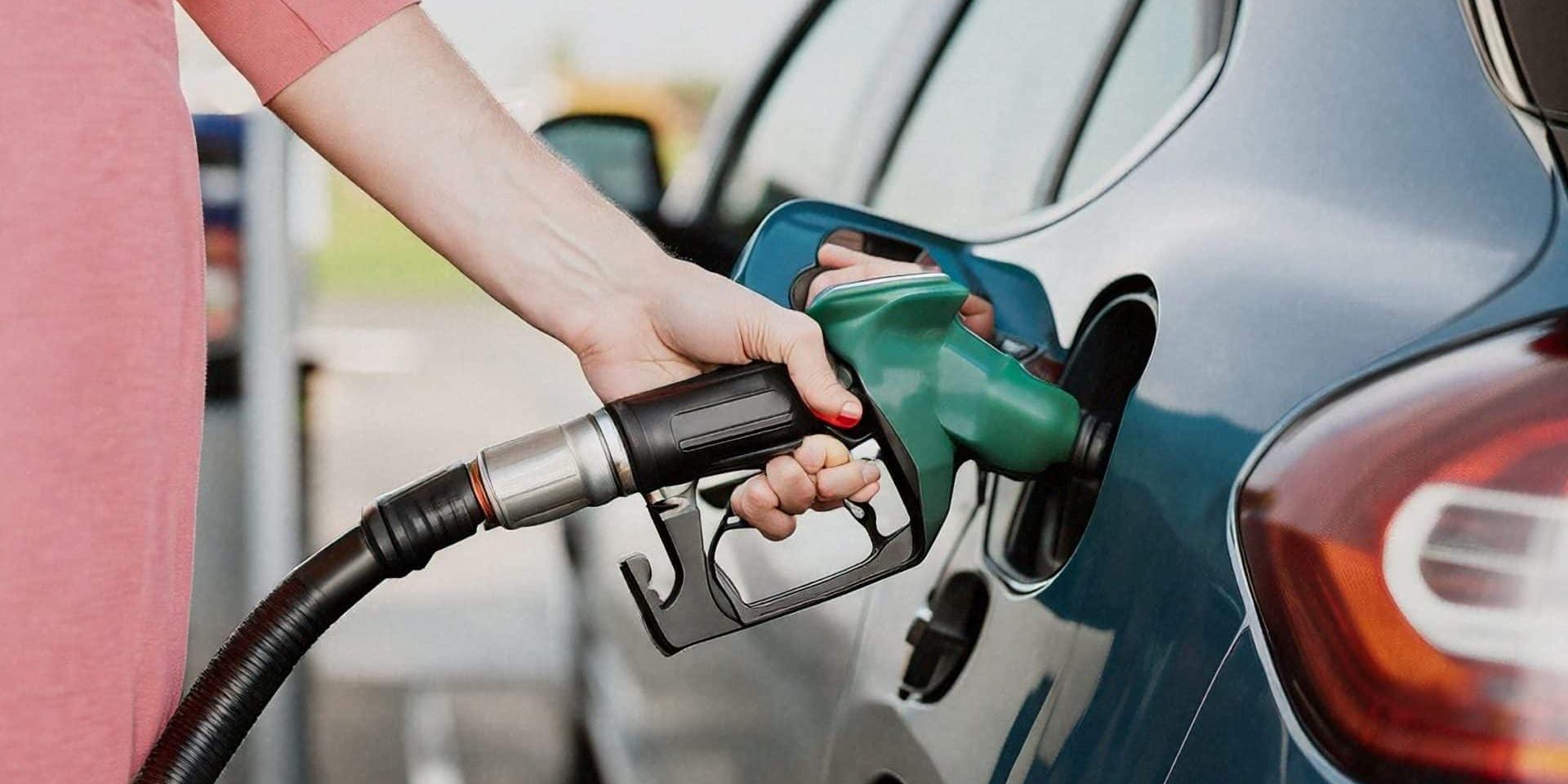
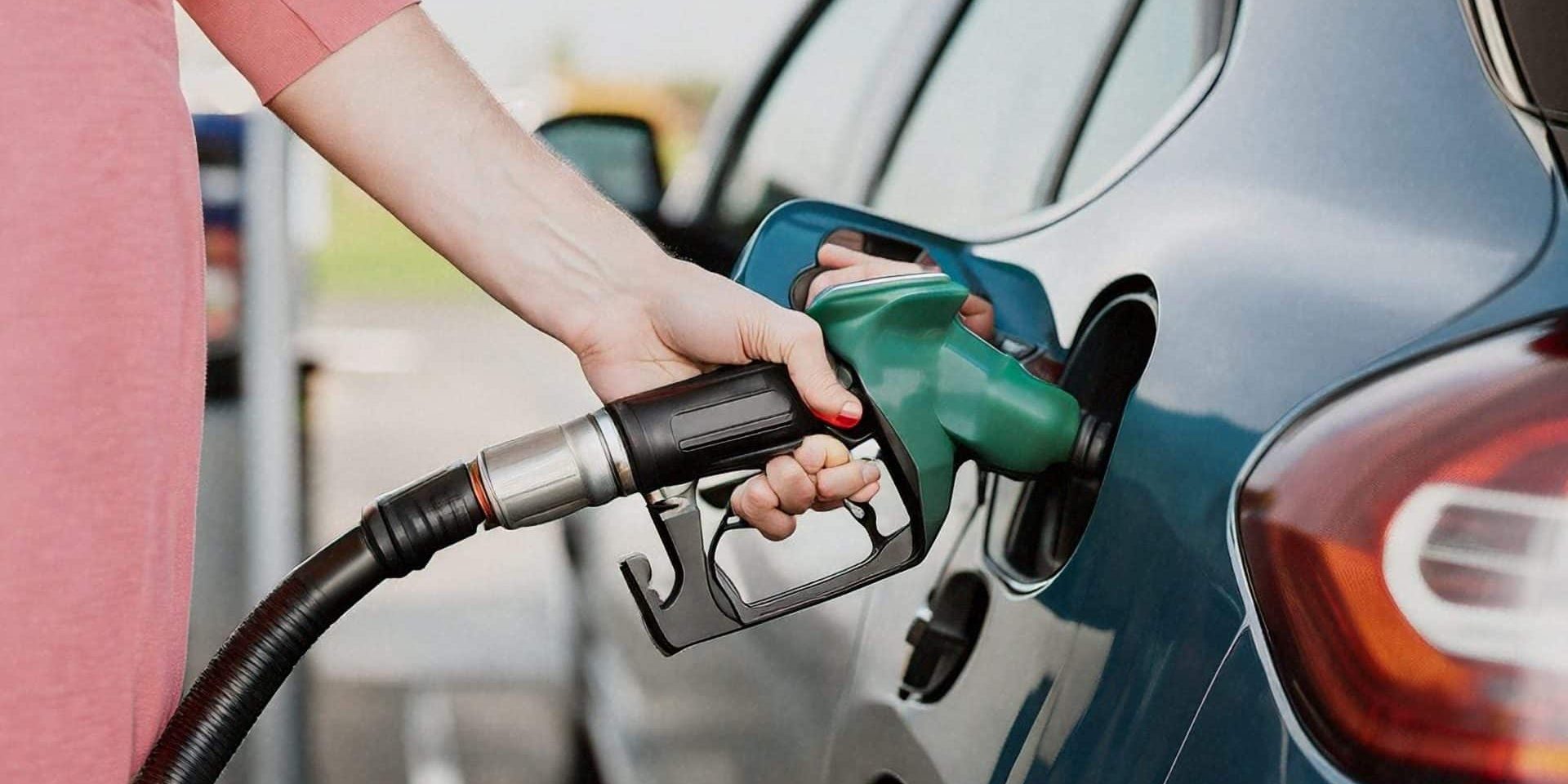
Petrol prices in the UK hit 161.2p per litre on 4 August 2026, while diesel reached 181.1p — the highest average prices at the pumps for over two years. And with fuel duty set to rise from 1 September, drivers face a double blow that will push the cost of filling up even higher before the year is out.
The combination of historically elevated pump prices and an imminent tax increase represents one of the most significant financial squeezes on UK motorists in recent memory. Understanding what is driving costs and what you can do about it has never mattered more.
Why Fuel Prices Are So High Right Now
The current surge in petrol and diesel prices traces back to 28 February 2026, when the United States launched military strikes against Iran in coordination with Israel, triggering a rapid escalation across the Middle East. The Strait of Hormuz, through which approximately 20 percent of the world’s oil and liquefied natural gas passes, became a flashpoint. Supply disruption fears sent Brent crude above $100 per barrel for the first time since 2022.
UK drivers felt the impact almost immediately. Average petrol prices jumped from around 132.8p per litre before the conflict began to 152.8p by the end of March 2026 — a rise of 20p in a single month that surpassed the previous UK record of 17p set in June 2022 during the Russia-Ukraine war. Diesel prices rose even faster, climbing 40p in March alone.
The RAC Foundation calculated that price rises since the conflict began cost UK motorists an additional £307 million in petrol and diesel spending during March 2026 alone. As the conflict continued to simmer and global oil markets remained volatile, prices dipped to a temporary low in early July before reversing sharply. By the week of 27 July, petrol had risen 3.84p in a single week to 156.13p, while diesel climbed 6.89p to 173.97p. The August 4 reading of 161.2p for petrol and 181.1p for diesel pushed prices to fresh 2026 highs.
Filling a typical 55-litre family car with petrol now costs around £88.66 — up from approximately £73.04 when the conflict began, an increase of more than £15 per tank.
A secondary factor keeping prices elevated is currency. Oil is priced globally in US dollars, so a weaker pound amplifies any dollar-denominated price increases for UK buyers. Sterling has traded below its pre-conflict levels for much of 2026, adding to the pressure at the pump.
When Is Fuel Duty Rising and by How Much?
On top of the market-driven price increases, a policy change locked in by the November 2025 Budget means UK fuel duty is set to rise in three stages. This will end the 5p temporary cut that the then-Conservative Government introduced in March 2022 at the height of the energy price crisis.
Fuel duty currently stands at 52.95p per litre for both petrol and diesel. The planned increases are:
- 1 September 2026: duty rises by 1p to 53.95p per litre
- 1 December 2026: duty rises by a further 2p to 55.95p per litre
- 1 March 2027: duty rises by a final 2p to 57.95p per litre
By March 2027, the full 5p cut will have been withdrawn. The Government has confirmed that it will not additionally increase fuel duty in line with inflation during 2026-27, but from the 2027-28 financial year onwards, the usual annual Retail Price Index (RPI) linked increases will resume — meaning duty will continue rising each year after that.
The Office for Budget Responsibility has said the phased withdrawal of the 5p cut is expected to raise £0.4 billion for the Treasury over the forecast period.
What Will This Mean for Your Fuel Bills?
The 1p rise on 1 September will add approximately 55p to the cost of filling a 55-litre car. The December 2p increase adds another £1.10, and the March 2027 2p rise a further £1.10. By March 2027, filling the same tank will cost £2.75 more than it did before the changes — entirely from the duty increases, before any additional changes in the underlying petrol or diesel price.
If current pump prices remain at their August 2026 levels through to March 2027, a full tank of petrol would cost around £91.41. That compares with approximately £73 at the start of 2022 before the Ukraine war drove up global oil prices and the temporary duty cut was introduced.
Diesel drivers are in an even tougher position. At 181.1p per litre, a 55-litre diesel fill already costs over £99.60. Add the full duty increases and the figure climbs above £102 per tank from March 2027.
For drivers who commute by car, the cumulative cost is significant. Someone filling up once per week spending £89 per tank will pay approximately £4,628 a year on fuel alone. By March 2027, assuming no change in the pump price, that weekly fill could cost £92, adding £156 to the annual fuel bill purely as a result of the duty changes.
Who Is Getting the Best and Worst Prices?
There is a wide spread of petrol and diesel prices between different types of filling stations, and knowing where to fill up can make a meaningful difference. Supermarket forecourts consistently offer the cheapest prices across the UK: Asda, Tesco, Sainsbury’s and Morrisons typically undercut the UK average by 4p to 7p per litre, which translates into a saving of £2.20 to £3.85 per tank compared with the average pump price.
At the other end of the scale, motorway service stations charge a significant premium. Data collected throughout 2026 shows motorway forecourts charging up to 17p more per litre than local stations, with some Welcome Break and Moto sites on busy motorways charging above 175p for petrol and exceeding 200p for diesel during peak travel periods.
The Government’s Fuel Finder scheme, accessible via gov.uk/check-fuel-prices, displays live petrol and diesel prices at thousands of UK filling stations. Filtering by postcode lets you identify the cheapest fuel within a given radius of your home or route. The app version allows planning ahead on long journeys, helping drivers avoid expensive motorway stops.
How to Cut Your Fuel Costs
With prices at multi-year highs and duty rising, taking active steps to reduce fuel consumption can offset some of the financial impact. The RAC estimates that smooth, steady driving can improve fuel economy by up to 30 percent compared with aggressive acceleration and braking.
Keeping tyres inflated to the manufacturer’s recommended pressure, which is found in the vehicle handbook or on a sticker inside the driver’s door frame, can improve economy by up to 3 percent. Under-inflated tyres increase rolling resistance and force the engine to work harder.
Reducing unnecessary weight helps too. Removing roof boxes, roof racks and bike carriers when not in use, and clearing out heavy items from the boot, can each improve fuel efficiency modestly. Air conditioning increases fuel consumption by around 10 percent at lower speeds, so using windows to cool the car at town speeds and air conditioning only on the motorway is more efficient.
Drivers with the option of travelling at off-peak hours will also find fuel consumption lower at steady motorway speeds than in congested stop-start traffic, where fuel economy often drops significantly below the official figure.
What Happens Next
The September 1 duty increase is locked into law through the Finance Bill passed in November 2025. Unless the Government reverses the policy — which would require new primary legislation and would come at a significant cost to the Treasury — the phased increases will proceed as planned through to March 2027.
For the pump price itself, the trajectory depends largely on how the Middle East situation develops. If diplomatic progress eases supply disruption fears, oil prices could fall and partially offset the duty increases. However, the Office for Budget Responsibility’s central forecast assumes oil prices remain elevated through to 2027, suggesting no significant relief from that direction in the near term.
The RAC continues to call on supermarkets to pass through any wholesale cost reductions more rapidly to consumers, arguing that the current spread between wholesale prices and pump prices remains wider than historical norms would suggest.
Drivers in the Republic of Ireland, Germany and the Netherlands are all currently paying lower pump prices than the UK average, partly because fuel duty rates in those countries have been reduced more aggressively since the post-pandemic inflation surge. There is no sign that the UK Government plans to match those cuts.
What You Should Do
To manage your fuel costs through the coming months of rising duty and elevated prices, check current prices at gov.uk/check-fuel-prices or the PetrolPrices.com app before you fill up rather than stopping at the nearest forecourt. Use supermarket fuel where available, as these stations consistently offer the lowest prices. If you have a supermarket loyalty card that earns fuel vouchers, redeem them before the September duty rise rather than holding them for later. Consider your driving style, keeping speeds steady, and plan longer journeys to avoid motorway service station prices where possible.
Sources:

Leave a Comment
More in News

Home Charging Saves EV Drivers £1,240 a Year Over Diesel, Ofgem Cap Shows

How to Open a Frozen Car Door Without Breaking the Handle or Seal
Diesel Drivers Covering 10,000 Miles Now Pay £2,020 in Fuel, RAC Data Shows

What Your Car Service Actually Includes (and Which One You Need)

How Electric Cars Became Some of Britain’s Most Stolen Vehicles This Year
Trending on Motoring Chronicle

Ferrari’s Four-Door V12 SUV Just Got A Track-Focused Upgrade And It Still Seats Four

New Mercedes-Maybach GLS Revealed With 603bhp V8 and Hands-Free City Driving
Every Driver Risks a £1,000 Fine When Councils Fail to Cut Back Hedges

Seamless integration: the packaging strategy behind the Bugatti Tourbillon [Photo Gallery]
