Why Drivers Could Avoid an Autumn Fuel Duty Rise Despite Paying £3 Billion More at the Pumps
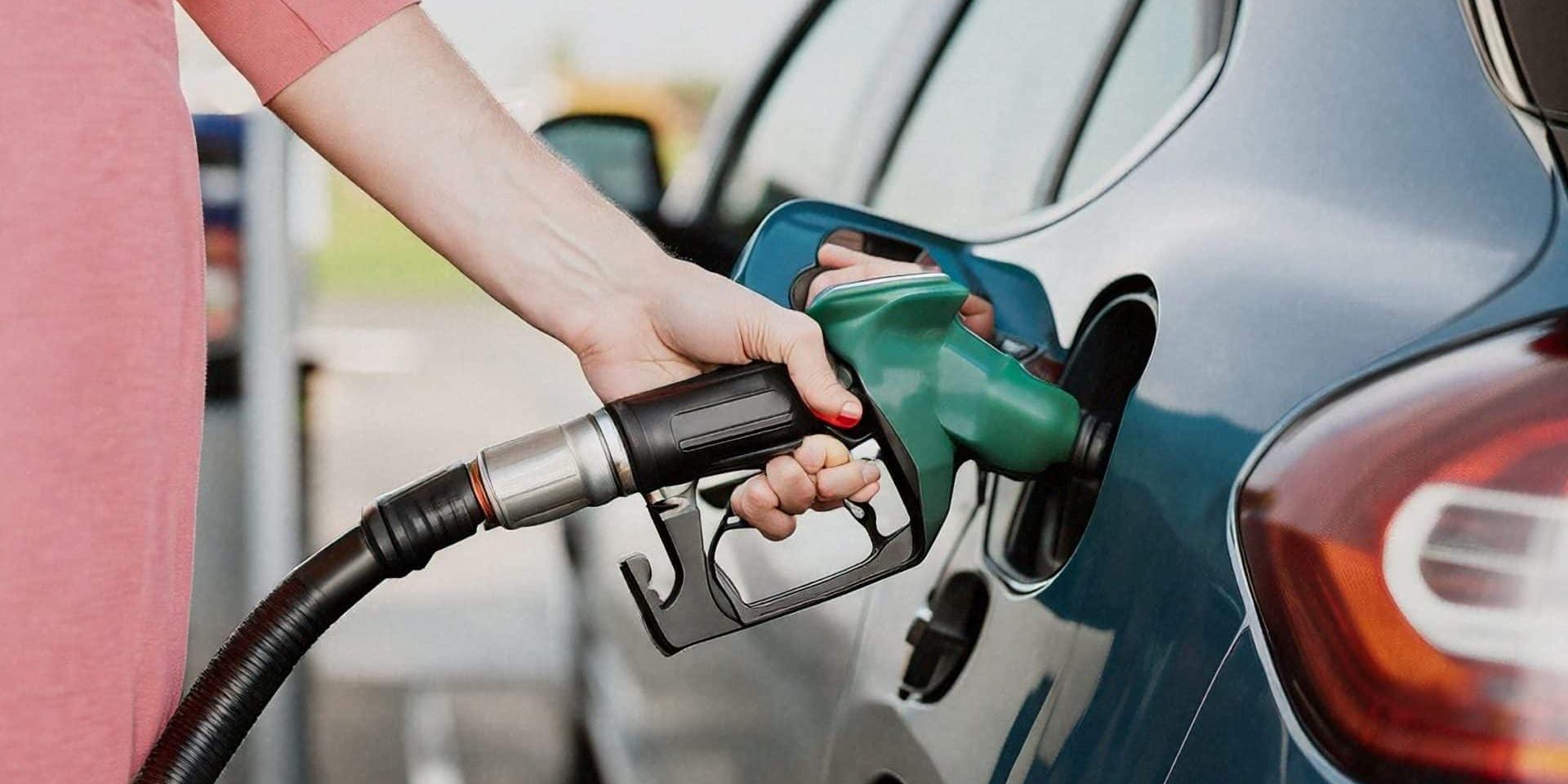
Drivers facing the highest pump prices in more than three years have been handed a tentative piece of good news. According to Treasury sources briefing the FairFuelUK campaign, Chancellor Rachel Reeves is preparing to drop the planned fuel duty rise from her Autumn Budget, a move that would spare motorists a fresh increase at the forecourt this winter. Nothing has been confirmed at the despatch box, and insiders caution that any reprieve is unlikely to survive beyond the March 2027 Financial Statement. For the millions of drivers filling up every week, the detail of when, and by how much, fuel duty changes is worth understanding now, because the temporary cut keeping a lid on prices is already pencilled in to unwind.
Here is what is actually on the table, what it means for the cost of filling up today, and the dates every driver should put in the diary.
The fuel duty freeze that has lasted 16 years
Fuel duty is a flat tax charged on every litre you buy, regardless of the price at the pump. The headline rate is 57.95p a litre, but since March 2022 it has been cut by 5p to 52.95p as an emergency response to soaring prices. On top of that duty, VAT at 20 per cent is added to the total, which means you pay a tax on the tax. The duty has now been frozen in cash terms since 2011, when the then chancellor George Osborne first abandoned a planned rise, and every fiscal event since has kept the freeze in place.
The 5p reduction was always billed as temporary. It has been rolled over at successive Budgets, and the most recent extension keeps it in place until September 2026. That is the cut now under review. The question facing the Chancellor is not whether to add a brand new tax, but whether to let the existing relief expire and whether to bolt an inflation-linked rise on top of it. The reported decision to drop the Autumn hike would deal only with that second part.
How much the Gulf conflict has already added to your tank
The backdrop to all of this is a pump price that has climbed sharply since hostilities flared in the Gulf at the end of February. Brent crude pushed above 85 US dollars a barrel, its highest level since mid 2024, after Iran announced restrictions on shipping through the Strait of Hormuz, the route that carries roughly a fifth of the world’s oil supply. The effect at the forecourt has been brutal. Average unleaded now sits at around 158p a litre, while diesel has been close to 182p and at its peak passed 190p, the most expensive either fuel has been since late 2022.
In hard cash, filling a typical 55 litre tank with petrol now costs about 87 pounds, up by roughly 14 pounds compared with the start of the year. According to figures cited by FairFuelUK, drivers have collectively paid an estimated 3 billion pounds more to fill up since the conflict began, while the Treasury has banked close to an additional 500 million pounds in VAT receipts purely off the back of higher prices. That contrast, a windfall for the Exchequer set against a squeeze on household and small business budgets, is exactly what has put fuel duty back at the top of the Chancellor’s in tray.
The reckoning has only been postponed
Even if the Autumn rise is shelved, drivers should not assume the pressure is gone. Government plans already set out a staggered reversal of the 5p cut between September and December 2026, with fuel duty rates then rising in line with Retail Price Index inflation from April 2027. The Office for Budget Responsibility has pencilled in a 2.2 billion pound uplift in fuel duty receipts in 2027 to 2028 once the cut is fully unwound and indexation resumes. In plain terms, a scrapped Autumn hike buys breathing room rather than a saving. Anyone modelling motoring costs into 2027, particularly tradespeople and rural drivers who cannot cut their mileage, would be wise to assume duty climbs once the temporary relief ends.
The campaign pressure has been considerable. FairFuelUK says more than 71,000 of its supporters have emailed their MPs, and a separate petition gathering over 148,000 signatures is due to be hand delivered to the Treasury. Its founder Howard Cox has called on ministers to “cut all fuel taxes now”. Britain stands almost alone among comparable economies in not having acted. The International Energy Agency lists more than 40 countries that have cut, suspended or capped fuel taxes since the Iran conflict began, with Germany trimming duty by around 14 to 17 euro cents a litre and Spain slashing fuel VAT from 21 to 10 per cent. The UK has so far stuck rigidly to its existing 5p cut and frozen rates.
What it means for you, and how to soften the blow
While the politics play out, the practical advice for drivers is to make the current relief work as hard as possible before any of it unwinds from September. The single biggest saving most people can make is on where they fill up. The gap between the cheapest supermarket forecourts and motorway service areas can be more than 20p a litre, which is over 11 pounds on a single tank. Use the Government backed Fuel Finder scheme and price comparison tools to check the cheapest pumps near you before you set off, rather than filling up wherever you happen to run low. Our guide on how to find the cheapest fuel near you walks through the apps and sites that do the legwork.
Beyond price hunting, the way you drive has a measurable effect on consumption. Keeping tyres correctly inflated, removing roof boxes and unnecessary weight, easing off harsh acceleration and braking, and sticking to steady speeds can cut fuel use by a noticeable margin over a month of journeys. For those with the flexibility, timing a big fill up before the staggered reversal of the 5p cut begins could lock in today’s rate for one more tank. Wholesale costs have also started to ease from their war peak, so retail prices may drift down before duty changes push the other way.
What happens next rests on the Autumn Budget. If the Chancellor confirms at the despatch box that the planned rise has been dropped, drivers will avoid an immediate increase this winter. Even so, the official timetable still points to the 5p cut disappearing in stages from September and an inflation linked rise from spring 2027. The bigger fight over the cost of motoring, as ever, has merely been pushed down the road.
Diesel drivers and those in rural areas have the most to lose if the relief unwinds. Diesel has stayed stubbornly above 1.55 pounds a litre in many regions, and people who live miles from the nearest town cannot simply cut their mileage or switch to public transport. For them a van or estate car is a working tool, and every penny on the duty feeds straight into the cost of running a household or a small business. Drivers weighing up a switch to electric will note that home charging still costs a fraction of a tank of fuel per mile, which is one reason the Treasury expects fuel duty income to fall over the longer term as more people make the move.
Sources:

Leave a Comment
More in News

2027 Jeep Compass Starts at $31,985 With Standard Adaptive Cruise Control

2027 Mazda CX-90 Priced From $39,700 With New Two-Row Model

What You Need to Drive Abroad From the UK (and What It Costs)

Volkswagen ID.Polo review: VW’s found its EV mojo with this classy supermini
Every Driver Saves £4 a Tank if Fuel VAT Drops to 15%, Says RAC
Trending on Motoring Chronicle

Why TfL’s ULEZ Checker Could Charge Tax-Exempt Classic Cars £3,250 a Year

Jeep, Ram and Dodge Owners Have Until Oct. 12 to Claim This Engine Warranty Payout

How Water Pooling in Nearly 94,000 Range Rovers Could Blind the Backup Camera
Is Revving Your Engine Bad?