Rolls-Royce commemorates 150 years since the birth of Charles Sykes
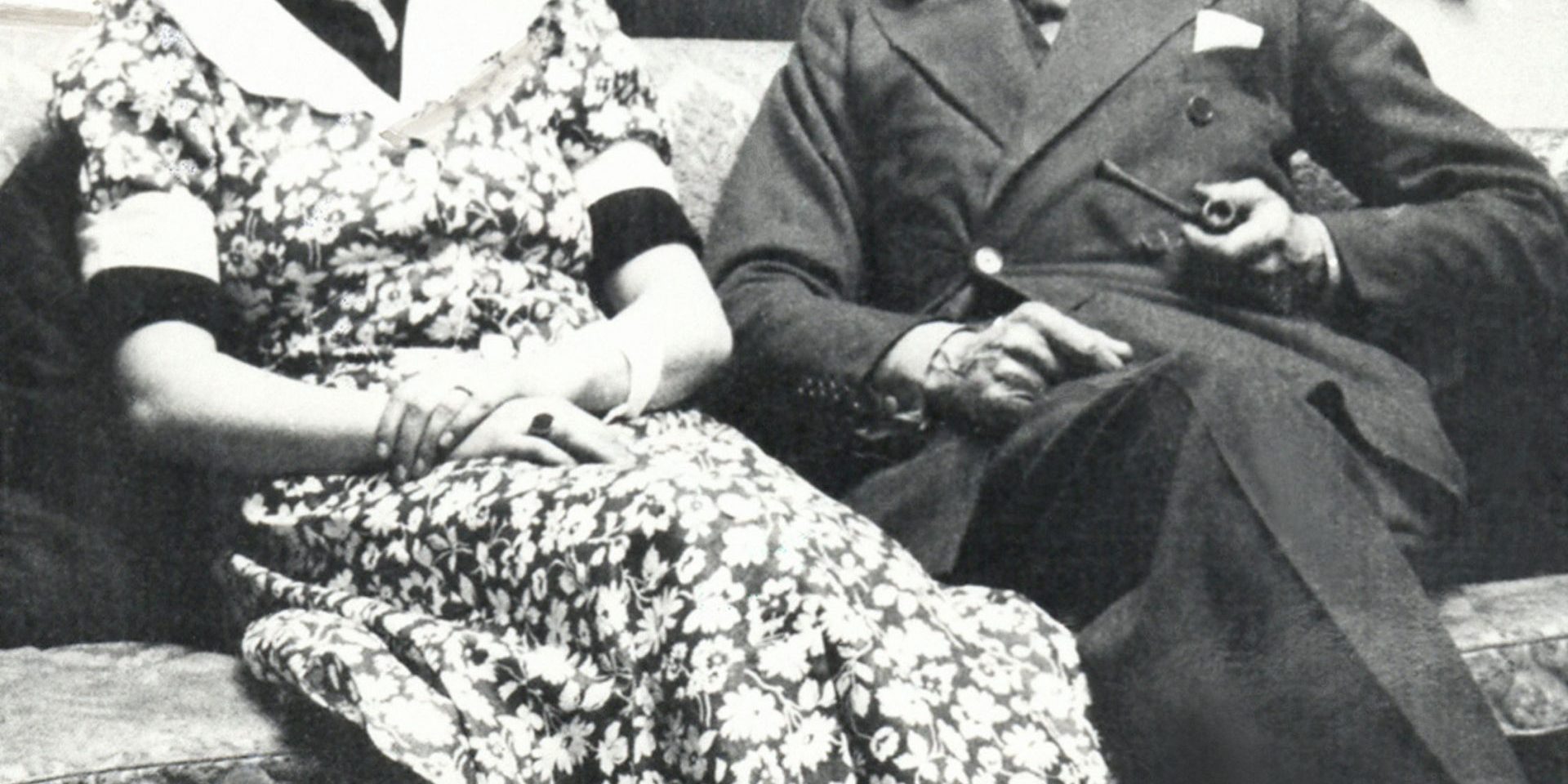
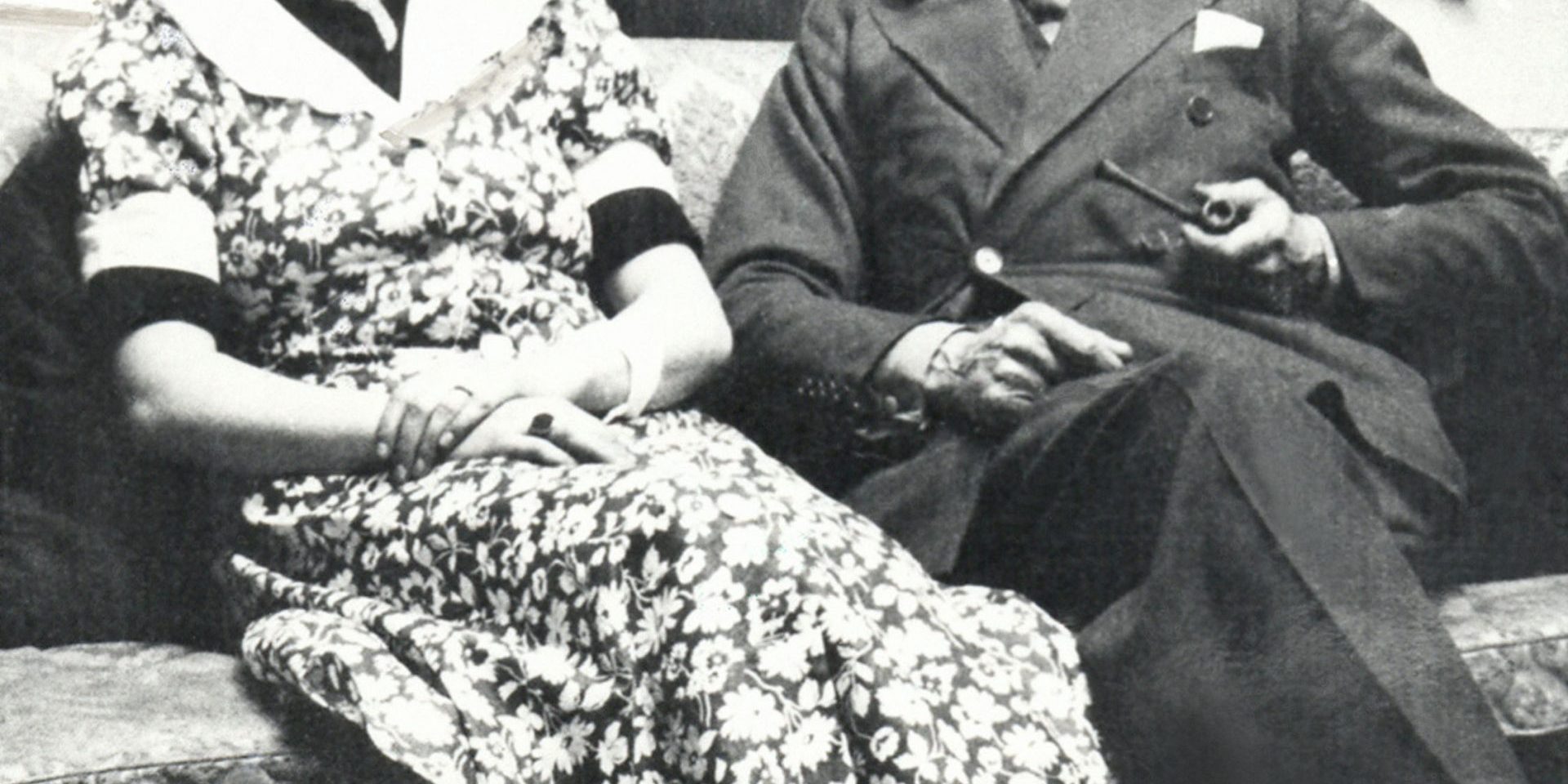
Rolls-Royce Motor Cars celebrates the 150th anniversary of the birth of one of the most important individuals in the marque’s foundation story: Charles Robinson Sykes. A gifted artist, illustrator and sculptor, Sykes was best known for creating the Spirit of Ecstasy mascot, which has gracefully guided Rolls-Royce motor cars since 1911. Today, his work is recognised as the moment artistry and emotional expression first became part of the marque’s identity – a contribution that shaped the creative spirit still evident in every Rolls-Royce motor car.
To commemorate this anniversary, Rolls-Royce explores his life and lasting influence on the marque.
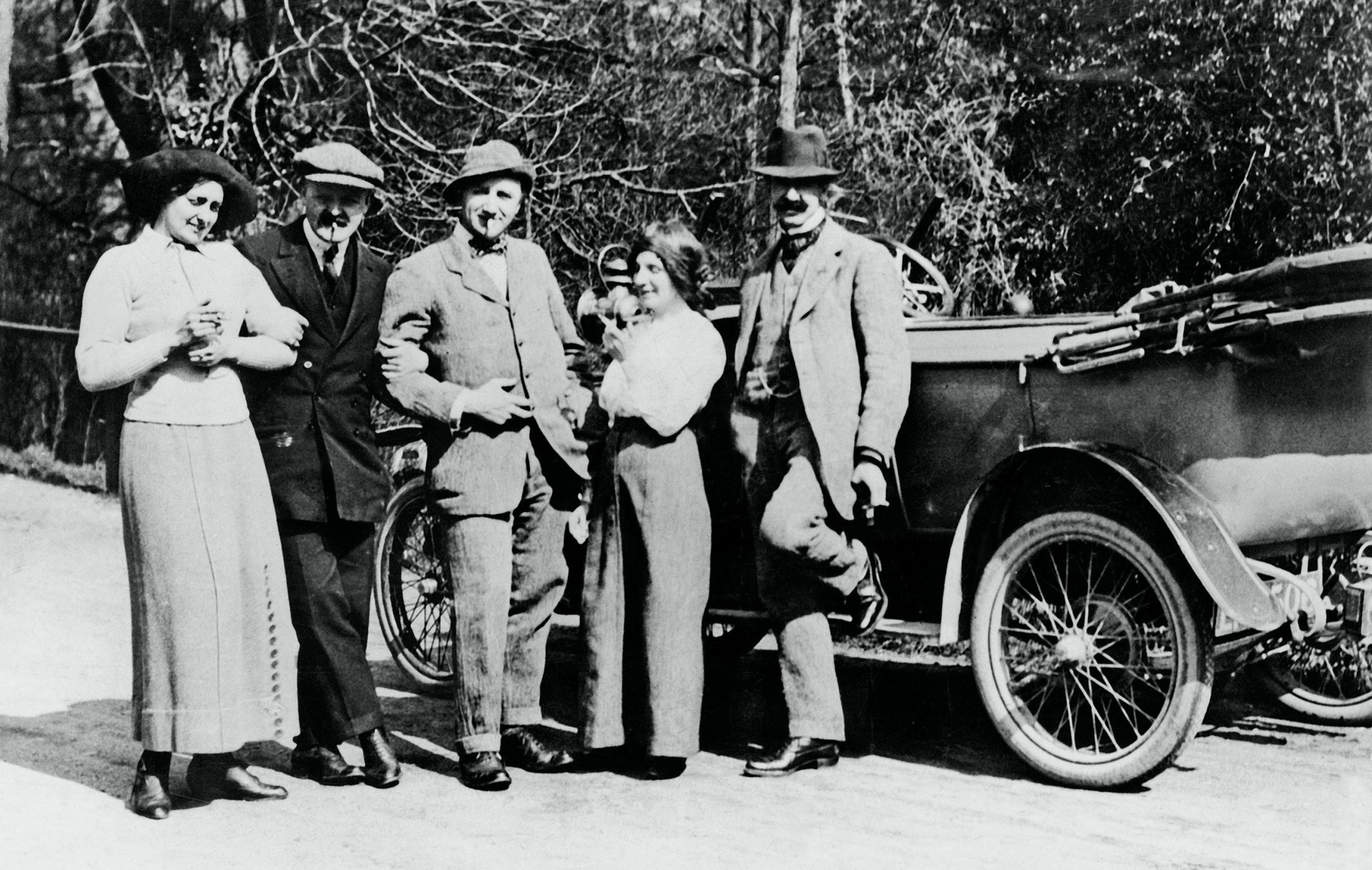
Charles Robinson Sykes was born on 18 December 1875 in Brotton, a mining village near Saltburn, in what is now North Yorkshire, England. Encouraged by his father and uncle, both talented amateur artists, he decided to pursue a professional career, and began his artistic training at Rutherford Art College in Newcastle. In 1898, he won a scholarship to the Royal College of Art in London, where he studied drawing, painting and sculpture. After graduating, he remained in the capital, where he quickly established himself as a multitalented artist.
His skill as a draughtsman is evident in the large collection of his drawings, paintings and cartoons held in the collection of the world-renowned V&A Museum, London. These include beautifully detailed designs for horse-racing trophies, vases and bowls, and atmospheric illustrations for magazine covers and advertisements, produced under the pseudonym ‘Rilette’. His talent for sculpture was formally recognised when his bronze, A Bacchante, was exhibited to considerable acclaim at the Royal Academy of Arts (RA) in London and the Paris Salon.
In 1902, Sykes was commissioned by a magazine publisher to produce some sketches. Unable to pay in cash, the client introduced him to John Montagu, later 2nd Baron Montagu of Beaulieu, who at that time was attempting to launch his own glossy weekly magazine, The Car Illustrated.
With Sykes providing ‘Illustrated’ elements from cover artwork to fashion drawings, the magazine flourished. It was one of the first to print images in full colour, and Sykes took full advantage of the new creative opportunities this offered him. He had a particular interest in Greek mythology, and often introduced classical references into his work.
Sykes’s artwork soon caught the attention of Claude Johnson, known simply as ‘CJ’, the first commercial managing director of Rolls-Royce. He commissioned six original Sykes oils for the company’s 1910-11 Catalogue, depicting Rolls-Royce motor cars arriving at venues and occasions befitting the marque’s aristocratic patrons. These images framed Rolls-Royces not simply as engineering achievements, but as a source of elegance and experience – an early expression of what was to follow. The marque also bought the copyright to other works showing Rolls-Royces driving at dusk, arriving at the top of a steep hill and effortlessly overcoming a snowstorm – real concerns for drivers of the day.
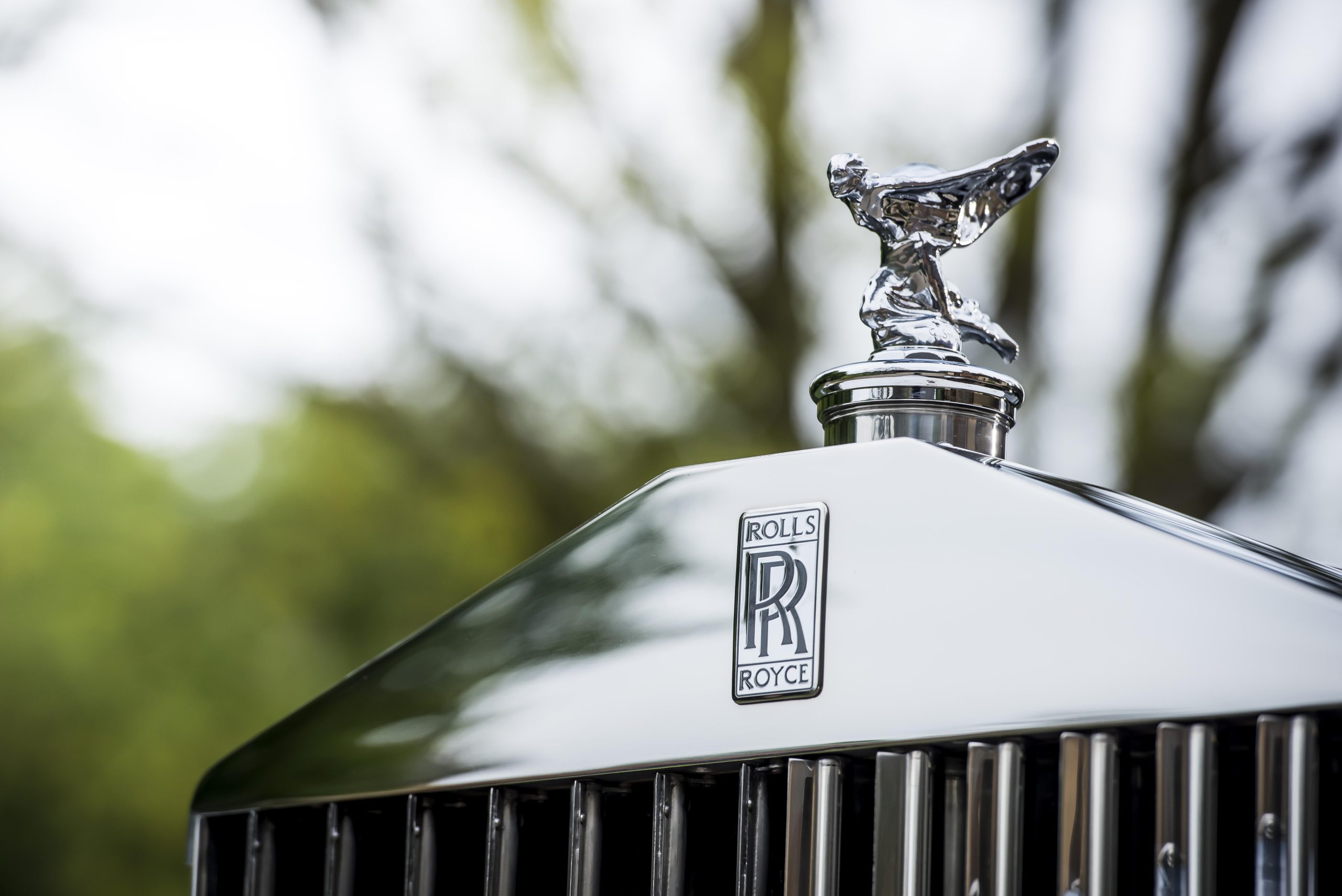
Soon afterwards, Sykes took on what would be his most famous and enduring commission: an official Rolls-Royce mascot. The company described the winged figurine as “a graceful little goddess”, in which Sykes perfectly captured, “the spirit of ecstasy, who has selected road travel as her supreme delight and alighted on the prow of a Rolls-Royce car to revel in the freshness of the air, and the musical sound of her fluttering draperies”. Through this work, Sykes introduced a new dimension to the marque – the idea that a motor car could possess not only technical excellence, but also grace, elegance and serenity.
In creating the figurine, Sykes played a crucial role in establishing Rolls-Royce’s defining characteristics. From the daredevil racing driver, pioneering balloonist and record-breaking aviator Charles Rolls, the marque acquired its spirit of endeavour, always seeking to set new standards for performance, comfort and excellence. And if Rolls was the company’s heart, then Henry Royce – analytical, meticulous, restless, innovative – was its mind; the intellectual foundation of everything it produced.
Sykes was the company’s soul; he brought artistry and creativity to the brand, which finds their expression today in ever more elaborate and ambitious Bespoke and Coachbuild commissions. And through his paintings and the Spirit of Ecstasy, he played a defining role in shaping the mystique and mythology that still surrounds Rolls-Royce to this day.
Charles Sykes died in 1950; though best remembered for his contribution to Rolls-Royce, he enjoyed a long, varied and successful artistic career, leaving a substantial, diverse and delightful body of work that is still highly regarded 150 years after his birth.
Leave a Comment
More in News
The 35th Palm Beach Cavallino Classic concludes with record numbers

2026 Toyota C-HR Puts Sporty, Stylish Spin on the Compact Electric SUV

Nissan Murano named ‘Most Dependable’ Midsize SUV for second consecutive year
2026 Honda Civic Hybrid Wins Edmunds Top Rated 2026 Award

Bring a Trailer’s Online Auction Community Sees Record Growth in 2025
Trending on Motoring Chronicle
Rolls-Royce celebrates floral art in Chelsea with Spectre
A Bugatti like no other: introducing the Brouillard [Photo Gallery]
New Continental GT S and GT Convertible S: Sporting performance and dramatic presence
All-new 2026 Dodge Charger Scat Pack Drops the Hammer With 550 Horsepower [Photo Gallery]