
Only 4 in 100 EV Charging Networks Meet Britain’s Reliability Law
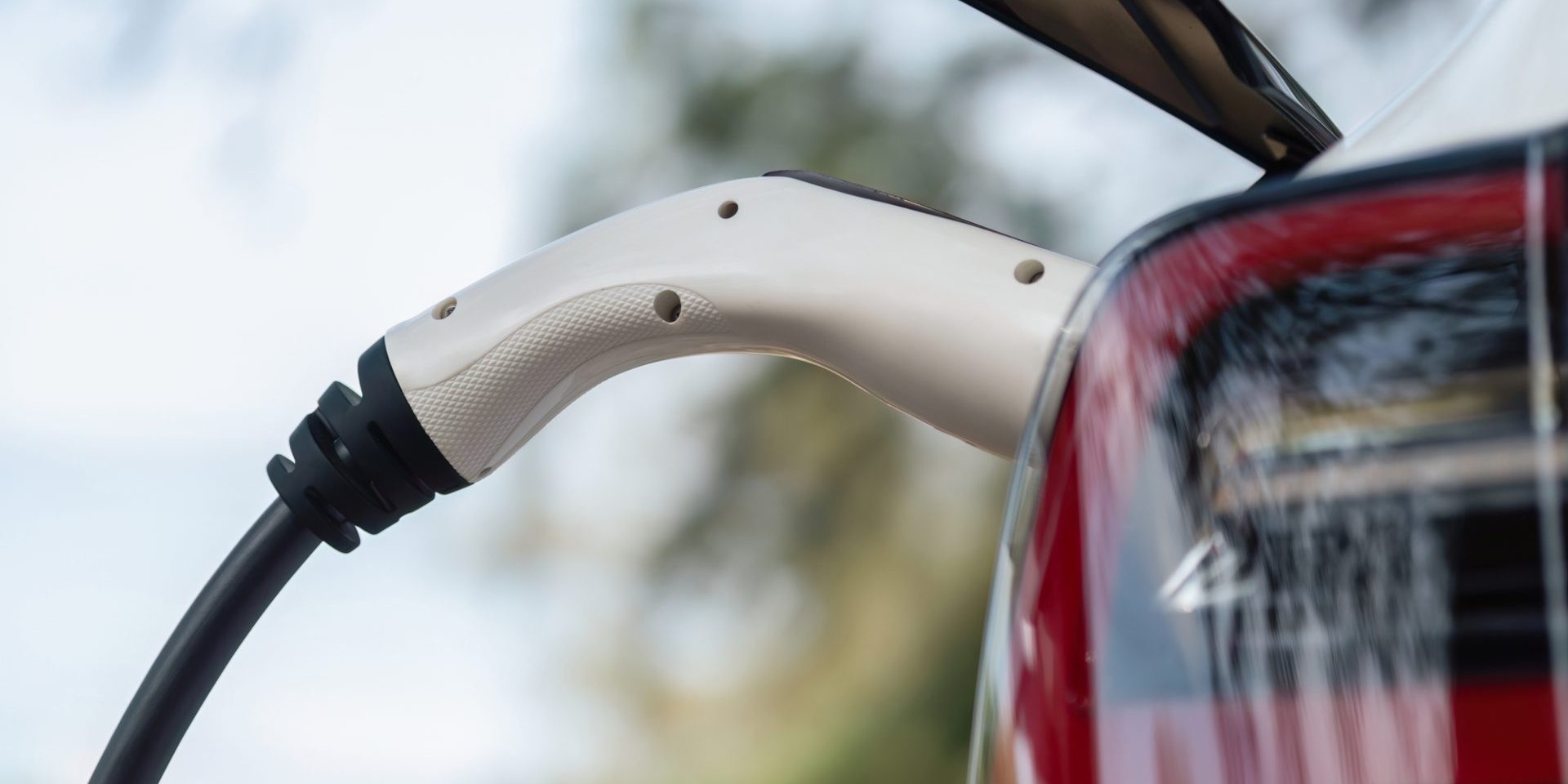

Every rapid public charger in Britain has been legally required to work 99% of the time from November 2024 onward. A survey of more than 200 UK charge point operators carried out in 2025 found that just 3.9% of them actually meet that legal threshold. The other 96.1% are, by the government’s own measure, falling short of a reliability standard that has been enforceable law for close to two years, while drivers who bought an electric car on the promise of a working public charging network keep arriving at chargers that will not charge.
The gap between what the law demands and what turns up on the forecourt has real financial consequences. Electric car owners already pay more per mile to charge on the public rapid network than they would at home, and a failed charging session at a motorway services can mean a longer detour, a longer wait, or a properly stressful drop in range with no fallback plan.
The Law Most Drivers Have Never Heard Of
The Public Charge Point Regulations 2023 came into force on 24 November 2023, with a one-year lead-in period before the headline reliability rule started to bite. From 24 November 2024, every network of rapid and ultra-rapid chargers, meaning 50kW and above, has been required to hit 99% average annual reliability, measured using OCPI 2.2.1 status codes across the whole network rather than charger by charger. A charger only counts as reliable when it shows as available, charging or reserved. Contactless payment has also been mandatory on all new public chargers of 8kW or above from the same date, and a broken payment terminal counts as downtime under the same rules.
The regulations are enforced by the Office for Product Safety and Standards. Operators can face fines of up to £10,000 per charge point for failing the contactless payment requirement, up to £10,000 per network for missing the 99% reliability target, and up to £250,000 for obstructing an investigation or making false statements to enforcement officers. Operators can claim exemptions for vandalism, severe weather or grid failures, but only with documented evidence reviewed by OPSS, not as a blanket excuse.
Where the Compliance Gap Actually Sits
The 2025 survey of UK charge point operator decision-makers, carried out by charging platform Monta, found that while only 3.9% hit the legal 99% bar, 74% reported uptime above 95%, and just over a quarter sat in the 97% to 98.4% range, close to the target but still short of it. Operators pointed to slow maintenance response times as the single biggest barrier to compliance, cited by 45% of respondents, while only 17% said they could access key diagnostic data on demand when a charger failed, and 10% said they rarely or never received diagnostic updates at all.
A separate issue sits underneath the headline uptime figures. Reported uptime measures whether a charger’s status shows as technically available, not whether a driver who plugs in actually gets a charge. Analysis of more than 100,000 charging sessions across 2,400 US chargers by ChargerHelp found networks claiming uptime of 98.7% to 99.9% delivered a real first-time charge success rate of only 71%, meaning close to three in ten charging attempts failed even on chargers the operator’s own dashboard listed as working. Charger performance also degrades over time, with first-time success rates falling from around 85% on newly installed units to below 70% by their third year in service, as software, connector wear and firmware limitations accumulate.
What This Actually Costs Drivers
Rapid and ultra-rapid public charging in the UK carries a per-kWh premium over both home charging and slower on-street options, so drivers relying on the rapid network for longer journeys are already paying more for the convenience of speed. A charger that fails partway through a session, refuses payment, or simply will not start turns that premium into wasted time on top of wasted money, frequently at a motorway services with limited alternative chargers nearby.
There is currently no automatic compensation scheme for a failed public charging session in the way passengers might expect for a delayed train. The regulations focus on forcing operators to be reliable and to publish their performance, rather than on paying drivers back when they are not. That makes the disclosure and complaint routes the regulations do provide important for anyone who relies on public charging.
How to Report a Faulty Charger and Get Your Money Back
Every rapid charging operator is legally required to publish its network reliability data on its own website, so drivers planning a long trip can check a specific operator’s actual recent performance before relying on it rather than trusting a brand name alone. Every charge point must also display a free, 24/7 staffed telephone helpline number, and operators are required to answer and log faults reported through it.
If a charger fails to deliver the charge paid for, the first step is to call that helpline from the charge point itself and get a reference number for the fault before leaving. Most operators will refund a failed transaction directly if asked. If a refund is refused, or a charge was taken without a working session being delivered, drivers have the same chargeback rights as for any other service that was paid for and not provided, and can raise a dispute directly with their card issuer rather than relying on the operator’s goodwill.
Persistent problems with a specific charger or operator, repeated faults, missed reliability figures, or a helpline that goes unanswered, can be reported to the Office for Product Safety and Standards through gov.uk, the body responsible for enforcing the regulations and issuing fines. With fewer than one in 25 operators currently meeting the legal reliability bar, a single complaint will not fix the network on its own, but it adds to the evidence OPSS uses when deciding where to focus enforcement action.
How Britain’s Rules Compare With Other Countries
The UK’s 99% reliability mandate is among the strictest in the world for public charging. In the United States, the federally funded NEVI programme requires only a 97% minimum uptime for chargers built with government money, measured port by port rather than across a whole network, a lower and narrower bar than Britain’s rule. The European Union has no single uptime mandate at all under its Alternative Fuels Infrastructure Regulation, leaving reliability requirements to individual national or local tenders that typically sit between 97% and 99%. Britain is also unusual in explicitly counting payment terminal failures as downtime, closing a loophole some other schemes leave open, where a charger can be judged reliable while nobody can actually pay to use it.
That stricter rulebook makes the current compliance gap harder to justify rather than easier to excuse. Countries such as Norway and the Netherlands, both with far higher rates of electric car ownership than the UK, have built their reputations for dependable charging on dense networks and consistent long-term investment rather than on a single headline law. Britain has chosen the legal route instead, writing reliability into statute with real financial penalties attached. Two years on from that law taking effect, the survey data shows enforcement has not yet caught up with the ambition behind it.
For drivers, the practical lesson is not to wait for that enforcement gap to close before protecting themselves. The tools the regulations already hand to consumers, published reliability figures, a mandatory helpline, and standard card chargeback rights, work today regardless of how quickly OPSS ramps up fines against underperforming networks. Using them consistently, rather than assuming a rapid charger will simply work purely on the strength of the law, remains the most reliable way to avoid being caught out on a long trip.
Sources:

Leave a Comment
More in News
Milton Keynes Council’s Parking Surplus Hit £12.8 Million, Up 42 Percent in Two Years

2027 Kia Sorento Hybrid Gets New X-Line Trim, Starts at $39,090

BMW F 450 RR Supersport Motorcycle Arrives in US from $7,815

One in 12 UK Sellers Would Hide a Costly Fault (and How to Spot One)

2027 Mazda CX-30 Expands to 21 Models With New Homura Plus Grade
Trending on Motoring Chronicle

How to Avoid a £200 Car Air Conditioning Bill This Summer

How Bus Lane Cameras Earned Councils £37.7 Million by Fining UK Drivers This Year
Kia wins seven 2026 Best Cars for the Money Awards from U.S. News & World Report

Jeep Recalls 11,980 Grand Wagoneers Over Software That Can Disable Stability Control
