
Brake Pad Lifespan Explained: From 25,000 Miles to 100,000 Miles and Everything In Between


While the average set of brake pads typically lasts between 25,000 and 70,000 miles, reaching the elusive 100,000-mile mark is entirely possible with the right combination of high-quality materials and smart driving habits. Whether you are driving a hybrid vehicle that utilizes regenerative braking to reduce mechanical wear or a conventional car equipped with long-lasting ceramic pads, the true “secret” to longevity lies in how you treat your pedal. By mastering techniques like engine braking on descents, anticipating traffic to allow for smooth deceleration, and keeping your vehicle free of unnecessary weight, you can dramatically extend the life of your brakes and avoid the “grinding” sounds of an expensive repair bill…
Why the Mileage Range Is So Wide

The gap between a 25,000-mile lifespan and a 100,000-mile one is not down to luck. A driver covering 5,000 miles per year in rural conditions on ceramic pads will still have serviceable material a decade after fitting them, while a city commuter doing 20,000 miles annually on a heavy SUV with organic pads may need replacements every two years. Time matters as much as distance, since brake fluid absorbs moisture and pad material can glaze or corrode when left stationary. The figures on the gauge represent a realistic spectrum, and where your vehicle lands on it depends almost entirely on the variables you can control.
Choosing the Right Compound for Your Driving Style

Standard organic pads suit light urban use well, offering quiet, low-dust performance at the lowest upfront cost, but their 25,000 to 50,000-mile ceiling reflects softer friction material that wears quickly under sustained heat. Semi-metallic compounds add durability and better thermal performance for drivers who cover mixed routes or pull heavier loads, though they generate more dust and can be harder on rotors. Ceramic pads carry the highest purchase price but return the lowest lifetime cost for drivers logging 15,000 or more miles per year, running cooler, quieter, and cleaner than the alternatives. Matching compound to use case is one of the simplest decisions that produces the biggest long-term payoff.
Reading Pad Thickness Before Your Mechanic Has To

A brand-new pad starts life at around 12mm of friction material, and everything above 4mm is considered the comfortable working range. Once a pad drops to 3 or 4mm, you are in the replacement window where a mechanic will recommend immediate action, since braking performance begins to decline well before the material is fully gone. Below 2mm sits the danger zone, where rotor damage becomes a serious risk and emergency stops lose measurable grip. At 1.5mm, many vehicles trigger an automatic MOT failure. Checking pad depth through the wheel spokes during routine tyre inflation checks takes seconds and can save hundreds of pounds in avoidable rotor damage.
Why Front Pads Wear Two to Three Times Faster Than Rears

Vehicle weight transfers forward under braking, loading the front axle with 70 to 80 percent of the total stopping force. The front pads absorb the majority of that energy on every single stop, which is why they typically need replacing twice before the rear pads require attention. Rear pads, managed by a load-sensing proportioning valve, handle a much smaller share of the braking workload and can survive 120,000 to 150,000 miles on some vehicles. Checking all four wheels at each service is worthwhile precisely because this imbalance can catch drivers off guard, with worn fronts and apparently healthy rears creating a false sense of overall brake health.
What Happens to Brake Pads When Temperatures Climb

Brake pads operating between 100 and 300 degrees Celsius are working exactly as intended, with friction coefficients stable and stopping distances predictable. Push temperatures into the 400 to 600-degree band through hard braking or heavy traffic, and wear accelerates sharply as the pad compound begins to break down under sustained thermal load. Exceed 700 degrees on a long descent without engine braking and the brake fluid can begin to boil, creating vapour bubbles in the hydraulic lines that produce a spongy pedal and a dramatic reduction in stopping power, a condition known as brake fade. Keeping temperatures in the normal range through anticipatory driving is one of the most effective ways to extend pad life and maintain safety margins simultaneously.
The Three Factors That Eat Through Brake Pads Early

Driver behaviour sits at the top of the list. Aggressive, late braking generates far more heat per stop than smooth, progressive deceleration, and repeatedly riding the pedal on descents compounds that damage over hours rather than minutes. Environment plays its own role: stop-and-go urban traffic forces constant pad engagement at low speeds, while cold climates can preserve fluid integrity but introduce surface corrosion on pads left stationary for extended periods. Vehicle load matters more than most drivers expect, since towing, heavy roof racks, or even a car consistently loaded with passengers requires more friction energy to slow down, and that extra demand comes directly off the friction material. All three dials move independently, and improving any one of them can add measurable miles to a set of pads.
Using Your Senses to Catch Brake Wear Early

Most vehicles will tell you when the pads are running low long before they reach the danger zone, if you know what to look for. Visually, the wear sensor warning light on the dashboard is the most obvious indicator, but visible thinness through the wheel spokes or uneven wear across axles can signal a problem even earlier. Audibly, a high-pitched squeal while braking is an intentional feature built into metal wear tabs to alert you at the replacement window, while a grinding sound indicates the friction material has gone entirely and metal is contacting metal. Through the pedal, a spongy or sinking sensation suggests thin pads or air in the hydraulic lines, and vibration in the steering wheel under braking often points to rotors that have warped from heat cycles. Each of these signals has a specific cause and a specific fix, and acting on any one of them early protects both safety and your wallet.
The Five-Stage Failure Sequence When Brake Wear Goes Unchecked

Ignored wear begins quietly, with friction material thinning and stopping distances extending by amounts too small to feel on a single trip. By step two, the backing plate is making direct contact with the rotor, generating a grinding sound and scoring the rotor surface with each stop. Step three triggers thermal breakdown, where sustained metal-on-metal friction drives rotor temperatures above 700 degrees, boiling brake fluid and causing brake fade at the worst possible moments. Metal shavings introduced into the fluid during step four contaminate the entire hydraulic system, destroying caliper seals and risking a seized caliper that causes persistent, uneven braking. Step five is total system failure, with rotors gouged beyond resurfacing and a repair bill that can reach four to five times the cost of simply replacing the pads at the right time.
What Waiting Too Long Actually Costs You

A standard front pad replacement, including parts and one to two hours of labour, sits between £150 and £350 at most garages, with independent workshops typically coming in 30 to 40 percent below main dealer pricing for identical components. Let worn pads grind into the rotors and that figure doubles immediately, since rotors now require replacement at £100 to £250 per axle on top of the pad cost. The reactive scenario shown here reflects a common pattern: a driver who ignores a squeal for two or three months, assumes it will go away, and ends up facing a £200 to £500 bill for work that would have cost half as much a few weeks earlier. The financial case for early action is straightforward and consistent.
How Regenerative Braking Gives Hybrid Owners an Enormous Advantage

In a hybrid or electric vehicle, slowing down is handled primarily by the electric motors running in reverse, converting kinetic energy back into electricity and storing it in the battery rather than dissipating it as heat through the pads. The mechanical friction brakes only engage for harder stops or at very low speeds, which means they operate at a fraction of the frequency and temperature experienced by conventional systems. Hybrid brake pads routinely achieve 70,000 to 100,000 miles before replacement is needed, and drivers who are particularly smooth with the accelerator can push a single set past 150,000 miles. The pads can actually corrode from disuse before they wear out, making visual inspection and occasional firm stops part of routine hybrid brake maintenance.
The Supporting Systems That Determine How Long Your Pads Survive

Brake fluid should be replaced every two years regardless of mileage, since it absorbs moisture from the atmosphere over time, lowering the boiling point and forcing the pads to work harder under heat stress to compensate for reduced hydraulic efficiency. Wheel alignment checks matter because a misaligned axle causes pads to press unevenly against the rotor surface, accelerating wear on one side while leaving the other largely intact. Tyre pressure deserves attention too, since underinflated tyres increase rolling resistance and raise the overall demand placed on the braking system at every stop. Clean wheels also contribute, as accumulated brake dust and rotor rust reduce the effective contact area between pad and rotor. Each of these factors operates quietly in the background, and all of them are inexpensive to address compared to the cost of replacing pads or rotors early.
The Driving Behaviours That Separate Long-Lasting Pads from Short-Lived Ones

The difference between a set of pads that lasts 40,000 miles and one that reaches 100,000 miles often comes down to a small number of repeatable habits. Coasting early to anticipate traffic stops rather than braking hard at the last moment is the single most effective technique, spreading deceleration over a longer distance and keeping temperatures low. Using engine braking on downhill sections removes the most heat-intensive braking situations entirely, with downshifting doing the work the pads would otherwise absorb. Removing unnecessary weight from the boot and roof reduces the stopping mass the pads must manage on every journey. Checking pad condition annually for urban drivers, or every 18 to 24 months for those mainly on motorways, means problems are caught in the replacement window rather than the danger zone. None of these changes require significant effort, but each one adds measurable life to the pads and keeps the associated costs firmly at the lower end of the scale.
The Essential Guide to Brake Pad Longevity


Leave a Comment
More in News

How Long Should Brake Pads Last?

Wayve, Uber and Nissan announce collaboration on Robotaxis

Uber and Motional Launch Robotaxi Service in Las Vegas
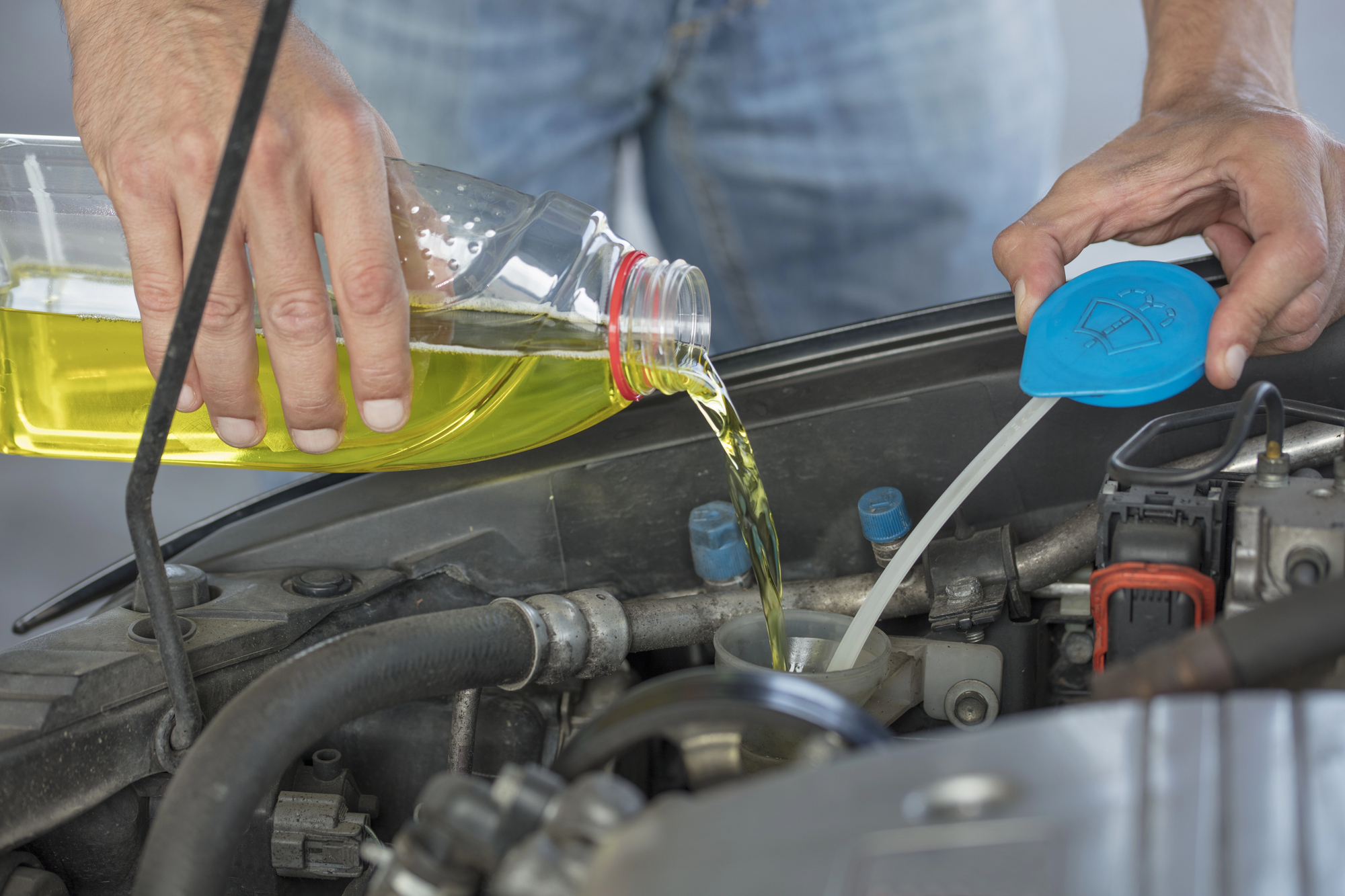
How to Check All Your Car’s Fluids in Under 10 Minutes
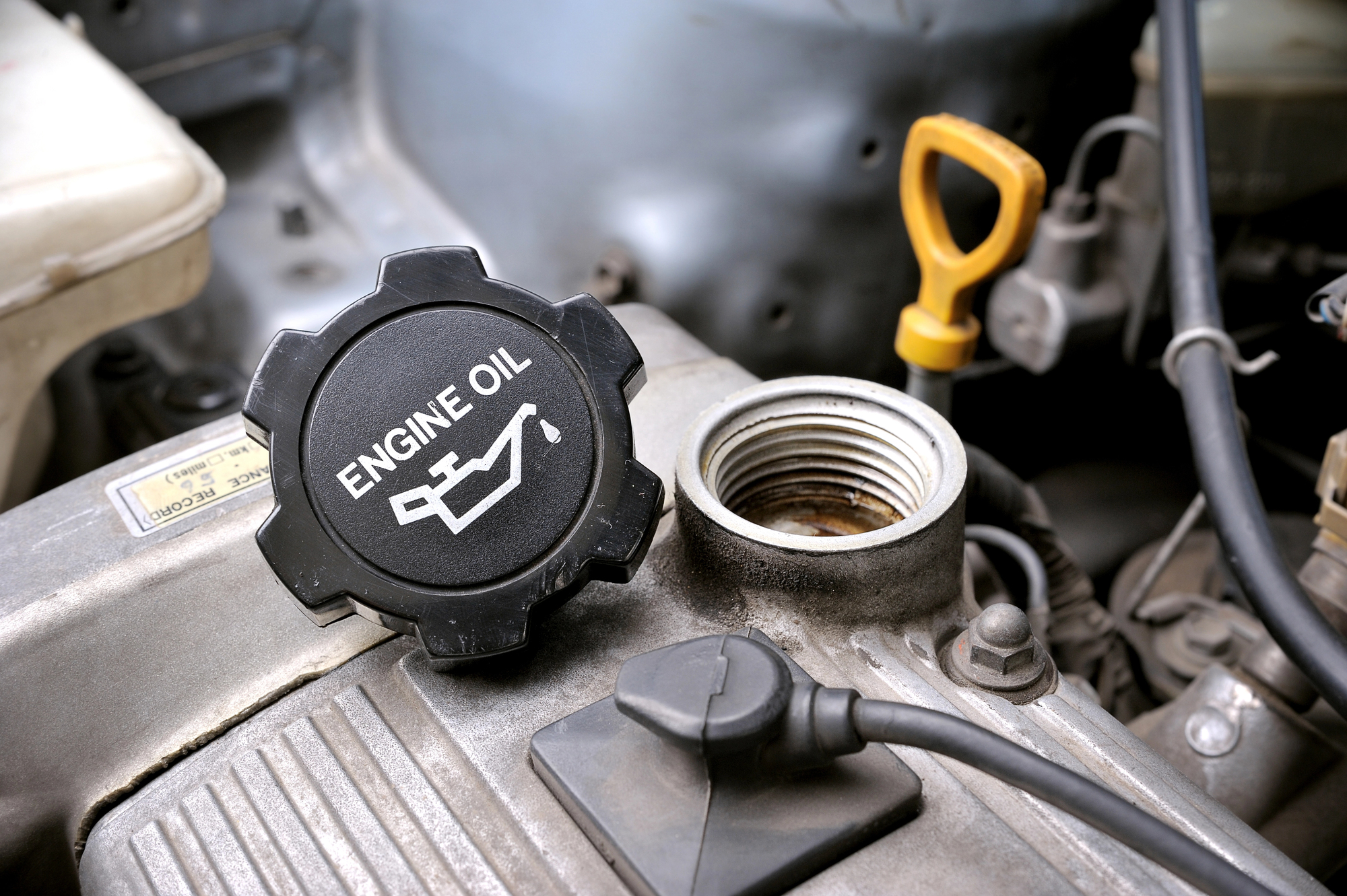
8 Reasons Why Your Engine Oil Turns Black So Fast
Trending on Motoring Chronicle

Ryan Blaney Wins Phoenix to Complete Penske’s Weekend Sweep

Phantom Goldfinger makes public debut at Concorso d’Eleganza Villa d’Este [Photo Gallery]

Audi A5, S3 earn 2026 MotorWeek Drivers’ Choice Awards for Best Luxury Car, Best Sport Sedan

Introducing the all-new 2027 Kia Telluride: first-ever hybrid, increased X-Pro capability elevate the three-row SUV
