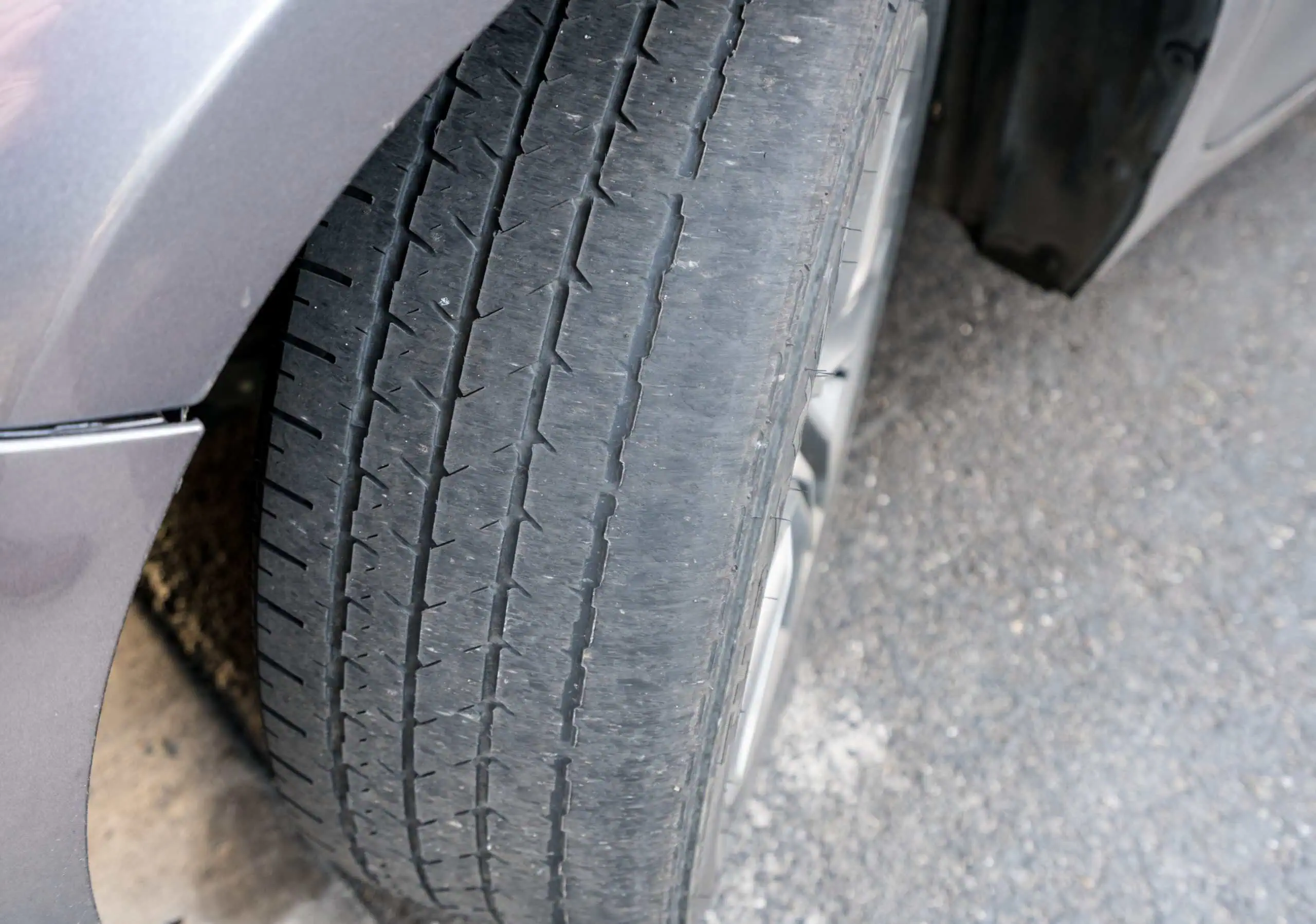
Bexar County Drivers Must Now Pass an $18.50 Emissions Test Before Renewing Registration


- Starting Nov. 1, gasoline vehicles 2 to 24 years old registered in Bexar County must pass an emissions inspection before the registration can be renewed.
- The inspection costs up to $18.50 at the station plus $2.75 paid to the state at renewal, and a lit check engine light is an automatic fail.
- The state kept the Nov. 1 start date, and the test is only due when your renewal comes due.
Your Dashboard Light Now Decides Whether You Can Renew
San Antonio drivers who glance at the dashboard and see an amber engine symbol have a bigger problem than they had last month. Under Texas House Bill 3297 from the 88th Legislature, every gasoline vehicle between 2 and 24 years old registered in Bexar County needs a passing emissions inspection before the Texas Department of Motor Vehicles (TxDMV) will process an initial registration or a renewal. The requirement took effect Nov. 1, 2026, and about 1.3 million registered vehicle owners in the county fall under it.
The cost is small on paper. Stations can charge no more than $18.50 for the on-board diagnostics (OBD) inspection, and TxDMV collects another $2.75 emissions inspection fee when you renew. That adds up to $21.25 in test charges. The real exposure sits underneath the fee: a vehicle with an illuminated check engine light fails on the spot, and the registration stays frozen until the fault is repaired and the car passes a retest.
The test is not due all at once. TxDMV told county tax offices on Oct. 9 that an emissions test is not required until the vehicle’s registration comes due for renewal. Owners can renew up to 90 days before expiration, and the inspection has to be completed inside that same 90-day window. A driver whose sticker expires in March will not need a test in November.
Who Is Covered and Who Is Not
The Texas Commission on Environmental Quality (TCEQ) defines the covered group as gasoline vehicles model year 2 through 24 years old, inspected annually beginning with the vehicle’s second anniversary. Vehicles from model year 1996 and newer get the OBD inspection, which reads the car’s onboard diagnostics system. TCEQ lists electric vehicles, diesel vehicles, motorcycles and mopeds as not required to inspect, and TxDMV adds that classic cars remain exempt under the statute. Waivers and time extensions are available to eligible owners, and TCEQ points drivers to its affidavit, waivers and extensions page for the terms.
The program exists to meet federal air quality standards. Bexar County joins 17 other Texas counties with mandatory emissions testing. Collin, Dallas, Denton, Harris and Tarrant started on May 1, 2002. Brazoria, Ellis, Fort Bend, Galveston, Johnson, Kaufman, Montgomery, Parker and Rockwall followed on May 1, 2003. Travis and Williamson began on Sept. 1, 2005, and El Paso on Jan. 1, 2007.
Texas ended its statewide safety inspection for non-commercial vehicles on Jan. 1, 2025. The Bexar County emissions test is now the only inspection required for a passenger vehicle in the county.
What the Test Checks and What a Failure Costs
The inspection measures the vehicle’s level of gases and checks the catalytic converter, the evaporative emissions control system, the gas cap and the check engine light. Brandon Wurz, owner of MotorPool Auto Repair in San Antonio, tells drivers to deal with the light before the rule bites. “It could be as simple as the sensor’s out,” Wurz said, and he notes that a lit light does not always mean a costly repair.
Sometimes it does. San Antonio driver Veatrice Cook is saving for repairs on both of her older vehicles ahead of their renewals next year. She puts a sensor job at about $2,000 and the larger work at $3,500 or more, with no way to know what else a shop will find. Against a $21.25 test, a $2,000 sensor repair is about 94 times the price of the inspection itself, and the $3,500 job pushes the bill to $3,521.25 once the test and state fee are added. Nanette Neugar, owner of O’Brien’s Automotive, says customers with older vehicles are already asking what they need to do to pass, and local repair shops are preparing as if the requirement starts on schedule.
The gas cap and the evaporative emissions control system are on the same checklist, so a repair estimate is worth requesting before the test rather than after a failure. A code scan at a shop shows what the inspection will read from the car’s computer before you pay the $18.50.
The Pause That Never Came
The date nearly looked shaky. Early in October, word spread that a federal stay had put the Nov. 1 start on hold. Two San Antonio area elected leaders were working to stop or pause the requirement, and on Oct. 21 a TCEQ spokesperson said the agency was evaluating next steps. No state or federal agency announced a halt.
The state’s own paperwork never changed. TxDMV’s Oct. 9 bulletin to county tax offices, signed by Annette Quintero, director of its Vehicle Titles and Registration Division, set Nov. 1, 2026 as the effective date, and TCEQ’s pages carried the same date. On Oct. 27 the Bexar County Tax Assessor-Collector’s office addressed the rumor directly. “State required emissions tests for vehicle registrations will still be required beginning November 1st,” said Albert Uresti, Bexar County tax assessor-collector, who called the reports of a hold “not correct.”
The same office offered one last way around the test. Registrations due in October, November or December of 2026 could be renewed without an emissions test if the owner finished by Saturday, Oct. 31. That window has closed. Uresti’s office also noted that the county keeps none of the $18.50 test fee, which goes to the inspection station.
What to Do Before Your Renewal Date
Check your renewal date first. It sets your deadline. The 90-day window before expiration is the only period in which a test counts, so a driver with a March expiration should plan the inspection for December through March. Start earlier if the check engine light is on, as a repair and a retest come before the renewal.
Next, have a shop scan the car. A clean read means the light is off and the inspection should proceed. Then find a certified station through the Texas Department of Public Safety (DPS) emissions inspection station locator at dps.texas.gov. TxDMV set Nov. 1 as the day Bexar County stations begin offering the test. For repairs, DPS also publishes a locator for Recognized Emissions Repair Facilities.
After a passing result, the renewal runs three ways: online through the Texas by Texas (TxT) mobile app or the TxDMV website, by mail with payment and documents sent to the Bexar County tax office, or in person at the tax office or an approved substation. TxDMV’s Oct. 9 bulletin lists three registration fee lines for Bexar County: a $2.75 emissions inspection fee, a $7.50 annual Inspection Replacement Fee, and a $16.75 Inspection Replacement Fee for a new vehicle. A driver who cannot pass should ask TCEQ about waivers and extensions rather than let the registration lapse.
An owner whose renewal notice carries the remark “TCEQ – EMISSIONS PRGM NON-COMPLIANCE” cannot renew until the problem is resolved. TCEQ’s Registration Denial Hotline is 1-888-295-0141. Bexar County tax office questions go to 210-335-2251.
How Bexar Compares With Dallas, Houston, Austin and El Paso
Bexar County matches the top of the state’s fee range. Inspection stations in the Houston-Galveston-Brazoria and Dallas-Fort Worth areas also charge up to $18.50. Austin-Round Rock, covering Travis and Williamson counties, and El Paso cap the same test at $11.50, a $7.00 difference. Houston and Dallas drivers have lived with the test from 2002, and Bexar County follows the same vehicle age range and test method.
Texas moved to “Two Steps, One Sticker” on March 1, 2015, so the inspection and the registration are tied together. A car must pass first, and only then can the owner renew and get the sticker. Bexar County drivers now follow the same order.
Drivers who want the lead-up can read the earlier guide on getting ready for emissions testing.
The state dropped its safety inspection in 2025 but kept emissions testing, and what changing emissions test rules mean for Texas drivers is covered in a separate explainer.
The breakdown of what the new test costs lays out the fee math.
Want more car content? Add us as a preferred source on Google to your favourites list for the best automotive news and analysis on the internet.
If you enjoyed this article, be sure to follow us on Microsoft Start.

Leave a Comment
More in News

What Penalty Points Stay on Your Licence for 4 Years and Which Last 11

Knoxville School Zone Cameras Mail Warnings From Nov. 16, Then $50 Fines
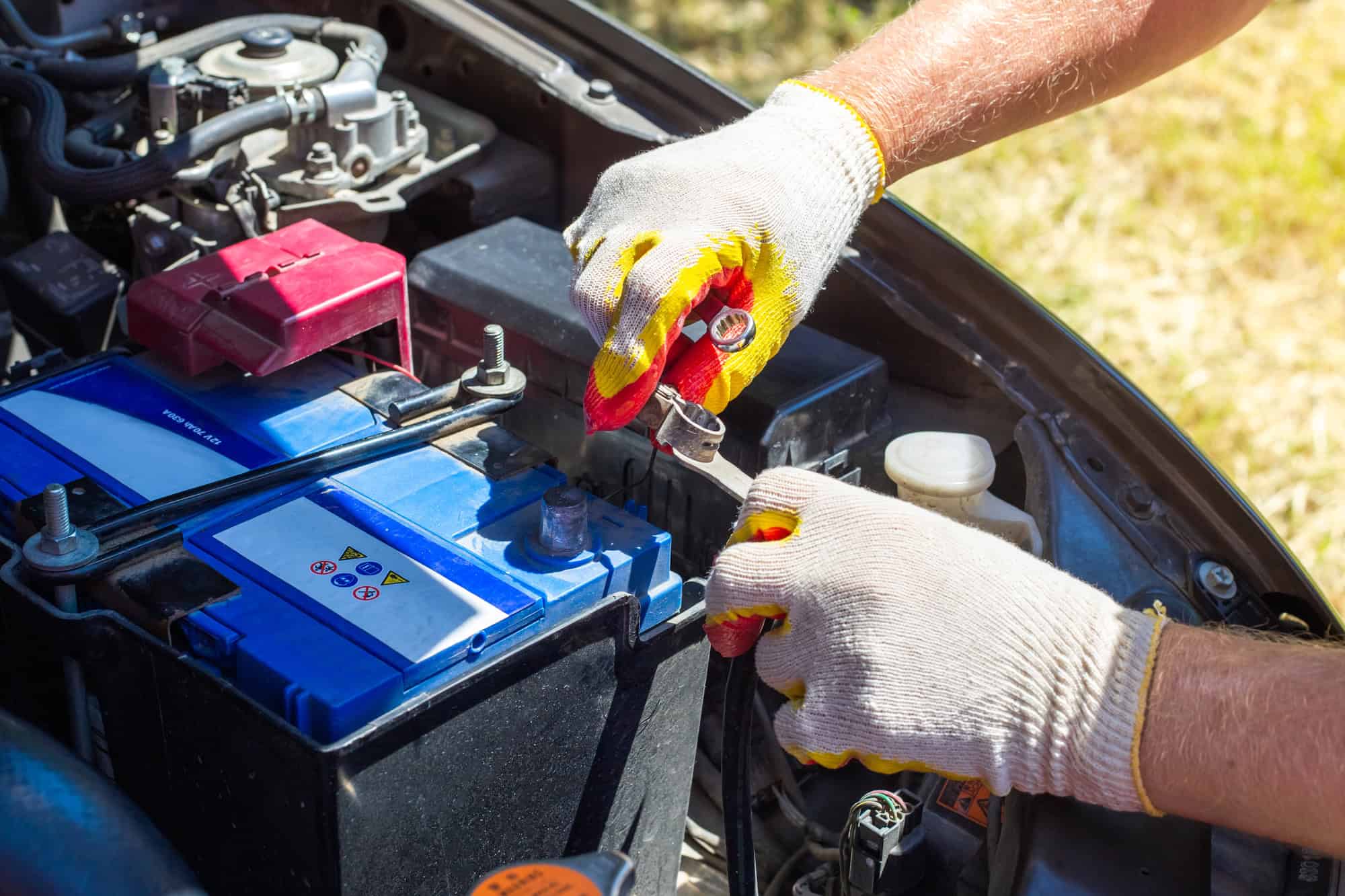
A Third of Recalled Vehicles Stay Unrepaired, NHTSA Wants Your Comments by Dec. 5

Lincoln Recalls 11,623 Nautilus and Corsair Hybrids That Can Shift Into Neutral While Driving
Every Missed Dart Charge Can Cost £70 and National Highways Issued 2.4 Million Fines
Trending on Motoring Chronicle

BMW Adds M340i and M440i Black Editions for Summer 2026 From £66,475

BMW Recalls Thousands of 5, 7 and X Series Models Over a Brake Defect

Can You Drive Away After a Failed MOT? The Rule That Decides It
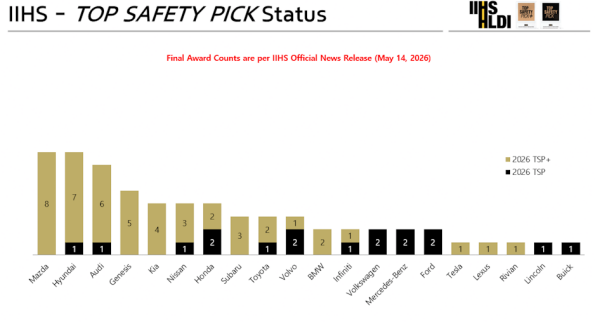
Top Marks: 2026 Hyundai Palisade Earns IIHS Top Safety Pick+ Under Tougher New Test Rules