
Why Thousands of Classic Car Owners Pay DVLA Up to £375 in Needless Tax
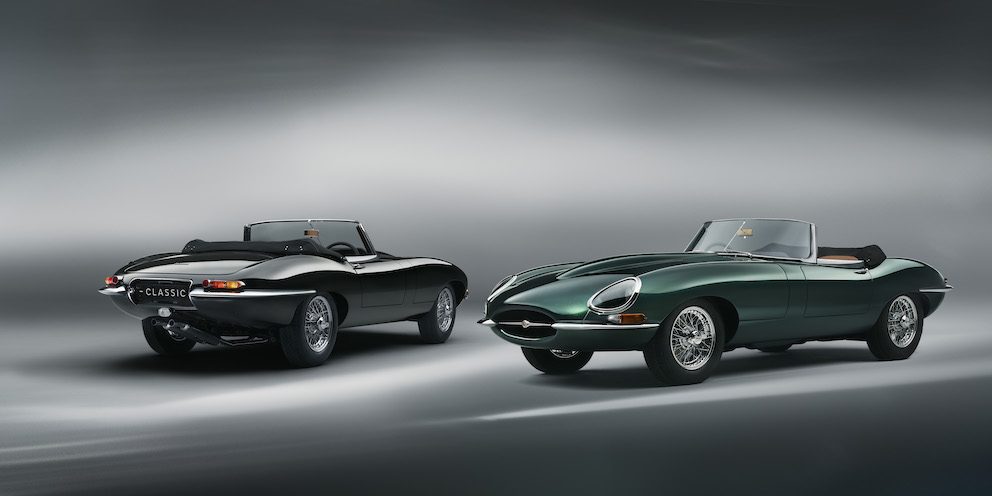

- DVLA records show 23,909 cars built in 1984 and 1985 are still registered as taxed. Every one of them qualified for free historic vehicle tax status from 1 April 2026 under the rolling 40 year rule, and their owners have not claimed it.
- Owners who have not switched are paying up to £375 a year for nothing, according to research by Heritage Car Insurance, a bill that adds up to roughly £9 million paid needlessly across the whole group.
- The fix costs nothing and takes a short visit to a Post Office or an online form to the DVLA, but the exemption is not automatic and has to be claimed.
The Tax Bill Thousands of Owners Do Not Need to Pay
Every year a car passes its 40th birthday, the DVLA allows its owner to stop paying Vehicle Excise Duty altogether. The rule rolls forward automatically on the calendar, not on request, which means that on 1 April 2026 every car first registered before 1 January 1986 became eligible for historic vehicle status and a permanent road tax exemption. New DVLA data obtained by Heritage Car Insurance shows that 23,909 of those cars are still sitting on the taxed list. Their owners are paying full Vehicle Excise Duty on cars the law says they do not have to pay a penny for.
Of those 23,909 cars, 18,040 were built in 1985 and 5,869 in 1984. The list includes 8,303 vehicles among the ten most popular cars registered in Britain in the 1980s, among them 932 Ford Escort RS Turbos and 1,032 Austin Minis still paying tax they could have cancelled with a short form. These are not rare garage queens forgotten at the back of a barn. Many are daily drivers, weekend cars and project vehicles owned by people who have simply never been told the exemption exists, or who assumed the DVLA would apply it for them.
What It Is Actually Costing Owners
The amount at stake depends on engine size: the DVLA still taxes pre-2001 cars under the old two tier system rather than the CO2 bands applied to newer vehicles. Owners of cars with an engine over 1,549cc are paying up to £375 a year. Owners of smaller engined cars are paying £230 a year. Across the full group of 23,909 vehicles, Heritage Car Insurance puts the combined unnecessary spending at around £9 million a year, money that simply disappears into the Treasury’s general motoring tax take rather than funding anything specific to classic vehicles.
Spread over several years of ownership, the numbers become harder to ignore. An owner of a 1985 Ford Escort RS Turbo with the bigger engine who has missed the exemption from April 2026 is already more than a year into paying £375 annually for a car that should cost nothing to tax. Run that forward five years and the owner has handed the DVLA close to £1,875 for a car the law never asked them to pay for in the first place.
Why the Exemption Does Not Apply Itself
The rolling 40 year rule is well established among enthusiasts but poorly understood by everyone else, and that gap is exactly where this £9 million is being lost. A car becoming eligible for historic status is not the same as a car receiving it. The DVLA does not automatically reclassify a vehicle once it crosses the 40 year threshold. The owner has to apply, and until that application is made and approved, the car stays on the standard taxed register, continuing to generate a renewal reminder and a bill every six or twelve months exactly as it did the day before the exemption began.
This catches out two very different groups of owners. The first are people who bought an older car recently, for a project or as a first classic, and have never taxed anything other than a modern vehicle, so the idea of an age based exemption has never come up. The second, often the larger group, are long term owners who taxed the car years ago under the old rules, before it reached 40 years old, and have simply kept renewing out of habit without checking whether their circumstances changed. A direct debit renews itself every month regardless of whether the underlying exemption has quietly become available.
How to Check and Claim It, Step by Step
Working out whether a car qualifies takes a minute. Any vehicle built before 1 January 1986 qualifies for historic status from 1 April 2026, and the cut off date moves forward by one year every spring, so a car built in 1986 will qualify from April 2027. The build date recorded on the car’s V5C registration certificate is what counts, not simply the year on the number plate, so owners of cars with an age related or reissued plate should check the certificate rather than guess from the registration.
Claiming the exemption involves telling the DVLA the car should be reclassified as historic, which can be done when the current tax is due for renewal, either online through the DVLA’s vehicle tax service or in person at a Post Office that handles vehicle tax. Mark Wilkinson, managing director of Heritage Car Insurance, has described the process as little more than a short trip to the Post Office. There is no fee to apply and no fee to keep the exemption going each year afterwards. Owners do still need to renew the tax disc status annually, selecting the historic vehicle tax class rather than paying the standard rate, and they must keep valid insurance in place. The exemption removes the tax bill, not the legal requirement to insure the car.
One complication worth checking in advance: an MOT exemption follows a similar but separate 40 year rule, and some owners wrongly assume that tax exemption and MOT exemption always arrive together. A car can be tax exempt while its owner still chooses, or is required, to keep it on a current MOT, especially if it has been substantially modified. Checking both statuses separately avoids an unpleasant surprise at a roadside check.
A Market Where These Cars Are Only Getting More Valuable
The irony is that many owners quietly overpaying DVLA are sitting on cars the classic market is currently chasing. Hagerty’s 2026 Bull Market List, published in January, tracks ten cars its analysts expect to hold or gain value over the next year, and hot hatches and affordable performance cars from the 1980s and 1990s feature heavily in that kind of analysis. A Volkswagen Golf GTI Mk2 from the same era as many of these taxed-but-exempt cars is valued by Hagerty at around £15,300, while rarer performance models from the decade, including Ford’s RS badged cars, regularly command strong money at auction when properly documented. An owner who has never claimed the tax exemption on a car like this is often the same owner who has never had it valued properly either, and both are costing them money for no reason.
None of this requires an owner to sell, restore or even drive the car differently. It is simply a matter of updating a classification with the DVLA that the car already legally qualifies for. For anyone who owns, or is buying, a car built before January 1986, the file to check this week is the V5C, not the auction price guide.
What to Do This Week
Check the build date on the car’s V5C registration certificate. If it shows a date before 1 January 1986, the car qualifies for historic vehicle tax status now. Apply for the reclassification at the next tax renewal, either through the DVLA’s online vehicle tax service or at a Post Office branch that processes vehicle tax, selecting the historic vehicle tax class rather than renewing at the standard rate. Keep insurance current throughout. The exemption applies only to Vehicle Excise Duty, not to any other legal requirement. Anyone unsure of a build year can also check the DVLA’s own vehicle enquiry service using the registration number, which will confirm the date first used and the current tax status. For a car built in 1985, doing this now stops a bill that should already have stopped in April. For one built in 1986, it is worth marking April 2027 in the diary: the same £230 to £375 saving becomes available exactly one year from now.
Sources:

Leave a Comment
More in News
What the Traffic Penalty Tribunal’s 33 Percent Success Rate Means for Every Driver
Learners Wait 21.5 Weeks for a Test as DVSA Misses Its 7 Week Target
Milton Keynes Council’s Parking Surplus Hit £12.8 Million, Up 42 Percent in Two Years

Every Driver Risks a Cloned Plate Fine as DVLA Complaints Hit a Record 11,402

2027 Kia Sorento Hybrid Gets New X-Line Trim, Starts at $39,090
Trending on Motoring Chronicle

Mazda CX-6e Priced From £42,990 With Up to 300 Miles of Electric Range
What the July Price Cap Rise Means for Charging Your Electric Car at Home

A Lamborghini gateway to Courchevel [Photo Gallery]

Young Drivers Make Up 7% Of Licence Holders But Nearly 20% Of Those Killed Or Seriously Injured
