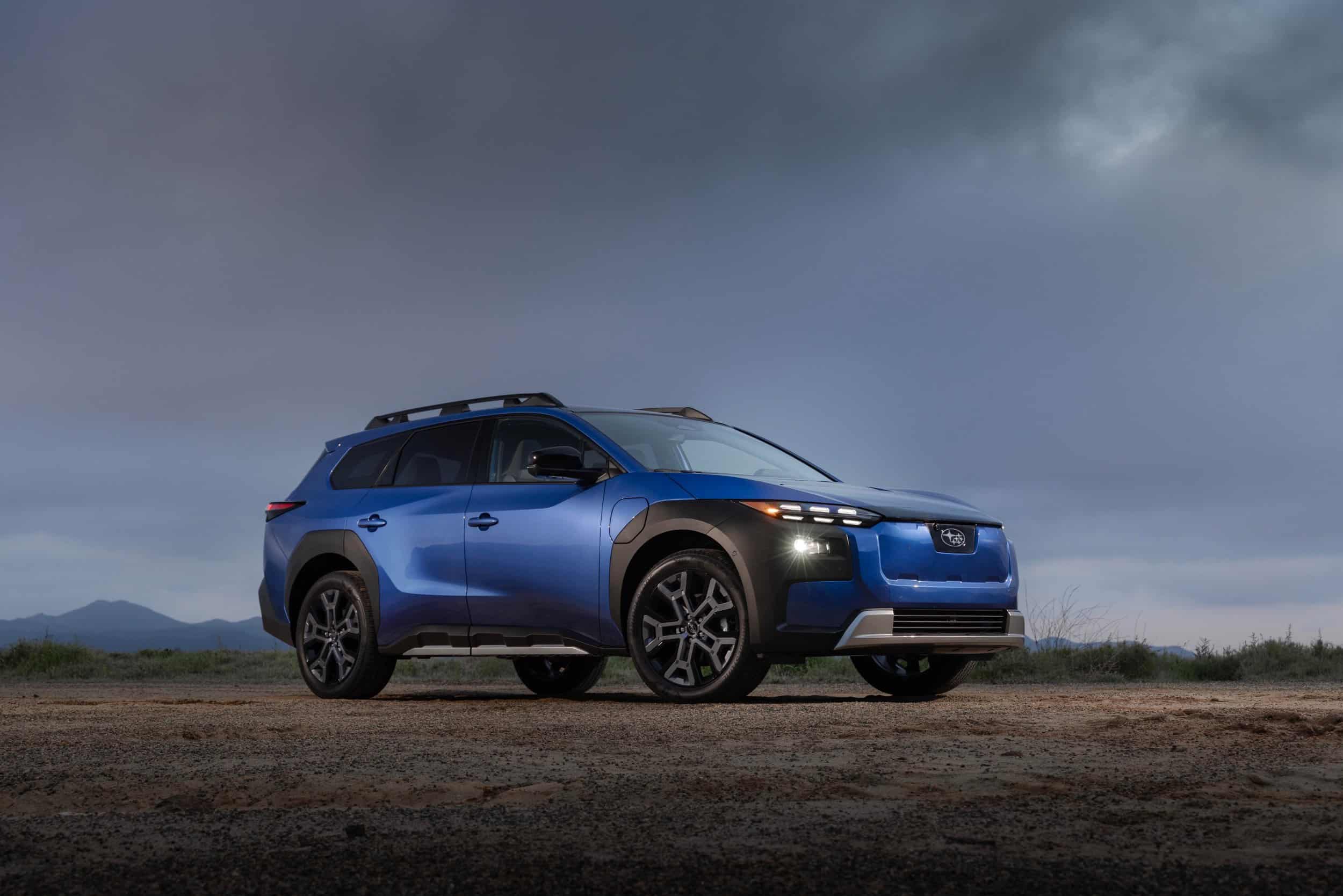
Car Thefts Fell 21 Percent Nationwide, but Los Angeles Remains the Theft Capital


- Vehicle thefts dropped in all 50 states in the first half of 2026, down roughly 21 percent, with 268,415 thefts reported to police nationwide in six months, according to National Insurance Crime Bureau data pulled from law enforcement records.
- Washington, D.C. posted the steepest year-over-year drop, 52 percent, but still has the highest theft rate of any state or jurisdiction at nearly 182 stolen vehicles per 100,000 people. California had the most stolen vehicles outright, with 57,821.
- The Los Angeles-Long Beach-Anaheim metro area led every US region with 21,540 vehicles stolen, and Chicago was the only metro area among the nation’s top ten where thefts went up instead of down.
The Good News Comes With a Catch
If someone broke into your driveway or parking lot this year, the odds say it happened less often than in 2025, and far less often than in the surge years before it. The National Insurance Crime Bureau, which pulls theft counts from law enforcement agencies across the country, found that every single state recorded fewer vehicle thefts in the first six months of 2026 than in the same period a year earlier. Nationwide, police logged 268,415 vehicle theft reports in that six-month window, a national rate of about 77.81 thefts for every 100,000 people. NICB chief operating officer Tim Slater called the trend encouraging. “Vehicle thefts continue to decrease across the country, and it’s encouraging to see that every state experienced a decline,” Slater said, crediting cooperation between law enforcement, insurers, and theft-prevention groups.
The catch sits underneath the headline number. A nationwide decline still leaves a quarter of a million vehicles stolen in half a year, and the drop has landed unevenly. Some cities now see more theft than before, not less, and the places with the biggest percentage drops are often the same places that started with the worst theft rates to begin with.
Where Thefts Fell Fastest
Washington, D.C. recorded the largest improvement of any jurisdiction, a 52 percent drop from the first half of 2025. Even with that improvement, D.C. still carries the highest theft rate in the country, nearly 182 vehicles stolen for every 100,000 residents, roughly double the rate in many mid-sized states. Tennessee followed with a 42 percent drop, then Vermont at 37 percent, New Hampshire at 35 percent, Colorado at 35 percent, and Delaware at 32 percent. Each of those states had posted unusually high theft counts in recent years, so the percentage drop reflects a return toward more typical levels as much as a new trend.
Raw numbers tell a different story than percentages. California logged more stolen vehicles than any other state, 57,821 in six months, even as its theft rate declined year over year. California has roughly 40 million residents and tens of millions of registered vehicles, and that scale explains the high total count: more cars on the road means more potential targets. The same pattern shows up at the metro level. Los Angeles-Long Beach-Anaheim led every metro area in the country with 21,540 stolen vehicles, ahead of Chicago-Naperville-Elgin at 11,761 and New York-Newark-Jersey City at 11,306.
The One Major City Moving the Wrong Way
Chicago is the exception among the ten biggest theft markets. Every other top-ten metro area posted a year-over-year decline, several of them sharp ones: Dallas-Fort Worth fell 30 percent and the Washington, D.C. metro area fell 31 percent. Chicago went the other way, up 2 percent, making it the only major market in the top ten where a resident is now more likely to have a car stolen than a year ago. The smallest metro areas can post the highest per-capita rates even with lower raw counts. Bakersfield-Delano, California had the highest theft rate of any metro area measured, 223.28 stolen vehicles per 100,000 residents, well above the rate in bigger cities like Los Angeles.
Why the National Trend Is Improving
The national decline follows a theft spike that peaked around 2022 and 2023, driven partly by a well-publicized flaw in older Kia and Hyundai models that let thieves start the engine with nothing more than a USB cable and a few seconds of effort. Automakers pushed out anti-theft software updates and steering-column locks in response, insurers tightened underwriting on the most-targeted models, and police departments in several cities formed dedicated auto-theft task forces. None of those fixes reached every vehicle on the road at once, which helps explain why the recovery has taken years rather than months and why some cities are still catching up.
Slater’s statement pointed to that same mix of factors: continued investment in law enforcement partnerships, prevention programs, and public awareness campaigns, rather than any single fix, as the reason the numbers keep moving in the right direction. He added that sustaining the improvement will take the same kind of coordinated effort going forward.
What a Lower Theft Rate Means for Insurance Bills
Theft coverage, the part of a policy that pays out when a car is stolen, prices risk by location and by model, and both inputs move slowly. An insurer that priced coverage around 2022 and 2023 theft rates, when the Kia and Hyundai USB-cable flaw drove thefts to levels not seen in decades, has not necessarily passed today’s lower numbers back to policyholders yet. Rate filings and model-year risk tables typically lag real-world theft data by a year or more, so drivers in cities with a steep decline, Washington, D.C. and Tennessee among them, could easily not see that progress reflected in a premium for some time. Drivers in Chicago, where theft counts rose, could see the opposite: a rate increase that shows up well after the underlying numbers already moved.
Model counts for as much as location. Insurers track theft claims by make and model year, and a car with a known vulnerability, software-based or mechanical, carries a higher theft-coverage premium than the same car with a fixed version of that flaw. Owners of older Kia and Hyundai models affected by the ignition flaw can check with their dealer about a free anti-theft software update, which in many cases also qualifies the vehicle for a lower theft-risk rating with insurers who track the fix.
If Your Car Does Get Stolen
Call 911 and file a police report immediately. Officers need the report on file before they can enter the vehicle into the National Crime Information Center database, the system most departments and tow operators check when they find an unfamiliar car. Give the dispatcher the exact make, model, color, license plate, and VIN if you have it handy. A faster, more complete report tends to produce a faster recovery.
Call your insurer the same day. Theft coverage typically pays for a stolen vehicle, but most policies set a window, often 30 days, after which the claim converts from a theft claim to a total-loss claim if the car never turns up. Ask your agent directly what that window is and what paperwork they need from the police report. If the car carries a loan or lease, contact the lender too. They hold an interest in the vehicle and will want to coordinate with the insurance payout directly.
What To Do
A national decline offers little comfort to someone whose own car gets taken, so the basic habits still count the most. Lock the doors every time you step away, even for a minute, and take the key or key fob with you rather than leaving it inside. Never leave the engine running unattended, and roll the windows all the way up. Keep valuables out of sight, in the trunk if possible. A visible laptop or bag on a seat can turn a random target into a planned one.
Owners of vehicles with wireless key fobs can use a signal-blocking pouch to stop relay theft, a technique that lets thieves amplify a fob’s signal from inside a house to unlock and start a car parked outside. A steering wheel lock or a hidden kill switch wired to the ignition, fuel line, or battery adds a layer of friction that pushes many opportunistic thieves toward an easier target. Etching the VIN onto windows and onto high-theft parts like the catalytic converter makes stolen parts harder to resell, and some insurers offer premium discounts for VIN etching and other anti-theft devices. A vehicle tracking system, even a phone-based one, helps police recover a stolen car quickly, and a visible warning sticker announcing that tracker can deter a theft before it starts. Drivers can report a theft by calling 911 immediately and filing a police report, which starts the recovery and insurance process right away.
Sources:

Leave a Comment
More in News

Catalytic Converter Thefts Are Rising Again and Could Cost Every Van Owner over £1,000

How California’s New Robotaxi Law Could Fine Waymo and Tesla $10,000

Why Truckers Could Save $100 a Fill Under Trump’s New Diesel Tax Order
What a 46 Percent Rise in Ombudsman Car Insurance Complaints Means for UK Drivers

Every Driver Pays Up to £4.72 More a Tank by Postcode, AA Finds
Trending on Motoring Chronicle

Are children picking up bad driving habits before they even get behind the wheel?

Introducing The Lamborghini Temerario: An Authentic “Fuoriclasse” [Photo Gallery]
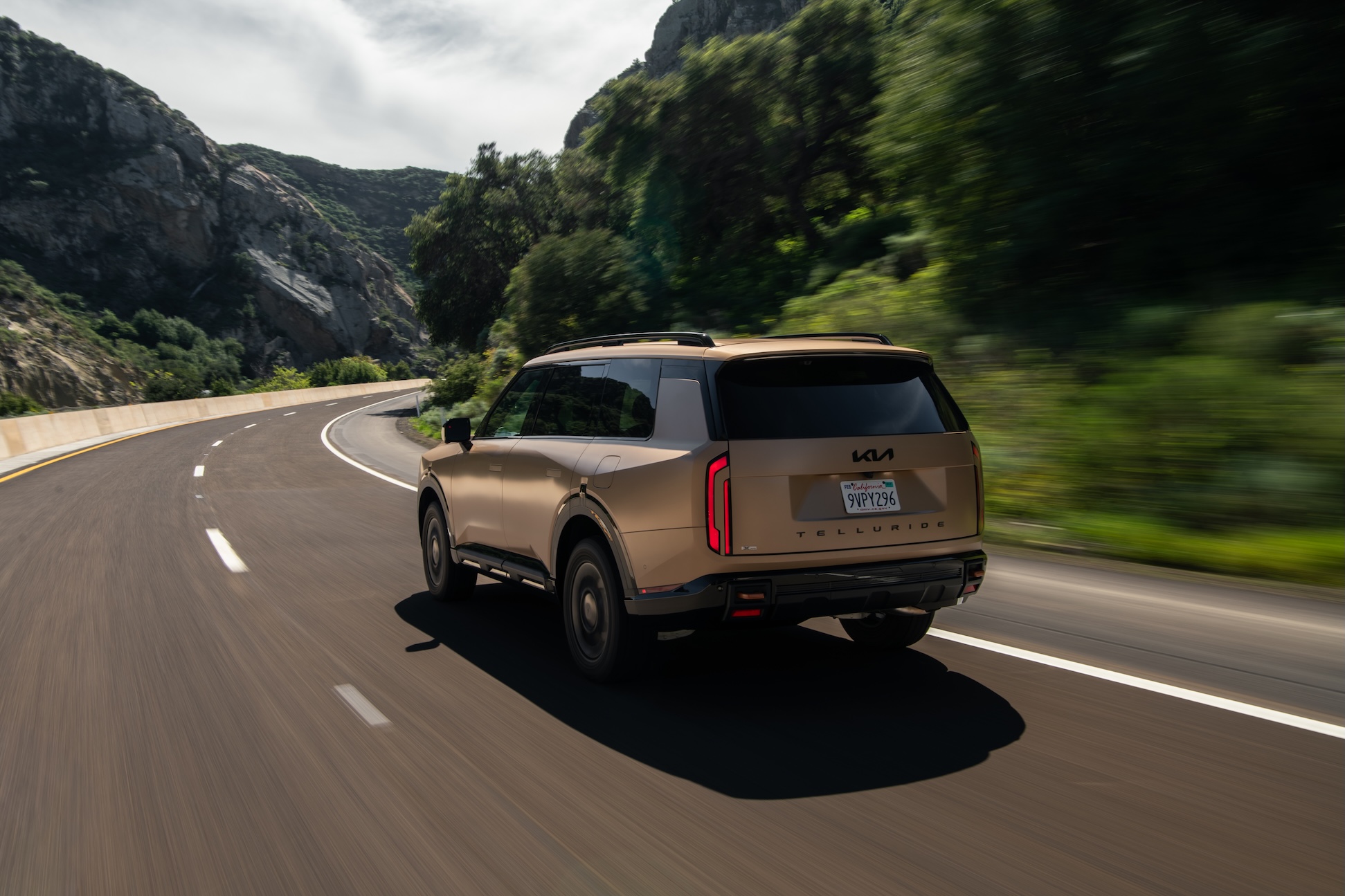
Kia Recalls 462,869 Telluride SUVs Over a Seat Motor Fire Risk

California Toughens Smog Check Rules as Every OBD Monitor Must Now Pass