
Councils Rejected 81 Percent of Pothole Damage Claims From UK Drivers Last Year


- Confused.com’s analysis of council Freedom of Information responses found 2025 was the worst year yet for pothole compensation, with councils paying out on just 19 percent of claims, down from 29 percent in 2024.
- Drivers lodged 144,230 pothole damage claims between 2022 and 2025, and councils paid out just over £11 million across the entire period, including £1.1 million in 2025 alone.
- Nearly one in five drivers who claimed said the council’s process itself was too complicated to follow, and a free legal route under the Highways Act can still force a repair even when a compensation claim fails.
The Year Councils Said No More Often Than Ever
A driver who hit a pothole and damaged their car in 2025 had a worse chance of being paid for it than at any point since records began. Confused.com’s analysis of Freedom of Information responses from councils across the UK found that just 19 percent of pothole compensation claims succeeded in 2025, down from 29 percent in 2024. Between 2022 and 2025, drivers submitted 144,230 claims in total, and councils paid out a combined £11 million across that entire four-year stretch, including £1.1 million in 2025 alone. Spread across the number of claims made that year, the average successful payout barely covers a new tyre and an alignment check, let alone a bent wheel or a damaged suspension arm.
A separate RAC-backed analysis of 173 councils found a similar pattern a year earlier, with authorities settling just 26 percent of claims submitted in 2024, paying out on 13,832 of 53,015 claims. The two datasets use different council samples and different years, but they point the same way: most drivers who claim for pothole damage are turned down, and the rejection rate has been climbing rather than falling.
Why “Reasonable Steps” Beats Your Repair Invoice
Councils are not rejecting claims arbitrarily. Under Section 58 of the Highways Act 1980, a council has a legal defence against a damage claim if it can show it took reasonable steps to maintain the road and had a reasonable system of inspection in place. In practice, this means a council can show its inspection records, point to a scheduled check that found no defect at that location within a set period, and successfully argue it could not have known about the pothole before the claim arose. A repair invoice alone does not get round that defence. The claim has to establish that the council knew, or reasonably should have known, about the specific defect before the damage happened, and failed to act on it within a reasonable time.
What Your Claim Actually Needs to Succeed
A successful claim generally needs more than a photo of the hole and a garage bill. Useful evidence includes a dated, timestamped photograph of the pothole with something in the frame to show scale, such as a coin or a tape measure, taken as close as possible to the date of the damage. It also helps to request the council’s inspection and complaint history for that stretch of road through a Freedom of Information request, since a prior complaint or a previous repair at the same spot undermines the council’s reasonable-steps defence. A garage report that specifically links the damage to road surface impact, rather than general wear, strengthens the case further, as does GPS or dashcam footage showing the exact location and moment of impact.
The Free Law Councils Don’t Advertise
Even when a compensation claim for damage fails, drivers have a separate and largely unpublicised route to force a repair itself. Section 56 of the Highways Act 1980 allows anyone to serve notice on a council requiring it to repair a road defect that is causing a danger, and if the council fails to act within a reasonable period, the matter can be referred to a magistrates’ court, which can order the repair and award costs against the council. This route does not pay a driver for damage already done, but it can stop the same pothole catching the next car, and the notice itself is free to serve without a solicitor.
If a Council Turns You Down
A rejected claim is not necessarily the end of the road. Drivers can ask the council to review its decision, particularly if new evidence has come to light, such as records of earlier complaints about the same stretch obtained through a Freedom of Information request. If the council maintains its refusal and a driver believes it has not followed its own inspection and maintenance policy properly, the Local Government and Social Care Ombudsman can investigate how the complaint was handled, though it cannot force a council to pay compensation it has a legal defence against. For smaller claims where the evidence is strong, the small claims track of the county court remains an option, though the cost and time involved mean it is usually only worthwhile for more significant repair bills.
Confused.com’s research also found that nearly one in five drivers, 18 percent, described the council claims process itself as too complicated to follow, separate from whether their claim ultimately succeeded. Councils typically require a specific claims form, a defined time limit from the date of damage, and supporting evidence submitted in a particular format, and missing any one of these technical requirements can see a claim rejected before its merits are even considered. Checking a council’s own published claims procedure before submitting, rather than sending a general letter or email, removes one of the most common and avoidable reasons a claim fails.
Why the Numbers Keep Getting Worse
Road maintenance budgets have not kept pace with the scale of the pothole backlog, and councils facing that gap have become more rigorous about applying the Section 58 defence rather than settling claims as a matter of goodwill. The Asphalt Industry Alliance has separately estimated the national repair backlog in the billions of pounds, a figure that dwarfs the £11 million councils paid out in compensation over four years. That mismatch helps explain why the success rate for claims keeps falling even as the number of claims submitted keeps rising: councils are managing a much bigger problem with a defence that gets easier to use the longer a backlog goes unaddressed, since a documented, under-resourced inspection regime can itself become part of the evidence that inspections were reasonable given the resources available.
Sources:

Leave a Comment
More in News

What a Sudden Heavy Steering Wheel Actually Means for Your Car’s Safety

What a Rate Rising to 9 Percent Means for Every Electric Company Car Driver

Why Your Car Battery Dies in Cold Weather and the Fix That Works

Half of UK Drivers Renewing Car Insurance Are Quoted More Than New Customers

Why Some Electric Car Chargers Cost 33p More Per Unit Than Others, Zapmap Finds
Trending on Motoring Chronicle

Why a Hidden 12 Percent Tax Is Inflating Every Car Insurance Bill You Pay
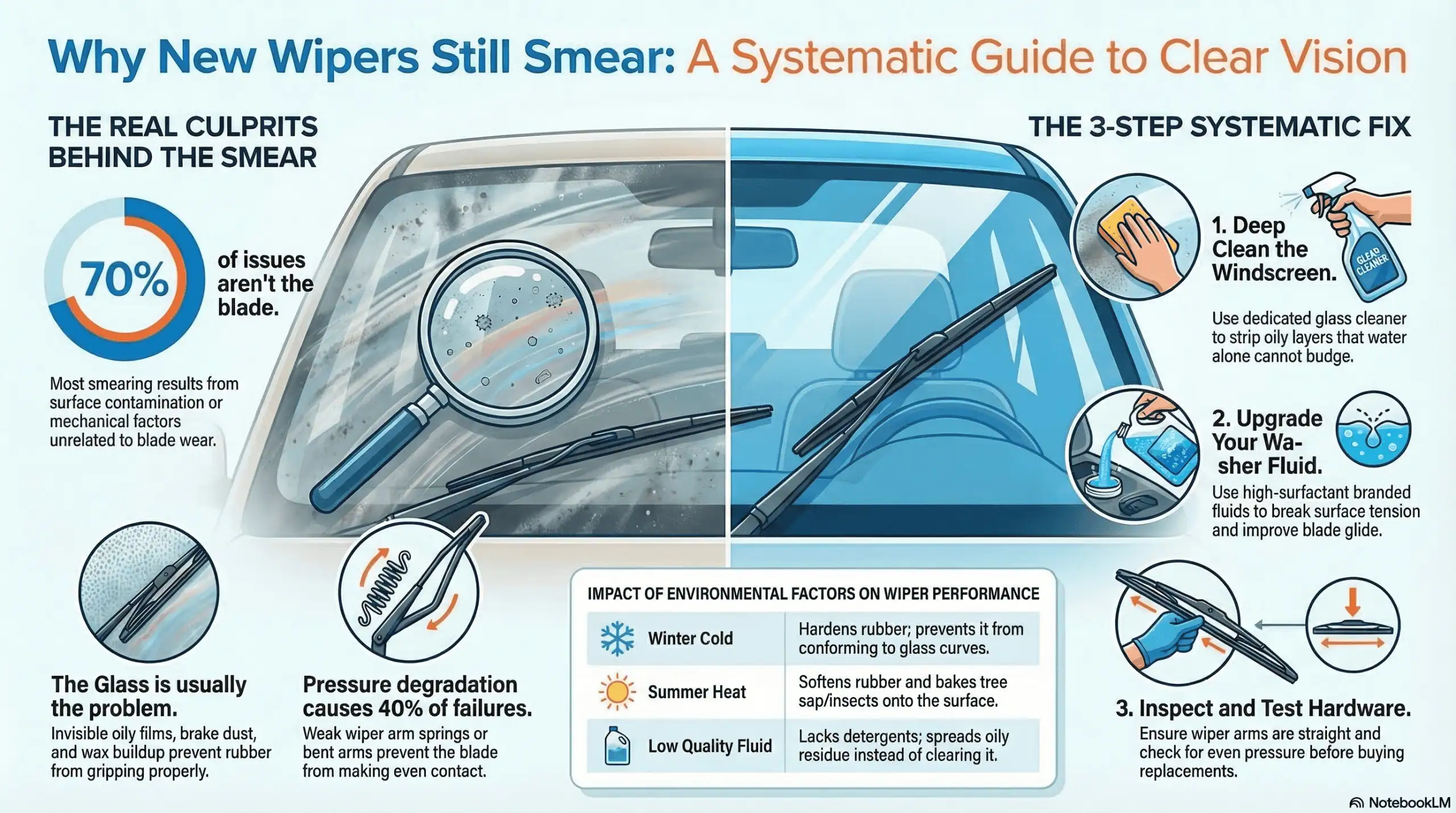
Wipe Out: Pollen Smears On A Worn Wiper Could Cost Drivers £2,500 This Spring

Why 860,000 Disabled Drivers Face Higher Costs and Less Choice from July 1

How Rivian Fixed 98,828 EVs Camera Bug Before Owners Even Knew
