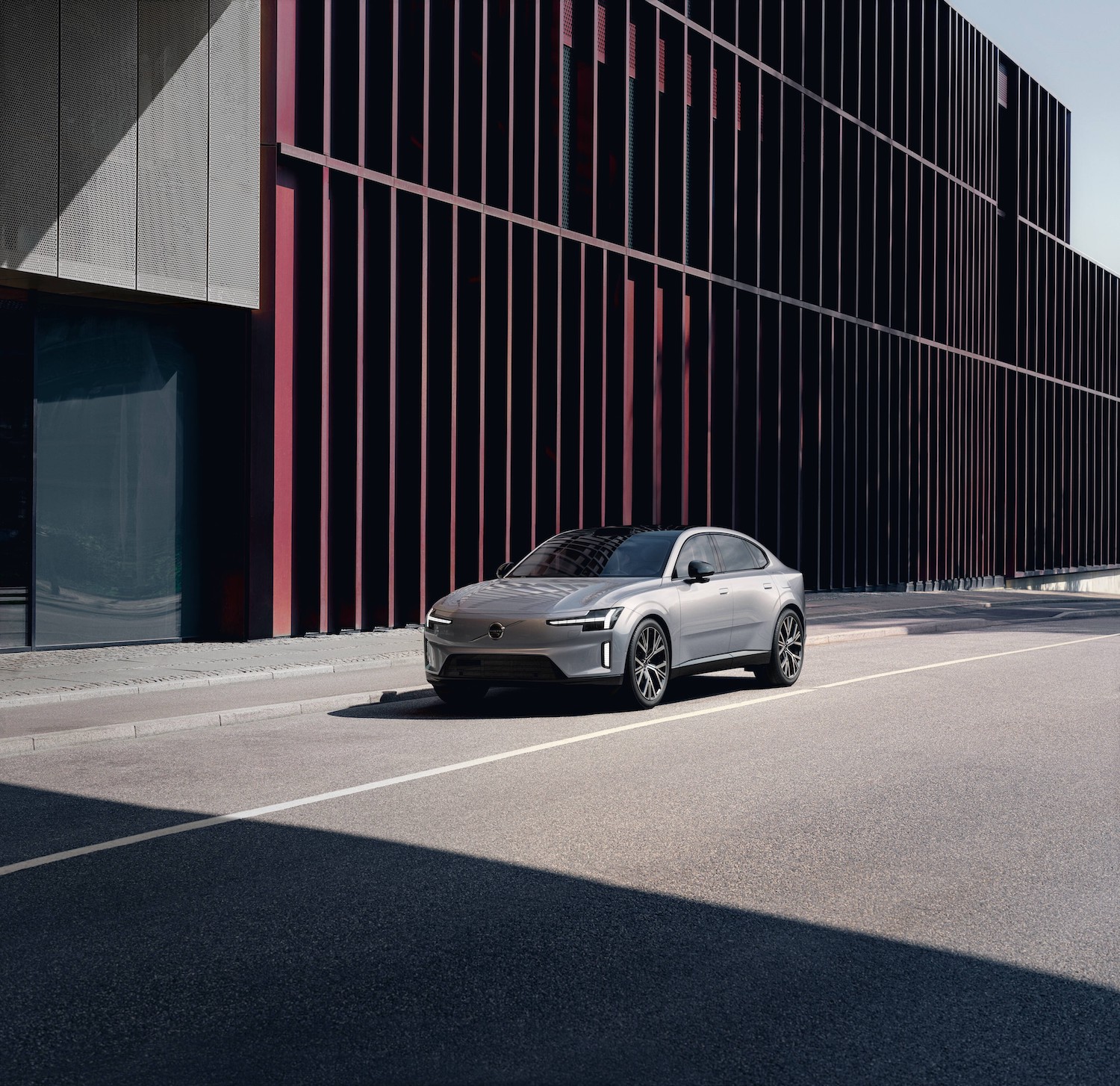
EV Owners Face £6,830 Bills in a Battery Gap Warranty and Insurance Both Reject


The £6,830 Bill Nobody Wants to Cover
The Motor Ombudsman logged 1,317 electric vehicle disputes in the second quarter of 2026, and battery problems made up 8 percent of them, the fifth most common complaint category. The average amount a driver said would resolve their dispute with a business stood at £6,830, a figure that lands squarely in the range of a full battery pack replacement rather than a minor repair. In the first quarter of 2026, battery issues were the fourth biggest cause of disputes out of 1,213 logged, driven mainly by 12V and high-voltage battery faults and cell failures that cut off power delivery entirely.
Behind those numbers sits a gap that most drivers only find once they are already in it: a battery that has degraded enough to worry an owner, but not enough to trigger a manufacturer warranty claim, and a motor insurance policy that was never designed to cover it either.
How the Warranty Threshold Actually Works
Most electric vehicles sold in the UK carry an 8-year or 100,000-mile battery warranty guaranteeing the pack will not fall below 70 to 80 percent of its original capacity, depending on the manufacturer. Kia and Volkswagen, among others, commit to repair or replacement if capacity drops under 70 percent within that window. The threshold sounds like a solid protection until a driver understands how it is applied in practice: a battery tested at 74 percent capacity is outside the warranty’s reach, while a battery at 69 percent qualifies, and the difference between the two is invisible to an owner without specialist diagnostic equipment plugged directly into the car.
Manufacturers also draw a hard line between degradation from ordinary use, which they accept as an unavoidable part of owning a battery and do not cover even inside the warranty period, and degradation caused by a genuine defect, which is covered in full. Real-world data from Geotab’s study of 22,700 vehicles found average degradation running at just 2.3 percent a year, meaning most batteries comfortably outlast the warranty term before reaching the 70 percent floor. The drivers who end up in dispute are typically the ones whose battery has degraded faster than that average, close enough to the threshold that a manufacturer can plausibly argue the fault sits on the “normal wear” side of the line rather than the “defect” side, even when the driver’s own experience of range loss feels far from normal.
The Second Door That Also Closes
A driver who cannot get a manufacturer to accept a warranty claim might reasonably expect their motor insurance to help instead. It will not. Standard UK motor insurance policies explicitly exclude mechanical breakdown, wear and tear, and inherent component failure, and a battery that has simply aged past a warranty threshold falls directly into that exclusion. The result is a component that can cost £5,000 to £7,000 to replace with a refurbished unit, or up to £10,000 for an original manufacturer part, sitting entirely outside both forms of protection a driver assumed they had when they bought the car.
A small number of specialist insurers have begun offering standalone battery cover separate from a standard policy, but take-up is low and awareness lower still, meaning most EV owners currently driving a car older than its warranty period are carrying this exposure without realising it exists at all.
Who Ends Up Exposed
The drivers most at risk are owners of EVs now approaching six, seven or eight years old, bought when battery chemistry and manufacturing tolerances were less mature than current models, and drivers who bought a used EV without checking how much of the original warranty period remained. A used EV bought at four years old with an 8-year warranty leaves its second owner only four years of cover, often without a clear record of how the battery has been used or charged by the first owner, which is precisely the kind of history a manufacturer will scrutinise closely if a claim is ever made against a car it did not sell new to the current owner.
Fleet and lease returns add a further wrinkle. A battery that has spent years on rapid public chargers, rather than a slower home charger, tends to degrade faster, yet that charging history rarely travels with the car when it changes hands through an auction or a used dealership.
Why the Threshold Test Itself Is Contested
Battery capacity is not measured by looking at the pack. It is estimated from a combination of onboard software readings and, in a dispute, a manufacturer’s own diagnostic tool plugged in at a franchised dealer. Owners have raised cases with the Motor Ombudsman where an independent battery health check from a third-party specialist produced a different capacity reading than the manufacturer’s own test, sometimes on either side of the warranty line. The manufacturer both sets the threshold and controls the test used to measure against it, which leaves a driver disputing a rejected claim arguing against the party that wrote the rules being applied to their own car.
The Motor Ombudsman’s process gives drivers a route to challenge that outcome without going to court. Its value rests entirely on the driver knowing the service exists and gathering their own independent test result before accepting a manufacturer’s first answer as final.
How to Fight Back
- Before buying any used EV, ask for a battery health check and get the exact remaining warranty period and mileage allowance in writing, not just a verbal assurance from the seller.
- Get your battery capacity tested annually once your car passes the halfway point of its warranty term, so you have a documented trend rather than a single reading if you ever need to dispute a manufacturer’s assessment.
- If a manufacturer rejects a claim close to the warranty threshold, request the exact capacity percentage and testing method used, and get an independent second test before accepting the decision as final.
- Ask your insurer directly whether battery degradation or failure is covered, and if not, price up standalone battery cover from a specialist provider against the replacement cost of your specific model.
- If a dispute with a manufacturer or dealer stalls, escalate it to The Motor Ombudsman, which logged and resolved thousands of EV-related disputes in 2026 and does not charge consumers to investigate a complaint.
A Gap the Industry Has Been Slow to Close
Insurers have known about the battery coverage gap for as long as EVs have been on UK roads in meaningful numbers, yet standalone battery policies remain a niche product sold mostly through specialist brokers rather than mainstream insurers who dominate renewal quotes. Manufacturers, for their part, have little commercial reason to widen a warranty threshold that already sets an 8-year ceiling on their own liability, and few face pressure to publish clearer data on how their own capacity testing works in practice. Until either side moves, the gap sits exactly where it is now, between a warranty threshold that is narrower than it first appears and an insurance market that has not caught up with what EV ownership actually requires.
What Happens Next
Battery complaints eased slightly from fourth to fifth place in the Motor Ombudsman’s rankings between the first and second quarters of 2026, but the average sum drivers say would resolve a dispute remains close to the cost of a full pack replacement. As the first wave of mainstream EVs sold in the late 2010s and early 2020s reaches six to eight years old, the number of owners approaching their warranty threshold, without insurance behind them, is only set to grow, and few of them will know it until a range reading drops low enough to force the question.
Sources:

Leave a Comment
More in News

Why Driving Test Waits Rose Even as DVSA Ran a Record Number of Tests
Nearly a Third of Car Finance Trade-Ins Are Now Underwater, Data Shows

How to Have Your Say Before Self-Driving Car Safety Rules Are Set This Week
300,000 Uninsured Cars Are Driven in Britain Every Day and Honest Drivers Pick Up the Bill
DVSA Survey Finds a Third of Learners Paid Up to £500 for a £62 Test
Trending on Motoring Chronicle

First look at the future: 2027 Volkswagen Atlas conquers Québec’s winter terrain

Travis Pastrana and Bentley launch the most dynamic film in Bentley history – ‘Supersports: FULL SEND’
Factory-custom Attitude: Dodge Debuts Satin Black Hood Graphic, Fratzog Dual Stripes Options for SIXPACK‑powered Charger Models

F50 Legacy Tour 2025: A journey through Tuscany to celebrate 30 years since the birth of an icon [Photo Gallery]