
530,000 Flood-Damaged Cars Are Already on US Roads, NICB Warns

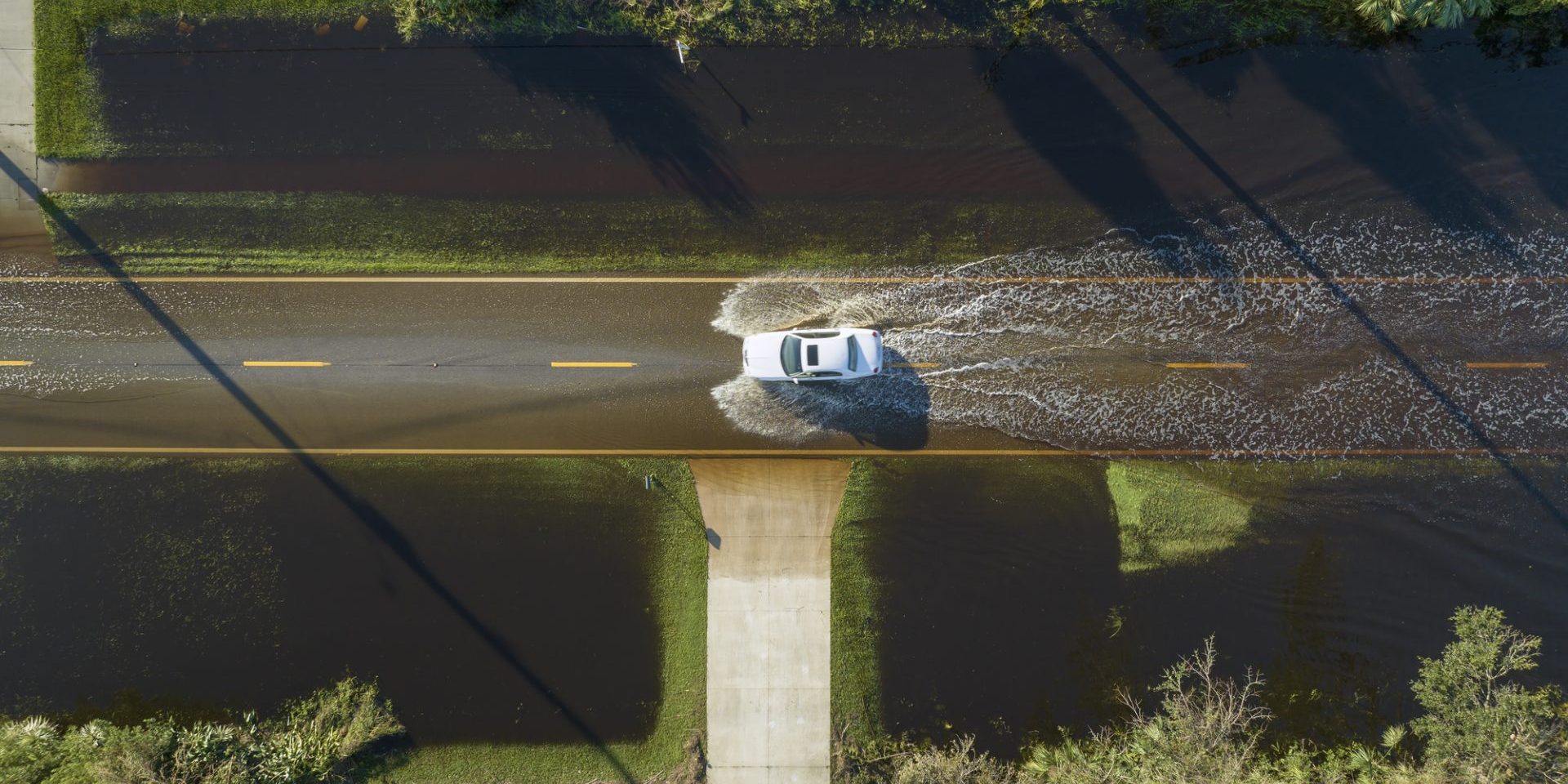
An estimated 530,000 flood-damaged vehicles are currently on American roads, and the National Insurance Crime Bureau is warning that more are headed for used car lots as this year’s storm season pushes into its most active stretch. The nonprofit, funded by the insurance industry to fight fraud, issued a fresh consumer alert this month urging buyers to check any used vehicle’s history before signing paperwork.
The warning lands as the 2026 Atlantic hurricane season, running below its long-term average in overall storm count, has already produced one of the wettest single events on record. Tropical Storm Arthur dropped 31.56 inches of rain on Cottonport, Louisiana earlier this year, flooding thousands of vehicles across Louisiana, Mississippi and Alabama in a matter of days.
How a Flooded Car Ends Up on a Used Lot Without a Warning Label
When an insurer declares a flooded vehicle a total loss, the title is supposed to carry a permanent salvage or flood brand that follows the car for the rest of its life. In practice, that brand routinely disappears through a process known as title washing. A vehicle gets re-titled in a state with weaker disclosure requirements, or run through a series of private-party sales that break the paper trail, and the flood history quietly vanishes from the paperwork a buyer sees.
“Hidden damage can create serious safety hazards and expensive repair bills in the following months or years,” NICB President and CEO David Glawe said in the organization’s consumer alert, noting that a flood-damaged vehicle can look perfectly normal on the outside. He urged buyers to use every resource available before completing a purchase.
Distance is part of what makes the problem hard to spot. A car flooded in a Gulf Coast disaster frequently resurfaces for sale hundreds of miles away, sometimes in a region with no recent flood news of its own, where a buyer has no local reason to suspect a hidden history.
What Floodwater Actually Does to a Vehicle
Water damage reaches far beyond the carpet and upholstery a quick inspection might catch. Floodwater can compromise the electrical system, the engine, exhaust components, wiring harnesses, brakes and the airbag control module, any of which can fail unpredictably weeks or months after a car dries out and gets detailed for resale. Corrosion inside connectors and sensors tends to progress slowly, which means a flood car can pass a cursory test drive and still develop serious problems well after a buyer signs the title.
The airbag system carries a particular risk. Water intrusion into the airbag control module or its wiring can cause the system to fail silently, with no dashboard warning, until the moment a crash calls on it to work. A buyer has no practical way to catch that kind of internal damage without a proper inspection.
How to Actually Check a Used Car Before Buying
NICB operates a free tool called VINCheck that lets any buyer run a vehicle identification number to see whether it has been reported as a salvage vehicle or total loss by a participating member insurer, a group that covers more than 92 percent of the US auto insurance market. VINCheck has processed nearly three million vehicle checks as of the end of July 2026, and running a plate through it takes a few minutes at nicb.org.
VINCheck is a useful first filter, not a guarantee. It only reflects data reported by participating insurers, so a car that was never insured through a member company, or one where the damage was handled entirely outside the insurance system, will not show up. NICB recommends pairing a VINCheck search with a full paid vehicle history report from a service like Carfax or AutoCheck, which pull additional records including state title registrations, auction histories and prior salvage sales.
Beyond the paperwork, a hands-on inspection catches problems no database will. NICB recommends checking for a musty odor that air fresheners cannot fully mask, water stains on the underside of the dashboard or inside door panels, rust in unusual spots like seat rails or seatbelt retractors, mismatched upholstery that suggests replaced carpet or seats, and moisture trapped inside tail light housings or the glove box. A mechanic willing to put the vehicle on a lift and check the underbody rails, fuel tank straps and undercarriage wiring for silt or corrosion offers the most reliable check of all, and it is worth the cost of an independent pre-purchase inspection before finalizing any used car purchase.
Why This Year’s Warning Is Especially Timely
The 2026 Atlantic season has stayed comparatively quiet by storm count, with the Hurricane Center’s latest update projecting 7 to 13 named storms against a long-term average that typically runs higher. That relative calm has not spared every region. The northern and eastern Gulf Coast and the Carolinas remain areas forecasters flag as carrying higher-than-average risk of a direct hit through the remainder of the season, and a single slow-moving storm can flood tens of thousands of vehicles regardless of how the overall season tallies up.
Tropical Storm Arthur already demonstrated that pattern earlier this year. A storm that never strengthened past tropical storm status still dropped record rainfall across Louisiana, Mississippi and Alabama, proving that named-storm count alone tells buyers little about how many flooded vehicles are likely to move through the used market in the months that follow. CARFAX’s most recent nationwide estimate put the number of suspected flood vehicles already on the road at roughly 530,000, a figure NICB expects to climb as this year’s remaining storm activity plays out.
Red Flags That Should Slow Down a Purchase
A price that sits well under market value for a car’s year, mileage and condition is the single biggest warning sign buyers overlook, and NICB specifically flags deals that look too good to be true as a common entry point for flood-damaged vehicles. A seller who pushes for a fast, cash-only sale, resists a pre-purchase inspection, or cannot produce a clean title history is reason enough for extra caution rather than urgency.
Private-party sales carry more risk than dealer purchases in this specific area. Dealers are generally required to disclose known salvage or flood history and face licensing consequences for concealing it. That does not make every dealer purchase automatically safe. Out-of-state dealers moving inventory from a recently flooded region deserve the same VINCheck and inspection routine as any private seller.
What To Do If You Already Own an Affected Vehicle
Buyers who suspect they already own a vehicle with undisclosed flood damage have a few paths forward. Running the VIN through VINCheck and pulling a full history report is the first step to confirm suspicions. If a flood history turns up that was not disclosed at the time of purchase, most states allow buyers to pursue a claim against the seller or dealer for failing to disclose known damage, especially where a salvage or flood title existed and was concealed.
State consumer protection offices and attorneys general handle these disputes regularly, and many offer a simple complaint process for buyers who can show a documented flood history that was not disclosed before the sale. Keeping a full paper trail, including the original listing, any written or text communication with the seller, and the VINCheck and history report results, gives a buyer the strongest position if the dispute needs to escalate beyond a direct conversation with the seller.
Sources:

Leave a Comment
More in News

Paris Motor Show 2026 highlights, with BYD and Denza leading the charge

How a Burning Smell From Your Clutch Could Signal a £600 Repair Bill

What a Tyre Pressure Warning Light Means as Cold Mornings Return This Autumn

What the Fog Light Rule Actually Means (and the £50 Fine)

How to Drive Through Flood Water (and What to Do If It Stalls)
Trending on Motoring Chronicle
What Happens When the Clamp Team Finds Your Untaxed Car (and How to Avoid It)

DENZA Z Supercar Confirms UK Pricing From £142,900 With 1,604PS
How a Burning Smell From Your Clutch Could Signal a £600 Repair Bill
Millions of UK Drivers Face a Record £4,900 Car Insurance Claim, ABI Reveals
