NHTSA Investigates Nearly 1 Million GM Trucks Over Engines That Fail After Repair


If you drive a Chevrolet Silverado, Tahoe or Suburban, a GMC Sierra, Yukon or Yukon XL, or a Cadillac Escalade with a 6.2-liter V8 engine, federal safety regulators now want proof that last year’s recall fix actually worked.
On August 20, 2026, the National Highway Traffic Safety Administration upgraded its investigation into General Motors’ L87 6.2-liter V8 to a full Engineering Analysis, the most serious stage of defect investigation the agency runs before it can order a recall. The new case, EA26005, covers 997,743 trucks and SUVs from the 2021 through 2026 model years.
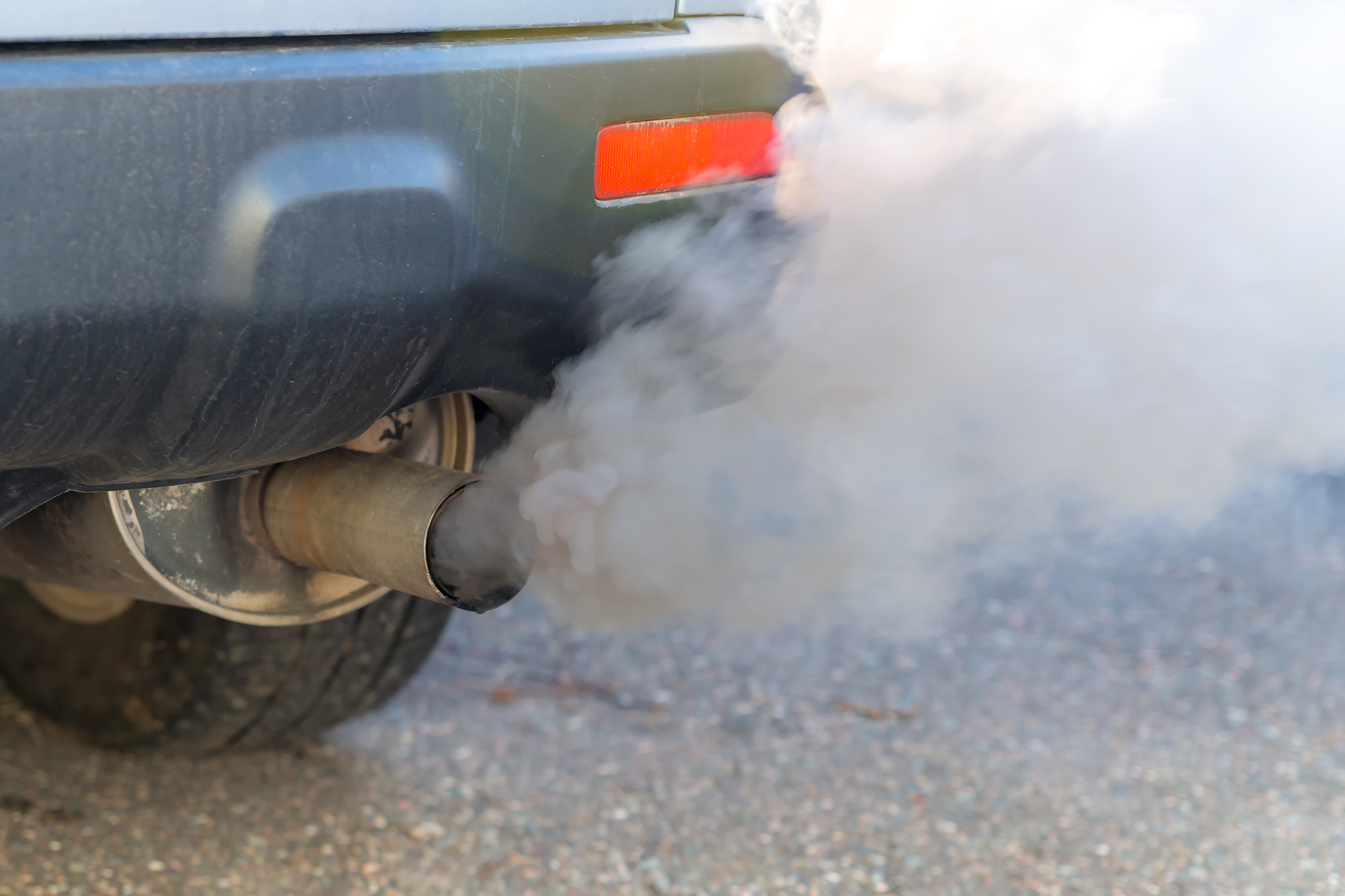
The detail owners should read twice: NHTSA is investigating engines that failed after GM already performed the recall repair, including trucks that received a brand-new replacement engine.
A Recall That Was Supposed to Solve This
GM issued Recall 25V-274 in April 2025 for roughly 600,000 vehicles after a run of engine failures traced to defective connecting rods and crankshafts. The automaker pointed to a supplier manufacturing and quality problem affecting L87 engines built between March 1, 2021, and May 31, 2024.
The remedy split into two paths, decided by dealer inspection. Engines that passed got a switch to thicker 0W-40 oil, a new oil fill cap and an updated owner’s manual meant to catch trouble early. Engines that failed inspection got a full replacement.
Owner complaints kept coming in. NHTSA opened a Recall Query in January 2026, case RQ26001, to test whether the fix held up. Seven months of additional failure reports later, the agency moved the case to its highest pre-recall level.
The Failure Numbers Behind the Case
NHTSA’s opening summary spells out why the investigation grew. The agency’s Office of Defects Investigation has logged 499 complaints of engine failure that happened after the recall repair. Of those, 473 involved trucks that got the oil change fix, and 26 involved trucks that received an entirely new engine and failed anyway.
Investigators also found 191 reports of L87 failures in engines built after the May 2024 cutoff written into the original recall, pulling engines that regulators had previously treated as unaffected into the case. GM told NHTSA it has received 6,953 complaints of post-repair engine failure as part of its cooperation with the agency. NHTSA has linked the investigation to one crash and one injury, with no deaths reported.
How the Defect Damages an Engine
The L87’s connecting rods and crankshafts can carry manufacturing flaws that let metal-to-metal contact build inside the engine’s bearings. Left unchecked, that contact wears down the bearing surface, starves the engine of oil pressure and can cause the crankshaft to seize mid-drive. A seized engine means a sudden loss of propulsion, a serious hazard on a highway or in traffic.
The 0W-40 oil switch GM used as its primary remedy works by running thicker oil through the engine, which keeps a stronger film between metal surfaces when a bearing has minor flaws. NHTSA’s new case asks a pointed question: does a different oil viscosity class actually stop a bearing that is already out of specification from failing, or does it only slow the problem down.
What an Engineering Analysis Actually Means
NHTSA investigations move up a ladder. A Preliminary Evaluation or Recall Query gathers complaint data and looks for a pattern. An Engineering Analysis is the last stop before the agency can force a recall, and it brings detailed information demands, component testing and direct pressure on the automaker to explain its data.
Not every Engineering Analysis results in a recall order. This case carries more consequence than a routine scope expansion, though. NHTSA is not simply asking whether more trucks need the existing fix. It is questioning whether the fix works at all. If investigators conclude the oil change does not stop the bearing failures, GM could face a second, larger recall with a costlier remedy, potentially engine replacements as the standard fix rather than the exception.
Which Vehicles Are Covered
The investigation spans the 2021 through 2026 model years of GM’s full-size trucks and SUVs built with the L87 6.2-liter V8:
- Chevrolet Silverado 1500
- Chevrolet Tahoe and Suburban
- GMC Sierra 1500
- GMC Yukon and Yukon XL
- Cadillac Escalade and Escalade ESV
The scope change from the original recall is significant. Vehicles from the 2025 and 2026 model years, along with any L87 engine built after May 31, 2024, now fall under the investigation for the first time. Owners who traded into a newer truck specifically to skip the recall-era engines should pay close attention to this update.
What a Second Recall Could Cost
GM’s original 2025 recall already carried a real price tag. Engine replacements run into the thousands of dollars per vehicle at retail rates, a cost GM absorbed for owners who qualified under warranty or the recall itself. A second recall covering a wider window, closer to a million vehicles, and a costlier remedy would multiply that bill significantly, and it would land on a company already managing a heavy recall year across its lineup.
Owners outside the recall’s original warranty window should check whether a GM Protection Plan or a separate extended warranty covers engine replacement in the meantime. An open Engineering Analysis does not extend a warranty automatically, so a truck that ages out of coverage while NHTSA investigates could leave an owner facing a bill on a defect the government has not finished evaluating.
What Owners Should Do Now
An Engineering Analysis is an investigation, not a recall, so there is nothing new to schedule beyond the existing 25V-274 remedy for vehicles that have not had it. A few steps protect owners in the meantime.
Complete the original recall if it has not happened yet. A VIN lookup at NHTSA.gov or a call to a GM dealer confirms whether a specific truck qualifies.
Treat warning signs as an emergency. A knocking or ticking noise, a low oil pressure light or a check engine light on a 6.2-liter V8 calls for an immediate stop and a tow, not a drive to the dealer on a convenient afternoon.
Save every oil change record and repair order. If a second recall or a buyback program follows, that paperwork determines who qualifies and how fast a claim moves.
File a complaint directly with NHTSA if an engine has failed, especially after the recall repair. The 499 complaints on file are what pushed this case to its current stage, and the agency can only act on the failures it hears about.
GM issued a statement on the investigation: “The safety and satisfaction of our customers are the highest priorities for the entire GM team, and we continue to cooperate with NHTSA’s evaluation of this matter,” said Bill Grotz of GM Corporate Communications.
The automaker has not said publicly whether it disputes any of the failure figures in NHTSA’s opening summary, and GM has not announced any change to its current remedy while the Engineering Analysis proceeds. Owners hoping for a faster answer should expect this process to run for months rather than weeks. Past Engineering Analyses on other automakers’ engines have taken anywhere from six months to well over a year before NHTSA either closed the case or moved to a formal recall demand, and GM’s public updates in that stretch tend to come only when the company files a new document with the agency.
A Truck Buyer’s Warning Sign
Anyone shopping the used market for a 2021 to 2026 Silverado, Sierra, Tahoe, Suburban, Yukon or Escalade with the 6.2-liter V8 should run the VIN through NHTSA’s recall database before signing anything. A clean-looking truck can still carry an open recall if a prior owner skipped the dealer visit, and an unresolved L87 engine is not a bargaining chip worth taking on. Ask the seller directly whether the truck completed Recall 25V-274 and request the paperwork rather than a verbal answer.
Auto recalls overall are running at a five-year high in 2026, with more than 23 million vehicles pulled back industry-wide in the first six months alone. A single open recall on a used truck is common enough that skipping the VIN check has become one of the costliest shortcuts a buyer can take.
Sources:

Leave a Comment
More in News

KGM Actyon Hybrid review: Leftfield family SUV gets a hybrid boost

US Vehicle Recalls Hit a Five-Year High as 23 Million Cars Are Pulled Back This Year
Why a Record 33 Million Americans Are Traveling This Labor Day as Gas Prices Climb

Toyota Recalls 508,000 Camry Hybrids Over a Screen That Kills Your Turn Signals

Jeep Wrangler Smoky Mountain Special Edition Costs Just $80 More Than Willys
Trending on Motoring Chronicle

2027 Volvo EX60 EPA-Certified for Up to 330 Miles of Range
Jeep Wrangler Smoky Mountain Special Edition Costs Just $80 More Than Willys

NHTSA Opens Probe Into 807,000 Honda Odyssey Minivans Over Self-Deploying Airbags
Understanding ‘Balance of Performance’ in WEC: A Crucial Aspect Ahead of Le Mans