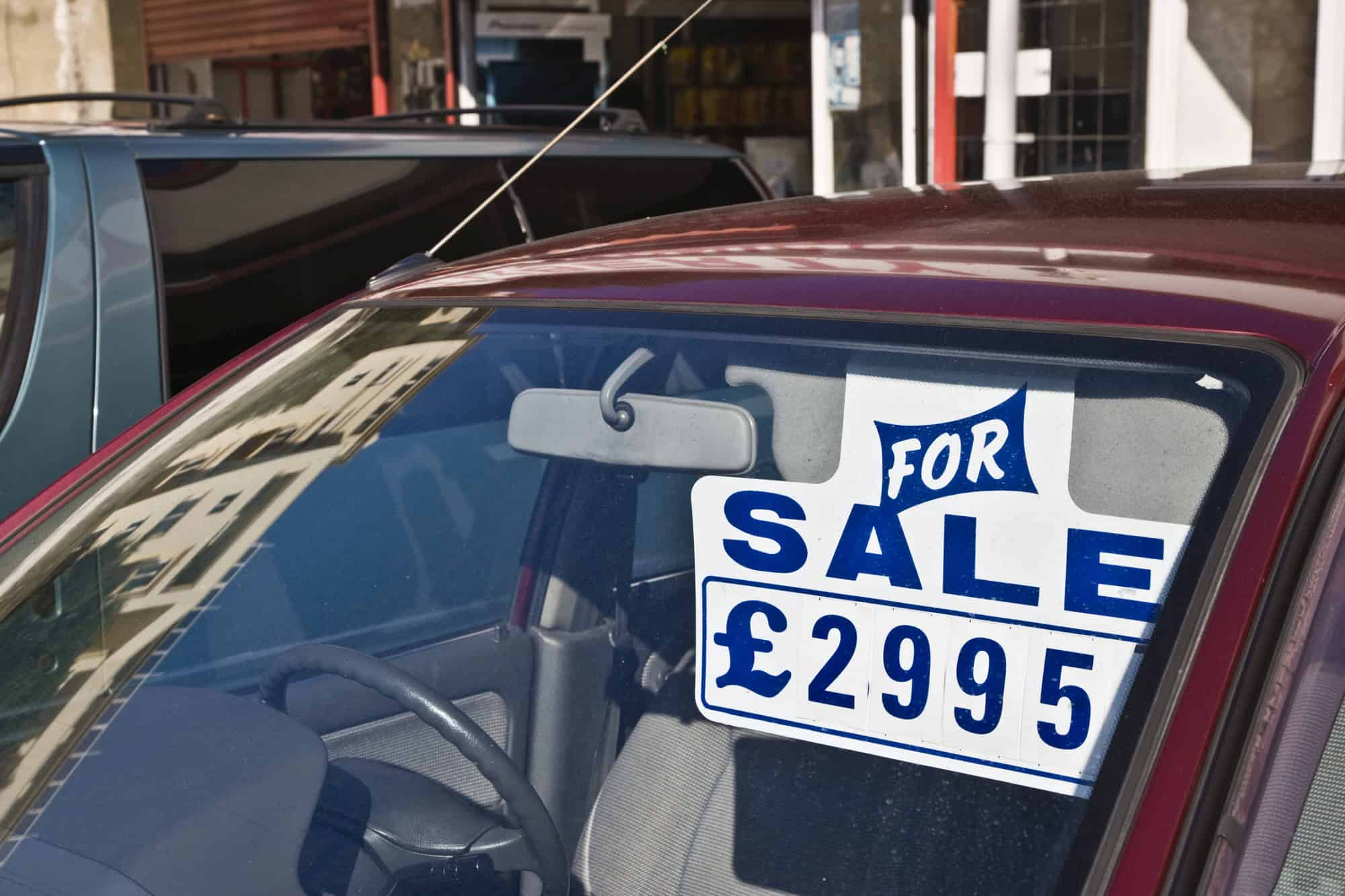
Half of Young Drivers Are Buying Fake Car Insurance on Social Media


Half of Britain's youngest drivers are buying car insurance through Instagram, Snapchat, and WhatsApp, and thousands of them are unknowingly driving without any real cover at all. New research commissioned by the Financial Conduct Authority found that 49 per cent of drivers aged 17 to 25 have bought a policy through social media or a messaging app, and 39 per cent said they would not feel confident spotting a fake one.
The scam behind those numbers is called ghost broking. Criminals pose as legitimate brokers, often advertising rates far below anything a genuine insurer would offer, then sell policies that are entirely fake, invalidated by falsified details, or cancelled quietly within weeks of purchase. The buyer typically finds out only after a crash or a routine police check, by which point they are already driving uninsured, a criminal offence that can bring a fixed penalty, points on a licence, disqualification, or a seized car.
A Scam That Has Grown by Half in Two Years
The Insurance Fraud Bureau recorded a 52 per cent rise in ghost broking activity between 2022 and 2024. Aviva separately reported a 22 per cent increase in cases it identified in the two years to 2025, and one major insurer alone recorded £15 million in policy fraud linked to ghost broking in a single year. The FCA's own survey, run by Kantar among 1,000 UK drivers aged 17 to 25, found that almost half (45 per cent) said they generally trust products bought through social media, and that cost of living pressure is part of what pulls young drivers toward the scam: 15 per cent said they find it difficult to fit insurance into their monthly budget at all.
That combination, trust in social platforms and a squeeze on what a young driver can afford, is exactly what ghost brokers are built to exploit. A policy that undercuts the market by hundreds of pounds looks like a bargain right up until a claim is needed.
What Victims Actually Lose
Reported losses from ghost broking average around £2,000 per victim. That figure covers the wasted premium itself, but the real financial exposure runs far higher: a driver caught without valid insurance faces a fixed penalty and points as a minimum, a court summons and disqualification in more serious cases, and dramatically higher premiums for years afterward once the conviction shows on their record. If a crash happens, the driver is personally liable for the other party's damage and injury costs, a bill that can run into tens or hundreds of thousands of pounds with no valid policy standing behind it.
None of that liability disappears when the driver is the one who was defrauded. The person who thought they had bought legitimate cover for £400 can end up owing far more than that within a single afternoon.
How the Scam Actually Works
Ghost brokers advertise heavily on the same platforms young drivers already use to shop for almost everything else, then take one of three approaches once a buyer gets in touch. Some sell an entirely fabricated policy that was never underwritten by any real insurer. Others buy a genuine policy, then quietly alter details, the named driver, the occupation, the address, or how the car is used, to bring the price down, which invalidates the cover the moment those details are checked. A third group sells a real policy, collects payment, then cancels it with the insurer shortly afterward while continuing to bank the buyer's monthly instalments.
Young drivers are targeted for a simple reason: their premiums are already the highest on the road, so the gap a ghost broker can undercut looks the biggest and the pull of a cheaper price is strongest.
The Warning Signs Worth Learning Now
A handful of patterns show up again and again in confirmed ghost broking cases. The seller operates only through a private social media account or a messaging app, with no proper business website to check. The price undercuts every quote on a comparison site by a wide margin, sometimes by hundreds of pounds a year, with no clear reason offered. Payment is requested by bank transfer, cash, or an unusual app rather than card. The paperwork arrives as a PDF or screenshot rather than through a proper insurer portal, and the policy documents contain small spelling or formatting errors that a genuine insurer's automated systems would not produce. Any one of these on its own is not proof of fraud, but a policy showing two or three of them at once is a serious warning.
How to Fight Back
Verify the seller on the FCA's Firm Checker before paying anything. Every legitimate broker and insurer in the UK is authorised, and the Firm Checker lists their official contact details. If a seller's phone number, address, or website does not match what is listed, the policy is not genuine no matter how convincing it looks.
Treat any offer that undercuts the market by a wide margin as a warning sign, especially one only available through a private message or a social media advert rather than a proper website. Genuine insurers rarely operate exclusively through direct messages.
Ask for the policy number, then ring the insurer's public customer service line directly, never a number supplied by the seller, to confirm the policy exists and matches the details given.
Pay by card or another protected payment method rather than a direct bank transfer, which offers far less recourse if the deal turns out to be fraudulent.
Check an existing policy on the Motor Insurance Database at askmid.com if there is any doubt about cover already bought. It takes moments and confirms whether a vehicle is currently showing as insured.
Report suspected ghost broking to the FCA and to Action Fraud. Reporting does not undo a loss already suffered, but it helps investigators shut down the accounts responsible before more drivers get targeted.
Ask a parent, guardian, or older relative to double check any policy bought this way before driving on it. A second pair of eyes on the paperwork, and a direct call to the named insurer, catches most fake policies before a single mile is driven.
What to Do If a Policy Already Looks Suspect
Anyone who already suspects their cover is not genuine should stop driving the car immediately and contact the insurer named on the documents through its official number, not any contact detail supplied by the seller. If the insurer has no record of the policy, report it to the FCA and Action Fraud straight away, and arrange legitimate cover before the car is driven again. Acting quickly, before a crash or a police stop forces the issue, is the difference between a wasted premium and a criminal record.
Where the Warning Is Reaching Young Drivers
The FCA is running its campaign directly through social media influencers, a recognition that traditional consumer advice has struggled to reach the audience most at risk. The Motor Insurance Taskforce, a government led group working to cut uninsured driving, fraud, and crime on UK roads, backs the campaign as part of a wider push against uninsured driving.
Graeme Reynolds, the FCA's director of insurance, put it plainly: tight budgets make cheap offers tempting, and scammers take advantage of that. Until buying habits shift, the surest protection remains the oldest piece of advice in consumer finance: an insurance quote that looks too good to be true almost always is, and the cost of finding that out after a crash is far higher than the saving ever was.
Parents and guardians helping a young driver arrange their first policy have a part to play too. Sitting alongside them while a quote is bought, checking the Firm Checker together, and keeping a copy of the confirmed policy number somewhere safe turns a five minute check into a habit that sticks well beyond a driver's first year on the road. Insurers and brokers building trust with young customers depend on exactly that kind of scrutiny becoming normal, rather than exceptional, at every renewal.
Sources:
- https://www.fca.org.uk/news/press-releases/young-drivers-warned-about-fake-insurance-sold-social-media
- https://www.insurancefraudbureau.org/media-centre/ifb-news/2025/don-t-get-it-ghosted-new-drivers-warned-of-rise-in-fake-car-insurance-deals-on-social-media
- https://www.aviva.com/newsroom/news-releases/2025/11/ghost-broking-surges-twenty-two-percent-in-two-years-aviva-urges-crackdown-to-protect-young-drivers/

Leave a Comment
More in News

EV Owners Face £6,830 Bills in a Battery Gap Warranty and Insurance Both Reject
Why Driving Test Waits Rose Even as DVSA Ran a Record Number of Tests
Nearly a Third of Car Finance Trade-Ins Are Now Underwater, Data Shows

How to Have Your Say Before Self-Driving Car Safety Rules Are Set This Week
300,000 Uninsured Cars Are Driven in Britain Every Day and Honest Drivers Pick Up the Bill
Trending on Motoring Chronicle
Nearly 10,000 Surrey Drivers Owed Refunds After Council’s Six-Year Parking Blunder

Audi’s New SQ9 and Q9 Flagship SUVs Arrive From $87,700 With 591-HP V8 Option

BYD DOLPHIN G DM-i Hits Europe With a 1,000 km Combined Range and Autumn Deliveries
1974 – 2024: 50 years since production of the first Lamborghini Countach [Photo Gallery]